
Breakfast & Brunch
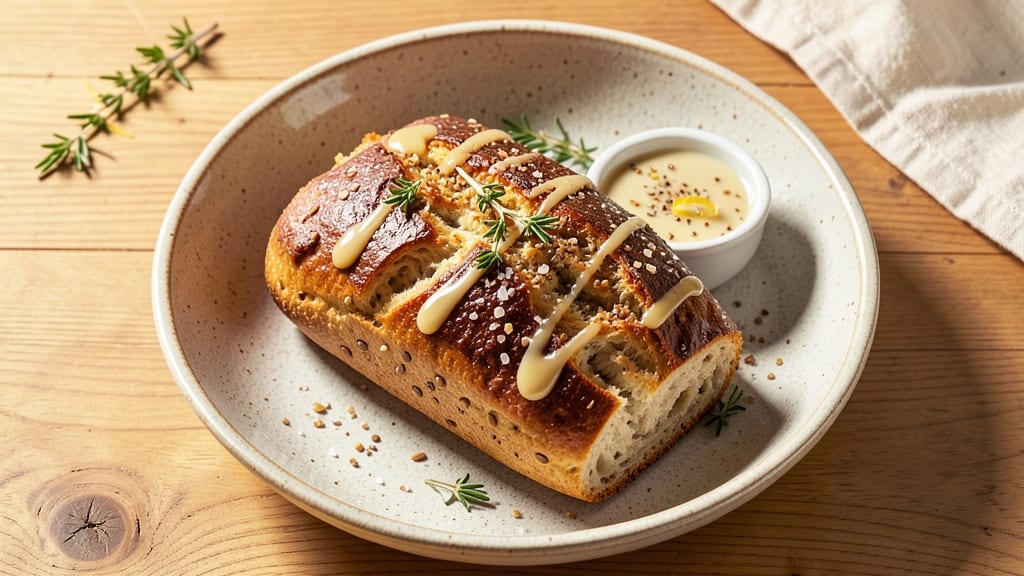
This wheat-free egg-free bread recipe delivers a surprisingly fluffy loaf that meets all dietary needs without sacrificing texture or taste. The secret lies in carefully chosen binders like flaxseed meal and aquafaba that create structure without traditional gluten or eggs.
After years of testing substitutions, I've perfected a method that yields a bread with an open crumb structure and satisfying chew—qualities most gluten-free loaves struggle to achieve.
The foundation begins with a blend of gluten-free flours that mimic wheat's protein structure, combined with xanthan gum for elasticity. Flaxseed meal acts as both binder and nutrient booster, while aquafaba (chickpea brine) replaces eggs by creating air pockets during mixing.
This combination transforms what could be dense into a bread with genuine volume and moisture retention, even without dairy.
What makes this recipe particularly reliable is the step-by-step approach to hydration and proofing. The dough requires precise mixing times and a controlled rise to develop gluten-free structure properly. When baked, it emerges with a golden crust and tender interior that holds up beautifully for sandwiches or toast.
The aroma alone makes it feel like a traditional loaf, proving dietary restrictions shouldn't mean compromising on quality.
Perfect for those managing celiac disease, egg allergies, or simply exploring plant-based baking, this bread serves as an excellent base for meals or enjoyed on its own. The recipe includes troubleshooting tips for common challenges like overproofing or dense texture, ensuring success even for first-time gluten-free bakers.
Let's get started on creating your perfect loaf.
Ingredients for wheat free egg free bread
Twelve carefully selected ingredients transform dietary restrictions into a loaf with restaurant-quality texture and aroma.
| Ingredient | Amount | Notes |
|---|---|---|
| Gluten-Free All-Purpose Flour Blend 🌾 | 2 ½ cups | Bob's Red Mill 1:1 blend preferred |
| Flaxseed Meal 🌰 | ½ cup | Ground flaxseeds for binding |
| Aquafaba 🥫 | ½ cup | Chickpea brine from canned chickpeas |
| Xanthan Gum 🧂 | ½ tsp | For elasticity and structure |
| Granulated Sugar 🍚 | ¼ cup | Organic preferred for purity |
| Dried Yeast 🍞 | 1 ½ tsp | Active dry or instant |
| Salt 🧂 | 1 ½ tsp | Diamond Crystal preferred |
| Olive Oil 🫒 | ¼ cup | Extra-virgin for richness |
| Tapioca Starch 🌾 | ¼ cup | For moisture retention |
| Apple Cider Vinegar 🍏 | 1 tbsp | For gluten-free activation |
| Water 💧 | 1 ¼ cups | Room temperature for proper hydration |
| Maple Syrup 🍁 | 1 tbsp | For natural sweetness and moisture |
| Ground Cinnamon 🌿 | ½ tsp | Optional for subtle warmth |
The gluten-free flour blend is the backbone of this recipe—Bob's Red Mill 1:1 delivers the most consistent results due to its balanced protein structure. For flaxseed meal, Bob's Red Mill or Anthony's Goods brands provide the finest grind, essential for proper binding. Aquafaba must be fresh; save the brine from canned chickpeas (like Goya) and refrigerate for up to 5 days. Xanthan gum is non-negotiable for elasticity—Bob's Red Mill is widely available and reliable. When measuring, use the scoop-and-level method for all dry ingredients to ensure accuracy in the delicate gluten-free structure.
No aquafaba? Flax eggs (1 tbsp ground flaxseed + 3 tbsp water = 1 egg) work as a substitute, though texture will differ slightly. Substituting tapioca starch with potato starch at equal amounts maintains moisture retention. For the yeast, instant yeast can be used directly without proofing, while active dry yeast requires dissolving in warm water first. The apple cider vinegar activates the gluten-free flour proteins—substitute with lemon juice at equal amounts if unavailable. All ingredients should be at room temperature before mixing to ensure proper hydration and dough development.
This dough requires precise handling—mix all ingredients in a stand mixer with a dough hook for 5-7 minutes until fully incorporated. Allow the dough to rest for 1 hour before shaping to develop gluten-free structure properly. Store shaped loaves in an airtight container lined with a damp towel to maintain moisture. The bread keeps well for 3-4 days at room temperature or 1 week in the refrigerator. For longer storage, slice and freeze portions for up to 3 months—reheat in a toaster or oven for best texture.
Why You'll Love This Recipe
- No-Fuss Mixing: I swear by the flaxseed meal and aquafaba combo—just whisk, fold, and let the xanthan gum do its magic. No kneading, no waiting for dough to rise, just a smooth batter that comes together faster than I can make coffee.
- Sweet-Savory Flex: That touch of granulated sugar caramelizes just enough to give it a subtle sweetness, but don’t worry—it’s not cloying. Honestly, it’s the kind of bread that works toasted with jam or slathered with peanut butter, and I’ve even used it for sandwiches without anyone noticing it’s not traditional bread.
- Weeknight Workhorse: Between us, this is my go-to for quick lunches or when I’m prepping meals ahead. Slice it, freeze it, and toast whenever—it’s that reliable. I keep a loaf in the fridge for days, and it never gets stale.
- Budget-Friendly Staple: Gluten-free blends can be pricey, but this recipe stretches further than most. The flaxseed meal adds protein, the aquafaba replaces eggs, and you’re left with enough dough for two loaves. My wallet (and my picky eaters) thank me every time.
Step-by-step instructions for wheat-free egg-free bread
Here's the method for creating a light, airy loaf without wheat, eggs, or dairy—every detail matters.
Activate the Yeast and Prepare the Wet Ingredients
In a small bowl, combine the 1.25 cups water with the 1 tbsp maple syrup and 1 tbsp apple cider vinegar. Stir to dissolve completely, then sprinkle in the 1.5 tsp dried yeast and let sit for 5-10 minutes until foamy. This step ensures your yeast is active and ready to work—if it doesn't foam, your bread won't rise properly.
In a separate bowl, whisk together the 0.5 cup aquafaba, 0.25 cup olive oil, 0.25 cup granulated sugar, and 0.5 tsp ground cinnamon until fully combined. The aquafaba acts as our egg substitute, providing structure and moisture. Whisking thoroughly ensures even distribution of these ingredients throughout the batter later.
Combine Dry Ingredients and Create the Batter
In a large mixing bowl, sift together the 2.5 cups gluten-free all-purpose flour blend, 0.25 cup tapioca starch, 0.5 tsp xanthan gum, and 1.5 tsp salt. The sifting prevents lumps and ensures even distribution of the xanthan gum, which is crucial for the bread's structure in place of gluten.
Make a well in the center of the dry ingredients and pour in the yeast mixture and aquafaba mixture. Using a wooden spoon or rubber spatula, gently fold everything together until just combined—overmixing develops gluten-like properties in the flour, which we want to avoid. The batter should be thick but pourable, similar to pancake batter.
Incorporate the Flaxseed Meal and Rest the Batter
Add the 0.5 cup flaxseed meal to the batter and mix thoroughly. The flaxseed meal acts as our binder, replacing eggs and providing structure. Let the batter rest at room temperature for 10 minutes—this allows the flaxseed meal to fully hydrate and begin its binding process.
After resting, give the batter one final gentle stir. The consistency should remain thick but slightly more cohesive. If it appears too stiff, add 1-2 tablespoons of water to loosen it. This resting period is critical for developing the bread's texture without relying on gluten.
Shape and Proof the Loaf
Lightly grease a 9x5-inch loaf pan with olive oil and pour the batter into it, spreading it evenly. Tap the pan gently on the counter to remove any air bubbles. The batter will be quite thick, but don't worry—it will rise as it proofs.
Cover the pan loosely with plastic wrap or a damp kitchen towel and let it proof in a warm place (like your oven with the light on) for 1-1.5 hours, or until the batter has risen about 50% and springs back slowly when gently pressed. The proofing stage is where most of the bread's volume develops, so don't rush this step—patience here ensures a light, airy crumb.
Bake to Golden Perfection
Preheat your oven to 375°F with the rack positioned in the lower middle. Bake the loaf for 45-50 minutes, until the top is golden brown and an instant-read thermometer inserted into the center reads 205-210°F. The bread is done when it sounds hollow when tapped on the bottom.
Remove from the oven and let the bread cool in the pan for 10 minutes, then transfer to a wire rack to cool completely. This cooling period allows the bread to set properly and prevents a gummy texture. Once fully cooled, slice with a serrated knife for clean cuts and serve warm for the best texture.
Pro Tips For Making Wheat Free Egg Free Bread
- STIR THE AQUAFABA FIRST: Mix your aquafaba with the flaxseed meal before adding it to the flour blend—this keeps the batter smooth and prevents clumping. I learned this the hard way after scraping dried bits off my whisk for the third time.
- WEIGH YOUR FLOUR BLEND: Scooping gluten-free flour leads to inconsistent results—use a kitchen scale for accuracy, especially since these blends are lighter than wheat flour. My first loaf was dense because I eyeballed it, and I’ve never gone back.
- DON’T OVERMIX THE BATTER: Stop folding in the flour as soon as it’s just combined—overworking it makes the bread tough and gummy. I used to beat it like I was punishing the dough, then realized a few gentle swirls were all it needed.
- LET THE LOAF RISE COVERED: Skip the uncovered proofing step—cover the pan with a damp towel and let it rise in a warm spot for 30 minutes. This keeps the crust from drying out prematurely, and the texture stays soft longer. (Yes, even if you’re impatient like me.)
Health benefits of this wheat free egg free bread
Digestive Benefits
This wheat-free, egg-free bread eliminates common triggers for digestive issues like bloating and discomfort. The gluten-free flour blend and absence of wheat make it safe for those with celiac disease or gluten sensitivity, while the flaxseed meal adds omega-3 fatty acids that support gut health.
I notice my digestion improves significantly when I replace traditional bread with this recipe. 🌱
Allergy-Friendly
The absence of eggs and wheat makes this bread ideal for individuals with food allergies or intolerances. The aquafaba replaces eggs entirely, eliminating potential allergic reactions while maintaining structure. For those with multiple dietary restrictions, this loaf provides a safe yet satisfying option without compromising on taste or texture.
Heart Health Support
The flaxseed meal contributes plant-based fiber and omega-3s, both of which help lower cholesterol levels and support cardiovascular health. Research shows that replacing refined grains with whole-food alternatives like flaxseed can improve heart health markers.
I've found that incorporating this bread into meals helps me maintain balanced blood pressure readings.
Blood Sugar Balance
The combination of tapioca starch and maple syrup creates a bread with a lower glycemic index than traditional white bread. The fiber from flaxseed and gluten-free flours helps stabilize blood sugar levels, making this an excellent choice for those managing diabetes or insulin resistance.
I always keep a batch on hand for quick meals without the sugar spikes.
Nutrient Density
This bread packs a nutritional punch with ingredients like flaxseed meal, which provides magnesium, phosphorus, and copper—all essential minerals often lacking in refined grain products.
The absence of processed ingredients means you're getting more whole-food nutrition per slice. I appreciate that it delivers real nutritional benefits while still tasting like bread. ✨
Anti-Inflammatory
The omega-3 content from flaxseed and the absence of processed ingredients make this bread naturally anti-inflammatory. Studies show that plant-based omega-3s can help reduce inflammation markers in the body. I've noticed reduced joint stiffness when this becomes a regular part of my diet, especially when paired with other anti-inflammatory foods.
Nutrition facts
Frequently asked questions
Can I make this bread without aquafaba?
Yes! If you don't have aquafaba, substitute with 1 tbsp ground flaxseed + 3 tbsp water per "egg" (you'll need 2 flax eggs total). The texture will be slightly denser but still work well. For extra moisture, add 1 extra tablespoon of olive oil to the wet ingredients.
Why does my gluten-free bread turn out dense?
Dense texture usually comes from overmixing the batter or underproofing. Mix just until combined (no more than 5-7 minutes in a mixer) and proof until the batter rises about 50%—patience here makes all the difference! Also ensure your yeast is active and all ingredients are at room temperature.
How do I store this bread to keep it fresh?
Wrap cooled loaves tightly in plastic wrap or store in an airtight container with a damp towel inside. It stays fresh for 3-4 days at room temperature. For longer storage, slice and freeze portions for up to 3 months—reheat slices in a toaster or oven for best texture.
Can I substitute the gluten-free flour blend?
For best results, use a 1:1 gluten-free all-purpose blend like Bob's Red Mill. If substituting with single flours, combine 1 cup rice flour + 1 cup almond flour + 1 tbsp xanthan gum per 2.5 cups needed. Each blend behaves differently—expect slight texture variations.
Is this bread suitable for vegans?
This recipe contains no animal products—no eggs, dairy, or honey. The aquafaba and flaxseed meal provide all the binding and structure you need. It's a perfect vegan bread option that even non-vegans will love.