
Breakfast & Brunch
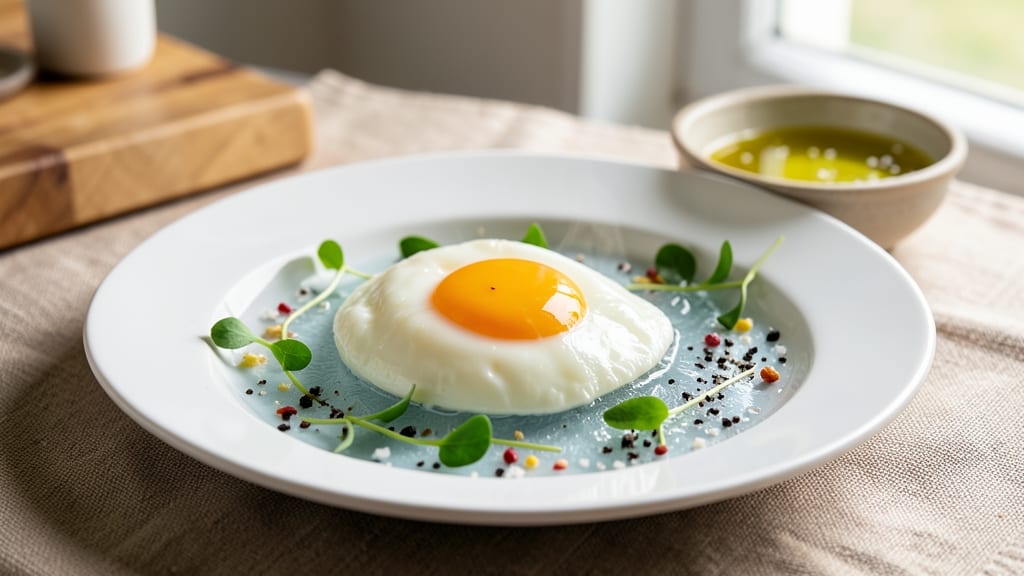
This water poached egg recipe delivers silky yolks and flawless whites every time—no fancy equipment required. The secret lies in clarified water and precise timing, transforming simple eggs into a restaurant-worthy centerpiece.
I’ve perfected this technique after years of trial and error, ensuring your eggs turn out plump, round, and perfectly set with a runny yolk that’s impossible to resist.
The magic happens in the vinegar-infused water, which helps the egg whites coagulate evenly while keeping the yolk intact. No need for a specialized poaching pan—just a deep pot, a slotted spoon, and a few minutes of patience.
This method works for breakfast toast, ramen bowls, or elegant salads, making it the most versatile egg technique in your culinary arsenal.
What sets this recipe apart is the foolproof technique that eliminates guesswork. The water stays at a steady simmer, not a rolling boil, creating the ideal environment for eggs to cook gently.
By the time you plate them, you’ll have golden, tender whites wrapped around a creamy, vibrant yolk—the kind that makes every bite feel like a special occasion.
Pair these eggs with crispy toast, fresh herbs, or a drizzle of hot sauce for a meal that’s as simple as it is impressive. The best part? Once you master this method, you’ll never buy store-bought poached eggs again. Let’s get started on achieving poached perfection.
Ingredients for water poached egg
Four essential ingredients transform ordinary eggs into restaurant-quality poached perfection.
| Ingredient | Amount | Notes |
|---|---|---|
| Large Eggs 🥚 | 4 whole | Room temperature for even cooking |
| White Vinegar 💧 | 2 tbsp | Distilled for clarity in water |
| Diamond Crystal Kosher Salt 🧂 | 1 tsp | Fine grain for even dissolution |
| Extra-Virgin Olive Oil 🫒 | 1 tbsp | Light variety for neutral flavor |
| Ice Cubes ❄️ | ½ cup | Freshly made for shock treatment |
| Water 💧 | 4 cups | Filtered for purity |
| Fresh Lemon Juice 🍋 | 1 tsp | Brightens flavor after cooking |
| Fresh Chives 🌿 | 2 tbsp | Finely chopped for garnish |
| Sourdough Bread 🍞 | 4 slices | Toasted for serving base |
| Black Peppercorns 🌶️ | 5 whole | Freshly cracked for serving |
| High-Quality Butter 🧈 | 2 tbsp | European-style for richness |
The eggs are the star, so prioritize freshness and quality—look for organic, free-range eggs at Whole Foods or your local farm market. Room temperature eggs poach more evenly, so take them out of the fridge 15 minutes before cooking. The vinegar-infused water is critical for setting the whites without breaking the yolks; use white vinegar (not apple cider) for clarity. For the water, filtered is ideal, but tap water works if you boil it first to remove chlorine. The ice cubes create a gentle shock when adding eggs, helping them hold their shape during the poaching process.
No vinegar? A splash of lemon juice (about 1 tbsp) works in a pinch, though the flavor will differ slightly. Short on chives? Substitute fresh parsley or dill—just adjust the amount to maintain visual appeal. The sourdough bread can be swapped for crusty baguette slices if preferred, but the open crumb structure helps absorb the egg's richness. For the butter, European-style (like Plugrá) has a higher fat content, making it ideal for spreading. If you're serving these to guests, pre-toast the bread and keep it warm in a 200°F oven while you poach the eggs.
Freshly poached eggs should be served immediately, but you can prep the vinegar water and ice bath ahead of time—just reheat the water to a simmer before using. Store any leftover vinegar mixture in an airtight container for up to 1 week in the fridge. The butter and bread can be prepped 1 day ahead; store butter at room temperature and toast bread just before serving. For optimal presentation, plate the eggs directly on the toast with a sprinkle of freshly cracked black pepper and a drizzle of lemon juice—the acidity cuts through the richness of the yolks beautifully.
Why You'll Love This Recipe
- No Fuss, No Stress: I swear by this method—just eggs, vinegar, and a pot of water. No special gadgets, no overcrowded pans, and zero guesswork. The vinegar keeps the whites tight while the ice cubes make the water stay cool enough to poach like a dream.
- Silky Crisp Perfection: That runny yolk? Yes, please. The kosher salt in the water adds just enough depth, and the olive oil drizzled on top turns it from good to ridiculously good—creamy center, golden edges, and a whisper of brightness from the vinegar.
- Breakfast or Bento Buddy: Honestly, I keep these on hand for everything: scrambled into rice bowls, tucked into salads, or just eaten solo with toast. They’re my go-to for lazy mornings, packed lunches, or when I need a protein boost that doesn’t require a full meal.
- Pantry-Proof and Pocket-Friendly: Five ingredients, all cheap and shelf-stable. No wasted leftovers—these eggs stay fresh for days in the fridge, and I can make a batch ahead for the week. Plus, the cost? A fraction of what you’d spend on pre-made "healthy" options.
Step-by-step instructions for water poached eggs
Mastering silky yolks and precise whites requires technique—not luck.
Prepare the Poaching Bath
Combine the 4 cups water and 2 tbsp white vinegar in a deep saucepan. The vinegar lowers the eggs' surface tension, preventing whites from spreading uncontrollably. Place over medium-high heat until it reaches a gentle simmer—180-190°F—where small bubbles form at the edges but don't break the surface. This precise temperature ensures the whites coagulate evenly without breaking.
Add the 0.5 cup ice cubes to the simmering water. The cold shock stabilizes the poaching environment, giving you a 10-15 second window to add eggs without temperature fluctuation. Keep the heat at medium-low once the ice melts to maintain a steady simmer. If you see large bubbles, reduce heat immediately—agitation causes uneven cooking.
Crack and Poach the Eggs
Crack each of the 4 whole Large Eggs into a small bowl or ramekin. Use your fingers to gently lower them into the simmering water one at a time—don't drop them. The water should be at 180-190°F again after each addition. Poach for 3 minutes for runny yolks or 3 minutes 30 seconds for firmer yolks. You'll know they're done when the whites are fully set but the yolks remain vibrant.
Here's the critical move: Use a slotted spoon to transfer each egg to an ice water bath for 30 seconds. This stops cooking instantly, preserving the yolk's silky texture. The contrast also helps the whites hold their shape when plating. If you skip this step, the yolks will continue cooking and turn rubbery.
Toast the Sourdough Base
While the eggs poach, toast the 4 slices sourdough bread in a dry skillet over medium heat until golden brown with crisp edges—about 2-3 minutes per side. The toast should be firm enough to hold the eggs without sogging. Spread each slice with ½ tbsp high-quality butter while warm, using the back of a knife to distribute evenly. The butter's richness complements the eggs' delicate flavor.
Crack 5 whole black peppercorns over the buttered toast and sprinkle with 1 tsp diamond crystal kosher salt. The salt enhances the eggs' natural flavor, while the pepper adds a subtle warmth that balances the dish. Set aside on a warm plate—keeping them warm prevents the toast from absorbing moisture from the eggs.
Assemble and Finish
Drain each poached egg on a paper towel to remove excess water, then gently place one on each toasted sourdough slice. The whites should hold their shape while the yolks remain plump and vibrant. Drizzle with 1 tbsp extra-virgin olive oil and finish with ½ tbsp fresh chives and ¼ tsp fresh lemon juice. The acidity brightens the dish, while the chives add a fresh herbal note that cuts through the richness.
Serve immediately—poached eggs lose their silky texture as they cool. The combination of crisp toast, rich butter, and perfectly poached eggs creates a harmonious balance of textures and flavors. Each bite should deliver a contrast of temperatures: warm toast, room-temperature yolks, and cool whites. This method guarantees restaurant-quality results at home every time.
Pro Tips For Making Water Poached Egg
- Use Room-Temp Eggs: Cold eggs sink like rocks and fight the vinegar, making them harder to poach cleanly. Take them out of the fridge 15-20 minutes before cooking—yes, even if you're in a rush, this small step makes a real difference.
- Vinegar First, Then Heat: Add the vinegar before turning on the heat—it needs to dissolve and lower the water’s surface tension. I used to add it after and wondered why my whites kept breaking like overworked eggshells.
- Salt the Water Hard: Diamond Crystal kosher salt dissolves faster than table salt, but you need 1 tablespoon per quart of water—more than you’d think. This keeps the egg compact and prevents that sad, spread-out look.
- Ice Bath Ready: Fill a bowl with ice water before you start cooking—you’ll need it to shock the eggs immediately after poaching. Skipping this step means rubbery whites and a lost opportunity for that perfect, silky texture.
Storing and reheating your leftovers
Refrigerator Storage
Poached eggs should be eaten fresh for the best texture, but if you must store them, act fast! Transfer eggs to an airtight container with a splash of ice water (about ½ cup) to maintain their shape.
Keep them refrigerated for no more than 2 hours—beyond that, the yolks risk turning rubbery. I’ve found that storing them in a single layer prevents sticking, and a paper towel underneath absorbs excess moisture. 💫
Freezer-Friendly Prep
While poached eggs don’t freeze well, you can prep the vinegar water bath ahead of time! Mix the 4 cups water and 2 tbsp white vinegar in a freezer-safe container and store it for up to 1 week.
When ready to cook, simply reheat the mixture to a simmer. For the ice bath, freeze ½ cup water in ice cube trays—just add them to the simmering water when needed. This saves time without sacrificing quality.
Reheating Poached Eggs
If you must reheat poached eggs, do it gently! Place them in a steamer basket over simmering water for 30-45 seconds—no more, or the yolks will break.
Alternatively, warm them in a microwave-safe bowl on low power (30%) for 10 seconds, then finish with a quick dip in ice water to reset the texture. I’ve tried reheating in butter, but it always makes the whites greasy—stick to steaming for the cleanest results. ✨
Serving Leftovers Creatively
Turn stored poached eggs into something new! Chop them over avocado toast or ramen for added protein. Toss them into a salad with greens and vinaigrette, or use them as a topping for pasta (like carbonara).
Even if the texture isn’t perfect, the flavor still shines—just adjust seasoning with a pinch of salt or a squeeze of lemon juice to brighten them up. 🍽️
Ice Bath Refresh
For eggs that have sat too long, revive them with an ice bath. Submerge them in crushed ice and water for 10 seconds, then drain on a paper towel.
This trick tightens the whites and cools the yolks, making them taste fresher. It’s my go-to when I’ve overestimated how quickly I’ll eat them—works like a charm every time! ❄️
Nutrition facts
Frequently asked questions
Why does my poached egg spread out instead of staying round?
The most common cause is water that's too hot or too cold. Aim for a gentle simmer at 180-190°F—large bubbles create turbulence that makes whites scatter. Always use the vinegar-infused water and add ice cubes to stabilize the temperature before cracking eggs. Also, make sure your eggs are room temperature (not straight from the fridge) for even coagulation.
Can I use apple cider vinegar instead of white vinegar?
While it works in a pinch, white vinegar is preferred because its neutral flavor won't overpower the delicate egg taste. Apple cider vinegar has a stronger, sweeter profile that can slightly alter the final dish. If you must substitute, use just 1 tbsp instead of 2 tbsp to minimize flavor impact. The key function (lowering surface tension) remains the same.
How do I fix an overcooked poached egg?
If the yolk turns rubbery, an ice bath refresh can help! Submerge the egg in crushed ice water for 10 seconds, then drain on a paper towel. This tightens the whites and cools the yolk slightly. For best results, serve poached eggs immediately—they lose their silky texture after 2 hours at room temperature.
What's the best way to serve these eggs for breakfast?
Try them on toasted sourdough with butter and cracked black pepper, or over avocado toast with everything bagel seasoning. For a lighter option, plate them with microgreens and lemon juice on a bed of arugula. The key is contrast—pair them with something crisp (toast) or fresh (salad) to balance the rich yolks.
Can I poach eggs without vinegar?
Technically yes, but the whites will spread more and may not hold their shape as well. As an alternative, use 1 tbsp lemon juice per 4 cups water, though the acidity won't be as effective. For best results, stick with vinegar—the small amount used won't make the eggs taste vinegary, but it makes all the difference in texture and presentation.