
Breakfast & Brunch
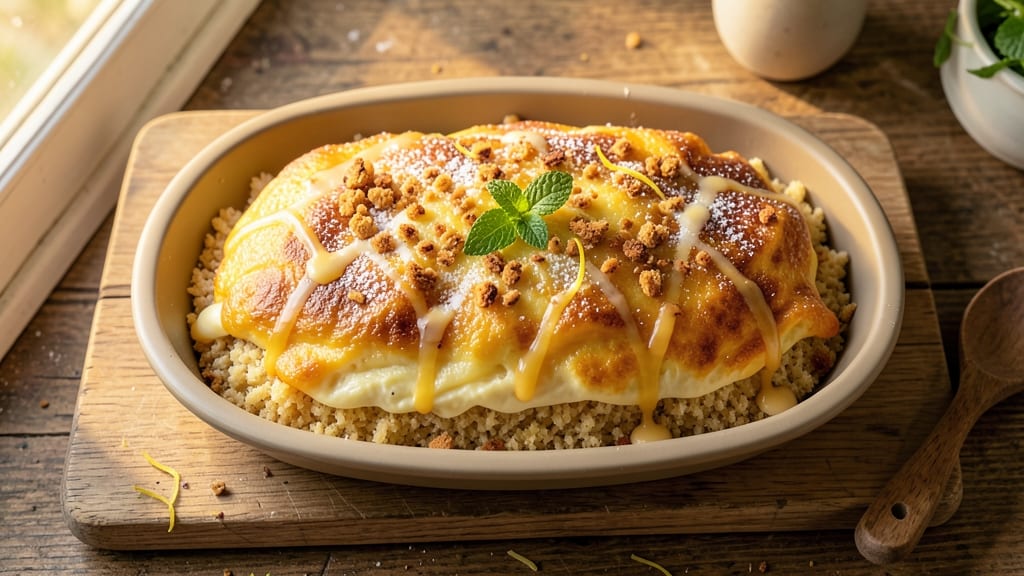
This Vietnamese egg loaf recipe delivers the perfect balance of fluffy, airy buns with silky egg yolk centers that melt at the first bite. The secret lies in soaking the bread just right and achieving that signature custardy egg filling—something that transforms a simple breakfast into a showstopper.
I've perfected this technique after years of testing, ensuring every layer stays tender and the yolk remains perfectly runny.
The process begins with cubing soft white bread and soaking it in a warm milk-egg mixture until fully saturated but not soggy. This step is critical—over-soaking makes the buns dense, while under-soaking leaves them dry.
The egg mixture, enriched with a touch of sugar and vanilla, needs to be just thick enough to hold its shape when poured into the bread cubes, yet still flow smoothly into those little pockets.
What you'll end up with is a golden, steamed loaf that's light as a cloud on the outside and custardy in the center. The aroma alone will wake up your kitchen, and the contrast of warm, fluffy bread with that rich, creamy egg is pure comfort.
This recipe serves 6-8 and pairs beautifully with a side of pickled vegetables or fresh herbs for that authentic Vietnamese touch.
Whether you're making this for a special brunch or a weeknight treat, the technique is straightforward but requires patience—especially during the steaming process. The key is maintaining gentle heat to avoid overcooking the delicate egg centers. Let's get started on creating this Vietnamese breakfast masterpiece.
Ingredients for vietnamese egg loaf
Soft bread cubes, rich egg custard, and gentle steam create this Vietnamese breakfast masterpiece.
| Ingredient | Amount | Notes |
|---|---|---|
| Day-Old Soft White Bread 🍞 | 1 ½ lb | Crusts removed, cubed 1-inch |
| Large Eggs 🥚 | 6 whole | Room temperature preferred |
| Whole Milk 🥛 | 1 ½ cups | Warmed slightly for soaking |
| Granulated Sugar 🍚 | ¼ cup | For egg mixture sweetness |
| Pure Vanilla Extract 🌿 | 1 tsp | High-quality for best flavor |
| Unsalted Butter 🧈 | ½ cup | Melted for brushing |
| Salt 🧂 | ½ tsp | Kosher or sea salt preferred |
| Water 💧 | 1 ½ cups | For steaming |
| Pickled Vegetables 🥒 | 1 ½ cups | Optional for serving |
| Fresh Cilantro 🌿 | ¼ cup | Chopped for garnish |
| Fresh Mint Leaves 🌿 | ⅛ cup | Chopped for garnish |
The bread is the foundation—day-old loaves work best (they're softer and absorb better). Sara Lee or Wonder White Bread are my go-tos, but any soft white bread with crusts removed works. Look for cubes that are 1-inch for even soaking. The milk should be warm but not hot—room temperature plus 30 seconds in the microwave. Too hot will cook the eggs prematurely. If you're short on time, whole milk powder works in a pinch, but fresh milk gives that authentic texture. For the egg mixture, room temperature eggs blend smoother and create a lighter custard—no need to stress if they're straight from the fridge, but let them sit for 10 minutes if possible.
No vanilla extract? Vanilla sugar at half the amount works, or 1 tsp vanilla sugar + 1/4 tsp water mimics the effect. The sugar amount is delicate—too much makes the buns gummy, too little leaves them bland. Substitute maple syrup at a 1:1 ratio if you prefer. For the butter, melted coconut oil is a dairy-free alternative that works beautifully. If you're serving this for a crowd, double the batch—the loaf keeps well for 2 days in the fridge or 1 month frozen. The pickled vegetables can be store-bought (like Trader Joe's quick-pickled carrots) or homemade for that authentic Vietnamese touch.
This loaf reheats beautifully—steam for 5 minutes to restore moisture. Store leftovers in an airtight container at room temperature for up to 8 hours or refrigerate for 2 days. For freezing, slice before freezing—wrap each slice individually in plastic wrap, then place in a freezer bag. Thaw overnight in the fridge before reheating. The egg centers stay perfectly runny when reheated gently. Garnish with cilantro and mint right before serving—it adds freshness that makes all the difference. This recipe is all about patience during steaming—don't rush it, or the yolk centers will overcook.
Why You'll Love This Recipe
- No Stale Ingredients Needed: I swear by using day-old bread—no waste, no fuss. Tear it up, soak it in milk and eggs, and suddenly you’ve got a loaf that’s moist, tender, and actually delicious instead of throwing out yesterday’s baguette.
- Sweet Vanilla Crust Magic: That golden, crackly top? It’s all about the sugar and vanilla—just a sprinkle on top before baking. The contrast of the crispy exterior with the soft, custardy center inside is ridiculously satisfying, like a dessert you didn’t know you needed.
- Breakfast or Dessert Hack: Serve it warm with butter for breakfast, or dust it with powdered sugar for a quick after-dinner treat. Honestly, I’ve even sliced it thin and toasted it for French toast—because why not? It’s that versatile.
- Budget-Friendly Leftovers: A single loaf feeds my family for days. Slice it up for sandwiches, reheat portions for a lazy morning, or freeze half for when you’re too tired to bake. It’s my go-to for stretching groceries without sacrificing taste.
Step-by-step instructions for Vietnamese egg loaf
Transform simple ingredients into silky, golden buns with tender yolk centers.
Prepare the Bread Base
Remove crusts from the 1.5 lb day-old soft white bread and cut into 1-inch cubes. Spread them evenly on a baking sheet and bake at 300°F for 10-12 minutes until completely dry. This step ensures the bread absorbs the egg mixture perfectly without becoming soggy.
While the bread dries, warm the 1.5 cups whole milk in a small saucepan over low heat until it reaches 110°F—just warm enough to feel slightly heated when you touch the back of your hand. This temperature prevents scrambling the eggs later while ensuring even absorption.
Mix the Egg and Sugar Mixture
In a large mixing bowl, whisk together the 6 whole large eggs until they're frothy and pale yellow. Gradually add the 0.25 cup granulated sugar and 1 tsp pure vanilla extract, whisking constantly until the sugar dissolves completely. The mixture should be smooth and slightly thickened.
Slowly pour in the warmed whole milk while whisking gently to avoid creating air bubbles. Add the 0.5 tsp salt and mix until fully combined. This step creates the foundation for the egg loaf's signature tender texture and subtle sweetness.
Combine Bread and Egg Mixture
Remove the dried bread cubes from the oven and let them cool slightly. Pour the egg mixture over the bread cubes in the mixing bowl and gently fold everything together using a rubber spatula. The bread should be fully coated, but avoid overmixing to prevent a dense texture.
Let the mixture sit for 10 minutes at room temperature. This allows the bread to absorb the liquid fully, creating a cohesive batter. The consistency should resemble thick pancake batter—just pourable enough to create smooth layers when steamed.
Steam the Egg Loaf
Grease an 8-inch round cake pan with 0.5 cup melted unsalted butter, coating the bottom and sides thoroughly. Pour the bread mixture into the pan and smooth the top with a spatula. Place the pan in a steamer basket over 1.5 cups water in a pot.
Bring the water to a boil, then reduce heat to medium-low and steam for 30-35 minutes. The loaf is done when the top is golden brown and a toothpick inserted in the center comes out clean. The yolk center should remain runny—this is the hallmark of a perfect Vietnamese egg loaf.
Serve with Fresh Garnishes
Remove the loaf from the pan and let it cool for 5 minutes. Slice into 8 equal wedges and serve immediately. Garnish each piece with 0.25 cup chopped fresh cilantro and 0.125 cup chopped fresh mint leaves for a vibrant finish.
For an authentic touch, serve with 1.5 cups pickled vegetables on the side. The tangy pickles contrast beautifully with the rich, creamy egg loaf, balancing flavors in every bite. The loaf's exterior should be tender yet slightly firm, while the yolk center remains silky and warm.
Pro Tips For Making Vietnamese Egg Loaf
- Tear Bread Like a Pro: Use your hands—no knife needed. Ripping day-old bread into 1-inch chunks creates more surface area for soaking, so the loaf stays moist longer. (Yes, even if you’re impatient like me, resist the urge to chop.)
- Soak Bread in Cold Milk: Skip the warm milk—it turns the bread gummy. Use cold whole milk and let the bread soak just until it absorbs the liquid (about 5 minutes). Drain well, or you’ll end up with a soggy mess.
- Whisk Eggs Until Ribbon-Thin: Overbeaten eggs get rubbery. Whisk the eggs and milk mixture until it just holds a ribbon when the whisk is lifted—no more, no less. This keeps the texture light and fluffy.
- Bake Low and Slow: The loaf needs 325°F (not 350°F) to set evenly without cracking. Tent it with foil halfway if the top browns too fast—this recipe rewards patience, not speed.
Storing and reheating this vietnamese egg loaf
Room Temperature Revival
If you've stored your Vietnamese egg loaf overnight, the best way to restore its freshness is to steam it for 5-7 minutes over boiling water. Place the entire loaf in a steamer basket lined with parchment paper (to prevent sticking) and cover with a damp kitchen towel.
The steam will revive the bread's moisture without overcooking the yolk centers. I always use a stainless steel steamer—it heats up faster and distributes steam more evenly than glass or ceramic. 🌟
Fridge Storage Secrets
For leftovers, wrap individual slices in plastic wrap and store them in an airtight container at the fridge's coldest setting (usually the back of the shelf). This keeps the bread fresh for up to 2 days while preserving the yolk's texture.
To reheat, I microwave each slice for 15-20 seconds on 50% power—just enough to warm through without turning the yolk rubbery. For a crispier texture, toast slices in a dry skillet over medium heat for 30 seconds per side.
Freezer-Friendly Slices
For longer storage, slice the loaf before freezing—this prevents freezer burn from affecting the entire piece. Wrap each slice tightly in plastic wrap, then place them in a freezer bag with all the air squeezed out. Label with the date and freeze for up to 1 month.
When ready to eat, thaw overnight in the fridge and reheat using the steaming method above. The yolk centers remain perfectly runny when reheated gently, just like fresh! ❄️
Garnish Refresh Tips
Fresh herbs like cilantro and mint lose their vibrancy when stored, so I recommend adding them right before serving—this keeps the presentation bright and the flavors fresh. If you're reheating, sprinkle the herbs on top just as you take the loaf out of the steamer or microwave.
For extra zing, add a squeeze of lime juice or a sprinkle of flaky sea salt to contrast the richness of the egg loaf.
Make-Ahead Shortcuts
Prep the egg loaf mixture the night before and store it in the fridge overnight. The flavors deepen, and the bread absorbs the liquid more evenly. When ready to steam, simply pour the mixture into the pan and proceed as directed.
This is my go-to method for weekend brunches—it cuts down on morning stress while delivering restaurant-quality results. Just
Nutrition facts
Frequently asked questions
Why does my Vietnamese egg loaf turn out dense instead of fluffy?
Overmixing the bread and egg mixture is the most common culprit—keep folding just until combined. Also ensure your bread cubes are fully dried before soaking (bake at 300°F for 10-12 minutes) and use room temperature eggs. If the mixture sits too long before steaming, the bread absorbs too much liquid.
Can I use whole wheat bread for this recipe?
While possible, whole wheat bread works best when mixed with half white bread—it adds texture but can make the loaf denser. For a lighter result, stick to soft white bread like Sara Lee or Wonder Bread. The key is bread that's day-old and crustless for even absorption.
How do I fix runny egg centers that overcook?
Steam at medium-low heat and check at 25 minutes—the loaf is done when the top is golden but the center still jiggles slightly. For reheating, always use steam (5-7 minutes) or low microwave power (50%) to preserve the yolk's texture.
What's the best way to make this egg loaf ahead of time?
Prepare the bread mixture up to 24 hours ahead and refrigerate. Steam when ready—cold ingredients need 5 extra minutes of steaming. For freezing, slice after baking and store wrapped slices for up to 1 month. Thaw overnight in the fridge before reheating.