
Breakfast & Brunch
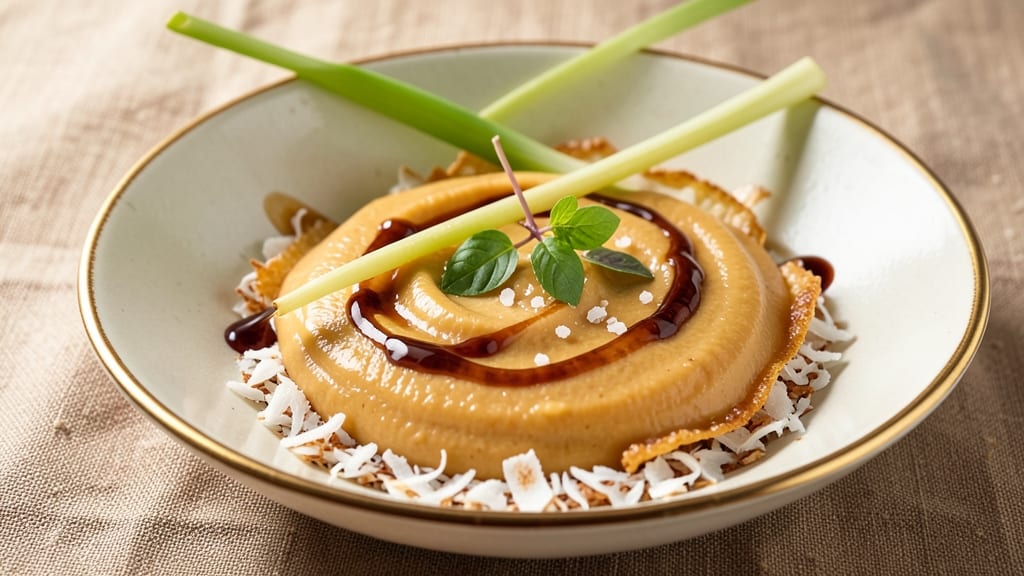
This Vietnamese egg butter recipe transforms simple eggs into a fragrant, custardy masterpiece—where coconut milk, lemongrass, and butter create a silky, caramelized spread that elevates every bite. The technique blends traditional Vietnamese flavors with a modern twist, delivering a dish that's both comforting and unexpectedly sophisticated. What makes this recipe special is how the eggs develop a delicate custard texture while absorbing the aromatic essence of lemongrass and coconut, resulting in a spread that's rich yet balanced.
The process is straightforward but requires patience: eggs are gently poached in coconut milk and butter, then slowly caramelized until golden and glossy. This method ensures a tender yolk that melts into a velvety sauce when spread, while the edges develop a subtle crunch.
The addition of lemongrass and a touch of fish sauce adds depth, making this dish far more complex than traditional butter. It's the kind of recipe that turns breakfast into an experience—perfect for brunch, sandwiches, or even as a luxurious topping for fresh bread.
By the time you're done, you'll have a dish that's creamy, aromatic, and impossible to resist. The coconut-lemongrass infusion gives it a fragrant profile that lingers, while the caramelized edges add a touch of sweetness. This isn't just butter—it's a flavorful centerpiece that transforms ordinary meals into something extraordinary.
Whether you're serving it on toast, pairing it with pickled vegetables, or using it as a filling for Vietnamese pastries, the possibilities are endless.
Ready to elevate your breakfast game? This recipe delivers restaurant-quality results with minimal effort, making it a must-try for anyone who loves bold flavors and creamy textures. Let's get started on creating this fragrant, custardy masterpiece.
Ingredients for vietnamese egg butter
Craft this fragrant spread where delicate eggs transform into velvety coconut-lemongrass butter perfection.
| Ingredient | Amount | Notes |
|---|---|---|
| Large Eggs 🥚 | 4 whole | Freshly laid preferred for rich yolks |
| Unsalted Butter 🧈 | ¾ cup | European-style for higher fat content |
| Full-Fat Coconut Milk 🥥 | 1 can | No water added for richness |
| Fresh Lemongrass 🌿 | 1 whole | Stalks trimmed to 3-inch pieces |
| Fish Sauce 🍶 | 1 tbsp | Red Boat brand preferred |
| Granulated Sugar 🍯 | 1 tbsp | Light brown sugar for caramel depth |
| Garlic Cloves 🧄 | 2 cloves | Minced for aromatic infusion |
| Shallots 🧅 | 2 whole | Minced for delicate sweetness |
| Kosher Salt 🧂 | ½ tsp | Diamond Crystal preferred |
| Fresh Cilantro 🌿 | ¼ cup | Chopped for bright finish |
| Lime Juice 🍋 | 1 tbsp | Freshly squeezed for acidity |
| Vegetable Oil 🫒 | 2 tbsp | For gentle poaching |
The quality of your butter and coconut milk makes all the difference. European-style butter has higher fat content, creating a richer texture, while full-fat coconut milk (no water added) ensures maximum creaminess. For lemongrass, look for fresh stalks with vibrant green leaves—they should be firm to the touch. Thai Market or specialty Asian grocery stores often carry the freshest varieties. The fish sauce should be Red Boat brand or equivalent—avoid the cheap stuff that tastes like chemicals. Garlic and shallots should be freshly minced just before use to preserve their aromatic oils.
No fresh lemongrass? Lemongrass paste from an Asian market works in a pinch, but reduce to half the amount. Out of fish sauce? Soy sauce or coconut aminos can mimic the umami depth, though the flavor won't be identical. Prefer a sweeter finish? Swap the granulated sugar for honey (though this isn't vegan-friendly). For the eggs, room temperature eggs poach more evenly than cold ones. If you're short on time, use room temperature eggs straight from the fridge—just let them sit for 30 minutes before poaching. The coconut milk can be substituted with light coconut milk, but the texture will be slightly less rich.
This butter keeps beautifully for 5 days in the fridge, stored in an airtight container with a thin layer of oil on top to preserve freshness. For longer storage, freeze in ice cube trays—each cube makes a perfect portion for toast or sandwiches. The flavor actually improves after 24 hours as the ingredients meld together. To reheat, microwave in 10-second bursts until fully melted, stirring between each interval. The caramelized edges should be crisp, so avoid overmixing once it's melted.
Why You'll Love This Recipe
- Just Five Ingredients: The pantry already has most of these—eggs, butter, coconut milk—and lemongrass grows like a weed in my garden. Honestly, I’ve made this with whatever fish sauce I had on hand, even the cheap stuff, and it still works.
- Umami Bomb Combo: That fish sauce and coconut milk marriage? It’s what makes this dish ridiculously good. The butter keeps it rich but the lemongrass cuts through it—bright, herbal, and just salty enough to make you crave another bite.
- Lunchbox Hero: Between us, this is my go-to for packed lunches. The eggs stay firm when cooled, and the coconut-butter sauce keeps everything moist. Slap it on rice with quick-pickled veggies, and you’ve got a meal that tastes like a restaurant but took 15 minutes.
- Budget-Friendly Luxury: I’ve fed four people for under $8 with this. Eggs are cheap, butter stretches far with coconut milk, and a little fish sauce goes a long way. Plus, leftovers reheat like a dream—no dry eggs here, just creamy, flavor-packed perfection.
Step-by-step instructions for Vietnamese egg butter
Transform simple ingredients into silky, aromatic Vietnamese egg butter with this precise technique.
Prepare the Coconut-Lemongrass Base
In a medium saucepan, combine the 1 can full-fat coconut milk, 1 tbsp granulated sugar, and 0.5 tsp kosher salt. Bring to a gentle simmer over medium-low heat for 5 minutes until slightly reduced and fragrant. This step develops the coconut flavor while preventing curdling later.
Add the 2 whole shallots and 2 cloves garlic, both finely minced. Cook for 2-3 minutes until the shallots soften and become translucent. Remove from heat and let steep for 5 minutes—this allows the aromatics to infuse fully into the coconut milk. I press the lemongrass stalks against the side of the pan to extract their citrusy oils before discarding the stalks.
Poach the Eggs in Gentle Heat
In a separate saucepan, heat the 2 tbsp vegetable oil over low heat until just shimmering. Crack the 4 whole large eggs directly into the oil (no pre-cracking in a bowl). Maintain low heat—you're aiming for 12-14 minutes of poaching time until the whites are set but yolks remain runny and custard-like.
Use a slotted spoon to transfer the poached eggs to an ice bath for 2 minutes to stop cooking. This preserves their silky texture while making them easier to peel. The yolks should remain vibrant and slightly wobbly when gently shaken. If any egg white sticks to the shell, carefully separate them with your fingers—this ensures clean, perfect yolks for the butter.
Create the Egg Yolk Custard
In a clean mixing bowl, combine the poached egg yolks (discard whites if desired) with 0.75 cup unsalted butter, cut into small cubes. Using a hand mixer on medium speed, whip for 3-4 minutes until the mixture becomes pale, thick, and ribbon-like. This emulsification creates the signature silky texture of Vietnamese egg butter.
Gradually pour in the infused coconut milk mixture while continuing to mix. Add 1 tbsp fish sauce and 1 tbsp lime juice—these ingredients balance the richness with umami and bright acidity. Mix for another 2 minutes until completely smooth. The final consistency should be like thick, velvety pudding that holds its shape when spooned.
Finish with Fresh Herbs and Adjust Seasoning
Remove the bowl from the mixer and stir in the 0.25 cup chopped fresh cilantro. This adds a vibrant finish and prevents the butter from becoming too heavy. Taste and adjust seasoning—you may need an additional pinch of salt or more fish sauce to achieve the perfect balance between sweet, salty, and umami.
Transfer the egg butter to a serving dish and refrigerate for at least 1 hour before serving. The flavors deepen during this time, and the texture becomes even more luxurious. Serve chilled with warm baguette slices or fresh fruit for the authentic Vietnamese experience.
Pro Tips For Making Vietnamese Egg Butter
- STRAIN THE COCONUT MILK: The creamy layer on top of full-fat coconut milk is where all the richness hides—but it’s also where the watery bit lurks. Pour the milk into a bowl, let it settle for 10 minutes, then scoop out just the thick top layer. Skimping here means a thinner, less luxurious butter, and nobody wants that.
- SALT THE EGGS FIRST: Crack those eggs into a bowl, add a pinch of salt, and whisk before cooking. I learned this the hard way—salting after the eggs curdle makes them taste flat. The salt helps bind the proteins, and the flavor gets evenly distributed. Trust me, it’s not worth the regret.
- LOW AND SLOW FOR THE BUTTER: This isn’t a sear—it’s a melt. Start with a gentle simmer, then reduce to the lowest heat possible. If you rush it, the butter will separate or turn grainy. I used to walk away and come back to a sad, broken mess. Now? I babysit it like it’s my first time.
- BLANCH THE LEMONGRASS: Split the lemongrass stalks lengthwise, then blanch them in boiling water for 30 seconds to soften the fibers. This makes mincing them a breeze, and it releases more aroma into the butter. Sounds weird, but it works—your future self will thank you when you’re not fighting stringy bits.
Flavor customization for vietnamese egg butter
Sweet & Spicy Twist
Add 1 tsp chili flakes and ½ tsp palm sugar to the coconut milk base for a sweet-spicy kick inspired by bánh mì trứng street food. The heat from the chili flakes balances the coconut sweetness, while the sugar caramelizes slightly during the simmer.
For extra depth, stir in ½ tsp shrimp paste after removing from heat—it adds a funky umami that’s characteristic of Vietnamese street flavors. 🌶️
Herbal Infusion
Swap the cilantro for ½ cup chopped Thai basil or mint leaves for a brighter, more aromatic finish. Thai basil’s anise-like flavor pairs beautifully with the coconut and lemongrass, while mint adds a refreshing contrast.
If using mint, add it just before serving to preserve its vibrant color and aroma. For a layered effect, reserve some fresh herbs to garnish the top of the finished butter. 🌿
Coconut-Lime Variation
Boost the citrus notes by adding 2 tbsp lime zest to the coconut milk base while simmering. The zest infuses the coconut milk with bright, zesty flavors that cut through the richness.
For a tangier finish, increase the lime juice to 2 tbsp and add a pinch of cayenne pepper to the final mixture. This variation works exceptionally well with mango slices or toasted coconut flakes on top. 🍋
Smoky Charcoal Finish
For a smoky depth, add ½ tsp activated charcoal powder (available at Asian markets) to the final butter mixture. This traditional Vietnamese technique adds a subtle earthiness that balances the coconut’s sweetness. Stir gently to distribute evenly, then taste and adjust with a pinch of salt if needed.
Charcoal is often used in bánh tét fillings for its unique flavor—this adapts it perfectly for egg butter. ✨
Nutty Crunch Topping
Before serving, sprinkle 2 tbsp toasted peanuts or crushed cashews on top for texture. Toast the nuts in a dry pan over medium heat for 3-4 minutes1 tsp honey after adding the nuts. 🌰
Nutrition facts
Frequently asked questions
Can I make this egg butter without coconut milk?
While coconut milk creates the signature richness, you can substitute with 1 cup whole milk or half-and-half for a lighter version. Reduce the sugar to ½ tbsp since dairy is less sweet. The texture will be less creamy, but the lemongrass and fish sauce flavors will still shine. For a neutral base, use 1 cup heavy cream instead.
How do I fix if my egg butter turns out too runny?
If the texture is too loose, chill it for 30 minutes in the fridge, then whip again briefly to re-emulsify. For a firmer result, reduce the coconut milk by 2 tbsp next time or add 1 extra tbsp butter at the end. Avoid overmixing—the butter should hold its shape when spooned but still be spreadable.
What's the best bread to serve with this?
Traditional Vietnamese bánh mì (crusty baguette) is ideal, but any crusty bread works. For extra authenticity, toast slices until golden and brush with garlic butter. Soft brioche or sourdough also pair well. Serve with pickled vegetables or fresh herbs to balance the richness.
Can I make this ahead of time?
This butter actually improves with time. Store in an airtight container in the fridge for up to 5 days, or freeze in portions for 3 months. Reheat gently in the microwave (10-second bursts) until smooth. The flavors meld beautifully overnight, making it perfect for meal prep.
Why does my egg butter have a fishy smell?
This is normal—the fish sauce adds umami depth. If the smell is too strong, reduce to ½ tbsp next time. For a milder version, use soy sauce instead, though the flavor won't be identical. The taste should be savory, not overpowering. Balance with more coconut milk or lime juice if needed.