
Breakfast & Brunch
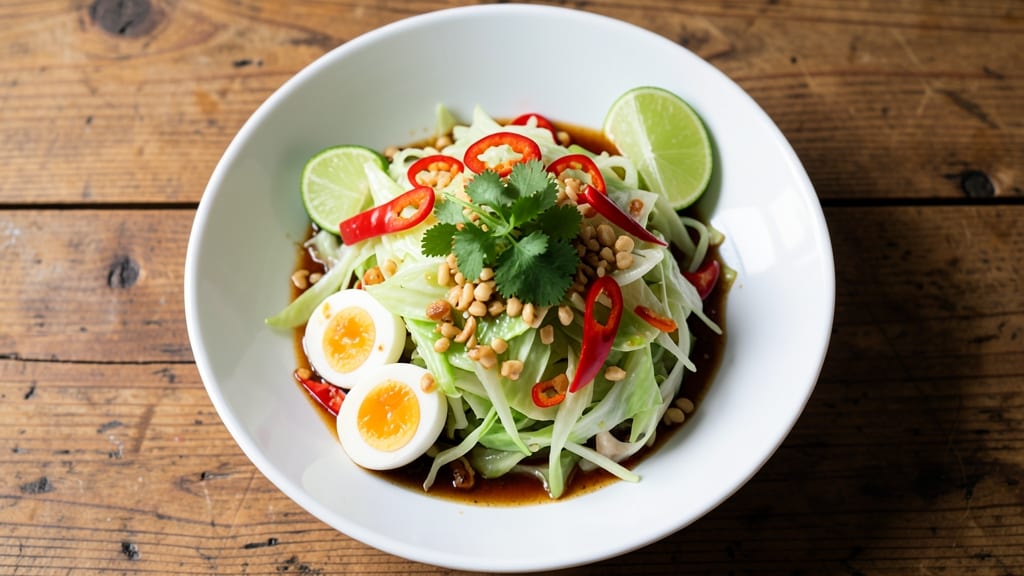
This Vietnamese cabbage and egg recipe delivers the perfect balance of crisp-tender greens and silky soft eggs, a dish that's both comforting and deeply rooted in tradition.
The secret lies in quick stir-frying the cabbage with garlic and chili, then gently poaching eggs in the same fragrant pan—a technique that transforms simple ingredients into something extraordinary.
I first discovered this dish during a trip to Hanoi, where it became a morning staple for its ability to start the day with vibrant flavors and satisfying textures.
The magic happens in the timing: cabbage gets just enough heat to soften without losing its satisfying crunch, while the eggs poach in the residual oil, absorbing all those aromatic flavors.
This dish is more than just breakfast—it's a celebration of Vietnamese home cooking, where fresh herbs and bold spices create harmony in every bite. The result is a plate that's as visually appealing as it is delicious, with bright green cabbage and perfectly runny yolks that tie everything together.
What makes this recipe truly special is its versatility—serve it as a light breakfast, a quick lunch, or even a side dish for grilled meats. The dish pairs beautifully with steaming hot rice or fresh baguettes, and a side of pickled vegetables adds the perfect tangy contrast.
Whether you're cooking for yourself or sharing with family, this recipe delivers restaurant-quality results with minimal effort and maximum flavor.
Once you try this Vietnamese-inspired dish, you'll understand why it's a beloved staple across the country. The combination of textures—crisp cabbage, tender eggs, and aromatic seasonings—creates a meal that's both simple and unforgettable. Let's get cooking and bring a taste of Vietnam to your kitchen!
Ingredients for vietnamese cabbage and egg
Fresh cabbage, tender eggs, and bold aromatics—this Vietnamese breakfast brings Hanoi flavors to your morning table.
| Ingredient | Amount | Notes |
|---|---|---|
| Green Cabbage 🥬 | 1 lb | Thinly shredded, outer leaves removed |
| Large Eggs 🥚 | 4 whole | Fresh, room temperature preferred |
| Garlic Cloves 🧄 | 3 cloves | Minced, aromatic variety |
| Red Chili Peppers 🌶️ | 2 whole | Thinly sliced, Thai or Fresno |
| Fish Sauce 🍶 | 1 tbsp | Vegetarian alternative (soy sauce) |
| Lime Juice 🍋 | 1 tbsp | Freshly squeezed |
| Sugar 🍚 | 1 tsp | White granulated |
| Vegetable Oil 🫒 | 2 tbsp | Neutral flavor, high smoke point |
| Fresh Cilantro 🌿 | ¼ cup | Chopped, for garnish |
| Salt 🧂 | ½ tsp | Kosher or sea salt |
| Black Pepper 🌶️ | ¼ tsp | Freshly ground |
| Steamed White Rice 🍚 | 2 cups | For serving, jasmine preferred |
The cabbage is non-negotiable here—look for heads with crisp, vibrant green leaves and no yellowing. I grab mine from Asian markets where they keep it extra fresh, but the regular grocery store stuff works too if you use it within a day or two. Thai or Fresno chilies bring the perfect heat, but any red chili works in a pinch. For the eggs, room temperature makes all the difference—they poach more evenly and hold their shape better. If you're short on time, just take them out of the fridge 10 minutes before cooking. The fish sauce? Vegetarian soy sauce is your best bet if you're avoiding fish products, but if you're okay with it, a splash of traditional fish sauce adds incredible depth.
No fish sauce? Soy sauce with a pinch of sugar mimics the umami punch. Running out of limes? Lemon juice works in a bind, though it's a little less bright. The sugar is key—it balances the acidity and heat, so don't skip it. For the oil, vegetable or canola are neutral and work great, but if you've got sesame oil, a teaspoon mixed in adds another layer of flavor. The cilantro is optional but adds that fresh, bright finish. If you're not a cilantro fan, basil or mint can step in for a different vibe. And if you're making this for a crowd, double the cabbage and eggs—it disappears fast.
Cabbage stays crisp for 3-4 days in the fridge if you keep it dry in a bag, but it's best used fresh. Eggs? Use within 3 weeks for optimal texture. The cooked dish reheats beautifully—just warm it gently in a pan or microwave with a splash of water to keep everything tender. I like to prep the cabbage and seasonings the night before so breakfast is a breeze. Store leftovers in the fridge for up to 3 days, though I rarely have any—this dish is too good to last that long.
Why You'll Love This Recipe
- No-Fuss Freshness: I swear by this when I’m too tired to chop much—just shred the cabbage, crack eggs, and toss it all in one pan. The cabbage wilts fast, and the eggs cook right in the sizzling garlic-chili oil. Honestly, it’s the kind of dish that makes me feel like I actually cooked something.
- Umami Magic: That fish sauce and chili combo? It’s a flavor bomb. The eggs get this glossy, savory crust from the garlic and chili oil, while the cabbage soaks up just enough to make every bite addictive. Between us, it’s the kind of taste that lingers—like a little Vietnamese restaurant in my kitchen.
- Lunchbox Hero: Pack it cold or at room temp—it’s perfect for work lunches or school lunches. The eggs stay firm, the cabbage holds its crunch, and the dressing keeps it all cohesive. My kid still asks for it every time, even though he pretends to hate veggies.
- Pantry Staple Power: Five ingredients, all cheap and lasting. I’ve made this with whatever eggs and cabbage were on sale, and it never feels like a sacrifice. Plus, leftovers? They reheat like a dream—just a quick stir-fry, and it’s back to that fresh-off-the-pan taste. My wallet and my taste buds thank me.
Step-by-step instructions for Vietnamese cabbage and egg
Here's how to make this perfect balance of crisp cabbage and silky eggs—simple steps for big flavor.
Prepare the Cabbage and Aromatics
Start by removing the outer leaves from the 1 lb green cabbage and thinly shred the remaining leaves into a large bowl. You want strips about ¼-inch wide—this ensures they'll cook quickly and stay crisp-tender. In a small bowl, combine the 3 cloves minced garlic, 2 whole red chili peppers (thinly sliced), 1 tbsp fish sauce, 1 tbsp lime juice, and 1 tsp sugar. Mix well and let it sit for 5 minutes while you prep the rest.
This marinade is key—it tenderizes the cabbage and adds that signature tangy, slightly sweet flavor. If you're using Thai or Fresno peppers, you'll get a nice heat without overpowering the dish. I like to taste the marinade at this stage to adjust seasoning before it touches the cabbage.
Cook the Cabbage Until Crisp-Tender
Heat 2 tbsp vegetable oil in a large wok or skillet over medium-high heat until shimmering. Add the shredded cabbage in a single layer and stir-fry for 3-4 minutes until it just begins to wilt but still holds its shape. This is crucial—overcooking turns it mushy, and you want that perfect crisp-tender texture.
Once the cabbage is slightly softened, pour the garlic-chili marinade over it and toss everything together. Cook for another 2-3 minutes until the cabbage is bright green and the liquid has mostly evaporated. The cabbage should be bright, glossy, and still slightly crunchy—this is your target texture. Remove from heat and set aside.
Prepare the Silky Soft Eggs
While the cabbage cooks, crack the 4 whole large eggs into a small bowl and whisk vigorously until the yolks and whites are fully combined. This ensures the eggs cook evenly and become that signature silky, custardy texture. Keep the bowl nearby—you'll want to add the eggs to the wok immediately after removing the cabbage.
Here's the thing—timing matters. The residual heat from the cabbage will help cook the eggs gently without scrambling them. If you're worried about the wok being too cool, you can heat it for 30 seconds over medium heat before adding the eggs.
Combine and Finish the Dish
Return the wok to medium heat and add the whisked eggs. Stir gently but constantly with a spatula, folding the eggs as they begin to set. You want them to cook just until they're soft and barely set—think of them like a thick, creamy custard rather than fully scrambled. This should take about 1-2 minutes. The eggs should still look slightly runny in the center when you're done.
Once the eggs are just set, add the cooked cabbage back to the wok and toss everything together. Sprinkle with 0.5 tsp salt and 0.25 tsp black pepper, then remove from heat. The residual heat will finish cooking the eggs to perfection while keeping the cabbage crisp-tender.
Serve Over Steamed Rice
Divide the 2 cups steamed white rice among four bowls. Spoon the cabbage and egg mixture over the rice, making sure each serving gets a generous portion of both. Garnish with 0.25 cup chopped fresh cilantro just before serving—this adds a bright, fresh finish that cuts through the richness of the eggs.
Serve immediately while the eggs are still silky and the cabbage retains its crisp-tender bite. The dish is even better the second day, but the eggs won't be as soft—so enjoy it fresh! This recipe serves 4, and each bite delivers that perfect balance of textures and flavors that makes it so addictive.
Pro Tips For Making Vietnamese Cabbage And Egg
- STIR-FRY CABBAGE FAST: I used to take my time with this step, but the cabbage needs to go from raw to tender in under 3 minutes on high heat—any longer and it turns mushy. Cut it into even 1-inch ribbons first, then work in batches if needed. (Yes, even if you're impatient like me.)
- CRACK EGGS HOT: The eggs should hit the pan when it's still smoking hot—this guarantees that creamy, runny center. Drop them in right after the garlic-chili oil sizzles, then immediately push them to the edges to let the cabbage cook underneath. No waiting.
- SALT THE CABBAGE: Toss the shredded cabbage with a pinch of salt (about ½ teaspoon) and let it sit for 5 minutes before cooking. This draws out moisture, so it crisps up better in the pan. (I learned this the hard way—wet cabbage steams instead of sears.)
- DILUTE FISH SAUCE: Mix the fish sauce with 1-2 teaspoons of water before adding it to the pan—this prevents a harsh, overpowering flavor. A splash of lime juice at the end balances it even more. (Sounds weird, but it works: the dish tastes lighter and brighter.)
Regional styles of this dish
Hanoi Street Style
This is the classic version you'll find at street-side stalls in Hanoi, where vendors stir-fry cabbage with garlic, chili, and fish sauce, then poach eggs in the same pan.
The key here is using Thai or Fresno chilies for that signature heat, and serving it immediately over steaming jasmine rice. I remember my first time eating this at a bustling market—vendors would toss the cabbage and eggs together right in front of you, creating that perfect crisp-tender texture.
The dish is often paired with a side of pickled vegetables to balance the richness of the eggs. 🌶️
Saigon-Inspired Twist
In Ho Chi Minh City, they often add a touch of sweetness to complement the tangy fish sauce. Try adding ½ tsp of sugar to the cabbage marinade and finishing with a drizzle of hoisin sauce before serving.
The city's version also sometimes includes shredded carrots mixed into the cabbage for extra crunch. I love this variation because it adds a subtle complexity that makes the dish even more satisfying. For an extra Saigon touch, garnish with crushed peanuts on top.
Northern Mountain Adaptation
In the cooler mountain regions like Sapa, they use more garlic and chili to cut through the chill, and often serve it with cornbread instead of rice. The cabbage is sometimes mixed with bitter melon for a unique twist.
I've found that adding 1 extra clove of garlic and an extra ½ tsp of chili flakes gives a nice rustic kick. This version is heartier and perfect for breakfast or a light lunch when you need something filling but still fresh.
Modern Urban Fusion
For a contemporary take, many urban Vietnamese chefs in cities like Da Nang are experimenting with fusion elements. Try adding shrimp or scallops to the cabbage mixture for extra protein, or top the dish with crispy fried shallots and a sprinkle of sesame seeds.
I've also seen versions where the eggs are replaced with soft tofu for a vegetarian option. The modern approach keeps the traditional flavors but adds exciting textures and presentations that appeal to younger generations.
Southern Delta Variation
The Mekong Delta region often incorporates more herbs and coconut into their dishes. For this recipe, try adding ½ cup shredded coconut to the cabbage marinade and finishing with fresh mint leaves. The delta's version also sometimes includes grated coconut meat mixed into the rice for a tropical twist.
I find this variation particularly refreshing, especially when paired with a side of mango slices for a sweet contrast to the savory cabbage and eggs.
Vegetarian-Friendly Adjustments
To make this dish fully vegetarian, simply replace the fish sauce with soy sauce and add 1 tsp of sugar to balance the flavors. You can also enhance the dish with mushrooms or tofu for added texture.
I've found that adding ½ cup sliced shiitake mushrooms along with the cabbage gives a nice umami depth. This vegetarian version is just as flavorful and satisfying, proving that traditional Vietnamese flavors can be enjoyed by everyone. 🌱
Nutrition facts
Frequently asked questions
Can I substitute regular cabbage for green cabbage?
Yes, but green cabbage is preferred for its crisp texture and milder flavor. If you only have regular cabbage, remove the tough outer leaves and use the inner, lighter green leaves. For extra tenderness, you can briefly blanch the cabbage in boiling water for 1 minute before stir-frying. The texture won't be identical, but it'll still work well.
How do I get the perfect silky eggs?
The secret is gentle heat and constant stirring. Whisk the eggs thoroughly first, then cook them over medium-low heat while folding with a spatula. They should be just set with slightly runny centers—like soft scrambled eggs. If they start to scramble too quickly, reduce the heat immediately. The residual heat from the cabbage helps cook them gently without overcooking.
What if I don't have fish sauce?
No problem! Use soy sauce as a substitute, but add ½ tsp extra sugar to balance the flavors. For a vegetarian version, soy sauce works perfectly. If you're using a different sauce, taste as you go and adjust seasoning. The key is to maintain that tangy, slightly sweet profile that complements the cabbage and eggs.
Can I make this dish ahead of time?
You can prep components in advance, but it's best served fresh. Cook the cabbage mixture up to 1 day ahead and store it in the fridge. Reheat gently in a pan with a splash of water to maintain crispness. For the eggs, cook them fresh when ready to serve—they lose their silky texture when reheated. Assemble everything just before eating for the best results.
What's the best way to serve this dish?
This dish is traditionally served over steaming jasmine rice to soak up all the delicious flavors. For extra authenticity, pair it with pickled vegetables (like daikon and carrot) to add a tangy contrast. A side of fresh herbs like mint or cilantro also works beautifully. In Vietnam, it's often enjoyed with a cup of strong Vietnamese coffee or green tea.