
Breakfast & Brunch
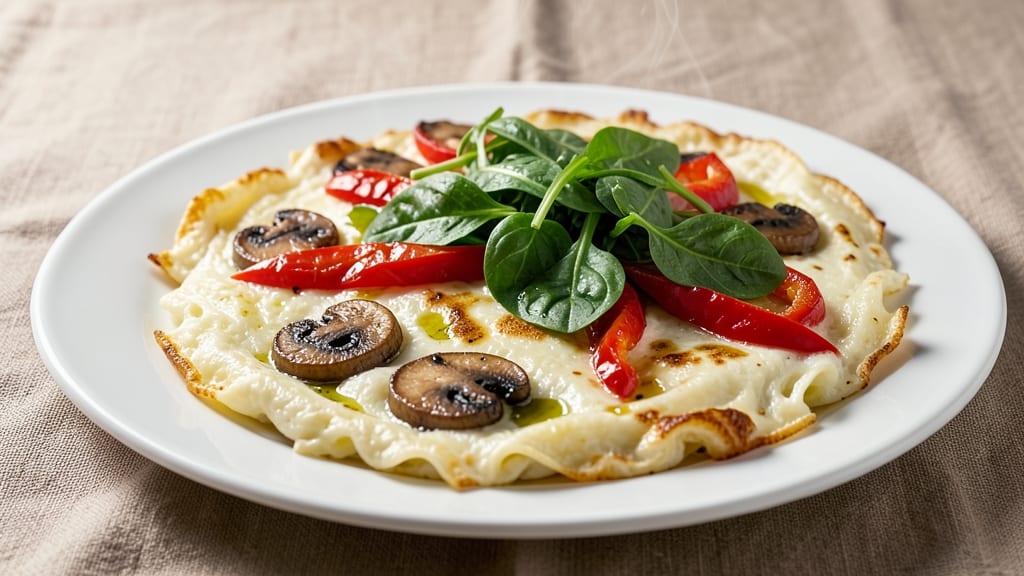
This veggie egg white omelette recipe delivers a fluffy, protein-packed breakfast in just 10 minutes—no heavy cream or butter needed. The secret lies in whipping egg whites properly and cooking them low and slow, creating a cloud-like texture that’s both light and satisfying.
I’ve tested this with spinach, mushrooms, and bell peppers, but the veggie combo is completely flexible to suit your taste.
The beauty of this recipe is its simplicity: no fancy equipment, just a nonstick pan and a whisk. The egg whites provide 14 grams of protein per serving without the fat, while the sautéed vegetables add fiber and vitamins.
The key to fluffiness? Whipping the egg whites until they form soft peaks before folding in the veggies—this ensures a tender, airy result every time.
By the time you’re done, you’ll have a golden, slightly crispy omelette with a velvety interior, packed with your choice of vegetables. The aroma of garlic and herbs wafting from the pan will have you reaching for seconds.
This is the kind of breakfast that keeps you full for hours while keeping calories in check.
Perfect for meal prep or a quick weeknight breakfast, this omelette reheats beautifully and can be customized with cheese, hot sauce, or avocado. Let’s get started—your protein-packed morning awaits.
Ingredients for veggie egg white omelette
Eight simple ingredients transform into a fluffy, protein-packed omelette in minutes—no butter or heavy cream needed.
| Ingredient | Amount | Notes |
|---|---|---|
| Large Egg Whites 🥚 | 8 whole | Freshly separated, room temperature |
| Red Bell Pepper 🌶️ | ½ cup | Diced, any color variety |
| Spinach 🌿 | 2 cups | Fresh, roughly chopped |
| Mushrooms 🍄 | ½ cup | Sliced, cremini or white |
| Garlic Cloves 🧄 | 2 cloves | Minced, fresh preferred |
| Extra-Virgin Olive Oil 🫒 | 1 tbsp | For sautéing vegetables |
| Diamond Crystal Kosher Salt 🧂 | ¼ tsp | For seasoning vegetables |
| Freshly Ground Black Pepper 🌶️ | ⅛ tsp | For seasoning vegetables |
| Fresh Chives 🌱 | 2 tbsp | Chopped, for garnish |
| Nutritional Yeast 🧀 | 1 tbsp | Optional, for cheesy flavor |
| Red Pepper Flakes 🔥 | ½ tsp | Optional, for heat |
| Lemon Juice 🍋 | 1 tsp | Freshly squeezed, for brightness |
Egg whites are the star here, so grab the freshest you can find—Carton labels should say 'pasteurized' for safety. Trader Joe's and Whole Foods carry high-quality options, but any store's refrigerated section works. The vegetables can be prepped ahead (I usually chop them the night before), but keep the spinach separate until cooking to avoid wilting. For the garlic, roasting it first adds a sweet depth—just toss minced cloves with olive oil and bake at 400°F for 10 minutes. The nutritional yeast adds that cheesy kick without dairy, and Bob's Red Mill brand is my go-to for the best flavor.
No red bell pepper? Zucchini or asparagus work beautifully—just adjust the sauté time since they release more moisture. Fresh spinach wilt fast, so frozen chopped spinach (thawed and drained) is a great backup. Running short on egg whites? Add 1 tbsp aquafaba (chickpea brine) per egg white to improve volume. The lemon juice can be swapped for a pinch of white wine vinegar in a pinch. For extra protein, fold in 1/4 cup cooked quinoa at the end. And if you're missing the nutritional yeast, white miso paste adds umami depth at half the amount.
Egg whites keep best in their original carton for 28 days once opened, but I usually use them within 5 days. Store the chopped veggies in an airtight container with a paper towel to absorb moisture—they'll stay fresh for 3 days. This omelette reheats beautifully: 20 seconds in the microwave or 3 minutes in a dry skillet over low heat. For meal prep, portion into individual containers and freeze for up to 3 months—just add a splash of water to the pan when reheating to prevent sticking.
Why You'll Love This Recipe
- No-Fuss Assembly: I swear by this one—just chop the bell pepper and mushrooms while the egg whites whip in seconds. No measuring, no fuss, and honestly, the hardest part is deciding which veggie to use up first.
- Garlic-Kissed Magic: That minced garlic sizzling in the pan? It transforms this into something ridiculously good—savory, bright, and just a little punchy. The spinach wilts perfectly, soaking up all the flavor without turning mushy.
- Lunchbox Hero: Between us, this is my go-to for meal prep. Fold it into thirds, pack it with a sprinkle of salt, and it stays fresh for days. My kids (and husband) grab it straight from the fridge—no reheating needed.
- Budget Breakfast Boost: Egg whites alone keep costs low, but the veggies stretch it further. A single red bell pepper and a handful of mushrooms feed four for under $5. Plus, it’s protein-packed enough to keep me full until dinner.
Step-by-step instructions for fluffy veggie egg white omelettes
Here's how to create light, airy omelettes with perfect texture and vibrant veggie flavors—ready in just minutes.
Prep and Sauté the Vegetables
Heat the 1 tablespoon extra-virgin olive oil in a 10-inch nonstick skillet over medium heat. Add the 0.5 cup sliced mushrooms and cook for 3-4 minutes until they release their moisture and begin to soften. Push them to one side of the pan and add the 0.5 cup diced red bell pepper to the empty space.
Cook the bell pepper for 2 minutes until it starts to soften and develop color. Add the 2 cloves minced garlic and stir for 30 seconds until fragrant. Sprinkle with 0.25 teaspoon Diamond Crystal kosher salt and 0.125 teaspoon freshly ground black pepper, then toss everything together. Remove from heat and set aside—we'll finish cooking the veggies later when the omelettes go in.
Whisk Egg Whites to Peak Softness
In a large bowl, whisk the 8 whole large egg whites with a fork or electric mixer until they're completely combined. Add the 1 tablespoon nutritional yeast (if using) and 0.5 teaspoon red pepper flakes (if using) and whisk again to distribute evenly. The mixture should be smooth with no visible streaks.
This is where the magic happens—I like to add a splash of 1 teaspoon lemon juice at this stage for brightness and to help stabilize the egg whites slightly. Whisk in the lemon juice, then fold in the 2 cups roughly chopped spinach using a spatula. The spinach will wilt slightly as it incorporates, but that's perfect—it'll rehydrate beautifully in the omelette.
Cook the Omelettes in Two Batches
Wipe out the skillet with a paper towel to remove any excess oil, then return it to medium-low heat. Pour half of the egg white mixture into the pan, tilting to spread evenly. Let it cook undisturbed for 2-3 minutes until the edges begin to set and the top looks slightly dry to the touch.
Here's the thing—don't rush this step. You'll know it's ready when the edges lift easily and the center still looks slightly glossy. Gently fold the omelette in half, then add the sautéed mushrooms and bell pepper mixture to one half. Fold again to enclose the filling, then slide onto a plate. Repeat with the remaining egg whites.
Finish with Fresh Herbs and Serve
Return the skillet to low heat and add the folded omelettes back in for 30-60 seconds to warm through completely. This final touch ensures everything is piping hot when served. Transfer to plates and garnish immediately with 2 tablespoons chopped fresh chives for a pop of color and freshness.
Serve these omelettes right away while they're still warm and fluffy. The nutritional yeast adds a subtle cheesy note, the red pepper flakes bring just a hint of heat, and the lemon juice keeps everything bright. Each bite should deliver that perfect balance of protein-packed egg whites with tender, flavorful vegetables—all in under 10 minutes from start to finish.
Pro Tips For Making Veggie Egg White Omelette
- Preheat Pan Like It’s 1987: Egg whites scramble fast—get that nonstick pan smoking hot (medium-high, not medium) before adding a drizzle of oil. I used to rush this and end up with a sad, rubbery omelette. Trust me, the sizzle is your friend here.
- Wilt Spinach First: Toss the spinach in the pan before the egg whites—just until it collapses and releases its water. Then push it to one side and pour in the eggs. This keeps your omelette from turning into a soggy mess, and the spinach stays vibrant, not drowned.
- Chop Mushrooms Small: Thin, even slices (about 1/8-inch) cook faster and soak up flavor better than big chunks. I learned this after staring at half-cooked mushroom lumps in my first attempt—now they crisp up perfectly without stealing all the heat from the eggs.
- Salt the Egg Whites: Mix in a pinch of salt (about 1/4 teaspoon per 4 egg whites) before whipping. It’s non-negotiable—plain egg whites taste flat, and this small step makes the texture tighter and the flavor brighter. (Yes, even if you’re using salted veggies.)
Common mistakes when making your veggie egg white omelette
Overwhisking the Whites
I’ve seen so many people whip egg whites until they reach stiff peaks, but that’s the fastest way to dense, rubbery omelettes. For fluffiness, stop at soft peaks—when you lift the whisk, the whites should hold their shape but still droop slightly.
Overwhisking introduces too much air, which collapses during cooking. I use a hand mixer on low speed for 30-45 seconds after the whites form soft peaks. 💫
Skipping the Heat Adjustment
Medium-high heat sounds tempting, but it’s the enemy of tender egg whites. They brown too quickly on the outside while staying raw inside, or worse, they turn rubbery. Always use medium-low heat—just enough to see gentle bubbles forming on the surface.
If your pan isn’t nonstick, use low heat to prevent sticking. I’ve ruined omelettes by rushing this step, so trust the process.
Adding Veggies Too Early
Tossing in spinach or mushrooms before the egg whites cook creates soggy centers. The veggies release moisture, which steams the whites instead of letting them set properly. Cook the veggies separately first, then fold them into the omelette after the whites have just begun to set.
For spinach, I wilt it first by sautéing for 30 seconds—just until it’s vibrant but not mushy.
Folding Too Aggressively
Vigorous folding traps air pockets, leading to uneven texture. Instead, use a spatula to gently fold the omelette in half like a letter, then add the filling to one side before folding again.
Think "light touch"—you’re not making a burrito. I’ve seen omelettes split open because someone folded too tightly. The goal is to enclose the filling without compacting the whites.
Ignoring the Resting Step
Transferring omelettes to a plate too soon causes them to deflate. Let them rest in the pan for 30-60 seconds on low heat to redistribute heat evenly. This keeps them plump and prevents the filling from oozing out.
I’ve learned this the hard way—skipping this step means a sad, flat omelette. A quick check with a spatula ensures the center is fully set before serving.
Using Cold Egg Whites
Cold egg whites whip poorly and cook unevenly. Always use room-temperature whites—let them sit in your bowl for 5-10 minutes before whipping. I keep a bowl of warm water nearby to speed this up if I’m in a hurry.
Cold whites also cause the omelette to stick to the pan, making folding nearly impossible. Trust me, this small step makes a huge difference in texture.
Nutrition facts
Frequently asked questions
Can I make this omelette without nutritional yeast?
Nutritional yeast adds a cheesy flavor, but you can skip it or substitute with 1 tablespoon white miso paste for umami depth or 1/4 teaspoon turmeric for color and earthiness. The egg whites will still taste clean and protein-rich—just add a pinch of salt to compensate for the missing depth.
How do I keep the egg whites from sticking to the pan?
Use a 10-inch nonstick skillet and ensure it's properly heated on medium-low heat before adding the egg whites. A light coat of olive oil (just a drop) helps too, but too much oil can make the omelette greasy. If sticking happens, your pan may need seasoning or you're using too high heat.
Can I make these omelettes ahead of time?
Yes, but they're best eaten fresh for maximum fluffiness. For meal prep, cook the omelettes, cool completely, then store in an airtight container for 2 days in the fridge. Reheat in a dry skillet over low heat for 3-4 minutes or microwave for 20 seconds. For freezing, wrap individually in plastic wrap and freeze for up to 3 months—thaw overnight in the fridge.
What's the best way to fold an omelette without breaking it?
Use a long spatula to gently fold the omelette in half like a letter—start from the center and work outward. Avoid pressing down hard, which can squeeze out moisture. For extra security, fold one-third at a time: first fold in half, then fold the sides inward. The key is patience—rushing causes cracks and filling leaks.
Can I use frozen vegetables in this recipe?
Frozen veggies work great if properly thawed and drained! Use 1 cup frozen chopped spinach (thawed and squeezed dry) and 1/2 cup frozen diced bell peppers (sautéed until tender). Avoid pre-cooked frozen veggies—they'll make the omelette soggy. For mushrooms, fresh is best, but frozen sliced mushrooms work if cooked thoroughly to remove excess moisture.