
Soups & Stews
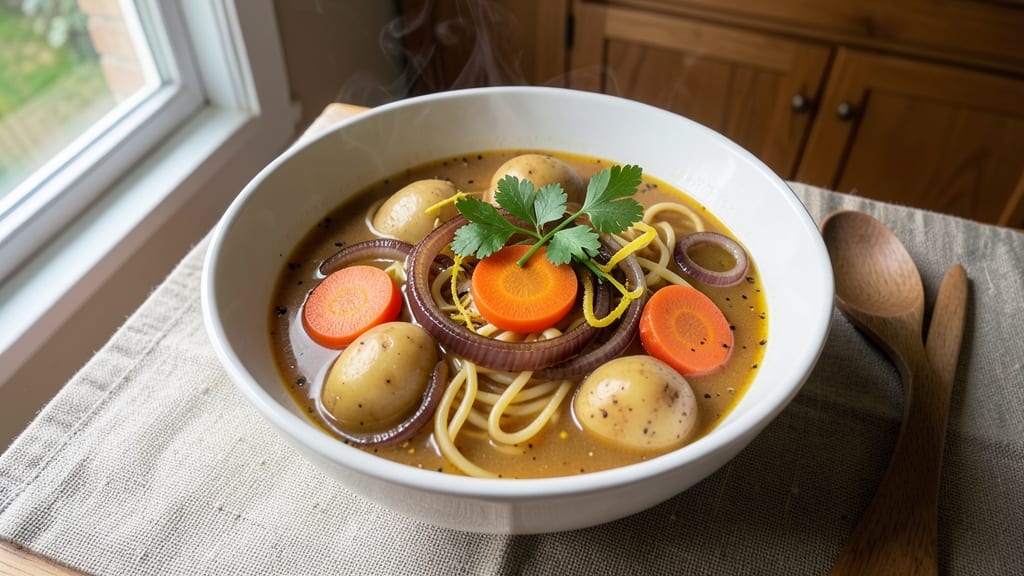
This vegetable soup with egg noodles recipe delivers the ultimate comfort in a bowl—creamy potatoes, sweet carrots, and tender noodles simmered in a savory broth that warms you from the inside out.
The secret lies in balancing earthy vegetables with just the right amount of garlic and herbs, creating a harmony that makes every spoonful satisfying. Perfect for chilly evenings or busy weeknights, this soup is hearty enough to stand alone but versatile enough to pair with crusty bread.
The beauty of this recipe is its simplicity: minimal prep, one-pot cooking, and ingredients you likely already have in your pantry. We start by sautéing onions and garlic until fragrant, then add diced carrots and potatoes to build a flavorful base.
A splash of vegetable broth and a bouquet of fresh herbs transform these humble ingredients into a rich, aromatic foundation. The egg noodles cook directly in the pot, absorbing all those delicious flavors as they soften.
What you’ll end up with is a creamy yet light soup where tender vegetables and perfectly cooked noodles glide through a velvety broth. The potatoes break down just enough to thicken the soup naturally, while the carrots add a touch of sweetness that balances the savory notes.
Garnish with fresh parsley or a drizzle of olive oil for a touch of brightness and color—because even simple dishes deserve a little extra care.
This recipe is vegetarian-friendly and ready in under 45 minutes, making it ideal for meal prep or last-minute dinners. The leftovers reheat beautifully, and the flavors deepen overnight, proving that comfort food doesn’t have to be complicated. Let’s get cooking!
Ingredients for vegetable soup with egg noodles
Probably have most of this already—just fresh herbs and a few pantry staples.
| Ingredient | Amount | Notes |
|---|---|---|
| Yellow Onion 🧅 | 1 whole | Diced into small pieces |
| Garlic Cloves 🧄 | 3 cloves | Minced for aromatic base |
| Carrots 🥕 | 3 medium | Peeled and sliced into rounds |
| Russet Potatoes 🥔 | 2 medium | Peeled and cubed evenly |
| Vegetable Broth 💧 | 4 cups | Low-sodium preferred |
| Egg Noodles 🍜 | 8 oz | Medium or wide egg noodles |
| Fresh Parsley 🌿 | ¼ cup | Chopped for garnish |
| Extra-Virgin Olive Oil 🫒 | 2 tbsp | For sautéing vegetables |
| Fresh Thyme 🌿 | 1 tbsp | Leaves only, chopped |
| Fresh Bay Leaves 🌿 | 2 whole | For depth of flavor |
| Salt 🧂 | 1 tsp | Kosher or sea salt |
| Black Pepper 🌶️ | ½ tsp | Freshly ground preferred |
| Vegetable Oil 🫒 | 1 tbsp | For extra richness |
The carrots and potatoes are the stars here. Organic carrots at Whole Foods or the regular grocery store work fine—just make sure they're firm and bright. Russet potatoes are ideal because they break down nicely, but Yukon Golds add a touch of creaminess if you prefer. For the broth, Pacific Foods or Imagine brands are my go-to for low-sodium options. The egg noodles? Barilla or De Cecco are my favorites—they hold up better than the cheap store brands. If you can't find egg noodles, whole wheat pasta works in a pinch, but the flavor won't be quite the same.
No fresh thyme? Dried thyme at one-third the amount gets you close. Skip the bay leaves? Fresh rosemary at half the amount adds a nice twist. Running low on vegetable broth? Water plus vegetable bouillon cubes works, but add an extra pinch of salt. The olive oil matters here—use something fruity and peppery. California Olive Ranch or Trader Joe's brands are solid choices. For extra richness, stir in a splash of vegetable oil at the end—it won't break the soup but adds a nice sheen. The parsley is just for garnish, so dried works if you're in a bind.
This soup tastes even better the next day—honestly, the flavors meld overnight. Keeps for 4-5 days in the fridge, freezes for 3 months. I double the batch and freeze half for lazy days. To reheat, just warm on the stove with a splash of broth or water. Garnish with fresh parsley or a drizzle of olive oil right before serving—trust me on the fresh parsley. The noodles might get a little soft when reheated, but they're still delicious.
Why You'll Love This Recipe
- I swear by this trick: chop the onion and carrots while the potatoes boil—no knife skills required. The broth softens everything anyway, so rough edges disappear into hearty goodness.
- No-Chop Night: I swear by this trick: chop the onion and carrots while the potatoes boil—no knife skills required. The broth softens everything anyway, so rough edges disappear into hearty goodness.
- Garlic-Potato Magic: That crispy potato edge when it hits the broth? Chef’s kiss. The garlic cloves, lightly toasted first, add a depth that turns this from "soup" to "I’ll make it again tomorrow" in one bite.
- Leftovers That Don’t Suffer: Honestly, this soup improves overnight. The noodles soak up extra flavor, and the potatoes get even creamier. I’ve reheated portions for breakfast (yes, really) and no one bats an eye.
Step-by-step instructions for cozy vegetable soup with egg noodles
Here's how to create a hearty, comforting soup that brings out the natural sweetness of potatoes and carrots.
Sauté the Aromatic Vegetable Base
Heat the 2 tablespoons extra-virgin olive oil and 1 tablespoon vegetable oil together in a large pot over medium heat. Add the 1 whole yellow onion and cook for 5 minutes until it becomes translucent and just starting to soften. This is where all the deep, savory flavors begin to develop.
Add the 3 cloves minced garlic and 1 tablespoon chopped fresh thyme to the pot. Stir for 30 seconds until you can smell that irresistible aromatic punch—this is your flavor foundation. If you notice the garlic starts to brown too quickly, reduce the heat slightly to medium-low to prevent burning. The goal is fragrant, not charred.
Cook the Root Vegetables Until Tender
Add the 3 medium carrots and 2 medium russet potatoes to the pot, stirring to coat them in the aromatic oil. Pour in the 4 cups vegetable broth, making sure all the vegetables are submerged. Bring the mixture to a gentle boil, then reduce the heat to medium-low and let it simmer uncovered for 15 minutes.
You'll know it's ready when the carrots are fork-tender and the potatoes are soft enough to pierce easily with a knife. Stir occasionally to prevent sticking—this is when the vegetables absorb all those beautiful flavors from the broth and aromatics. The soup should be bubbling gently, not rolling hard.
Season and Simmer the Soup
Add the 2 whole fresh bay leaves, 1 teaspoon salt, and ½ teaspoon black pepper to the pot. Stir gently to distribute the seasoning evenly. Let the soup continue simmering for another 10 minutes to allow all the flavors to meld together. This is the moment when everything comes together—where the broth becomes infused with vegetable sweetness and the seasonings become perfectly balanced.
Taste the soup and adjust the seasoning if needed. If it needs more salt, add it gradually—you can always add more, but you can't take it out. The soup should be flavorful but not overwhelmingly salty. The bay leaves will add that subtle, earthy depth that makes this soup truly special.
Cook and Finish with Egg Noodles
Add the 8 ounces egg noodles to the pot and stir gently to distribute them evenly. Increase the heat to medium-high and bring the soup back to a boil. Once boiling, reduce the heat to medium and let the noodles cook for 8-10 minutes, stirring occasionally, until they're al dente—just slightly firm to the bite. Overcooking will make them mushy, so keep an eye on them.
When the noodles are perfectly cooked, remove the 2 whole fresh bay leaves (they've done their job) and stir in the ¼ cup chopped fresh parsley. This final step brightens up the soup with freshness. Let the soup sit off the heat for 2-3 minutes to allow the flavors to settle together—this resting period makes a noticeable difference in how all the elements come together.
Pro Tips For Making Vegetable Soup With Egg Noodles
- Sweat the Onion First: I used to rush the onion and garlic, throwing them in with the broth. Now I sweat them in a dry pot with a splash of water for 8-10 minutes until they’re translucent and just starting to caramelize—this builds flavor that’ll carry through the whole soup. (Yes, it smells like your kitchen’s about to take over, but it’s worth it.)
- Cut Potatoes Uniformly: Russets break down unevenly, so chunk them into 1.5-inch cubes—no smaller, or they’ll turn to mush. I learned this the hard way when my soup ended up like glue. A sharp knife and steady hand make this faster than you’d think.
- Salt the Broth Early: Taste the vegetable broth right after adding it to the pot—adjust the salt before adding potatoes or noodles. Potatoes absorb liquid like sponges, and you’ll end up with bland soup if you wait. A pinch of salt now guarantees seasoning that actually matters.
- Cook Noodles Separately: Tossing raw egg noodles into the soup and hoping they cook is a gamble. Boil them for 2-3 minutes less than package instructions, then add them to the hot soup at the end. They’ll finish cooking in the broth without turning to paste. (Trust me, your soup will thank you.)
Perfect pairings for vegetable soup with egg noodles
Bread Pairings
This soup is a match made in heaven with crusty sourdough or freshly baked baguettes. The crusty exterior soaks up every last drop of broth while the soft interior contrasts beautifully with the creamy vegetables.
I like to serve it with a garlic butter spread—just mix 2 tablespoons softened butter with 1 minced garlic clove and a pinch of salt. For a lighter option, try whole-grain rye—its nutty flavor complements the soup’s earthiness. 🥖
Cheese Additions
Add a sprinkle of grated Parmesan or Pecorino Romano for a salty, umami boost. I recommend ¼ cup freshly grated right before serving—it melts slightly into the hot soup without curdling. For a vegetarian-friendly twist, try vegan feta or nutritional yeast for a cheesy flavor without dairy.
A dollop of ricotta or goat cheese on top adds creaminess that pairs perfectly with the egg noodles.
Herb Garnishes
Fresh herbs elevate this soup instantly. Beyond the parsley, try chopped dill for a bright, citrusy note or basil for a sweeter, more aromatic finish. I also love adding thinly sliced chives or green onions for a pop of color.
If you’re feeling fancy, a drizzle of lemon zest adds a refreshing contrast to the hearty flavors. 🌿
Topping Ideas
For extra texture, stir in toasted breadcrumbs or crispy fried shallots—they add a satisfying crunch. A sprinkle of smoked paprika or red pepper flakes gives it a subtle kick.
I sometimes top mine with crumbled bacon for a smoky depth, even though the soup is vegetarian. For a lighter touch, try edible flowers or microgreens for a restaurant-worthy presentation.
Drink Pairings
A crisp white wine like Sauvignon Blanc or Pinot Grigio cuts through the richness beautifully. For beer lovers, a light lager or wheat beer complements the soup’s freshness. If you prefer non-alcoholic options, sparkling apple cider or iced hibiscus tea adds a refreshing contrast.
A warm chamomile tea pairs perfectly with the cozy flavors on colder days. 🍷
Nutrition facts
Frequently asked questions
Can I make this soup without egg noodles?
Swap the egg noodles for whole wheat pasta, rice noodles, or even quinoa for a gluten-free option. The cooking time will vary—pasta typically needs 8-10 minutes in boiling water, while quinoa takes 15 minutes in broth. For a lighter touch, try adding brown rice or millet instead.
Why does my soup turn out watery?
Watery soup usually means the vegetables released too much liquid or the broth wasn't reduced enough. Try mashing a few potatoes with a fork to thicken the broth naturally, or simmer uncovered for 5-10 extra minutes to evaporate excess liquid. For a creamier texture, stir in 2 tablespoons cornstarch mixed with 1 tablespoon cold water and simmer for 2 minutes.
Can I add meat to make it non-vegetarian?
Yes! Brown ½ pound ground turkey, chicken sausage, or diced ham with the onions and garlic. For a lighter option, try shredded rotisserie chicken or diced bacon (cooked until crispy, then removed and crumbled on top). Just reduce the broth by ½ cup to balance the added moisture from the meat.
How do I make this soup ahead of time?
This soup actually tastes better the next day! Cook it completely, then store in an airtight container in the fridge for up to 5 days. For freezing, cool completely, portion into ziplock bags, and freeze for 3 months. Reheat gently on the stove with a splash of broth or water—stirring occasionally to prevent sticking.
What if I don't have fresh herbs?
No problem! Use ½ teaspoon dried thyme (instead of 1 tablespoon fresh) and ¼ teaspoon dried parsley (instead of ¼ cup fresh). For bay leaves, ½ teaspoon ground bay seasoning works in a pinch. If you're missing thyme entirely, oregano or marjoram add a similar earthy note. Just remember dried herbs are more concentrated!