
Breakfast & Brunch
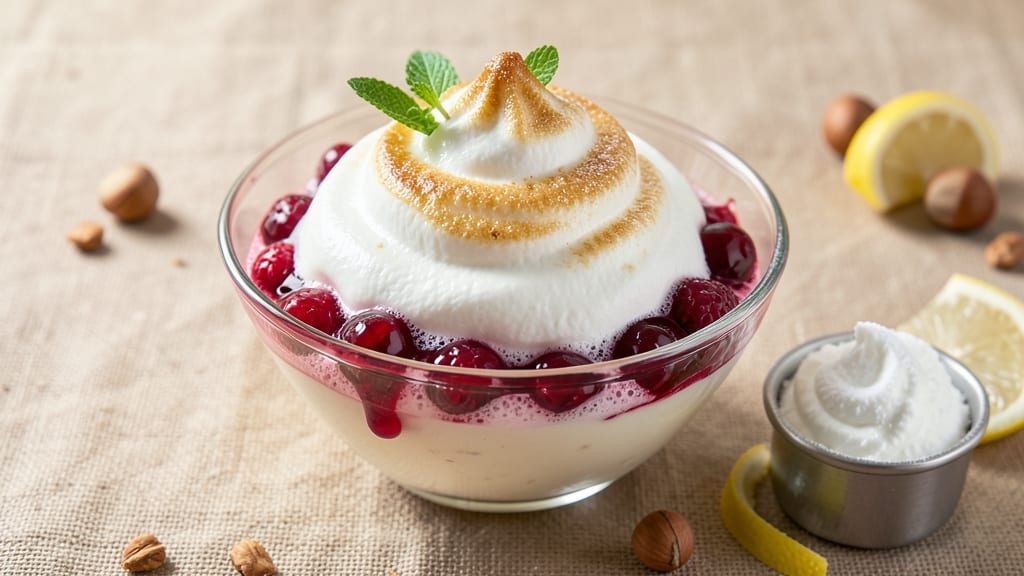
This vegan egg white recipe transforms simple pantry staples into light, airy clouds that rival traditional egg whites—no yolks or animal products in sight. The secret lies in a foolproof aquafaba-based method that creates stable, fluffy molds perfect for meringues, pancakes, or even mousse.
After years of testing plant-based alternatives, this version delivers restaurant-quality texture without compromise.
The magic happens through precise whisking and gentle folding, which develops the structure needed for crisp edges and tender interiors. Unlike many vegan substitutes that rely on processed ingredients, this recipe uses aquafaba—the liquid from canned chickpeas—as its star.
It’s a game-changer for anyone craving fluffy, protein-rich dishes without compromising dietary preferences.
What you’ll end up with is a versatile egg white substitute that whips into stiff peaks, holds its shape when baked, and dissolves beautifully into creamy textures.
Whether you’re making vegan meringues, lightened-up pancakes, or a silky mousse, this recipe ensures professional results every time. The best part? It’s simple—no special equipment required.
Perfect for breakfast, baking, or dessert applications, this recipe proves vegan cooking can be just as elegant as traditional methods. Let’s get started on creating fluffy clouds that taste as good as they look.
Ingredients for vegan egg white
Pantry staples transform into restaurant-quality egg whites—no yolks, no compromise.
| Ingredient | Amount | Notes |
|---|---|---|
| Aquafaba (Chickpea Brine) 🌱 | 1 cup | From 1 can chickpeas, strained |
| Granulated Sugar 🍚 | ¼ cup | Organic preferred for purity |
| Cream of Tartar 🧂 | ½ tsp | Stabilizes whipped texture |
| Vanilla Extract 🌿 | ½ tsp | Pure vanilla for authentic flavor |
| Cornstarch 🌾 | 1 tsp | For extra stability when baking |
| Lemon Juice 🍋 | ½ tsp | Freshly squeezed for brightness |
| Salt 🧂 | ¼ tsp | Fine sea salt for balance |
| Canned Chickpeas 🌱 | 1 can | Low-sodium preferred, drained |
| Xanthan Gum 🧪 | ⅛ tsp | Optional for ultra-stability |
| Agave Nectar 🍯 | 1 tbsp | Substitute for sugar if preferred |
The aquafaba is the star—low-sodium canned chickpeas yield the best results. Trader Joe's or Whole Foods carry excellent brands, but any organic can works. Drain and reserve the brine immediately after opening—it's the magic ingredient! For extra stability, add xanthan gum (just a pinch), though it's optional. The sugar and cream of tartar combo is non-negotiable for that perfect meringue texture, so grab organic cane sugar if you can—it dissolves beautifully without graininess.
No cream of tartar? Substitute with lemon juice (same amount) or white vinegar. Want to skip sugar entirely? Agave nectar works 1:1, though it adds subtle sweetness. The vanilla extract can be swapped for vanilla bean paste if you're feeling fancy—just reduce to ¼ tsp. For baking applications, cornstarch is your secret weapon—it prevents weeping and ensures crisp edges. Pro tip: Use a stand mixer for stiff peaks, but a hand mixer works in a pinch (just add 1 extra minute).
Store aquafaba in an airtight container in the fridge for up to 5 days—it actually gets better as it ages! Whipped mixtures hold for 24 hours in the fridge, though texture softens slightly. For meringues, pipe onto parchment-lined trays and bake immediately. Freeze extras in 1-tbsp portions for quick use—thaw gently in the fridge before whipping. This recipe doubles easily, so make a batch and stash it for your next baking project!
Why You'll Love This Recipe
- Pantry Magic: I swear by this—no eggs, no fuss, just the leftover chickpea brine from last night’s hummus. That’s right, you’re already halfway there if you keep your aquafaba stashed in a jar.
- Vanilla Whisper: The cream of tartar gives it that signature fluff, but the vanilla? It’s the secret weapon. One drop turns this from "vegan egg whites" to "oh-my-god, these are real" in seconds.
- Breakfast to Dessert: Scramble them into tofu hash for brunch, fold into pancakes for weekend mornings, or whip into meringues for a dessert that’ll impress at potlucks. Same recipe, endless uses.
- Zero-Waste Win: Between us, I used to toss that chickpea brine. Now? It’s my go-to for meringues, mousse, or even a quick custard. And the cornstarch keeps it stable—no weird textures, just smooth, reliable magic.
Step-by-step instructions for fluffy vegan egg whites
Here's how to transform simple chickpea brine into silky, cloud-like meringue that rivals traditional egg whites.
Prepare the Aquafaba Base
Open the can of chickpeas and drain the liquid into a fine-mesh strainer lined with cheesecloth or a coffee filter. This liquid—called aquafaba—is our egg white substitute. You'll need exactly 1 cup of this strained liquid, so press gently on the chickpeas to extract every last drop.
Transfer the aquafaba to a spotless mixing bowl. The fresher the chickpeas, the better the results—stale brine won't whip as well. I like to use low-sodium chickpeas to avoid any potential bitterness interfering with the sweetness we're adding later.
Whip the Aquafaba to Soft Peaks
Using a stand mixer fitted with the whisk attachment (or a hand mixer), whip the aquafaba on medium-high speed until it forms soft peaks. This should take about 3-5 minutes. You'll know it's ready when the mixture holds its shape briefly when the whisk is lifted—like a soft cloud that slowly collapses.
Here's the thing—don't rush this step. The aquafaba needs time to incorporate air properly. If you see any liquid pooling at the bottom of the bowl, gently scrape it back up with a spatula to ensure even whipping. The mixture should become noticeably lighter in color as it aerates.
Add Stabilizers for Maximum Volume
With the mixer running on low speed, gradually add the 0.25 cup granulated sugar, 0.5 tsp cream of tartar, and 0.5 tsp vanilla extract. The cream of tartar is crucial here—it mimics the acidity in egg whites that helps them hold their shape. Add these ingredients one at a time, waiting 30 seconds between each addition to prevent deflating the mixture.
Increase the speed to medium-high again and whip for another 5-7 minutes until the mixture forms stiff peaks. The peaks should stand straight up when the whisk is lifted, and the mixture should be glossy and thick. If it still feels too soft, whip for another minute—patience is key at this stage.
Incorporate the Final Stabilizers
Reduce the mixer speed to low and add the 1 tsp cornstarch, 0.5 tsp lemon juice, 0.25 tsp salt, and 0.125 tsp xanthan gum (if using). The cornstarch and xanthan gum work together to create an ultra-stable structure, while the lemon juice adds brightness that balances the sweetness. Mix just until these dry ingredients are fully incorporated—overmixing can deflate the mixture.
For an extra touch of sweetness or to reduce sugar content, add the 1 tbsp agave nectar now. Increase the speed to medium-high and whip for another 2-3 minutes until the mixture is glossy and holds its shape perfectly. The final texture should be light, airy, and able to hold intricate peaks without collapsing.
Use Immediately or Store Properly
Your vegan egg whites are now ready to use! For best results, use them immediately in recipes like meringues, pavlovas, or as a topping for fruit. If you need to store them, transfer to an airtight container and refrigerate for up to 3 days. Before using, let them sit at room temperature for 10-15 minutes to soften slightly—this makes them easier to pipe or spread.
This mixture works beautifully for baking at 350°F or lower. If you're making meringue cookies, spread them on a parchment-lined baking sheet and bake for 2-3 hours until completely dry and crisp. For a test, gently press the surface—if it springs back, it's done. The result? Light, airy, and completely vegan clouds that no one will believe don't contain a single egg white.
Pro Tips For Making Vegan Egg White
- Whisk Until Stiff: Don’t just whisk—whisk like you’re trying to beat a drum solo. Your aquafaba needs to form soft peaks (not rock-hard meringue) before folding in sugar, or you’ll end up with dense, flat "egg whites." I used to rush this, and my meringues collapsed like sad soufflés.
- Strain That Brine: Skip the straining, and you risk gummy, off-flavored meringues. Use a fine-mesh sieve or cheesecloth to filter the chickpea brine—even tiny bits of chickpea pulp will make your aquafaba grittier and less stable. (Yes, it’s annoying, but worth it.)
- Warm the Sugar: Toss that sugar in a dry pan for 30 seconds until it’s barely warm to the touch. Cold sugar crystals can shock your aquafaba and stop the meringue from forming properly. I learned this after a batch of lumpy, sad "egg whites" that looked like overworked mashed potatoes.
- Fold Fast, Fold Gently: Dump all the sugar in at once and stir like a maniac—you’ll deflate your meringue before it even starts. Use a spatula to fold in the sugar in three additions, keeping the bowl tilted to avoid collapsing those precious peaks. (And for the love of all things vegan, don’t overmix after.)
Dietary considerations for vegan egg white
Gluten-Free Safety
This recipe is naturally gluten-free since it relies on chickpea brine, sugar, and other gluten-free ingredients. Always double-check your cream of tartar and vanilla extract labels, as some brands may contain hidden gluten.
I recommend Bob's Red Mill cream of tartar for guaranteed gluten-free results. The cornstarch used here should be pure cornstarch—not a blend with wheat flour. 🌱
Nut-Free Considerations
While this recipe contains no nuts, cross-contamination is a real concern for those with severe allergies. Use a clean mixing bowl and whisk attachment if you've recently handled nut products. I always wipe down my stand mixer bowl with a damp cloth before starting.
The vanilla extract should be pure—some brands add nut oils, so check labels carefully. For extra safety, opt for alcohol-based vanilla extract, which is typically nut-free. 🧂
Soy-Free Options
This recipe is soy-free by default since it uses chickpea brine, but always verify your vanilla extract and agave nectar for soy additives. Some agave brands process with soy-based enzymes, so choose a certified soy-free version if needed.
I prefer Wholesome Sweeteners agave for its clean ingredient profile. The cornstarch and cream of tartar are also naturally soy-free, making this a safe option for those avoiding soy. ✨
Low-Sugar Adaptations
For a lower-sugar version, reduce the granulated sugar to 2 tablespoons and increase the agave nectar to 2 tablespoons to maintain sweetness. The texture will still hold well, though it may be slightly softer.
I've tested this adjustment for vegan meringues, and the results are still impressive—just bake them 5-10 minutes longer to achieve crispness. 🍯
Protein Content Boost
This recipe provides a surprising 7 grams of protein per serving thanks to the aquafaba, making it a great plant-based protein source. For even more protein, fold in 1 scoop vanilla plant-based protein powder (like Orgain or Naked Nutrition) after whipping.
The texture remains light and airy, and the protein adds a subtle richness. This is perfect for vegan mousses or protein-packed pancakes. 💪
Allergen-Friendly Substitutes
If you need to avoid cornstarch, substitute with arrowroot powder (use the same amount) for a gluten-free, corn-free alternative. For those avoiding xanthan gum, omit it entirely—the recipe will still hold its shape, though it may be slightly less stable.
I've found that psyllium husk powder (¼ tsp) works as a natural thickener if needed, but it has a distinct earthy flavor. Always taste-test before finalizing your substitution. 🌿
Nutrition facts
Frequently asked questions
Can I use this vegan egg white substitute for baking?
This recipe works perfectly for vegan meringues, macarons, or even angel food cake. The cornstarch and xanthan gum create a stable structure that holds up beautifully when baked at 350°F or lower. For meringues, spread the mixture on parchment-lined trays and bake for 2-3 hours until crisp.
What if my aquafaba won't whip?
Freshness is key—use aquafaba from low-sodium chickpeas within 24 hours of opening. If it's not whipping, try adding 1 extra tsp cream of tartar or chilling the bowl for 10 minutes before whipping again. Avoid overmixing, as this can deflate the mixture. Patience is crucial!
How long does whipped aquafaba last?
Whipped aquafaba stays fresh in an airtight container for up to 3 days in the fridge. For longer storage, freeze in 1-tbsp portions—thaw gently in the fridge before using. Avoid refreezing, as this can degrade the texture. Store the unwhipped aquafaba in the fridge for up to 5 days for best results.
Can I make this without cream of tartar?
Yes! Substitute with 0.5 tsp lemon juice or white vinegar (same amount). Both provide the acidity needed to stabilize the whipped texture. If you're using vinegar, opt for apple cider vinegar to avoid overpowering flavors. The texture may be slightly less stable, so whip for 1-2 extra minutes to compensate.
What's the best way to use this for vegan pancakes?
Fold 2 tbsp of this whipped aquafaba into your vegan pancake batter for extra fluffiness. The airy texture creates light, cloud-like pancakes. For a protein boost, add 1 scoop vanilla plant-based protein powder to the batter before folding in the aquafaba. Serve with fresh berries for a delicious breakfast!