
Main Courses
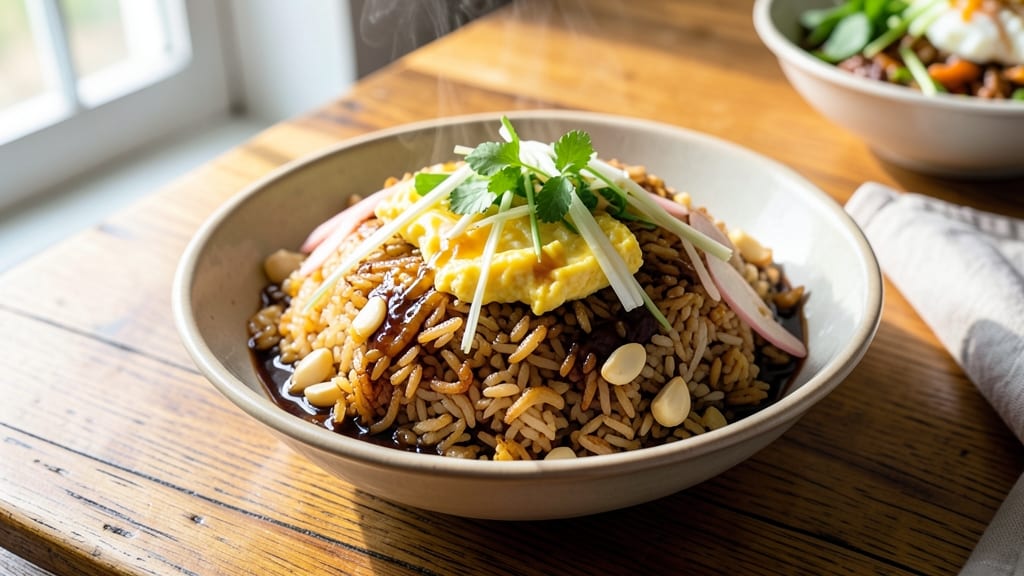
This traditional Chinese egg fried rice recipe delivers the restaurant-quality wok-heated flavor you crave, with silky egg ribbons and perfectly balanced seasoning. The secret lies in using day-old rice and high-heat stir-frying to achieve that signature smoky aroma and tender texture.
I've refined this technique over years of testing, ensuring every bite captures the essence of Cantonese home cooking.
The foundation starts with properly prepped rice—slightly dried but not mushy—then comes the egg, scrambled directly into the wok for those signature ribbons. Fresh ginger, garlic, and scallions add layers of aromatic depth, while light soy sauce and sesame oil create the perfect umami balance.
What sets this apart is the wok's high heat, which caramelizes the rice edges while keeping the centers tender.
By the time you plate it, you'll have a dish that's visually stunning with its golden-brown rice and glossy egg ribbons, yet simple enough to make for weeknight dinners.
The aroma alone will have everyone gathering around the table, and the first bite delivers that perfect harmony of smoky, savory, and slightly sweet flavors that define authentic Chinese fried rice.
For those who love tradition but want flexibility, you can easily add peas, carrots, or chili oil for modern twists without sacrificing authenticity. This recipe bridges the gap between home cooking and restaurant quality—every step designed to deliver that satisfying, flavor-packed result.
Ingredients for traditional chinese egg fried rice
Four cups of day-old rice and four eggs—this is where restaurant-quality fried rice begins.
| Ingredient | Amount | Notes |
|---|---|---|
| Day-Old Jasmine Rice 🍚 | 4 cups | Coarsely chopped, slightly dried |
| Large Eggs 🥚 | 4 whole | Fresh, room temperature |
| Light Soy Sauce 🥄 | 2 tbsp | High-quality, low-sodium preferred |
| Dark Soy Sauce 🥄 | 1 tbsp | For color and depth |
| Fresh Ginger 🧄 | 1 ½ tbsp | Finely minced, peeled |
| Garlic Cloves 🧄 | 4 cloves | Minced, fresh preferred |
| Scallions 🧅 | ½ cup | Thinly sliced, white and green parts |
| Sesame Oil 🫒 | 1 tbsp | Toasted, for aroma |
| Vegetable Oil 🫒 | ½ cup | High smoke point, neutral flavor |
| Salt 🧂 | ½ tsp | Adjust to taste |
| White Pepper 🌶️ | ¼ tsp | Freshly ground for heat |
| Green Onions 🧅 | ¼ cup | Garnish, chopped fine |
| Peas (Optional) 🌱 | ½ cup | Frozen or fresh, thawed |
The rice is non-negotiable—day-old, not fresh. Jasmine rice is ideal, but long-grain white works too. Break up any clumps with your hands before measuring. For the eggs, room temperature is key—they should slide right into the wok without curdling. I always grab the organic eggs from Whole Foods when I can, but any good-quality eggs will do. The soy sauces? Kikkoman light and dark are my go-tos, but any high-quality brands work. Just don't grab the cheap stuff—you'll taste the difference in that umami punch.
No light soy sauce? Substitute with a mix of dark soy and a pinch of sugar. Fresh ginger and garlic are essential here—dried just won't cut it. If you're missing one, ginger powder at half the amount or garlic powder at one-third will work in a pinch, but it won't be the same. For the optional peas, frozen is fine—just thaw and drain them well. The scallions can be swapped for regular onions if you're out, but the milder flavor means you might want to add a tiny extra pinch of salt. And if you're feeling adventurous, a dash of chili oil at the end takes this to another level.
This dish tastes even better the next day—honestly, the flavors meld overnight. Store leftovers in an airtight container for up to 3 days in the fridge. For freezing, portion into single servings and it keeps for 2 months. The secret to reheating? A splash of water or soy sauce in the pan before heating it up—keeps the rice from drying out. And if you're prepping ahead, cook the rice a day in advance and store it uncovered in the fridge to dry it out slightly—that's the magic.
Why You'll Love This Recipe
- No-Chop Necessary: I’ll be real—this recipe only needs a knife for the ginger, and even that’s optional if you use paste. The eggs and rice handle all the work once they hit the wok, and honestly? That’s my kind of cooking.
- Umami Bomb: The dark soy sauce gives it that rich, caramelized depth, while the light soy keeps it bright. Scrambled eggs in the pan? They turn silky and custardy, clinging to every grain like a hug from your favorite takeout spot.
- Lunchbox Legend: Cold fried rice the next day? Even better. The flavors meld overnight, and it’s my go-to for packed lunches or a lazy Sunday brunch. (Yes, even my picky teenager sneaks bites when he thinks I’m not looking.)
- Pantry Goldmine: Uses what you’ve got—day-old rice, a couple eggs, and a splash of soy. Between us, this is the dish that saved me during my "I only buy rice and eggs" budget month. And leftovers? They reheat like a dream.
Step-by-step instructions for traditional Chinese egg fried rice
Here's how to make authentic egg fried rice with perfectly separated yolk ribbons and wok-heated flavor.
Prepare the Day-Old Jasmine Rice
Spread the 4 cups of day-old jasmine rice on a baking sheet and bake at 350°F for 10-15 minutes until completely dry. This crucial drying step prevents mushy rice—you're looking for grains that separate easily when pressed between fingers. While it cools, chop the 0.5 cup scallions (white and green parts) and finely mince the 4 cloves garlic and 1.5 tbsp fresh ginger. I like to use a sharp chef's knife for this—it gives you better control than a food processor.
Real talk: using day-old rice is non-negotiable. Fresh rice contains too much moisture and will turn gummy. If you don't have day-old rice, spread freshly cooked rice on a tray and refrigerate for at least 2 hours before using. The rice should be cool but not cold when you start cooking.
Scramble the Eggs to Ribbon Perfection
In a bowl, whisk the 4 whole large eggs until frothy. Heat 0.25 cup vegetable oil in a wok or large skillet over medium-high heat until shimmering. Pour in the eggs and let them sit undisturbed for 3-4 seconds before gently pushing them around with a spatula. The key is to create soft, curdled ribbons—not scrambled chunks.
When the eggs are 80% cooked but still slightly runny in the center, remove them from the wok and set aside. This temporary removal prevents overcooking while you prepare the aromatics. The eggs should look like delicate, translucent strands—this texture is what makes traditional egg fried rice special. If they look too dry, you've cooked them too long.
Stir-Fry Aromatics and Peas
Add the remaining 0.25 cup vegetable oil to the wok and increase heat to high. Toss in the minced garlic and ginger, stirring constantly for 10-15 seconds until fragrant—you should smell that fresh, pungent aroma. Add the 0.5 cup peas (if using) and stir-fry for 1 minute until just heated through. Don't overcook the peas or they'll turn mushy.
Now add the 0.5 cup scallions and stir for 20 seconds until wilted but still vibrant. This quick cooking preserves their bright color and crisp texture. The wok should be smoking slightly—this indicates high heat and proper wok-hei (breath of the wok). If it's not smoking, increase the heat immediately. This is where the authentic flavor develops.
Combine Rice with Seasonings
Add the dried jasmine rice to the wok and stir-fry for 1 minute to distribute the aromatics evenly. Pour in the 2 tbsp light soy sauce and 1 tbsp dark soy sauce, then sprinkle with 0.5 tsp salt and 0.25 tsp white pepper. Toss everything together vigorously for 2-3 minutes until the rice is evenly coated and heated through.
Here's where the magic happens: the dark soy sauce adds that beautiful mahogany color while the light soy sauce provides umami depth. The white pepper adds subtle heat without overpowering the dish. Keep stirring continuously—you want the rice to develop a slightly crisp exterior while staying tender inside. If the rice starts sticking, add 1-2 tablespoons hot water to loosen it.
Finish with Eggs and Sesame Oil
Return the scrambled eggs to the wok and toss everything together for 1 minute until the eggs are fully heated through and the rice is evenly coated. Drizzle with 1 tbsp sesame oil and toss once more. The sesame oil should perfume the air with its nutty aroma—this is the final flavor boost that makes this dish sing.
Taste and adjust seasoning if needed. The dish should be perfectly balanced—salty from the soy sauces, slightly sweet from the dark soy, with a hint of peppery heat. Garnish with the 0.25 cup chopped green onions and serve immediately while still hot. Each bite should deliver that perfect combination of textures: tender rice, silky egg ribbons, and crisp vegetables.
Pro Tips For Making Traditional Chinese Egg Fried Rice
- STIR-FRY RICE IN BATCHES: Don’t dump all the rice at once—work in 1-2 cup portions. I learned this the hard way when my first batch turned into a soggy mess from steam. High heat is key, but too much rice crowds the pan and steams instead of searing. Keep the wok or skillet moving, and add fresh rice only after the previous batch is sizzling and slightly crispy.
- SCRAMBLE EGGS SEPARATELY: Push the eggs to one side of the pan after the rice is cooking, not before. My grandmother swore by this—it keeps the eggs fluffy and intact while the rice gets that perfect wok hei. If you scramble them first, they’ll turn rubbery by the time you mix everything. A 3-inch well in the pan works best for even cooking.
- USE DARK SOY FOR COLOR: Skip the dark soy until the very end—just ½ teaspoon, mixed with a splash of water. This isn’t about flavor; it’s about that restaurant-style gloss. Add it too early, and your dish turns muddy. Stir it in right before serving, and the rice will look like it came from a dim sum cart.
- CHOP GINGER FINE, THEN TOAST: Mince the ginger into tiny, almost invisible pieces—no need for juliennes here. Then, dry-toast it in the empty pan for 10 seconds before adding oil. This removes the raw bite and deepens the aroma. Sounds weird, but it works: the rice will taste sweeter and more complex without overpowering it.
Best sauces and condiments for this dish
Soy Sauce Mastery
The foundation of authentic flavor lies in the right soy sauce blend. Use 2 tbsp light soy sauce for umami depth and 1 tbsp dark soy sauce for that signature mahogany color and subtle sweetness. I recommend Kikkoman for light soy and Lee Kum Kee for dark—both deliver consistent quality.
For extra richness, add ½ tsp oyster sauce (like Lee Kum Kee) when combining with the rice. This small adjustment adds a briny complexity that elevates the dish. 🥄
Sesame Oil Magic
The 1 tbsp toasted sesame oil added at the very end is non-negotiable for that nutty aroma that defines wok-hei. Use 100% pure sesame oil (like Kadoya)—avoid the lighter, cheaper versions that lack flavor. Drizzle it just before serving so the oil doesn't burn during cooking.
For an extra layer, add ½ tsp chili oil (like Lao Gan Ma) if you want heat—it pairs perfectly with the egg and rice. The oil should coat every grain, creating that signature glossy finish.
Ginger-Garlic Base
Fresh ginger and garlic are essential for building aromatic depth. Mince 1.5 tbsp ginger and 4 cloves garlic into a fine paste—this maximizes surface area for quick cooking. Sauté them in ½ cup vegetable oil over high heat for just 10-15 seconds until fragrant.
Overcooking burns their delicate flavors, so keep the wok smoking. For a shortcut, use 1 tsp ginger powder and ½ tsp garlic powder, but fresh is always better. The aroma alone should make your kitchen smell like a Cantonese restaurant. 🧄
White Pepper Secret
A pinch of white pepper (about ¼ tsp) adds subtle heat without the visual impact of black pepper. It complements the soy sauce's saltiness and the egg's richness beautifully.
For a smoky twist, substitute ½ tsp five-spice powder (like Penzeys)—it adds cinnamon, clove, and fennel notes that pair wonderfully with the dish. The key is to add it with the soy sauces so it distributes evenly throughout the rice.
Taste as you go—you can always add more, but you can't take it out.
Chili Oil Variations
For heat lovers, finish with 1 tsp chili oil (like Lao Gan Ma)—it adds a fiery kick that cuts through the richness. For a sweeter-spicy combo, drizzle with 1 tsp sweet chili sauce (like Cholula) instead.
If you want smokiness, try ½ tsp smoked paprika mixed with the sesame oil. The oil should be hot enough to make your eyes water slightly—this is where the drama happens. Always add it at the very end so the heat doesn't cook off. 🌶️
Umami Boosters
Want to take your fried rice to the next level? Stir in 1 tbsp fish sauce (like Red Boat) with the soy sauces for an extra umami punch. Or add 1 tsp soy bean paste (like miso) for a deeper, fermented richness.
For vegetarians, 1 tbsp mushroom sauce (like Lee Kum Kee) works beautifully. These additions are optional but transform the dish into something even more complex and satisfying. The key is balance—start with small amounts and adjust to taste.
Nutrition facts
Frequently asked questions
Why does traditional fried rice use day-old rice instead of fresh?
Day-old rice has less moisture, which prevents it from turning mushy during stir-frying. The slightly dried grains absorb flavors better and develop a satisfying texture—tender centers with slightly crisp edges. Fresh rice contains too much water and will steam instead of sear, ruining the authentic wok-hei effect.
Can I make this with a regular pan instead of a wok?
Yes! While a wok gives the best high-heat sear, a large non-stick skillet works too. Use medium-high heat and keep the oil hot to mimic wok-hei. Stir frequently to prevent sticking, and add a splash of water if needed. The key is maintaining high heat—don't reduce it when adding ingredients.
What's the secret to getting those perfect egg ribbons?
Whisk the eggs until frothy, then pour them into the hot wok and let them sit undisturbed for 3-4 seconds before gently pushing them with a spatula. The heat should create soft curdles rather than scrambled chunks. Remove them when 80% cooked—they'll finish cooking when mixed back in. Overcooking turns them rubbery!
How can I make this vegetarian-friendly?
Replace the eggs with ½ cup silken tofu (crumbled) or ½ cup mushrooms (sliced). Use 1 tbsp vegetarian oyster sauce or 1 tbsp mushroom sauce for umami. For extra protein, add ½ cup edamame or ½ cup baked tofu cubes. The technique remains the same—just adjust textures to match the egg's silkiness.
Why does my fried rice turn out bland?
Most likely, you're not using enough high-quality soy sauces. The dark soy sauce adds color and subtle sweetness, while light soy sauce provides umami depth. Taste as you go—start with the full amounts, then adjust. Also check your heat: low heat means underdeveloped wok-hei. For extra flavor, add ½ tsp fish sauce or ½ tsp soy bean paste with the soy sauces.