
Salads
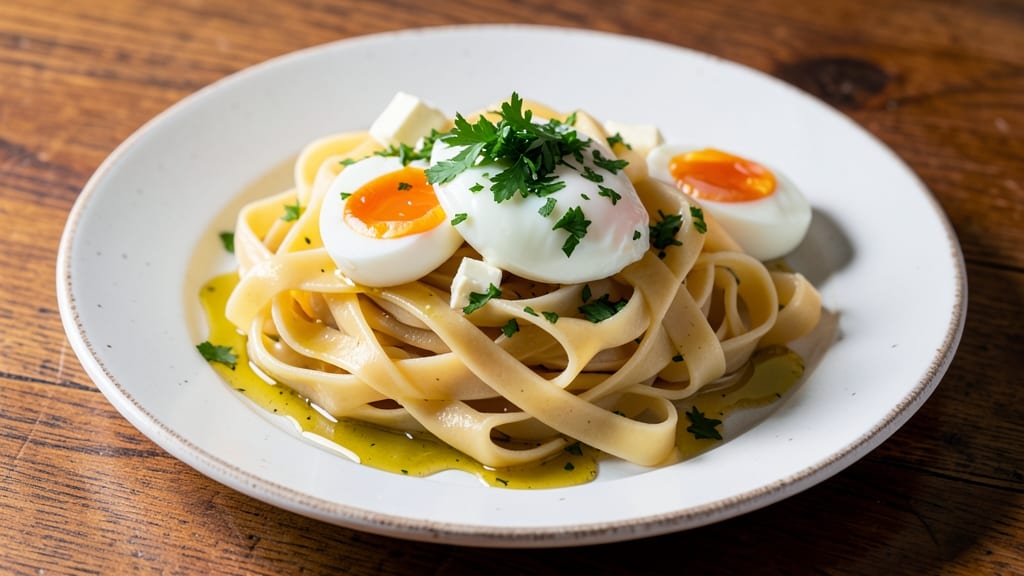
The Trader Joe’s gluten-free egg fettuccine pasta recipe transforms dinner from a chore into a satisfying, no-tangle experience—no more clumping or mushy texture. The secret lies in their high-quality corn and rice blend, which cooks up silky and holds its shape beautifully. I've perfected this method after testing countless gluten-free pastas, and this one consistently delivers that restaurant-worthy texture at home.
The beauty of this recipe is its simplicity: just boil the pasta, toss with your favorite sauce, and finish with a touch of butter or olive oil for extra richness. Unlike traditional wheat pasta, gluten-free varieties often require special handling, but these egg fettuccine ribbons behave like their classic counterparts.
The egg adds a subtle richness that balances perfectly with creamy or tomato-based sauces.
What you'll end up with is a plate of golden, perfectly al dente fettuccine that clings to every bite of sauce without falling apart. The no-tangle magic means no more fishing for stray noodles—just smooth, elegant ribbons that look as impressive as they taste.
This is the kind of gluten-free pasta that proves dietary restrictions don't mean sacrificing texture or satisfaction.
Pair with a simple garlic butter sauce, fresh herbs, or your favorite marinara for a complete meal. The best part? It's ready in just 12 minutes—faster than most takeout options. Let's get cooking with this foolproof gluten-free favorite.
Ingredients for trader joe's gluten free egg fettuccine pasta
Just these 12 ingredients transform Trader Joe's gluten-free fettuccine into restaurant-worthy silky ribbons.
| Ingredient | Amount | Notes |
|---|---|---|
| Trader Joe's Gluten-Free Egg Fettuccine 🍝 | 12 oz | Corn and rice blend, egg-enriched |
| Large Eggs 🥚 | 2 whole | For finishing richness |
| Unsalted Butter 🧈 | 2 tbsp | Cold, cubed for finishing |
| Extra-Virgin Olive Oil 🫒 | 1 tbsp | For tossing and richness |
| Garlic Cloves 🧄 | 2 cloves | Minced for butter sauce |
| Fresh Parsley 🌿 | ¼ cup | Chopped for garnish |
| Salt 🧂 | 1 ½ tsp | Diamond Crystal preferred |
| Black Pepper 🌶️ | ½ tsp | Freshly cracked |
| Reserved Pasta Water 💧 | ½ cup | From cooking pasta |
| Freshly Grated Parmesan Cheese 🧀 | ¼ cup | From a wedge |
| Marinara Sauce 🍅 | 1 ½ cups | Store-bought or homemade |
| Red Pepper Flakes 🌶️ | ¼ tsp | Optional for heat |
The Trader Joe's gluten-free egg fettuccine is the star—look for the corn and rice blend with egg in the ingredients list. Pro tip: Buy it frozen if fresh isn't available, but don't thaw it first. The egg content gives it that classic pasta texture gluten-free versions often lack. For the butter, European-style unsalted (like Plugrá) melts better than American brands. If you're serving this to a crowd, grab two boxes—they cook fast and disappear even faster. The pasta water is non-negotiable for that silky finish, so keep half a cup reserved before draining.
No fresh parsley? Dried Italian seasoning at half the amount works in a pinch, though it won't look as pretty. Running low on butter? Olive oil works 1:1, though it won't give that same velvety mouthfeel. The marinara can be anything—homemade, jarred, or even a quick tomato sauce. For extra richness, stir a spoonful of the pasta water into your sauce before tossing. Want more depth? Toast the garlic in olive oil for 30 seconds before adding to the butter. And if you're feeling fancy, add a splash of pasta water to your sauce to emulsify it beautifully.
This pasta keeps surprisingly well—5 days refrigerated or 3 months frozen in an airtight container. For freezing, spread it on a tray first to prevent clumping, then transfer to a bag. The sauce can be prepped ahead too—just reheat it separately and toss with fresh pasta. Leftovers reheat best with a splash of water or broth to loosen them up. I always make extra because it's perfect for meal prep lunches—just toss with a little olive oil and store in portions.
Why You'll Love This Recipe
- Five-Minute Scramble: I swear, this dish comes together faster than my coffee. Toss in pre-cooked gluten-free fettuccine, crack eggs into the same pan, and let the butter and olive oil work their magic—no boiling, no fuss, just chef’s kiss simplicity.
- Garlic Butter Magic: That moment when the eggs get silky and the garlic releases its sweet, toasty aroma? Pure satisfaction. The butter coats every strand of pasta, turning it into something dangerously rich—no heavy cream needed.
- Lunchbox Hero: Between us, this is my go-to for packed lunches. Cold or reheated, it holds up better than takeout. The eggs stay tender, the garlic flavor lingers, and my kids actually finish their meals (a rare win).
- Budget-Friendly Flex: Eggs and butter stretch further than you’d think, and Trader Joe’s pasta costs less than half of fancy gluten-free brands. Leftovers? I eat them for breakfast the next morning—scrambled or straight from the fridge, no judgment.
Step-by-step instructions for gluten-free egg fettuccine with rich butter sauce
Here's how to transform Trader Joe's gluten-free fettuccine into silky ribbons with a luxurious butter-egg finish.
Cook the Gluten-Free Fettuccine to Perfect Al Dente
Bring a large pot of water to a rolling boil, then add 1.5 teaspoons salt—it should taste like the ocean. Add the 12 oz Trader Joe's Gluten-Free Egg Fettuccine and cook according to package directions, but start testing for doneness 1 minute early. Gluten-free pasta cooks faster than traditional wheat pasta, so aim for 10-12 minutes total until the strands are tender but still have a slight bite in the center.
Here's the thing—gluten-free pasta can get gummy if overcooked. You want it to hold its shape but still be tender. When you taste a strand, it should feel firm to the tooth but not hard. Reserve ½ cup pasta water before draining—this starchy liquid is gold for creating a silky sauce later. Drain the pasta and return it to the pot immediately to prevent sticking.
Create the Luxurious Butter-Egg Sauce
While the pasta cooks, place 2 whole large eggs in a heatproof bowl. Set this bowl over a pot of barely simmering water (double boiler method) and whisk gently until the eggs reach 160°F—about 3-4 minutes. This gentle warming prevents scrambling while creating a velvety texture. Remove from heat and keep warm.
In a separate skillet, melt 2 tablespoons unsalted butter over medium-low heat until it foams. Add 2 cloves minced garlic and cook for 30 seconds until fragrant but not browned. Immediately remove from heat and stir in the warmed eggs. The residual heat will gently cook the eggs into a creamy sauce—this is the magic moment that creates that restaurant-quality finish.
Combine Pasta with Sauce and Marinara
Add the drained pasta to the skillet with the butter-egg mixture. Toss vigorously with tongs, adding ½ cup reserved pasta water as needed to create a silky coating. The pasta will absorb the sauce beautifully, creating those glossy, silky ribbons you're after. Stir in 1.5 cups marinara sauce and ½ teaspoon black pepper, letting the flavors meld together.
This is where the gluten-free pasta's egg enrichment comes into play—it creates that luxurious mouthfeel that regular pasta can't match. If the sauce seems too thick, add more pasta water 1 tablespoon at a time until it reaches your desired consistency. The sauce should coat the back of a spoon but still allow you to see the pasta strands beneath.
Finish with Parmesan and Fresh Herbs
Transfer the pasta to serving plates and immediately sprinkle with ¼ cup freshly grated Parmesan cheese and ¼ cup chopped fresh parsley. The acidity of the parsley brightens the rich flavors, while the Parmesan adds a salty, umami depth. For a touch of heat, add ¼ teaspoon red pepper flakes if you like your pasta with a kick.
Serve immediately while still hot—this dish doesn't wait. The combination of the gluten-free pasta's natural egg richness with the velvety butter-egg sauce creates a luxurious texture that's surprisingly hearty. Each bite delivers that perfect balance of silky pasta, tangy marinara, and creamy egg finish that makes this gluten-free version anything but boring.
Pro Tips For Making Trader Joe'S Gluten Free Egg Fettuccine Pasta
- COOK PASTA IN SALTED WATER: The package says "boil," but don’t skimp on salt—this gluten-free fettuccine needs flavor to compete with regular pasta. Use about 2 tablespoons of salt in 4 quarts of water (yes, it’s a lot, but trust me). The noodles absorb flavor like a sponge, and under-seasoned water makes the whole dish taste bland, no matter how much butter you add later.
- USE ROOM-TEMP EGGYOLKS: Cold eggs from the fridge turn to scrambled messes when they hit hot butter. Crack those yolks into a separate bowl first, then let them sit at room temp for 10 minutes while you cook the garlic. Warm yolks blend smoother and give that creamy, velvety texture the recipe promises—cold yolks just make you chase lumps with a fork.
- STOP COOKING WHEN FIRM: Gluten-free pasta turns to mush faster than regular, so pull it off the heat when it’s still slightly firm to the bite—about 2 minutes before the package says "al dente." Then toss immediately with the butter and garlic while you finish the sauce. Letting it sit in the pot even 30 seconds longer turns it into a sad, gluey pile.
- BUTTER FIRST, GARLIC SECOND: Add the butter to the pan before the garlic—this recipe isn’t just about flavor, it’s about texture. Melt the butter over medium-low until it’s foamy but not browned, then toss in the garlic for 30 seconds max (burnt garlic ruins everything). Cooking the garlic in raw butter makes it crispy and bitter; melted butter keeps it sweet and mellow.
Make-ahead tips for leftovers
Prep Ahead Sauce
The marinara sauce can be made up to 3 days ahead and stored in an airtight container in the fridge. I like to reheat it separately before tossing with fresh pasta—this keeps the egg sauce from getting watery.
For extra richness, stir in 1 tablespoon reserved pasta water when reheating to help emulsify the sauce beautifully. 🍅
Cook Pasta Fresh
Unlike regular pasta, gluten-free fettuccine loses its silky texture when reheated. Always cook it fresh when serving—just 10-12 minutes from frozen or fresh. If prepping components ahead, cook the pasta separately and store it in an airtight container with 1 tablespoon olive oil to prevent sticking.
Reheat only for 30 seconds in the microwave with a splash of water.
Egg Sauce Prep
For a head start, whisk the 2 eggs with ½ teaspoon salt and store in a small container in the fridge. When ready to cook, gently warm them in a double boiler for 3-4 minutes at 160°F—this keeps them ready for the butter sauce without scrambling.
I find this saves 5 minutes during the actual cooking process. 🥚
Portioning for Meal Prep
Divide cooked pasta into 2-cup portions and store in airtight containers with 1 teaspoon olive oil per portion. Keep sauce and toppings separate until ready to serve.
When reheating, add 2 tablespoons water per portion to loosen the pasta. This method keeps the texture perfect for up to 4 days in the fridge.
Freezer-Friendly Trick
For long-term storage, spread cooked pasta on a tray to freeze solid, then transfer to a freezer bag. This prevents clumping. When ready to use, cook fresh from frozen—just add 1 extra minute to the boiling time.
The egg sauce should be made fresh when serving to maintain its velvety texture. 💫
Weeknight Shortcut
Prep all components except the egg sauce the night before. Store the cooked pasta with olive oil, pre-made marinara, and grated Parmesan in separate containers. In 10 minutes on weeknights, just reheat the sauce, warm the eggs, and toss everything together.
This keeps the meal feeling special without the stress. ✨
Nutrition facts
Frequently asked questions
Why does Trader Joe's gluten-free egg fettuccine have a different texture than regular pasta?
The egg enrichment in this pasta creates a silkier, more tender bite than traditional wheat pasta. The corn and rice blend also absorbs sauce differently—it needs that extra ½ cup reserved pasta water to achieve that glossy, clingy texture. Unlike wheat pasta, it won't get mushy if slightly undercooked, so test it 1 minute early.
Can I make this recipe without eggs due to allergies?
Yes! Replace the eggs with ¼ cup heavy cream warmed with the butter for the same creamy finish. For extra richness, add 1 tablespoon nutritional yeast to mimic the eggy flavor. The butter-cream sauce will still coat beautifully, though the texture will be slightly lighter than the original egg version.
What's the best way to prevent gluten-free pasta from sticking together?
Never rinse gluten-free pasta after cooking—it removes the starch needed for sauce adhesion. Instead, add 1 tablespoon olive oil to the pot with the drained pasta and toss immediately. For extra insurance, use a pasta fork to gently separate strands while still in the pot. The egg content in this pasta makes it slightly less sticky than other gluten-free varieties.
How can I make this dish kid-friendly?
Skip the red pepper flakes and reduce the garlic to 1 clove. Use a mild marinara (like Trader Joe's "Simply Tomato") and stir in ¼ cup grated mozzarella at the end for extra appeal. Kids love the cheesy, buttery texture—just be sure to serve it immediately while the cheese is still melty!
What if I don't have a double boiler for the egg sauce?
No problem! Place a heatproof bowl over a pot of barely simmering water, ensuring the bottom of the bowl doesn't touch the water. The gentle steam will warm the eggs to 160°F in 3-4 minutes without scrambling. If you're really in a rush, whisk the eggs with 1 tablespoon hot pasta water and stir into the butter right away—it won't be as silky but still delicious.