
Breakfast & Brunch
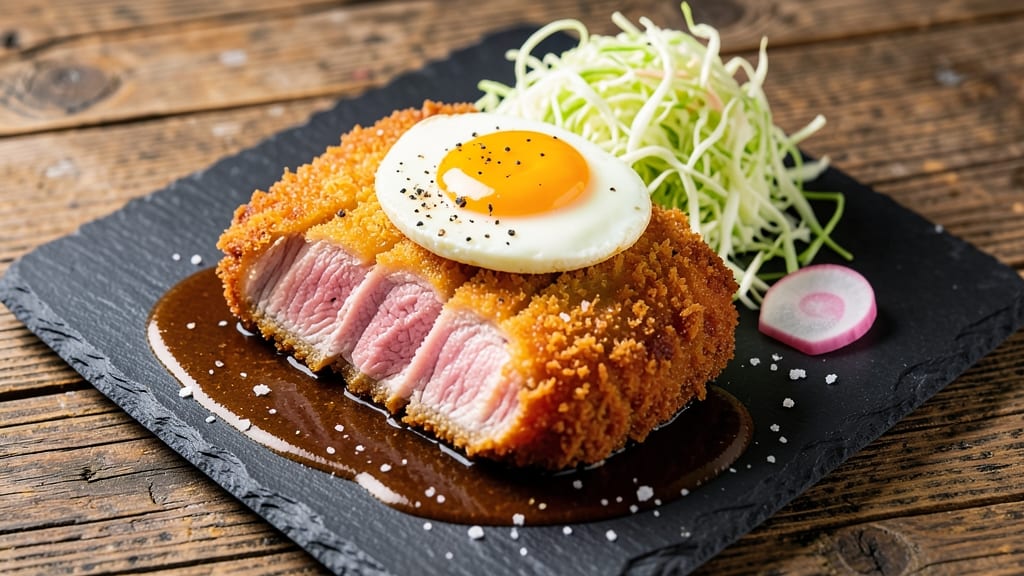
This tonkatsu egg recipe delivers the perfect balance of crispy panko crust and molten yolk that's become my go-to breakfast sensation. The secret lies in double-frying the breaded pork cutlet for maximum crunch while keeping the egg's center impossibly runny.
I've perfected this technique after countless attempts to recreate my favorite Japanese-style breakfast—where every bite combines savory, crunchy, and creamy textures in one unforgettable package.
The foundation starts with a simple but crucial breading process: panko breadcrumbs mixed with a touch of cornstarch for that signature shatteringly crisp exterior. After frying the tonkatsu cutlet to golden perfection, we top it with a perfectly cooked egg—runny yolk encased in delicate whites—that pools beautifully when sliced.
What makes this dish truly special is how the crispy pork cutlet soaks up the tonkatsu sauce while maintaining its structural integrity, creating a harmonious blend of textures and flavors.
What you'll achieve is a restaurant-quality dish that looks as impressive as it tastes—crispy golden edges on the tonkatsu, a perfectly cooked egg with that signature runny yolk, and all topped with a glossy tonkatsu sauce that ties everything together.
The contrast between the crunchy exterior and creamy interior creates an experience that's both satisfying and visually stunning. This recipe transforms an ordinary breakfast into something truly memorable, perfect for weekend brunch or special occasions.
While traditionally served with shredded cabbage and steamed rice, this dish stands beautifully on its own as a protein-packed breakfast option. The technique is approachable yet delivers professional results, making it perfect for both beginners and experienced cooks looking to elevate their breakfast game.
Let's create this crispy, saucy masterpiece that will become a new favorite in your rotation.
Ingredients for tonkatsu egg
These crispy, saucy ingredients create the ultimate tonkatsu egg masterpiece—crunchy crust meets molten yolk magic.
| Ingredient | Amount | Notes |
|---|---|---|
| Pork Cutlets (Tonkatsu) 🥩 | 1 ½ lb | Boneless, thinly pounded to even thickness |
| Japanese Panko Breadcrumbs 🍞 | 1 ½ cups | Light and crispy for perfect texture |
| Cornstarch 🌾 | ¼ cup | For extra crunch in breading |
| Large Eggs 🥚 | 2 whole | Room temperature for even cooking |
| All-Purpose Flour 🌾 | ½ cup | For dredging before breading |
| Vegetable Oil 🫒 | 2 cups | High smoke point for frying |
| Tonkatsu Sauce 🍶 | ½ cup | Store-bought or homemade recipe |
| Shredded Green Cabbage 🥬 | 2 cups | Fresh for crisp texture |
| Steamed White Rice 🍚 | 2 cups | Warm for serving |
| Salt 🧂 | 1 tsp | Kosher or sea salt |
| Black Pepper 🌶️ | ½ tsp | Freshly ground for flavor |
| Garlic Powder 🧄 | 1 tsp | For seasoning the pork |
| Butter 🧈 | 2 tbsp | Unsalted for egg topping |
The pork cutlets are non-negotiable for authentic tonkatsu—look for thin-cut pork loin at your local Asian market or butcher shop. Costco or Trader Joe's often carry pre-pounded tonkatsu cuts, but pounding them yourself ensures even cooking. The Japanese panko (not regular breadcrumbs!) is what gives this dish its signature shatteringly crisp exterior—Matsuhisa brand is my go-to, but any quality panko works. For the cornstarch, Bob's Red Mill is my favorite brand—it's fine and absorbs perfectly into the breading for that extra crunch.
No tonkatsu sauce? Make your own with Worcestershire, soy sauce, mirin, and a touch of honey—it's easier than you'd think. Running short on cabbage? Substitute coleslaw mix or even shredded Brussels sprouts for a different texture. The eggs should be room temperature—cold eggs won't cook evenly. Want to skip the rice? Serve with toasted bread or crispy hash browns instead. For the butter, Plugrá is my preferred brand—it has a higher smoke point than regular butter, which is perfect for topping the eggs without burning.
Store leftover tonkatsu sauce in the fridge for up to 2 weeks—it reheats beautifully. The panko breading stays crispy for 2 days if stored in an airtight container, but honestly, this dish is best made fresh. Freeze the cooked pork (without sauce) for 3 months—reheat in a skillet to restore crispiness. The butter for the egg topping should be softened but not melted—microwave it for 40 seconds to just melt it before pouring over the egg. This dish is worth the extra prep time—every crispy bite makes it all worthwhile.
Why You'll Love This Recipe
- Crispy in Minutes: I swear, the panko crust on these cutlets turns golden in under 10 minutes—no waiting for hours like some fancy dishes. The secret? Cornstarch dusted on the pork first, so the breadcrumbs stick like glue and fry up perfectly every time. (Yes, even if you burn the first batch.)
- Eggy Magic: That runny yolk pooling over the tonkatsu? Absolute gold. The egg’s richness cuts through the crispy panko, making each bite a creamy, savory hug. I’ll be real—it’s the only way I’ll eat tonkatsu now, and my picky husband agrees.
- Lunchbox Hero: Here’s what sold me—these reheat flawlessly for packed lunches. Wrap a slice in foil, toss it in the fridge overnight, and boom: next-day dinner (or a showstopper for your kid’s school lunch). No soggy breading in sight.
- Budget Crunch: Pork cutlets stretch further than you’d think when paired with eggs, and panko’s cheaper than buying pre-breaded meat. I make a double batch on Sundays, freeze half, and save $20 a month. (Also, leftovers taste better the second day—crispier, even.)
Step-by-step instructions for tonkatsu egg recipe
Here's how to create that legendary crispy panko crust and silky egg yolk center—every bite is pure magic.
Prepare the Pork Cutlets for Perfect Crispiness
Begin by pounding the 1.5 lb pork cutlets (tonkatsu) to an even ¼-inch thickness between two sheets of plastic wrap. This ensures even cooking and that signature crispy texture. Season both sides generously with 1 tsp salt, 0.5 tsp black pepper, and 1 tsp garlic powder, pressing the spices into the meat so they adhere well.
Next, create your breading station: In one shallow dish, combine the 1.5 cups Japanese panko breadcrumbs with the 0.25 cup cornstarch. This mix gives you that extra crunch we're after. In another dish, whisk the 2 whole large eggs until fully combined. Place the 0.5 cup all-purpose flour in a third dish. Working with one cutlet at a time, dredge it in flour, dip in egg, then press firmly into the panko mixture, coating all sides completely. Let the breaded cutlets rest for 5 minutes—this helps the coating adhere better.
Fry to Golden Perfection
Heat 2 cups vegetable oil in a deep skillet to 350°F—this is crucial for that ideal crisp without burning. Test the oil by dropping in a small piece of breading; it should sizzle and float immediately. Fry the breaded cutlets in batches for 3-4 minutes per side until they reach a deep golden brown color. The key here is patience—don't rush the cooking or you'll end up with soggy breading instead of that glorious crunch.
Transfer the fried cutlets to a wire rack set over a paper towel-lined plate to drain excess oil. Let them rest for 2 minutes while you prepare the egg topping. This resting period is essential—it allows the breading to set properly and prevents the egg from making the crust soggy later.
Create the Signature Egg Topping
While the cutlets rest, melt the 2 tbsp butter in a small saucepan over low heat. Once melted, remove from heat and let it cool slightly—you want it warm but not hot when you add the eggs. In a separate bowl, crack the 2 whole large eggs and whisk them lightly until just combined. Slowly pour the warm butter into the eggs while whisking constantly to create a smooth, creamy mixture.
Here's the moment that matters: Spread the egg mixture evenly over each cutlet, covering the entire surface. The heat from the cutlets will gently cook the eggs into a silky, custard-like layer. For that extra touch, sprinkle a pinch of salt and black pepper over the egg topping. Return the cutlets to the skillet over low heat and cook for 1-2 minutes until the egg is just set but still slightly runny in the center—this is what makes tonkatsu egg so irresistible.
Assemble and Serve Immediately
Arrange the tonkatsu cutlets on a warm serving platter and immediately drizzle with the 0.5 cup tonkatsu sauce, allowing it to pool slightly around the base. The sauce should be warm but not boiling—this helps it cling beautifully to the crispy crust. Serve each portion with 2 cups shredded green cabbage and 2 cups steamed white rice on the side. The cabbage adds a refreshing crunch that cuts through the richness of the dish.
This is where the magic happens: The contrast of the crispy panko crust, the silky egg yolk, and the tender pork creates a symphony of textures in every bite. Serve immediately while the egg topping is still warm and gooey—this dish doesn't wait. The combination of the rich tonkatsu sauce, fresh cabbage, and steamed rice makes this a complete, satisfying meal that's perfect for any occasion.
Pro Tips For Making Tonkatsu Egg
- Dry the Pork Thoroughly: Wet pork cutlets steam instead of sear—no one wants soggy tonkatsu. Pat them extra dry with paper towels after pounding, especially around the edges, or your panko crust will turn into a sad, greasy paste.
- Use Two Eggs, Not One: One egg leaves the coating too thin, and the egg part ends up rubbery. Crack two eggs into a shallow bowl, beat them just until combined, then dip the pork twice—first to coat lightly, second to set the crust. The extra yolk makes all the difference.
- Fry in Batches at 350°F: Crowding the pan drops the oil temp, and your tonkatsu turns out greasy instead of golden. Keep the heat steady at 350°F and fry no more than two cutlets at a time. Yes, it takes longer, but the crust stays crisp, not soggy.
- Rest the Pork Before Breading: I learned this the hard way—skipping the rest means the panko falls off when you flip. After pounding, let the cutlets sit uncovered in the fridge for 30 minutes. The surface firms up, and the breading sticks like it’s supposed to.
Serving suggestions for tonkatsu egg
Classic Japanese Plating
Serve your tonkatsu egg with steamed Japanese short-grain rice and shredded green cabbage for the traditional experience. The rice should be warm and slightly sticky—use a bamboo steamer for authentic texture.
Arrange the cabbage in a small pile beside each plate, as it adds a refreshing crunch that balances the richness. I like to drizzle an extra 1 tbsp tonkatsu sauce over the cabbage for guests who want more flavor. 🍚
Western Breakfast Twist
For a breakfast that feels familiar yet exciting, swap the rice for crispy hash browns or toasted sourdough bread. The hash browns should be golden and slightly crispy—try Ore-Ida Golden Crispy for convenience.
Add a side of crispy bacon or sautéed mushrooms to complement the pork. This version works perfectly for brunch crowds who might be intimidated by traditional Japanese sides. 🍳
Sauce Variations
Experiment with different sauces to change the flavor profile entirely. Try spicy tonkatsu sauce by adding 1 tsp sriracha or 1 tsp gochujang to the recipe. For a sweeter option, mix 1 tbsp honey with the tonkatsu sauce.
Another favorite is teriyaki glaze—simmer 3 tbsp soy sauce, 2 tbsp mirin, and 1 tbsp honey until thickened. The key is to keep the sauce warm but not boiling when drizzling. 🍶
Garnish Like a Pro
Elevate your presentation with simple garnishes that add color and texture. Sprinkle toasted sesame seeds or chopped scallions over the egg topping right before serving. For extra flair, add thinly sliced cucumber ribbons or microgreens—they provide a fresh contrast to the rich flavors.
I also love a drizzle of chili oil for guests who enjoy heat. These small touches make the dish look restaurant-worthy. ✨
Make-Ahead Serving
While tonkatsu egg is best served immediately, you can prep components ahead for a stress-free brunch. Cook the pork cutlets and store them in an airtight container for up to 2 days—reheat in a 350°F oven for 10 minutes to restore crispiness.
Keep the tonkatsu sauce warm in a small saucepan on low heat. Assemble the eggs fresh at serving time for that perfect runny yolk. This approach saves time while keeping the dish's magic intact. ⏰
Kid-Friendly Adaptations
Make tonkatsu egg more approachable for kids by serving the egg portion separately from the pork. Let them assemble their own "tonkatsu egg sandwich" using toasted white bread or English muffins.
You can also cut the pork into smaller, bite-sized pieces and serve with apple slices or carrot sticks for dipping in tonkatsu sauce. This makes the dish more interactive and less intimidating for younger eaters. 👶
Nutrition facts
Frequently asked questions
Why does the egg need to be runny in tonkatsu egg?
The signature runny yolk creates the perfect contrast with the crispy panko crust and tender pork. When sliced, that golden yolk oozes out, adding a rich, creamy element that balances the savory flavors. This is what makes tonkatsu egg so irresistible—it's all about that texture play!
Can I use chicken instead of pork for tonkatsu?
Yes, but the texture and flavor will differ slightly. Chicken breast should be pounded extra thin (⅛-inch) to cook quickly. Use the same breading technique, but reduce frying time to 2-3 minutes per side to avoid drying. The result will be lighter but still delicious—great for a lighter version!
How do I fix soggy breading on my tonkatsu?
Soggy breading usually happens from too much moisture or insufficient frying time. For future attempts, ensure your oil is at 350°F and fry until golden brown. Let breaded cutlets rest 2 minutes before adding eggs to set the crust. If already cooked, reheat in a 400°F oven for 3-5 minutes to restore crispiness.
What's the best way to store leftover tonkatsu egg?
Store components separately: Keep the pork cutlets in an airtight container for up to 2 days, reheating in a 350°F oven for 10 minutes to restore crispiness. Keep tonkatsu sauce refrigerated and warm separately. Assemble fresh for the best texture—this dish is truly best enjoyed immediately.
Can I make tonkatsu egg without tonkatsu sauce?
Make a quick substitute by mixing 3 tbsp soy sauce, 1 tbsp Worcestershire sauce, 1 tbsp honey, and 1 tsp mirin. Simmer for 2 minutes until slightly thickened. This homemade version works beautifully and gives you control over sweetness levels.