
Breakfast & Brunch
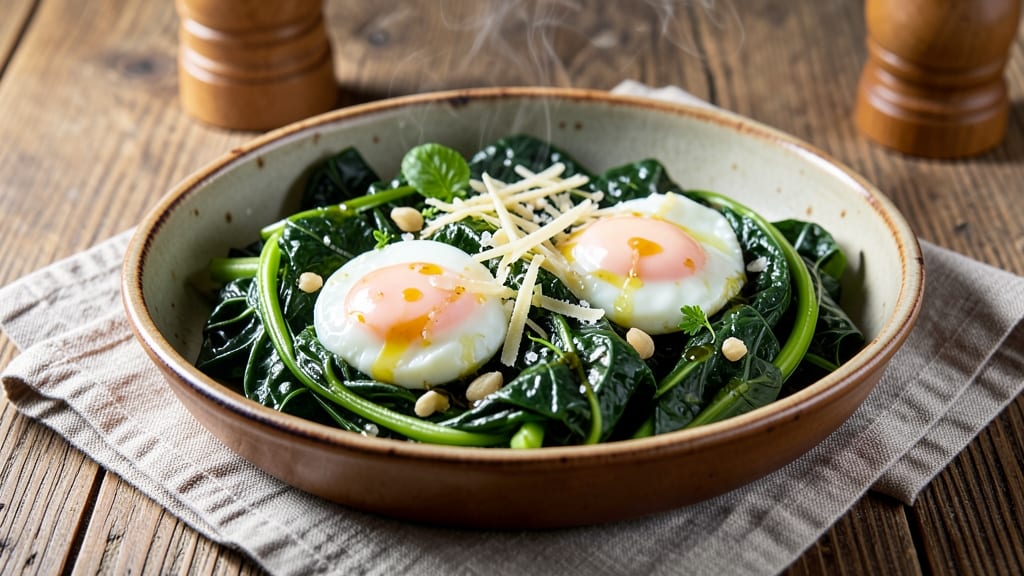
This Swiss chard and egg recipe transforms humble greens into a restaurant-worthy breakfast with just five ingredients and 15 minutes of hands-on time.
The secret lies in wilting the chard perfectly—soft enough to melt into fluffy eggs, but still vibrant enough to pack that earthy, slightly bitter punch that makes this dish so special.
I developed this recipe after realizing how often perfectly good Swiss chard went to waste in my fridge, and now it’s become my go-to when I need something hearty yet light for brunch.
The magic happens in the pan, where garlic-infused olive oil jumpstarts the flavor, and the eggs cook to silky perfection while absorbing the chard’s nutrients. Unlike heavy frittatas or dense omelets, this method keeps everything tender and bright, with just enough cheese to bind it all together.
What you end up with is a dish that’s equally at home on a weeknight breakfast table or as a sophisticated weekend brunch centerpiece—no one will guess it’s basically just eggs and greens.
This recipe is versatile enough to work as a standalone dish or alongside crusty toast, avocado slices, or a sprinkle of toasted nuts for added crunch.
The eggs stay moist and rich, while the chard maintains its natural color, creating a visually stunning plate that’s just as impressive as it is delicious. The best part? It’s a foolproof technique that even beginners can master, with no risk of rubbery eggs or bitter greens.
Ready to elevate your breakfast game? This dish delivers restaurant-quality results with minimal effort, proving that sometimes the simplest combinations are the most satisfying. Let’s get cooking—your taste buds (and your fridge) will thank you.
Ingredients for swiss chard egg
Five ingredients transform wilted greens into restaurant-worthy breakfast perfection with silky eggs.
| Ingredient | Amount | Notes |
|---|---|---|
| Swiss Chard 🥬 | 10 oz | Stems removed, leaves chopped |
| Large Eggs 🥚 | 4 whole | Fresh, room temperature |
| Extra-Virgin Olive Oil 🫒 | 2 tbsp | High quality, fruity flavor |
| Garlic Cloves 🧄 | 2 cloves | Minced for aromatic base |
| Shredded Gruyère Cheese 🧀 | ½ cup | Aged for nutty depth |
| Diamond Crystal Kosher Salt 🧂 | ½ tsp | Fine grain for even seasoning |
| Freshly Ground Black Pepper 🌶️ | ¼ tsp | For subtle heat balance |
| Lemon Zest 🍋 | 1 tsp | Brightens the dish |
| Unsalted Butter 🧈 | 1 tbsp | For finishing richness |
The Swiss chard is the star—look for bright green, crisp leaves with no wilt or yellowing. Whole Foods or local farmers markets have the freshest cuts, but the grocery store’s pre-washed bunch works too. Stems are tough, so remove them completely before chopping—they’re edible but unpleasantly fibrous. I always buy extra because it keeps for 5-7 days in the fridge, wrapped in a damp towel to maintain crispness. The Gruyère adds depth, but Parmesan works in a pinch—just use twice the amount for the same cheesy punch.
No Gruyère? Fontina or sharp cheddar both work beautifully, though they’ll give a slightly different flavor profile. Fresh garlic is ideal, but jarred minced garlic at half the amount saves time. The eggs should be fresh but not ancient—check the date and use within a week of purchase for best texture. For extra richness, add a splash of heavy cream (about 1 tbsp) to the eggs before cooking. If you’re avoiding dairy entirely, unsweetened almond milk works surprisingly well in the egg mixture, though the texture will be slightly lighter.
Prep the chard first—it wilts fastest. Store any unused chard in an airtight container with a paper towel to absorb moisture. The eggs keep for 3 days in the fridge if stored in an airtight container, though they’re best enjoyed fresh. For meal prep, cook the chard ahead and reheat gently with a splash of water to maintain its vibrant color. The finished dish reheats beautifully—just 20 seconds in the microwave with a damp paper towel over it to keep the eggs creamy.
Why You'll Love This Recipe
- One-Pan Magic: I swear by this—just toss the chard, crack those eggs, and let the olive oil and garlic work their magic. No fancy tools, no mess, and honestly, the only cleanup is rinsing one pan. (Yes, even on a Tuesday night.)
- Gruyère Glamour: That melted cheese turns this into something ridiculously good—creamy, nutty, and just salty enough to make your taste buds sing. The chard gets tender but still holds its shape, so every bite is a perfect balance.
- Office-to-Dinner Fix: Between us, this is my go-to when I’m starving but don’t want to slave over dinner. Pack the leftovers for lunch, or serve it warm with crusty bread—it’s that kind of reliable. My coworker asked for the recipe twice last week.
- Budget Breakthrough: Swiss chard is cheap, eggs are cheap, and Gruyère stretches farther than you’d think when shredded thin. I make this twice a month and still have change left for coffee. (Not the prettiest, but the taste makes up for it.)
Step-by-step instructions for wilted Swiss chard with silky eggs
Here's how to transform humble greens into a luxurious dish with rich, velvety eggs.
Prepare the Swiss Chard for Perfect Wilting
Heat the 2 tablespoons extra-virgin olive oil in a large skillet over medium heat until shimmering but not smoking. Add the 10 ounces chopped Swiss chard in batches to avoid crowding the pan. I like to start with the sturdier stems first—they take slightly longer to wilt.
Cook for 4-5 minutes, stirring occasionally, until the leaves collapse and turn a vibrant olive green. You'll notice the stems soften first, followed by the tender leaves. Season immediately with the ½ teaspoon kosher salt and ¼ teaspoon black pepper—this locks in the flavor while the greens are still hot. Remove from heat and set aside, leaving the pan on the burner for now.
Build the Garlic-Lemon Base
Return the empty skillet to medium heat and add the 2 minced garlic cloves. Cook for 30-45 seconds until fragrant but not browned—garlic burns quickly, and you want that sweet, nutty aroma without bitterness. Immediately add the 1 teaspoon lemon zest and stir for 10 seconds to infuse the oil with citrus brightness.
Here's where it gets good: pour in the ½ cup shredded Gruyère cheese, stirring constantly until it begins to melt and form a creamy, golden paste. This forms the foundation for your eggs—rich, nutty, and perfectly balanced with the lemon's acidity. Remove from heat and let cool slightly for 1 minute to prevent scrambling when you add the eggs.
Cook the Eggs to Silky Perfection
Crack the 4 large eggs directly into the skillet with the cheese mixture. I use a separate bowl to crack them first to avoid shell fragments. Let them sit undisturbed for 10 seconds—this allows the edges to begin setting while keeping the yolks runny. Then, using a spatula, gently fold the eggs, incorporating the wilted Swiss chard and cheese into the mixture.
Cook for 2-3 minutes total, folding occasionally, until the eggs are just set but still custardy in the center. You want that signature silky texture where the yolks remain molten. The Swiss chard should be evenly distributed throughout—this is where all the flavors come together. Remove from heat and stir in the 1 tablespoon unsalted butter, letting it melt into the mixture for a final touch of richness.
Plate and Serve Immediately
Divide the Swiss chard and egg mixture among 4 plates, spreading it evenly to create a generous serving. The dish should look vibrant with the deep green chard peeking through the creamy egg mixture. Garnish with an additional sprinkle of Gruyère cheese and a pinch of freshly ground black pepper for visual appeal and extra flavor.
Serve immediately while the eggs are still warm and the cheese maintains its creamy texture. The contrast of the wilted greens against the silky eggs makes this dish feel both elegant and comforting. Pair with crusty bread to soak up any remaining sauce—trust me, you'll want every last bite.
Pro Tips For Making Swiss Chard Egg
- Wilt Chard Over Low Heat: I learned this the hard way—swiss chard releases water like crazy when chopped. Instead of blistering it on high, cook it over medium-low with a splash of water (about 2 tablespoons) to steam it down first. Once the leaves soften and collapse, crank the heat to medium-high to crisp the edges—this keeps the texture tender but still satisfying.
- Use Room-Temp Eggs: Cold eggs won’t scramble evenly, and you’ll end up with rubbery curds. Take eggs out of the fridge 20 minutes before cooking (or use the "hot water bath" trick if you’re in a rush—place them in a bowl of warm water for 5 minutes). Room-temp eggs blend smoother and create a silkier texture when mixed with the chard and cheese.
- Salt the Gruyère Early: Gruyère melts beautifully but can turn grainy if overworked. Sprinkle a pinch of salt (about ¼ teaspoon per cup of cheese) before mixing it into the egg-chard blend. This prehydrates the cheese slightly, making it creamier when baked—no more clumpy surprises in your final dish.
- Bake Until the Center Jiggles: Overcooked eggs turn dry, and that’s a crime for this dish. Pull the pan out when the edges are golden and the center still has a very slight wobble (about 3–4 minutes under the broiler, depending on your oven). Let it rest 2 minutes—this lets the residual heat finish cooking without turning the eggs into scrambled rubber. Trust me, your taste buds will notice.
Wine and beer pairings for swiss chard egg
Crisp White Wine Pairings
For this dish, I reach for a dry Riesling from Germany or a Sauvignon Blanc from New Zealand—both wines have bright acidity that cuts through the richness of the eggs while complementing the earthy Swiss chard.
The crisp, citrus notes in these whites mirror the lemon zest in the recipe, creating a harmonious balance. I always keep a bottle of Dr. Loosen Blue Slate Riesling on hand—its subtle mineral finish elevates the dish beautifully. 🍷
Earthy Red Wine Options
If you prefer red wine, a light Pinot Noir from Oregon or Burgundy works surprisingly well. The wine’s delicate tannins and red fruit flavors won’t overpower the dish, while its earthy undertones enhance the Swiss chard’s natural bitterness.
Look for a Pinot Noir with 12-13% ABV—anything stronger risks dominating the meal. My go-to is La Crema Sonoma Coast Pinot Noir, which has just the right balance of fruit and acidity. 🍇
Crisp Beer Pairings
A Belgian Witbier like Hoegaarden or Stella Artois brings refreshing citrus and spice notes that pair perfectly with the lemon zest and Swiss chard. The effervescence also cleanses your palate between bites, making it ideal for brunch.
For a local favorite, try a German Helles Lager—its malty sweetness contrasts nicely with the dish’s savory elements. I keep a six-pack of Weihenstephaner Original in my fridge for just this purpose. 🍺
Coffee or Tea Finisher
For a non-alcoholic option, a lightly roasted green tea like Sencha or a medium-roast coffee with low acidity works wonderfully. The tea’s grassy notes echo the Swiss chard, while the coffee’s bitterness balances the dish’s creaminess.
If you prefer something warmer, a chamomile tea with a hint of honey adds a soothing finish without overpowering the meal. 💛
Seasonal Sparkling Wine
When serving this dish in warmer months, a Prosecco or Cava adds a festive touch while keeping the meal light. The bubbles enhance the dish’s freshness, and the slight sweetness in Prosecco complements the Gruyère cheese.
I love pairing it with La Marca Prosecco—its crisp acidity and floral notes make it a perfect match for brunch. ✨
Nutrition facts
Frequently asked questions
Can I use frozen Swiss chard in this recipe?
Yes, but thaw and drain it thoroughly first! Spread the frozen chard on a paper towel, then microwave for 1-2 minutes to remove excess moisture. This prevents a watery egg mixture. For best texture, use fresh chard when possible—it wilts more evenly and maintains vibrant color.
What if I don't have Gruyère cheese?
No problem! Swap it for Parmesan (use ½ cup for the same cheesy punch) or sharp cheddar (reduce to ¼ cup to avoid overpowering). For a dairy-free option, try nutritional yeast (2 tbsp) mixed with a pinch of salt to mimic the umami depth. The flavor will be different but still delicious!
How do I prevent the eggs from getting rubbery?
Keep the heat medium-low after adding the eggs and avoid stirring too vigorously. The key is patience—let the eggs cook undisturbed for 10 seconds first, then gently fold just until set. Overcooking is the #1 cause of rubbery eggs. Remove from heat when the centers are still slightly jiggly.
Can I make this ahead of time?
Not ideal for the eggs—they're best served immediately for that silky texture. However, you can prep the wilted chard and cheese mixture up to 1 day ahead and store it in an airtight container. Reheat gently in a skillet with 1 tbsp olive oil before adding fresh eggs to the pan. The chard will stay vibrant if reheated quickly over medium heat.
What's the secret to keeping the Swiss chard vibrant?
Cook it just until wilted—4-5 minutes max—and remove from heat immediately. The vibrant color comes from chlorophyll, which breaks down when overcooked. For extra brightness, add a splash of lemon juice at the end or serve with a lemon wedge on the side. Avoid using metal utensils that can oxidize the greens.