
Breakfast & Brunch
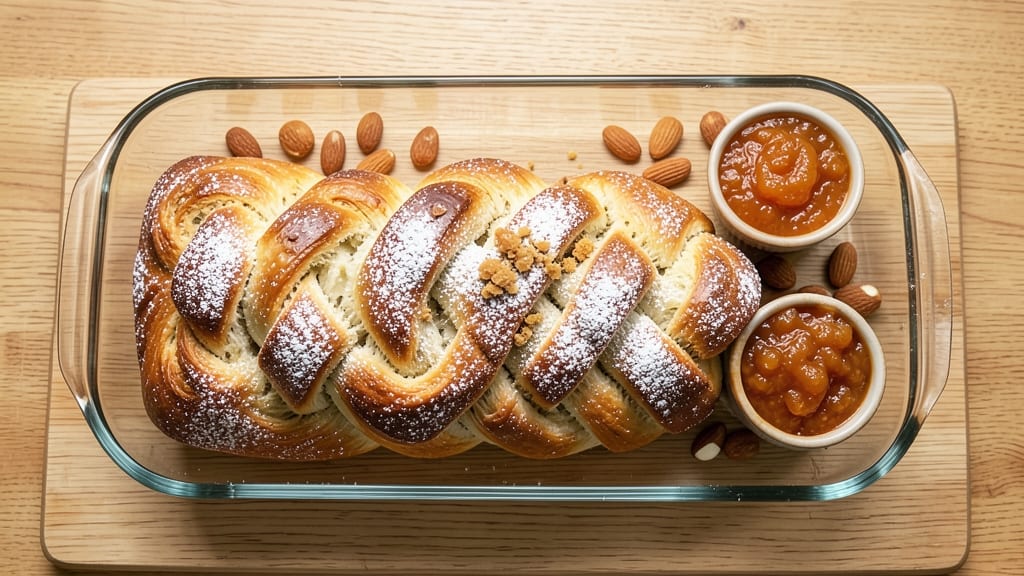
This sweet egg challah recipe transforms a simple braided loaf into a golden, honey-kissed masterpiece with just the right amount of richness. The eggs bind the dough perfectly while adding that signature tender, slightly sweet flavor—no dry, crumbly texture here.
What makes this version special is the caramelized honey glaze that drizzles over the braid, creating a glossy finish that’s hard to resist. I’ve perfected the technique over years of baking, ensuring every strand stays soft and the crust turns beautifully golden.
The secret to success lies in the dough’s resting time and gentle handling—kneading too much can make the challah tough, so we keep it simple with a foolproof method.
You’ll work with warm water, active dry yeast, and a touch of sugar to jumpstart fermentation, then let the dough rise twice for maximum flavor and texture.
The braiding technique might look intimidating, but I’ll guide you through it step by step, so even beginners can achieve that classic three-strand pattern.
By the time it’s baked, your kitchen will smell like a bakery, and the challah will emerge with a crackly, caramelized crust that’s impossible to resist. The honey glaze adds a subtle sweetness that pairs perfectly with the egg-enriched dough, making each bite rich and satisfying.
This isn’t just bread—it’s a showstopper for Shabbat, breakfast, or a special treat. Ready to bake?
For extra indulgence, try adding a handful of raisins or a sprinkle of cinnamon to the dough, or brush the finished loaf with a citrus glaze for a bright twist. The possibilities are endless, but the foundation—rich, tender, and perfectly braided—is what makes this recipe unforgettable. Let’s get started!
Ingredients for sweet egg challah
Four eggs, honey drizzle, and a touch of cinnamon—this is your golden challah shortcut.
| Ingredient | Amount | Notes |
|---|---|---|
| Large Eggs 🥚 | 4 whole | Room temperature for best mixing |
| All-Purpose Flour 🌾 | 4 cups | Sifted for light texture |
| Granulated Sugar 🍚 | ¼ cup | For dough sweetness |
| Active Dry Yeast 🍞 | 2 ¼ tsp | One packet (7g) |
| Warm Water 💧 | 1 ¼ cups | 110°F for yeast activation |
| Unsalted Butter 🧈 | ½ cup | Softened for dough richness |
| Honey 🍯 | ¼ cup | Wildflower for floral notes |
| Salt 🧂 | ½ tsp | Kosher or sea salt |
| Large Egg Yolks 🥚 | 2 whole | For honey glaze |
| Powdered Sugar 🍚 | ¼ cup | For glaze sweetness |
| Vanilla Extract 🌸 | 1 tsp | Pure vanilla for aroma |
| Cinnamon 🌿 | ½ tsp | Optional for dough flavor |
| Raisins 🍇 | ½ cup | Optional for texture |
The eggs are non-negotiable here—they bind the dough for that signature tender crumb. Room temperature eggs mix better, so pull them out 30 minutes before baking. For flour, King Arthur or Gold Medal brands are my go-to—they hold up to the double rise without collapsing. The honey? Local wildflower if you can find it, but store-bought works too. Just don’t use that cheap stuff from the bulk bin—it’s often just corn syrup. The yeast needs to be fresh (check the date!), and the butter should be softened but not melted—Trader Joe’s has the best-priced European-style butter for this.
No honey? Maple syrup at half the amount works in a pinch, but the flavor won’t be the same. Short on eggs? Flax eggs (1 tbsp ground flax + 3 tbsp water per egg) can replace 1 egg total, but the texture will be slightly denser. The cinnamon and raisins are totally optional—I skip them half the time, but they add a nice twist if you’re feeling fancy. For the glaze, egg yolks are key—they create that glossy finish. If you’re making this ahead, store the shaped loaf in the fridge overnight for even better flavor development before baking.
This dough needs time—at least 2 hours total rising. Shape the challah, cover it with a damp towel, and let it rest in a warm spot. The glaze sets quickly, so brush it on right after baking while the loaf is still warm. Keeps 3 days wrapped at room temp or 1 week in the fridge. For freezing, slice it first—it reheats beautifully in the oven at 300°F for 10 minutes.
Why You'll Love This Recipe
- No-Knead Magic: I swear by this dough—just mix, let it rise, and boom, golden perfection. The yeast and warm water do all the work while you sip coffee or scroll.
- Sweet Egg Luxury: That rich egg flavor? It’s the star. The sugar caramelizes just enough to give every bite a subtle, buttery sweetness without tasting like dessert.
- Breakfast or Snack: Slice it toasted with jam for a lazy morning or pack it for lunch—it’s equally great cold with peanut butter. My kids beg for it daily.
- Budget-Friendly Staples: Five ingredients, zero fuss. You’re using pantry basics, so it’s cheap to make but feels like a bakery treat. Leftovers? They vanish in hours.
Step-by-step instructions for sweet egg challah
Here's how to create a golden, fluffy honey-challah with a caramelized glaze that'll make your kitchen smell like a bakery.
Activate the Yeast and Mix the Dough Base
In a small bowl, whisk together the 1.25 cups warm water (about 110°F) with the 0.25 cup granulated sugar and 2.25 teaspoons active dry yeast. Let it sit for 5-10 minutes until frothy—you'll see bubbles forming and the mixture smell sweet and yeasty. If it doesn't bubble, your yeast might be dead, and you'll need to start over.
In a large bowl, combine the 4 cups all-purpose flour and 0.5 teaspoon salt. If you're using it, add the 0.5 teaspoon cinnamon now too. Make a well in the center and pour in the yeast mixture. Add the 4 whole large eggs and 0.5 cup softened unsalted butter, mixing just until combined. The dough will be shaggy at first—that's normal.
Knead Until Silky and Elastic
Turn the dough onto a lightly floured surface and knead for 8-10 minutes until smooth and elastic. You'll know it's ready when it springs back slowly when poked. I like to use my hands for this part—it's more satisfying than a mixer, and you can really feel when the gluten develops properly.
For the raisins (if using), fold them into the dough now. The dough should be slightly sticky but not wet—if it's too sticky, add a little more flour, 1 tablespoon at a time. Once kneaded, place the dough in a lightly greased bowl, cover with a damp towel, and let it rise in a warm place for 1-2 hours or until doubled in size. A warm oven with the light on works great for this.
Shape the Challah and Let It Rise Again
Punch down the risen dough and divide it into 3 equal pieces. Roll each piece into a log about 18 inches long. To braid, lay one log horizontally, then place the second log diagonally on top, and weave them together. Add the third log and continue weaving until the braid is complete. Place the braid on a parchment-lined baking sheet.
Cover the braided challah with a damp towel and let it rise for another 30-45 minutes until puffy. The braid should look full and slightly domed at the top. Preheat your oven to 350°F while it rises—this ensures it goes in hot and bakes evenly.
Bake Until Golden and Fragrant
Bake the challah for 25-30 minutes until it's golden brown and sounds hollow when tapped on the bottom. The edges should pull away from the pan slightly, and the top should be beautifully caramelized. If it browns too quickly, tent it with foil to prevent over-browning.
While it bakes, make the honey glaze by whisking together the 2 whole large egg yolks, 0.25 cup powdered sugar, 0.25 cup honey, and 1 teaspoon vanilla extract. Once the challah is baked, brush the glaze over the top immediately—this is when it'll soak in and create that gorgeous caramelized finish.
Cool and Serve Warm
Let the challah cool on a wire rack for 10 minutes before slicing—this helps the glaze set and prevents it from turning into a sticky mess. The inside should be soft and fluffy, with a hint of honey sweetness in every bite. Serve warm for the best experience, and save any leftovers wrapped in foil for up to 3 days.
This challah is perfect for breakfast, brunch, or even dessert with a cup of coffee. The honey glaze adds a beautiful sheen and a touch of elegance that makes it feel like a special occasion treat every time.
Pro Tips For Making Sweet Egg Challah
- Test Yeast First: Skip the guesswork—mix 1 packet yeast with ¼ cup warm water (110°F) and 1 tsp sugar, then wait 5-10 minutes for frothy bubbles. If nothing happens, toss that batch and start fresh; dead yeast ruins everything.
- Whisk Eggs Cold: I learned this the hard way—whisking eggs straight from the fridge (not room temp) creates tiny air pockets that vanish when warm dough hits them. Beat them for 30 seconds first, then let sit 5 minutes before mixing.
- Avoid Over-Kneading: This dough’s sweet and sticky—it’ll feel underworked at first. Knead just until smooth (about 8-10 minutes), then let it rest. Overworking it makes the texture dense, and no one wants a chewy sweet egg braid.
- Brush With Egg Wash: Skip the water glaze—whisk 1 egg with 1 tbsp water, then brush the shaped challah before baking. The sugar in the dough caramelizes beautifully, giving that golden, shiny crust without burning. (Yes, even if you’re impatient like me.)
Serving suggestions for this sweet egg challah
Breakfast Showstopper
Serve warm slices of this sweet egg challah with a pat of cultured butter and a sprinkle of flaky sea salt—the contrast of rich butter and honey glaze is pure magic. I love pairing it with a strong black coffee or chai tea to cut through the sweetness.
For a protein boost, add a side of scrambled eggs or smoked salmon to turn it into a brunch masterpiece. 🥞
Brunch Pairings
Transform your challah into a brunch centerpiece by serving it alongside citrus segments (like blood oranges) and fresh berries. The honey glaze complements the tartness perfectly. For a savory-sweet combo, pair with whipped ricotta and toasted walnuts.
If you're hosting, arrange slices on a platter with cream cheese and jam for easy finger-food serving.
Dessert Twist
Drizzle leftover challah with melted dark chocolate and crushed pistachios for an elegant dessert. Warm slices make a stunning Shabbat dessert when topped with vanilla bean ice cream and a sprinkle of cinnamon.
For a festive touch, dust with edible gold leaf—it looks stunning and tastes like a celebration. 🎉
Coffee & Tea Companions
A latte or cappuccino pairs beautifully with the honeyed richness of this challah. For tea lovers, Earl Grey or jasmine green tea enhance the vanilla notes in the glaze.
If you prefer cold brew, try a vanilla sweet cream cold brew—the creamy texture balances the challah’s sweetness perfectly. Always serve warm slices for the best texture.
Make-Ahead Serving
Store leftover challah in an airtight container at room temperature for up to 3 days or freeze slices for 1 month. To reheat, wrap in foil and warm at 300°F for 10 minutes—this restores the softness.
For a special presentation, arrange slices on a wooden board with fresh herbs (like thyme or rosemary) and serve with whipped honey butter for dipping.
Global Variations
In Israel, challah is often served with olive oil and za’atar for a savory twist. For a French-inspired version, add a caramelized pear compote alongside.
In Jewish bakeries, it’s common to serve with chocolate-dipped strawberries—the sweetness levels are next-level. Experiment with toppings to match your favorite flavors! 🌍
Nutrition facts
Frequently asked questions
Why does this recipe use eggs in the dough?
Eggs are essential for creating that signature tender, slightly sweet texture in this sweet egg challah. They act as a natural binder, keeping the braided loaf cohesive while adding richness. The eggs also help create a lighter crumb compared to eggless versions, which can sometimes turn out denser. For best results, always use room-temperature eggs—they blend more smoothly into the dough.
Can I make this without honey? What's the best substitute?
Yes! If you're avoiding honey, use maple syrup at half the amount (about 2 tablespoons for the 0.25 cup honey in the recipe). For the glaze, try agave nectar or vanilla syrup instead. The honey gives the glaze its signature caramelized flavor, but these substitutes will still create a sweet, glossy finish—just with a slightly different taste profile.
How do I know when the dough has risen enough?
Your dough is ready when it's doubled in size and has soft, puffy peaks. Gently press two fingers into the dough—if the indentation stays, it's ready. For the first rise, this usually takes 1-2 hours in a warm spot. After shaping, the second rise should take 30-45 minutes. If your kitchen is cold, place the bowl near a warm oven (with the light on) to speed up fermentation.
What if my braided challah falls apart when baking?
This usually happens if the dough wasn't rested long enough after shaping or if the gluten wasn't developed properly during kneading. To fix it: make sure the dough rises 30-45 minutes after braiding, and knead until the dough springs back slowly when poked. Also, handle the dough gently when shaping—overworking it can weaken the structure. If it does fall apart, try reshaping it loosely and baking it as a round loaf instead.
Can I make this recipe without a stand mixer?
This recipe is designed to work perfectly with just your hands. Knead the dough on a lightly floured surface for 8-10 minutes until smooth and elastic. The key is to be patient—you'll feel the dough transform from shaggy to silky. For extra strength, use a dough scraper to help turn and fold the dough during kneading. The hand-kneaded version actually develops more flavor!