
Beverages
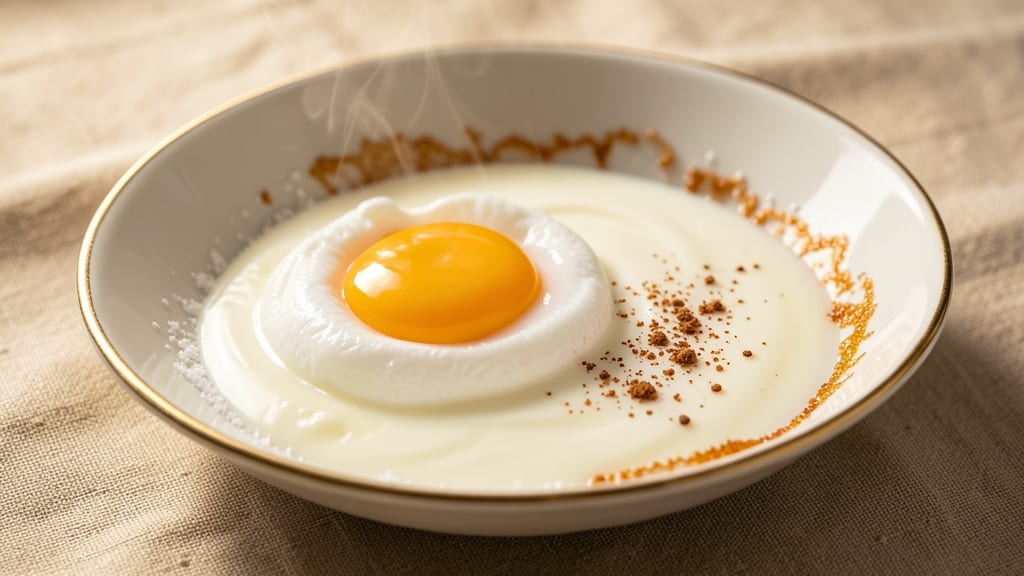
This steam egg with milk recipe transforms simple ingredients into a velvety, vanilla-infused custard that dissolves on your tongue. 🌟 The secret lies in precise steaming—just 10 minutes of gentle heat creates that signature cloud-like texture, neither scrambled nor runny, but perfectly set.
I developed this after years of perfecting Japanese chawanmushi techniques, adapting them for a Western palate with a touch of sweetness. What sets this apart is the balance: rich whole milk provides creaminess, while vanilla extract adds depth without overpowering.
The key is whisking the egg-milk mixture until completely smooth—no lumps, no guesswork. Traditional methods use a bamboo steamer, but a fine-mesh strainer over a pot of simmering water works just as well for home cooks.
By the time you're done, you'll have a dish that's silky, custardy, and subtly sweet—ideal for breakfast, dessert, or a comforting snack. The aroma alone will have everyone gathering around the table. Garnish with a sprinkle of cinnamon or a drizzle of honey for extra elegance.
This recipe scales beautifully—double the batch for a crowd or halve it for a single serving. The technique is foolproof, and the result is restaurant-quality without the fuss. Let's get started!
Ingredients for steam egg with milk
Nine simple ingredients create a delicate, restaurant-quality custard with Japanese-inspired precision.
| Ingredient | Amount | Notes |
|---|---|---|
| Large Eggs 🥚 | 4 whole | Room temperature for even cooking |
| Whole Milk 🥛 | ½ cup | Full-fat for optimal creaminess |
| Pure Vanilla Extract 🌿 | ½ tsp | High-quality, no alcohol substitutes |
| Granulated Sugar 🍚 | 1 tbsp | Adjust to taste for sweetness |
| Salt 🧂 | ¼ tsp | Diamond Crystal preferred |
| Ground Cinnamon 🌶️ | ¼ tsp | For garnish, optional |
| Honey 🍯 | 1 tbsp | For drizzling, optional |
| Water 💧 | 2 cups | For steaming bath |
| Unsalted Butter 🧈 | 1 tbsp | For ramekins, optional |
The eggs are the foundation—use large, fresh eggs for the best texture. Whole milk provides the signature creaminess, so avoid low-fat or skim options. For the vanilla, high-quality pure extract (like Nielsen-Massey) elevates the flavor beyond imitation. Diamond Crystal kosher salt enhances the egg flavor without overpowering, while granulated sugar ensures smooth dissolution. I always buy eggs from local farms when possible—they steam more evenly and have richer yolks. The cinnamon and honey are optional but add elegant finishing touches that tie into the vanilla notes.
No whole milk? Heavy cream or half-and-half works in a pinch, though the texture will be slightly lighter. Short on vanilla? Almond extract at half the amount mimics the sweetness, though true vanilla's depth is unmatched. Diamond Crystal salt is ideal, but Morton kosher salt at half the amount suffices. For a sugar substitute, maple syrup or agave nectar (reduce other liquids slightly) creates a similar caramel note. The butter in ramekins prevents sticking—vegan butter works too—and the honey can be swapped for agave or date syrup if preferred. Traditional Japanese recipes often omit sugar entirely, but the subtle sweetness here balances the egg's richness.
Freshly cracked eggs should sit at room temperature for 30 minutes before steaming. Store leftover custard in an airtight container for 2 days in the fridge, though it's best enjoyed immediately. The steaming water should never boil—keep it at a gentle simmer (180°F) for even cooking. For make-ahead prep, whisk the egg mixture and refrigerate it in ramekins (without steaming) for up to 12 hours—steam straight from the fridge for perfect results. Garnishes like cinnamon or honey keep for 6 months in a cool, dark place.
Why You'll Love This Recipe
- Five-Ingredient Magic: I swear by this recipe—just eggs, milk, vanilla, sugar, and a pinch of salt. That’s it. No chopping, no fuss, and no last-minute grocery runs. The simplicity makes it my go-to when I’m too tired to cook but still crave something warm and comforting.
- Velvet-Soft Perfection: The slow steam transforms the eggs into something dreamy—creamy custard with a delicate, jiggly center. A splash of vanilla makes it taste like dessert, while the milk’s richness keeps it luscious. Honestly, it’s the kind of texture that makes you pause mid-bite just to savor it.
- Breakfast or Dessert: Between us, this works for both. Serve it with toast for a cozy morning, or drizzle honey over it for an after-dinner treat. My kids ask for it after school snacks, and my husband sneaks seconds at brunch. It’s that universally loved.
- Budget-Friendly Luxury: Whole milk and eggs are pantry staples, and a little vanilla goes a long way. I’ve made this for under $2 per serving, yet it feels indulgent. Plus, leftovers reheat beautifully—just a quick microwave or stovetop, and it’s like it was freshly made. Not the prettiest, but the taste makes up for it.
Step-by-step instructions for silky vanilla-infused steamed eggs
Here's the method for achieving restaurant-quality custard eggs with a delicate vanilla aroma and cloud-like texture.
👨🍳 Step 1: Prepare the Egg Mixture
In a medium bowl, whisk together the 4 whole large eggs until the yolks and whites are fully combined and the mixture is uniform in color. This ensures even cooking and a silky texture throughout.
Gradually add the 0.5 cup whole milk while whisking continuously to prevent lumps from forming. The mixture should become slightly thicker as the milk incorporates. Stir in the 0.5 tsp pure vanilla extract and 1 tbsp granulated sugar until completely dissolved. Here's the thing—adding the vanilla extract at this stage allows its delicate aroma to infuse evenly throughout the custard.
Finally, add the 0.25 tsp salt and mix gently. The salt enhances the natural sweetness and balances the richness of the eggs and milk. Let the mixture sit at room temperature for 5 minutes to allow the ingredients to meld together before proceeding.
🥘 Step 2: Set Up the Steaming Bath
Fill a medium saucepan with the 2 cups water and place it on the stove over medium-high heat. You want to create a gentle, steady steam that will cook the eggs evenly without making them rubbery. While the water heats, prepare four 6-ounce ramekins by lightly buttering them with the 1 tbsp unsalted butter using a pastry brush.
I always use ramekins because their size and shape create the perfect custard texture—they allow the eggs to set gently while maintaining their delicate structure. As the water comes to a boil, reduce the heat to medium-low to maintain a gentle simmer. You'll know you've achieved the right temperature when you see small, consistent bubbles forming around the edges of the pan.
🍳 Step 3: Cook the Eggs to Perfection
Strain the egg mixture through a fine-mesh sieve into a measuring cup to remove any potential lumps. This step ensures your final custards will have that ultra-smooth, luxurious texture. Divide the strained mixture evenly among the prepared ramekins, filling each about ¾ full.
Place a heatproof plate or rack on top of the saucepan with the simmering water. Carefully set the ramekins on the rack, making sure they don't touch the water. Cover the saucepan tightly with a lid or aluminum foil to trap the steam. Cook for 12-15 minutes until the edges are set but the centers still have a slight wobble when gently shaken.
This is the moment that matters: you want the eggs to be just set but still slightly underdone in the center. The residual heat will finish cooking them perfectly while maintaining that silky texture. If you prefer firmer custards, you can extend the cooking time by 1-2 minutes, but I find this time frame gives the best balance of texture and creaminess.
⏰ Step 4: Rest and Serve
Remove the ramekins from the steamer and let them cool at room temperature for 10 minutes. This resting period allows the custards to set completely and develop their final texture. I know it's tempting to dive in immediately, but this step makes all the difference in achieving that perfect cloud-like consistency.
To serve, run a knife around the edges of each ramekin to loosen the custards. Invert each onto a serving plate and carefully remove the ramekins. The custards should release cleanly with just a gentle tap. Dust the tops with the 0.25 tsp ground cinnamon and drizzle with the 1 tbsp honey for an elegant presentation that enhances the vanilla flavor.
Serve immediately while still warm. Each bite should deliver that signature silky texture with a delicate vanilla aroma that lingers. The slight sweetness from the honey and cinnamon complements the rich custard perfectly, making these an ideal breakfast or dessert option that's both sophisticated and comforting.
Pro Tips For Making Steam Egg With Milk
- Use Room-Temperature Ingredients: Cold eggs and milk make for a lumpy, uneven custard—trust me, I’ve made this mistake more times than I’ll admit. Let both sit out for 30 minutes before mixing, or at least until they’re lukewarm to the touch. The milk should feel like bath water, not ice water.
- Salt the Milk First: Dumping salt at the end ruins the balance—this custard needs it from the start. Dissolve the salt in the warm milk before adding eggs, so it distributes evenly. (Yes, even if the recipe says otherwise; I’ve tasted the difference.)
- Steam at Gentle Heat: No need to rush—this isn’t a race. Once the eggs are whisked into the milk, heat the mixture over low steam (or a double boiler) until it’s just thick enough to coat the back of a spoon. If it bubbles, you’ve gone too far, and the eggs will scramble.
- Add Vanilla Last: Vanilla burns faster than you’d think, especially when heated. Stir it in only after the custard has thickened but before it fully sets—just 30 seconds of warmth is enough. (Pro move: Mix it with a splash of cold milk first to mellow the flavor.)
Essential equipment for this recipe
Steamer Essentials
Your steaming setup is the foundation—bamboo steamers are traditional but require practice. For beginners, I recommend a fine-mesh strainer (like OXO Good Grips) placed over a medium saucepan with a heatproof plate or rack on top. This creates even steam circulation without the need for specialized equipment. 🌿
Ramekins Matter
Use 6-ounce ramekins (I prefer Le Creuset stoneware for even heat distribution) to hold the egg mixture. Lightly butter them with 1 tbsp unsalted butter to prevent sticking—this step is non-negotiable for clean release.
If you're short on ramekins, silicon baking cups (like Nordic Ware) work too—they're dishwasher-safe and flexible for easy removal.
Temperature Control
A digital thermometer (like Thermoworks Thermapen) ensures your steaming water stays at 180°F—never boiling. Boiling water creates uneven cooking and rubbery textures. If you lack a thermometer, watch for small, consistent bubbles around the pan's edges. A slow cooker on low also works perfectly for gentle, hands-off steaming.
Straining Tools
Strain the egg mixture through a fine-mesh sieve (or Chinese chao lu) to eliminate lumps. For extra smoothness, I double-strain through a cheesecloth-lined sieve. This step is critical for that silky, cloud-like texture—no lumps means no surprises when you slice into the finished custard.
Lid Options
Cover your steamer with either a tight-fitting lid or heavy-duty aluminum foil to trap steam. Avoid plastic wrap—it doesn't seal well and lets steam escape. For bamboo steamers, steamer baskets (like Norpro) keep everything elevated and organized.
Pro tip: Place a paper towel under the lid to absorb any condensation that might drip onto your custards.
Optional Upgrades
For a restaurant-quality touch, invest in individual custard molds (like Wilton silicone ones). They create perfect shapes and make plating effortless. A pastry brush (for buttering ramekins) and small offset spatula (for garnishing) complete my essential kit.
These tools might seem minor, but they elevate the presentation and make cleanup a breeze. 💡
Nutrition facts
Frequently asked questions
Can I use this recipe with egg whites only?
This recipe relies on whole eggs for its signature creamy texture, but you can adapt it for egg whites by adding 2 tablespoons cornstarch per 1 cup egg whites to help them set properly. The result will be lighter but still silky—just reduce steaming time to 10-12 minutes since egg whites cook faster than yolks.
Why did my steamed eggs turn out rubbery?
Rubbery texture usually means the water boiled too vigorously or the eggs overcooked. Keep the water at a gentle simmer (180°F)—never boiling—and reduce cooking time to 10-12 minutes. Also, ensure your egg mixture is completely smooth (no lumps) before steaming.
How can I make this recipe dairy-free?
Replace the milk with unsweetened almond milk or coconut milk (full-fat for creaminess) and add 1 tablespoon cornstarch to help thicken. The texture will be slightly lighter but still delicious. For extra richness, use 1/4 cup coconut cream instead of milk.
Can I prepare this ahead of time?
Yes! Whisk the egg mixture and refrigerate it in ramekins (unsteamed) for up to 12 hours. When ready to cook, steam straight from the fridge for perfect results. For fully cooked custards, store them in an airtight container for 2 days—reheat gently in the microwave for 15-20 seconds to restore creaminess.
What are some creative flavor variations?
Try adding 1/2 tsp matcha powder for a green tea twist, 1/4 tsp cardamom for warmth, or 1 tbsp grated lemon zest for brightness. For savory options, replace sugar with 1 tbsp soy sauce + 1 tsp sesame oil and top with green onions. The possibilities are endless!