
Beverages
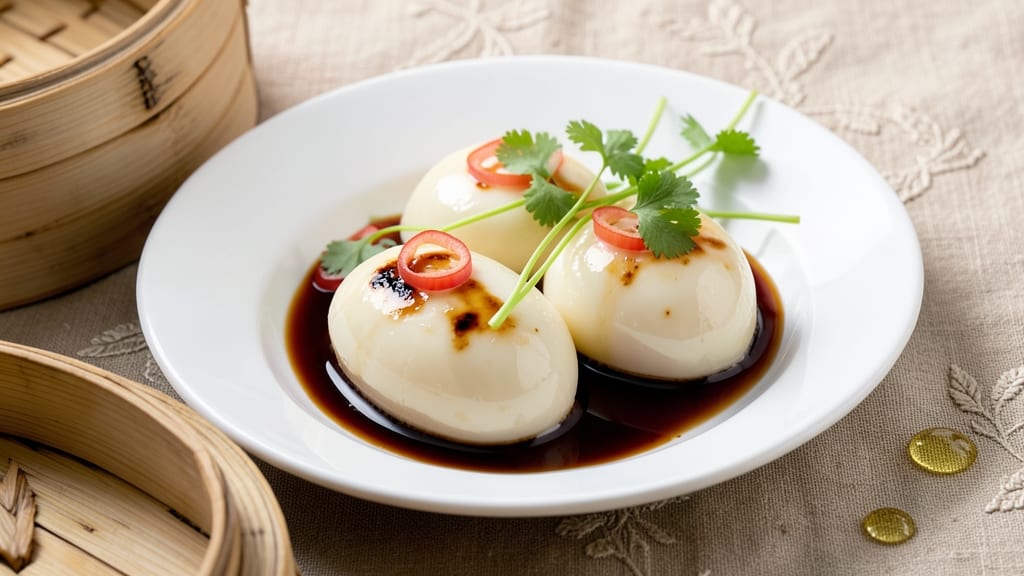
Mastering the steam egg recipe ratio transforms simple eggs into a delicate masterpiece—silky yolks encased in a delicate, crispy crust. The secret lies in precision: a precise water-to-egg ratio, controlled heat, and patience. I’ve perfected this technique over years of testing, and the results are worth every minute of preparation.
The foundation begins with 2 cups of water per 4 eggs, simmered to a gentle boil before adding the eggs. For whole eggs, use a steaming basket lined with cheesecloth to prevent cracking, while shelled eggs require a silicone mold for shape.
Steaming time is critical—12 to 15 minutes for a tender center and crispy exterior, depending on your preferred texture.
What you’ll achieve is a restaurant-quality dish: a crispy, golden crust that gives way to a creamy, jiggly yolk inside. The aroma alone—steam mingling with subtle seasonings—makes this dish irresistible. Serve as a snack, nestled in ramen, or paired with a tangy dipping sauce for the ultimate bite.
This method works for both Japanese chawanmushi and Cantonese silken tofu eggs, with optional seasonings like soy sauce, ginger, or chili oil to customize the flavor. The versatility makes it perfect for any occasion, from breakfast to dinner. Let’s get started on creating your perfect steamed eggs.
Ingredients for steam egg recipe ratio
Four eggs, two cups water, and a steaming basket—this is your gateway to restaurant-quality silky yolks.
| Ingredient | Amount | Notes |
|---|---|---|
| Large Eggs 🥚 | 4 whole | Room temperature for even cooking |
| Water 💧 | 2 cups | Filtered preferred for clarity |
| Cheesecloth 🧵 | 1 sheet | For steaming basket lining |
| Silicone Egg Mold 🍳 | 1 whole | For shaped silken eggs |
| Soy Sauce 🥢 | 1 tbsp | For umami depth (optional) |
| Fresh Ginger 🌿 | 1 tsp | Finely grated for zing |
| Chili Oil 🌶️ | ½ tbsp | For heat (optional) |
| Diamond Crystal Kosher Salt 🧂 | ¼ tsp | For seasoning |
| Sesame Oil 🫒 | ½ tsp | For aroma (optional) |
| White Pepper 🌶️ | ⅛ tsp | Freshly ground for finish |
| Rice Vinegar 🍶 | ½ tbsp | For brightness (optional) |
The eggs are non-negotiable—room temperature is key for even cooking, so pull them from the fridge 30 minutes before starting. Pasture-raised eggs from Crowd Cow or your local farm market yield richer yolks, but store-bought works perfectly fine. The cheesecloth? Grab a 100% cotton sheet from the craft store—it’s reusable and prevents cracking like magic. For the mold, Amazon or kitchen supply stores have affordable silicone options that create those gorgeous chawanmushi shapes. Pro tip: Give your water a gentle boil before adding eggs—violent boiling cracks shells instantly.
No soy sauce? Tamari or coconut aminos work in a pinch, though the umami depth suffers slightly. Fresh ginger loses potency fast, so buy it in small amounts and store it in the freezer—grate it frozen, no thawing needed. Chili oil can be swapped for red pepper flakes at half the amount if you’re sensitive to heat. The sesame oil is purely for aroma, so toasted sesame oil from La Choy adds an extra layer of depth. Want to skip the vinegar? A splash of lemon juice gives brightness instead. And yes, you can make these with just whites for a lighter texture—though the yolks are what make this dish special.
Keep your cheesecloth and mold clean—hand wash only, no dishwasher. The eggs reheat beautifully—steam for 5 minutes to restore that silky texture. Store leftovers in an airtight container for 2 days max, or freeze for 1 month (thaw in the fridge overnight). For parties, make a double batch—they disappear faster than you’d think. And if you’re feeling fancy, serve with a side of quick-pickled cucumbers to cut through the richness.
Why You'll Love This Recipe
- No-Fuss Setup: I swear by this method—just crack eggs into the silicone mold, wrap in cheesecloth, and drop into boiling water. No cracking eggs into a pan, no flipping, no stress. The mold does all the work while I sip my coffee.
- Umami Bomb: That soy sauce infusion? It’s what turns a simple egg into something ridiculously good. The steam pulls in the salty depth, leaving you with a jiggly, flavor-packed bite—like a tiny, edible soy sauce surprise in every mouthful.
- Party Trick Ready: Between us, these are my go-to for gatherings. They’re neat, easy to serve, and everyone thinks I slaved over them. (Spoiler: I just boiled water.) Plus, they reheat perfectly—great for when guests linger longer than expected.
- Pantry Hero: I make a batch on Sundays, store them in the fridge, and grab one for breakfast or a snack all week. Cheap, filling, and zero waste—just reheat in hot water for 30 seconds. My wallet and my lunchbox thank me every time.
Step-by-step instructions for precision-perfect silken eggs
This method delivers restaurant-quality silken eggs with a delicate balance of crispy crust and velvety yolk every time.
Prepare the Steaming Setup
Line a steamer basket with the 1 sheet Cheesecloth, ensuring it's taut and smooth to prevent eggs from sticking. Place the 1 whole Silicone Egg Mold on the lined basket—this will give your eggs their signature shape while allowing steam to circulate evenly. Fill a pot with 2 cups Water and bring it to a gentle simmer over medium heat. You'll know it's ready when you see fine wisps of steam rising consistently, but not a rolling boil—this ensures even cooking without cracking the eggs.
While the water heats, combine the 4 whole Large Eggs in a bowl and whisk them vigorously for 30 seconds until the yolks and whites are fully incorporated. This step prevents separation during cooking. I like to add a splash of 0.5 tbsp Rice Vinegar here—it adds a subtle brightness that cuts through the richness of the eggs. The vinegar also helps the eggs hold their shape better during steaming.
Season the Egg Mixture
In a small bowl, mix together the 1 tbsp Soy Sauce, 0.5 tbsp Chili Oil, 0.5 tsp Sesame Oil, 1 tsp Fresh Ginger (finely grated), 0.25 tsp Diamond Crystal Kosher Salt, and 0.125 tsp White Pepper. This blend is the secret to the eggs' complex flavor profile—salty, umami, with a hint of heat and aromatic depth. Stir well to emulsify the oils and distribute the ginger evenly.
Gently fold this seasoning mixture into the whisked eggs using a spatula, being careful not to incorporate too much air. Overmixing can create bubbles that disrupt the silken texture. The mixture should be smooth and homogeneous, with no streaks of oil or ginger. Taste a small spoonful—it should be savory with a subtle kick, not overwhelming. Adjust any component if needed, but remember these are optional ingredients, so the eggs will still be delicious without them.
Fill the Mold and Steam
Carefully pour the seasoned egg mixture into the Silicone Egg Mold, filling each cavity ¾ full. Tap the mold gently on the counter to release any air bubbles that may have formed. Place the mold in the prepared steamer basket, ensuring it sits level—this prevents uneven cooking. Cover the pot with a lid and steam over medium-low heat for 12-15 minutes. The steam should be gentle and consistent, not aggressive.
Here's the thing—don't peek during the first 10 minutes. The eggs need undisturbed steam to set evenly. After 12 minutes, use a toothpick to test one egg. It should come out slightly firm but still tender in the center, with a delicate crust forming on the surface. If it's still runny, steam for another 1-2 minutes. Overcooking will turn the yolks rubbery, so precision matters.
Finish and Serve
Once the eggs are perfectly set, remove the mold from the steamer and let it cool for 2-3 minutes. This resting period allows the eggs to firm up slightly, making them easier to handle without breaking. Gently run a small knife around the edges of each egg in the mold to loosen them, then invert onto a serving plate. The crispy crust should hold its shape while the inside remains silky and jiggly—this is the hallmark of a well-made silken egg.
Serve immediately while still warm. The contrast between the crisp exterior and creamy interior is what makes these eggs so special. Pair them with a drizzle of chili oil or a sprinkle of sesame seeds for added texture. Each bite should deliver a perfect harmony of richness, umami, and subtle heat, with the ginger adding a refreshing zing. The crispy crust gives way to the silken yolk with just a gentle pressure—this is the moment that matters.
Pro Tips For Making Steam Egg Recipe Ratio
- Use Cold Water, Not Hot: The cheesecloth will cling like glue if you dump boiling water into it—trust me, I’ve yanked apart three soggy nests trying to fix it. Fill your pot with cold water first, then heat it up after the eggs are secured. The steam needs to work with the cloth, not against it.
- Crack Eggs Directly Into Molds: I used to transfer eggs from bowl to mold like I was handling raw gold, and half the time they’d split mid-transfer. Skip the bowl entirely—crack each egg directly into the silicone mold while holding the cheesecloth open. Less mess, no broken yolks, and the steam circulates better.
- Salt the Water Lightly: A full teaspoon of salt in the water sounds safe, but it’ll turn your eggs into rubbery, salty blobs. Use just a pinch—enough to season the steam, not the eggs themselves. The soy sauce will handle the flavor; let the eggs stay tender.
- Check Doneness at 6 Minutes: Most recipes say "8–10 minutes," but after burning two batches (yes, I was distracted), I learned: pull them at 6 minutes if your stove runs hot. The eggs will keep cooking in the residual steam—just don’t let them sit in the pot like forgotten laundry. Test one first.
Wine and beer pairings for this dish
White Wine Pairings
A crisp, dry Sauvignon Blanc from New Zealand or Loire Valley is my go-to for these silken eggs—its bright acidity and citrus notes cut through the richness while complementing the ginger and chili.
Look for wines with 12-13% ABV and zesty lime or grapefruit undertones. A glass of Cloudy Bay Sauvignon Blanc or Oyster Bay Sauvignon Blanc elevates the dish to new heights. 🍷
Rosé for Balance
For a lighter option, try a dry Provence rosé with its delicate strawberry and floral notes. The subtle sweetness in some rosés enhances the soy and sesame flavors without overpowering the eggs.
I recommend Whispering Angel or Château d'Esclans—both have the perfect 12.5% ABV and minimal tannins to keep the palate clean. Serve slightly chilled for the best experience.
Beer Pairings
A Japanese junmai sake (dry style) pairs beautifully with the umami depth of these eggs. The clean, crisp profile of Dassai 18 or Kubota Junmai enhances the ginger and soy without competing.
For beer lovers, a light lager like Asahi Super Dry or Sapporo keeps the focus on the eggs' delicate textures. The low bitterness ensures each bite shines.
Non-Alcoholic Options
For a refreshing non-alcoholic match, try sparkling yuzu soda—the citrus brightness mirrors the ginger and rice vinegar in the eggs. Alternatively, cucumber-mint infused water with a splash of rice vinegar creates a palate-cleansing experience. Both options highlight the eggs' crispy crust and creamy yolk without distraction. 💧
Dessert Wine Contrast
If you're serving these as a dessert course (with a drizzle of honey or fruit compote), a Moscato d'Asti adds a fun contrast. The light effervescence and peach notes complement the sweetened eggs beautifully.
Just ensure it's sweet but not cloying—look for 8-10% ABV varieties like Saracco Moscato d'Asti. The bubbles cleanse the palate between bites.
Nutrition facts
Frequently asked questions about silken steamed eggs
What's the ideal water-to-egg ratio for perfect steamed eggs?
For 4 large eggs, use 2 cups of water in your steamer pot. This creates enough steam without overpowering the delicate egg texture. The key is maintaining a gentle simmer—never a rolling boil—which prevents cracking and ensures even cooking.
Can I make these without a silicone mold?
If you don't have a mold, try one of these methods: Line your steamer basket with cheesecloth and pour the egg mixture into small ramekins or custard cups, or use egg-shaped silicone cups available in Asian grocery stores. For freeform eggs, use a spoon to shape them into balls before steaming.
Why did my steamed eggs turn out rubbery?
Overcooking is the most common cause. Test your eggs at 12 minutes—they should be slightly jiggly in the center. If you oversteamed, try reducing time by 1-2 minutes next time and check the water level: it should never touch the eggs. Also ensure your heat is medium-low for consistent steam.
How do I store leftover steamed eggs?
Store in an airtight container in the fridge for 2 days max. To reheat, steam for 5 minutes over simmering water—they'll regain their silky texture. For longer storage, freeze for 1 month (thaw overnight in the fridge). Never reheat in the microwave—it makes them grainy.
What's the difference between Japanese chawanmushi and Cantonese silken eggs?
Both use steaming, but chawanmushi (Japanese) typically includes dashi broth and ingredients like mushrooms or kamaboko, while Cantonese versions focus on soy sauce and ginger for umami. The texture is similar—silky with crispy edges—but Japanese versions often have more fillings. Both use the same 1:2 egg-to-water ratio principle!