
Breakfast & Brunch
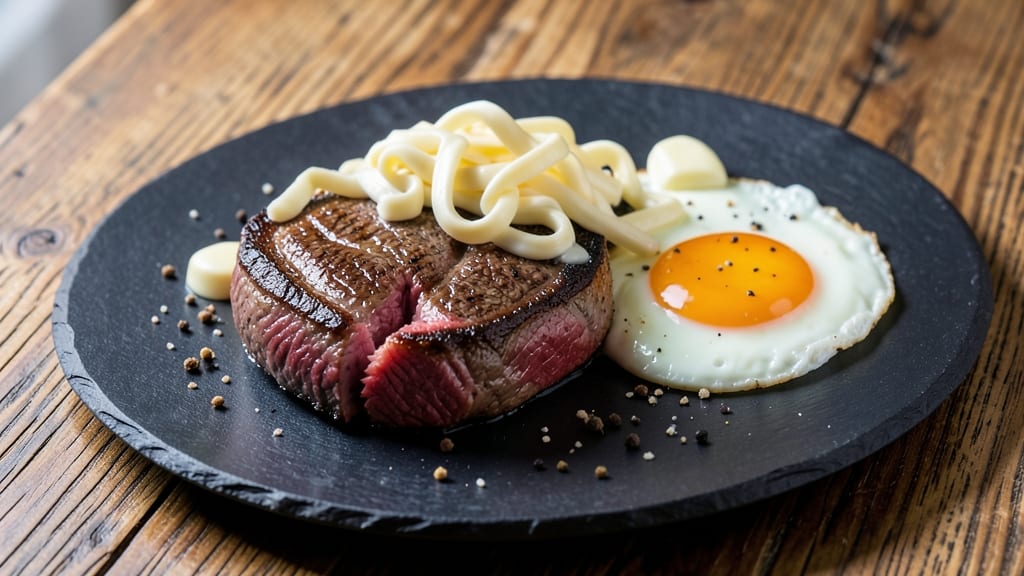
This steak egg and cheese recipe transforms breakfast into a hearty, restaurant-worthy meal with just a few simple ingredients and a cast-iron skillet. The secret lies in perfectly searing a thick-cut steak alongside sunny-side-up eggs, then crowning it with melted cheddar that ties everything together in rich, savory harmony.
I developed this recipe after craving something more substantial than your average eggs Benedict—something that delivers the bold flavors of a steakhouse plate without the fuss.
What makes this dish truly special is the balance of textures and temperatures: a crispy-edged steak that yields tender bites, runny yolks that burst when cut, and a blanket of melted cheese that adds creamy depth.
The process is straightforward but requires attention to timing—cooking the steak first ensures it stays juicy while the eggs finish just right. With five core ingredients and 15 minutes of active prep, you’ll have a plate that feels indulgent yet effortless.
The result is a skillet-seared masterpiece that’s perfect for weekend brunches or a luxurious weeknight dinner. The aroma of sizzling steak and melting cheese fills the kitchen, while the visual contrast of golden-brown meat, vibrant yolks, and bubbling cheese makes it impossible to resist.
Whether you’re feeding a crowd or treating yourself, this recipe delivers satisfaction in every bite.
Pair it with toasted sourdough or a simple side salad to round out the meal. The beauty of this dish is its adaptability—swap cheddar for Gruyère, add a dash of hot sauce, or serve it on an English muffin for a breakfast sandwich twist. Let’s get cooking!
Ingredients for steak egg and cheese
Nine essential ingredients transform a simple skillet into restaurant-worthy steak egg and cheese perfection.
| Ingredient | Amount | Notes |
|---|---|---|
| Thick-Cut Ribeye Steak 🥩 | 1 lb | 1-inch thick, room temperature preferred |
| Large Eggs 🥚 | 4 whole | Freshly laid for optimal texture |
| Sharp White Cheddar Cheese 🧀 | 4 oz | Block form for best melting |
| Unsalted Butter 🧈 | 3 tbsp | European-style for higher smoke point |
| Diamond Crystal Kosher Salt 🧂 | 1 tsp | Fine grain for even seasoning |
| Freshly Ground Black Pepper 🌶️ | ½ tsp | Coarse grind for texture |
| Extra-Virgin Olive Oil 🫒 | 1 tbsp | For finishing drizzle |
| Garlic Cloves 🧄 | 2 cloves | Minced for aromatic depth |
| Fresh Thyme Leaves 🌿 | ¼ tsp | Dried works at half quantity |
The ribeye is non-negotiable here—thick-cut (1-inch) ensures proper searing without overcooking. Butcher shops often carry superior cuts compared to grocery stores, but the meat department at Whole Foods or Costco's pre-sliced steaks work beautifully. Look for good marbling and avoid pre-seasoned cuts; the salt and pepper in this recipe will handle seasoning perfectly. Room temperature steak sears more evenly, so take it out of the fridge 30 minutes before cooking. Fresh eggs are crucial for that perfect runny yolk—local farm eggs or Pete & Gerry's are ideal choices.
No sharp cheddar? Gruyère or pepper jack both melt beautifully and add distinct flavors. The butter matters here—European-style (like Plugrá) has a higher smoke point and richer flavor than American butter. Substituting with olive oil reduces richness, but it works in a pinch. Fresh thyme is ideal, but dried thyme at half the quantity delivers similar depth. For the garlic, roasting whole cloves before mincing adds a subtle sweetness that elevates the dish. And if you're short on time, pre-minced garlic from a jar (like Garlic Life) saves prep work without sacrificing flavor.
Steak and eggs reheat poorly, so cook this fresh. The cheese should melt into a golden blanket—if it's not bubbling, it needs more time. Store any unused butter in an airtight container in the fridge for up to 3 months. The steak will keep in the fridge for 3-4 days if vacuum-sealed, but it's best enjoyed immediately for peak tenderness. For meal prep, cook the steak ahead and reheat in a skillet with a splash of water, then finish with fresh eggs and cheese. The leftovers aren't quite as spectacular, but they make a great breakfast sandwich the next morning.
Why You'll Love This Recipe
- One-Pan Magic: That butter-sizzling ribeye, runny yolks, and melted cheddar all on one plate? I swear, I’ve never cleaned more than a single pan after this. The steak’s crust stays put while the eggs cook perfectly—no flipping fiascos.
- Rich, Salty Crunch: The sharp cheddar oozes into the steak’s sear, and that first bite? Crispy butter meets tender steak with a runny yolk cutting through—like a breakfast version of a fancy bistro dish. Honestly, I’ve made this for brunch and it still feels like a treat.
- Weeknight or Weekend: Throw it together for a lazy Sunday or a rushed Tuesday—same result. The steak reheats beautifully for lunch, and the eggs stay fresh in the fridge until you’re ready. My kids even ask for it when they think I’m not looking.
- Budget Luxury: A thick-cut ribeye doesn’t have to be a splurge. This recipe stretches one steak into two meals, and the cheddar’s sharpness makes it feel indulgent. I’ll be real: it’s my go-to when I want to feel fancy without breaking the bank.
Step-by-step instructions for skillet-searred steak egg and cheese
This method delivers perfectly seared steak with runny yolks and melted cheese in one cast-iron skillet.
Season and Sear the Ribeye to Medium-Rare
Pat the 1 lb thick-cut ribeye steak completely dry with paper towels—this ensures maximum browning. Season both sides generously with 1 tsp Diamond Crystal kosher salt and 0.5 tsp freshly ground black pepper, pressing the seasoning into the meat so it adheres. Let the steak sit at room temperature for 15-20 minutes while you prepare your pan.
Heat a 12-inch cast-iron skillet over high heat until smoking hot. Add 1 tbsp extra-virgin olive oil and swirl to coat evenly. Place the steak in the pan and sear for 3-4 minutes per side—don't move it during the first minute to develop a deep crust. For a 1-inch thick steak, target an internal temperature of 125°F (medium-rare) using a meat thermometer. The steak should release easily from the pan when ready to flip.
Prepare the Egg and Cheese Mixture
While the steak rests, crack the 4 whole large eggs into a small bowl and whisk lightly until the yolks and whites are just combined. Add the 4 oz sharp white cheddar cheese, freshly grated, and mix until evenly distributed. The cheese should melt smoothly into the eggs without clumping. Cover the bowl and keep it nearby—you'll need to work quickly.
In a separate small bowl, mix the 2 cloves minced garlic and 0.25 tsp fresh thyme leaves. This aromatic blend will infuse the eggs with depth of flavor. Keep this mixture ready to add to the skillet after the steak is removed.
Create the Egg and Cheese Pool in the Skillet
Remove the steak from the pan and let it rest on a cutting board for 5 minutes—this allows the juices to redistribute. Reduce the heat to medium-low and add 3 tbsp unsalted butter to the same skillet, letting it melt completely. Pour in the whisked egg mixture, stirring gently with a silicone spatula to distribute the eggs evenly across the pan.
As the eggs begin to set, sprinkle the garlic-thyme mixture over the top and let it cook for 1-2 minutes until the edges are just set but the center remains slightly runny. This creates the perfect custard-like texture for dipping the steak. The residual heat from the pan will gently cook the eggs without scrambling them.
Combine Steak and Eggs for Maximum Flavor
Slice the rested steak into 4 equal portions, each about ½-inch thick. Arrange the steak slices on top of the egg mixture, pressing down gently to let them absorb some of the creamy egg sauce. Cover the skillet with a lid and let it sit for 30-60 seconds—this allows the steak to warm through while the cheese continues to melt into the eggs.
Serve immediately with the egg and cheese mixture pooled around the steak. Each bite should deliver the perfect balance of seared steak, rich egg yolks, and sharp melted cheddar. The residual heat from the pan keeps everything warm while the flavors meld together beautifully. For extra drama, finish with a drizzle of extra-virgin olive oil and a sprinkle of freshly ground black pepper.
Pro Tips For Making Steak Egg And Cheese
- CRANK THE HEAT FIRST: That ribeye won’t sear properly if you start gentle—get your pan screaming hot with butter before the steak hits. I used to rush this, and my steaks would just steam instead of developing that caramelized crust that makes the whole dish sing.
- SALT THE CHEESE: Sharp white cheddar needs a little help—sprinkle a pinch of kosher salt directly over it before melting. It cuts through the richness and makes the cheese taste even sharper, which balances the fatty steak and runny yolk.
- WAIT FOR THE FOAM: When cooking the eggs in the same pan, resist the urge to stir immediately after cracking them. Let the butter foam up and coat the eggs for 10 seconds—this guarantees a creamy, custardy yolk instead of scrambled bits.
- REST THE STEAK IN FOIL: Pull the steak off the heat at 125°F (medium-rare) and wrap it in foil with a pat of butter for 5 minutes. This keeps it juicy while you finish the eggs, and the butter bastes it into perfection—no sad, dry slices here.
Dietary considerations for this dish
Gluten-Free Adaptations
Skip the bread entirely and serve your steak egg and cheese as a skillet plate—the crispy edges of the steak and runny yolks create enough texture without carbs.
For a gluten-free bread option, toast Schär gluten-free sourdough or Canyon Bakehouse gluten-free baguette until golden. Brush with melted butter before serving to mimic the toasted flavor. 🥖
Dairy-Free Cheese
Replace sharp white cheddar with Miyoko's Creamery dairy-free cheddar shreds—it melts beautifully and delivers the same sharp, tangy flavor. For extra richness, stir 1 tbsp nutritional yeast into the egg mixture before cooking. The texture will be slightly different but still satisfying. Always check labels for hidden dairy traces.
Egg Allergy Solutions
For those avoiding eggs, create a steak and cheese skillet by searing the ribeye as directed, then melting the cheese over crispy hash browns (made with Ore-Ida Golden Crispies).
Add a side of toasted gluten-free tortillas with melted cheese for dipping. The buttery hash browns provide the creamy element while keeping the dish hearty and flavorful.
High-Protein Modifications
Boost protein by adding 2 oz crumbled bacon (cooked separately) to the egg mixture or serving alongside 4 oz cooked shrimp on the side. For extra iron, swap the ribeye for a thick-cut sirloin steak (1.5 lbs) and slice it thinner.
Both options maintain the dish's indulgent quality while increasing nutritional value.
Low-Carb Considerations
This recipe is naturally low-carb as written, but you can enhance it further by using cauliflower rice as a side instead of bread. Sauté 1 cup riced cauliflower in the same skillet after removing the steak, then season with salt, pepper, and 1 tsp olive oil.
The crispy texture pairs perfectly with the steak's richness.
Keto-Friendly Adjustments
To make this fully keto-compliant, use 1 tbsp heavy cream instead of butter in the egg mixture for extra fat content. Top the steak with avocado slices and a sprinkle of crushed pork rinds (instead of breadcrumbs) for crunch.
This keeps carbs under 5g net per serving while maintaining the dish's decadent feel.
Nutrition facts
Frequently asked questions
Can I use a different type of steak instead of ribeye?
A thick-cut sirloin or New York strip works beautifully—just adjust cooking times slightly. For leaner cuts like flank steak, marinate it first to prevent drying out. The key is 1-inch thickness to ensure proper searing and juiciness.
How do I prevent the eggs from scrambling in the skillet?
Keep the heat on medium-low and stir gently only at the edges. The residual heat from the seared steak will finish cooking the eggs perfectly. For extra insurance, whisk the eggs with cheese first, then pour them into the still-warm skillet.
What's the best way to reheat leftovers?
This dish reheats best in a skillet over low heat with a splash of water. Warm the steak first, then add the eggs and cheese to melt. Microwaving can make the steak tough and the eggs rubbery. For best results, cook fresh whenever possible.
Can I make this recipe ahead of time?
Cook the steak ahead and refrigerate it, then reheat in a skillet before assembling with fresh eggs and cheese. The eggs should always be cooked fresh for optimal texture. Prep the cheese mixture separately and melt it just before serving.
What's the secret to perfectly melted cheese?
Use block cheese (not pre-shredded) and melt it slowly over low heat. The butter in the skillet adds richness that helps the cheese blend smoothly. For extra gooeyness, add a pinch of cornstarch to the cheese mixture before melting.