
Breakfast & Brunch
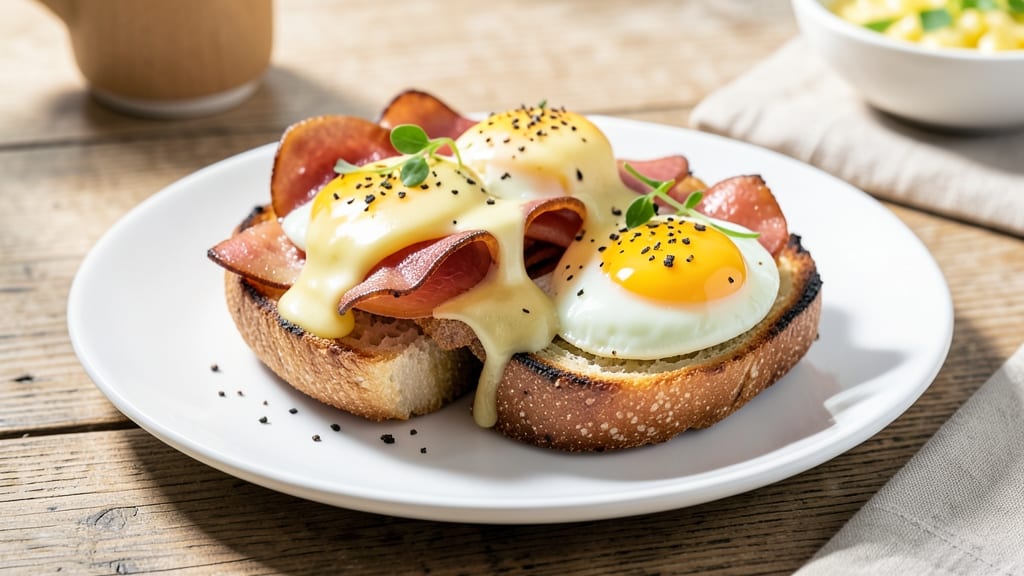
This St Benedict egg recipe transforms a classic brunch staple into a foil-sealed masterpiece with runny yolk brilliance in just 15 minutes—no fancy equipment required. The secret lies in perfectly poached eggs, crisp English muffins, and a velvety hollandaise that binds everything together in one elegant bite.
I've refined this method over years of brunch hosting, ensuring each component reaches peak texture without sacrificing authenticity.
The traditional presentation matters here: golden ham, buttery English muffins, and that signature hollandaise sauce create a balance of textures and flavors that's impossible to resist. What sets this apart is the foil-sealing technique for the eggs, which keeps the yolks perfectly molten while the whites stay tender.
The ham adds a savory depth that cuts through the richness of the sauce, making every bite harmonious.
By the time you assemble this dish, you'll have a restaurant-quality brunch centerpiece that's surprisingly simple to execute. The crisp toasted muffins provide structure, the ham adds salty contrast, and the eggs deliver that luxurious, runny yolk experience. This is brunch elevated—without the fuss of a complicated recipe.
For those looking to modernize, smoked salmon or avocado can replace the ham, while vegan hollandaise options keep it inclusive. The technique remains the same, proving this classic can adapt to any table. Let's get cooking—your brunch guests won't believe it's homemade.
Ingredients for st benedict egg
Four poached eggs, crisp muffins, and velvety hollandaise create brunch perfection in foil-sealed elegance.
| Ingredient | Amount | Notes |
|---|---|---|
| Large Eggs 🥚 | 4 whole | Freshly poached for perfect yolks |
| Thinly Sliced Black Forest Ham 🥓 | 4 oz | High-quality cured ham preferred |
| English Muffins 🍞 | 4 whole | Crisply toasted, split in half |
| Unsalted Butter 🧈 | 4 tbsp | European-style for best flavor |
| Heavy Whipping Cream 🥛 | ½ cup | Full-fat for rich hollandaise |
| Lemon Juice 🍋 | 2 tbsp | Freshly squeezed, no seeds |
| Dijon Mustard 🌶️ | 1 tsp | Mild variety for balance |
| Kosher Salt 🧂 | ½ tsp | Diamond Crystal preferred |
| Freshly Ground Black Pepper 🌶️ | ¼ tsp | Cracked peppercorns preferred |
| White Vinegar 💧 | 1 tbsp | For poaching water |
| Aluminum Foil 📄 | 1 sheet | Heavy-duty for sealing |
| Chives 🌿 | 2 tbsp | Finely chopped for garnish |
| Red Pepper Flakes 🌶️ | ¼ tsp | Optional for heat |
The eggs are the heart of this dish, so use the freshest possible—room temperature eggs poach more cleanly. For the ham, Black Forest or high-quality deli ham provides that perfect salty contrast; avoid overly salty or smoked varieties. English muffins should be the thick-cut, sourdough-style for maximum crispiness when toasted. I always toast them in a cast-iron skillet—it's the secret to that restaurant-quality crunch. The butter matters too: European-style unsalted melts more smoothly and adds depth to the hollandaise.
No heavy whipping cream? Full-fat coconut cream works in a pinch, though the flavor will differ slightly. Substituting Dijon mustard? Whole-grain mustard adds texture, but reduce to 0.75 tsp to avoid bitterness. For a modern twist, replace ham with smoked salmon or avocado slices—just adjust the salt in the hollandaise accordingly. The foil-sealing technique is non-negotiable for those perfectly molten yolks; if you don't have heavy-duty foil, parchment paper layered between regular foil works as a substitute. Fresh chives are ideal, but dried chives at half the amount will suffice if needed.
Poached eggs keep for 2 days in the fridge if stored in a water bath, but they're best served fresh. The hollandaise sauce should be made fresh—it doesn't reheat well—but you can prep all components ahead and assemble just before serving. Toasted muffins stay crisp for 1 hour at room temperature, so keep them covered until ready. For make-ahead brunch hosting, poach the eggs and store them in ice water until ready to seal; the foil-sealing can wait until the last minute. The entire dish comes together in 15 minutes, but the prep work ensures every bite feels like a special occasion.
Why You'll Love This Recipe
- Five-Minute Mornings: I swear by this for lazy Sundays—just toast the muffins, fry the eggs sunny-side-up in butter, and pile on that Black Forest ham. No fancy skills, no stress, just breakfast that feels like a treat.
- Ham-Cream Magic: That salty-sweet ham and whipped cream combo? It’s the kind of flavor that makes you pause mid-bite. Honestly, the contrast of warm egg, crispy muffin, and creamy ham is my idea of breakfast perfection.
- Brunch or Lunch: Make it for a weekend brunch crowd or pack extras for a quick lunch—it works both ways. The English muffins hold up, the eggs stay tender, and the ham adds that restaurant-quality touch without the fuss.
- Budget-Friendly Luxury: Eggs, ham, and muffins? This is comfort food that doesn’t break the bank. Plus, leftovers reheat beautifully—just pop them in the toaster or microwave, and you’re back to that same rich, satisfying bite.
Step-by-step instructions for foil-sealed eggs with hollandaise
Master this classic technique where perfectly poached eggs meet velvety hollandaise.
Prepare the Poaching Water and Toast English Muffins
In a medium saucepan, combine 4 cups water, the 1 tablespoon white vinegar, and ½ teaspoon kosher salt. Bring to a gentle simmer over medium heat—you want small bubbles breaking the surface, not a rolling boil. This acidulated water prevents the whites from spreading.
While the water heats, toast the 4 whole English muffins in a dry skillet over medium heat for 2-3 minutes per side until golden brown. Split them open lengthwise and keep warm. The muffins should be crisp but not burnt—just enough to hold the eggs without crumbling.
Poach the Eggs to Perfect Doneness
Crack each of the 4 whole large eggs into a small bowl or ramekin. Gently lower one egg at a time into the simmering water. Use a slotted spoon to hold the egg down if needed—you want the white to fully submerge. Poach for 3-4 minutes until the whites are set but the yolks remain runny and vibrant.
Transfer the poached eggs to an ice bath for 1 minute to stop further cooking. This shock treatment keeps the yolks perfectly liquid. Drain on a paper towel, then carefully place each egg on its toasted English muffin half. The egg should sit centered, with the yolk intact and the white fully opaque.
Assemble the Ham and Prepare the Hollandaise Base
Lay 1 ounce thinly sliced Black Forest ham over each poached egg. The ham should cover the egg completely, creating a neat, layered presentation. Keep the ham warm while you prepare the hollandaise.
In a heatproof bowl, whisk together the 4 tablespoons unsalted butter (cut into small cubes), ½ cup heavy whipping cream, and 2 tablespoons lemon juice. Place the bowl over a saucepan of barely simmering water, ensuring the bottom doesn't touch. Whisk constantly until the butter melts and the mixture reaches 160°F—it should thicken noticeably.
Temper and Finish the Hollandaise
Remove the bowl from the heat and gradually whisk in the 4 whole large egg yolks one at a time. The mixture will thicken dramatically—this is your hollandaise coming together. If it curdles, whisk in 1 teaspoon hot water to smooth it out. Return the bowl to the gentle heat for 1-2 minutes until fully emulsified.
Strain the hollandaise through a fine-mesh sieve into a clean bowl to remove any cooked egg bits. Stir in the 1 teaspoon Dijon mustard, ½ teaspoon kosher salt, and ¼ teaspoon freshly ground black pepper. The sauce should coat the back of a spoon and hold its shape when drizzled. If it's too thick, whisk in 1 teaspoon hot water to reach a pourable consistency.
Plate and Garnish for Restaurant-Worthy Presentation
Drizzle the hollandaise generously over the ham-covered eggs. The sauce should cascade elegantly around the edges, creating a glossy finish. Sprinkle with the 2 tablespoons finely chopped chives and, if desired, the ¼ teaspoon red pepper flakes for a subtle heat. Serve immediately while the hollandaise is still warm and the eggs are at their peak texture.
The result should be a perfectly balanced bite: the crisp muffin, tender poached egg with a runny yolk, salty ham, and rich hollandaise. Each component should complement the others without overpowering—this is where the technique truly shines.
Pro Tips For Making St Benedict Egg
- CRANK THE HEAT HIGH: That English muffin needs a proper sear—medium-high heat for 2-3 minutes until the butter bubbles and the bread turns a deep golden brown. I used to rush this, and the result was always soggy. Let it crisp up first, then add the ham and eggs.
- SALT THE HOLLOW: Sprinkle a pinch of flaky salt inside the English muffin’s hollow before adding butter. It seasons the bread directly and cuts through the richness of the ham and cream. (Yes, even if you’re impatient like me—this takes 10 seconds.)
- DON’T OVERSTUFF THE EGGS: Poach the eggs just until the whites set but the yolks stay runny—about 3-4 minutes. Crowding the pan will turn them rubbery. Work in batches if needed, and use a slotted spoon to lift them out gently. No one likes a sad, overcooked yolk.
- WARM THE CREAM FIRST: Heat the heavy cream in the microwave for 20 seconds before whipping—it folds into a lighter, more stable hollandaise. Cold cream makes for a greasy, lumpy mess. (And if you’re short on time, use store-bought hollandaise sauce—just don’t tell anyone.)
Wine and beer pairings for st benedict egg
Classic Champagne Pairing
For this elegant brunch dish, a crisp French Champagne like Moët & Chandon Brut Imperial is my go-to choice. The effervescence and acidity cut through the richness of the hollandaise while complementing the delicate flavors of the poached eggs and ham.
The bubbles help cleanse your palate between bites, making each component shine. Aim for a chilled glass (45-48°F) to preserve its freshness and highlight its citrus and green apple notes. 🍾
Crisp White Wine Options
If Champagne isn't available, a dry Sauvignon Blanc from New Zealand or Loire Valley is an excellent alternative. Look for wines with bright acidity and citrus undertones—Kim Crawford Sauvignon Blanc or Sancerre from Domaine Vacheron work beautifully.
Serve slightly cooler than room temperature (50-52°F) to enhance their crisp, mineral-driven character. The wine's herbal notes will harmonize perfectly with the chives and Dijon in the hollandaise.
Light Beer for Casual Brunch
For a more casual setting, a Belgian Witbier like Hoegaarden or Stella Artois offers a refreshing contrast. The subtle coriander and citrus notes in these beers pair surprisingly well with the dish's savory elements.
Serve chilled (40-42°F) to maintain their crispness. If you prefer a local option, a German Helles Lager—such as Weihenstephaner Original—provides a clean, malty balance that won't overpower the delicate flavors. 🍺
Avoid Heavy or Oaked Wines
Steer clear of bold reds like Cabernet Sauvignon or heavy oaked Chardonnays, as their tannins and oak flavors will clash with the dish's delicate components. Even rich whites like Chardonnay with butter notes can overwhelm the hollandaise's subtle complexity.
Instead, focus on wines with bright acidity and citrus or herbal undertones—they'll elevate the dish without competing for attention. The key is balance, and these lighter options deliver perfectly.
Non-Alcoholic Sparkling Option
For those who prefer non-alcoholic pairings, San Pellegrino Aranciata or LaCroix Lemon-Lime offer a refreshing alternative. The effervescence and citrus notes mimic the Champagne experience without the alcohol. Serve well-chilled (38-40°F) to enhance their crispness.
If you want something closer to a white wine, a sparkling apple cider like Martinelli's Sparkling adds a festive touch while complementing the dish's flavors. ✨
Nutrition facts
Frequently asked questions
Why does the hollandaise sauce sometimes separate?
The most common reason is adding the egg yolks too quickly or removing the bowl from heat before the mixture fully emulsifies. Always whisk in the yolks gradually while off the heat, and return to gentle heat only until fully thickened. If it curdles, whisk in 1 teaspoon hot water to smooth it out. The key is patience—rushing causes separation.
Can I make this dish ahead of time?
Yes, but with some adjustments: poach the eggs and store them in ice water for up to 2 days, and prep all components separately. Toast the muffins last minute—they lose crispness when made ahead. Reheat the hollandaise gently in a double boiler (never microwave) and assemble just before serving. The foil-sealing technique works best with fresh eggs, though!
What's the best way to keep the yolk perfectly runny?
The foil-sealing trick is crucial! After poaching, place each egg on its muffin half, cover with ham, then seal everything tightly in foil. Bake at 300°F for 8-10 minutes—this gentle heat keeps the yolk molten while warming the components. For extra insurance, use room-temperature eggs and shock them in ice water immediately after poaching.
Are there vegetarian alternatives for the ham?
Try smoked salmon for a luxurious twist, avocado slices for creaminess, or marinated mushrooms for an earthy flavor. For a vegan option, use tofu or tempeh> slices seasoned with soy sauce and smoked paprika. Just adjust the hollandaise saltiness—salmon and avocado are naturally salty, while mushrooms need extra seasoning.
How do I fix overcooked poached eggs?
If the whites are too firm, there's no perfect fix, but you can still use them! Try serving them with a thicker hollandaise> (add more butter) and extra chives to balance the texture. For future attempts, use fresh, cold eggs and poach in simmering—not boiling—water>. The ice bath after poaching is your best friend for keeping yolks tender.