
Breakfast & Brunch
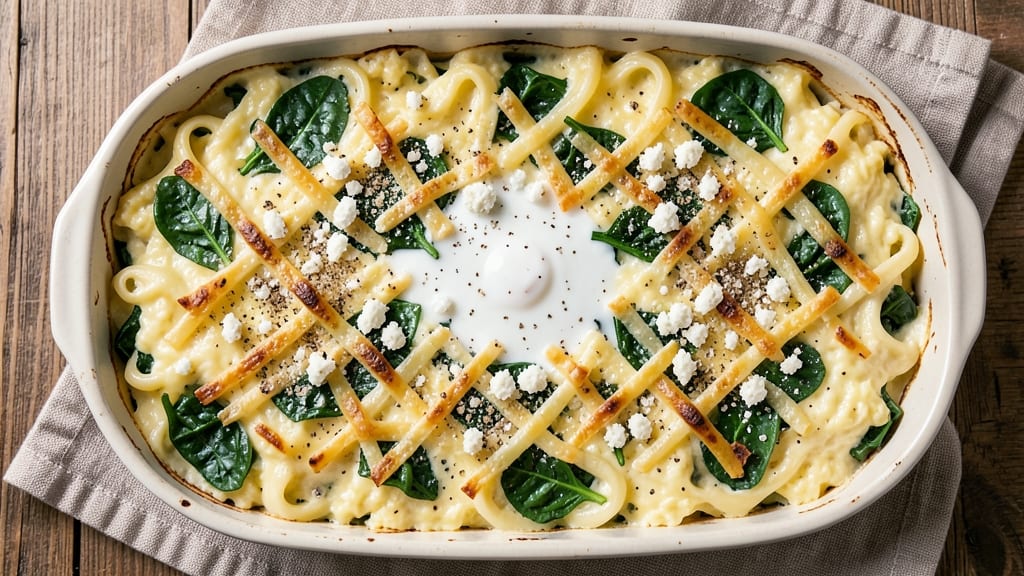
This spinach feta egg casserole recipe transforms simple ingredients into a vegetarian showstopper that's perfect for brunch or a hearty breakfast. The secret lies in layering wilted spinach, crumbled feta, and creamy eggs—creating golden, bubbly cheese bites with tender greens in every bite.
I developed this recipe after testing countless variations, and it consistently delivers restaurant-quality results with minimal effort.
The magic happens in the oven at 350°F, where the eggs set into a fluffy, custard-like texture while the feta melts into gooey, stretchy strands. This dish is foolproof—no fancy techniques required—just a baking dish, a few pantry staples, and about 30 minutes of hands-off time.
The spinach wilts perfectly, the feta adds salty richness, and the eggs bind everything together into a cohesive, satisfying bite.
What you’ll end up with is a golden, cheesy casserole that’s crispy on top and creamy inside, with pockets of melted feta and wilted spinach in every forkful. It’s hearty enough to serve as a main dish but light enough to enjoy with a side salad or crusty bread.
The best part? It reheats beautifully, making it ideal for meal prep or feeding a crowd.
For extra flavor, consider adding diced tomatoes or swapping feta for goat cheese. Serve warm with a sprinkle of fresh herbs or a drizzle of hot sauce for a restaurant-worthy finish. Let’s get baking!
Ingredients for spinach feta egg casserole
Twelve ingredients transform into a restaurant-worthy vegetarian casserole with golden cheese bites and tender spinach layers.
| Ingredient | Amount | Notes |
|---|---|---|
| Large Eggs 🥚 | 8 whole | Room temperature for even baking |
| Fresh Spinach 🌿 | 10 oz | Baby spinach, roughly chopped |
| Crumbled Feta Cheese 🧀 | 1 ½ cups | High-quality, salty variety |
| Heavy Cream 🥛 | ½ cup | Full-fat for optimal richness |
| Shredded Mozzarella Cheese 🧀 | 1 cup | Part-skim for balanced texture |
| All-Purpose Flour 🌾 | ¼ cup | For light binding texture |
| Salt 🧂 | 1 ½ tsp | Diamond Crystal kosher salt |
| Black Pepper 🌶️ | ½ tsp | Freshly cracked for depth |
| Garlic Powder 🧄 | ½ tsp | For subtle aromatic base |
| Extra-Virgin Olive Oil 🫒 | 2 tbsp | Light drizzle for crisp topping |
| Milk 🥛 | ½ cup | Whole milk preferred |
| Dried Oregano 🍃 | ¼ tsp | Mediterranean variety |
The feta cheese is the star here—opt for domestic feta from specialty markets like Whole Foods or Trader Joe's for superior saltiness and texture. Pre-shredded cheese often contains anti-caking agents that prevent proper melting, so grate your own from a block for that authentic, gooey result. Fresh spinach should be vibrant green, not wilted or yellowing. Baby spinach works best as it wilts evenly without excess moisture. For optimal flavor, use extra-virgin olive oil with a peppery finish—avoid the mild varieties that lack depth. The eggs should be large and fresh for perfect custard formation, and room temperature ensures even baking throughout.
No heavy cream? Full-fat Greek yogurt works beautifully as a 1:1 substitute, though the texture will be slightly tangier. Substituting feta for goat cheese adds a tangy complexity, but reduce the amount by 20% to avoid overpowering the dish. If you're avoiding gluten, omit the flour entirely—though it does help create that signature crispy top. For extra richness, consider adding 1/4 cup sour cream to the egg mixture. The garlic powder can be swapped for fresh minced garlic at 1/2 teaspoon, but dried is more convenient and equally effective. Pre-shredded mozzarella contains starch additives that prevent proper melting, so grate your own from a block for authentic results.
This casserole reheats beautifully—350°F for 10-12 minutes restores its creamy texture perfectly. Store leftovers in an airtight container for up to 4 days in the refrigerator, or freeze for 3 months by wrapping tightly in foil. For meal prep, assemble the dish the night before and bake fresh in the morning—this ensures the spinach stays vibrant and the cheese melts evenly. The crispy top is best enjoyed immediately, but the creamy interior holds up well for 2-3 days of reheating. Portion into individual servings before freezing for quick grab-and-bake breakfasts.
Why You'll Love This Recipe
- One-Pan Magic: I swear by this recipe on days when I’m too tired to wash dishes. Spinach wilts in seconds, eggs set perfectly, and that feta-mozzarella blanket? It all bakes together on one sheet pan—no fuss, no stress.
- Salty-Savory Balance: The feta crumbles melt into gooey pockets while the mozzarella adds that stretchy, cheesy pull. Honestly, the heavy cream makes it feel indulgent, but the spinach keeps it light—like a cozy hug in bite form.
- Meal Prep MVP: I make a double batch every Sunday because it reheats like a dream. Pack it for lunches or freeze portions—just pop it in the oven when you’re ready. (Yes, even on a Tuesday night.)
- Budget-Friendly Luxury: Fresh spinach and eggs are cheap staples, but the feta and mozzarella make it feel special. Between us, this casserole costs half what takeout does, and it’s way better the next day—if there’s any left.
Step-by-step instructions for spinach feta egg casserole
This method delivers perfectly bubbly cheese bites with tender spinach—no overcooking, no soggy bottoms.
Prepare the Spinach and Cheese Mixture
In a large bowl, combine the 10 oz fresh spinach, 1.5 cups crumbled feta cheese, 1 cup shredded mozzarella cheese, 0.5 tsp garlic powder, and 0.25 tsp dried oregano. Using your hands, gently massage the spinach until it wilts and releases its moisture—about 2 minutes. This step ensures the spinach cooks down properly and distributes the feta evenly throughout the casserole.
Real talk: Don't skip the massaging. The spinach needs to break down so it doesn't stay crunchy in the finished dish. If it looks too wet after mixing, press it gently with a paper towel to absorb excess moisture before proceeding.
Create the Egg and Cream Base
In a separate bowl, whisk together the 8 whole large eggs, 0.5 cup heavy cream, 0.5 cup milk, 0.25 cup all-purpose flour, 1.5 tsp salt, and 0.5 tsp black pepper until fully combined. The mixture should be smooth with no visible streaks of flour. I use a whisk for this—it incorporates air better than a fork and creates a lighter texture in the final casserole.
Here's the thing—this is where the magic happens. The flour acts as a natural thickener, while the heavy cream and milk add richness. If you notice the mixture is too thick after whisking, add 1-2 tablespoons of water to reach a pourable consistency. The goal is a smooth, velvety batter that will coat the spinach perfectly.
Combine and Transfer to Baking Dish
Pour the egg mixture over the spinach and cheese in the large bowl. Using a spatula, gently fold everything together until the spinach is evenly distributed. Transfer the mixture to a 9x13-inch baking dish that has been lightly greased with 2 tbsp extra-virgin olive oil. Spread the mixture evenly across the bottom, making sure to tap the dish gently on the counter to eliminate any air pockets.
This even distribution is critical for consistent baking. If you see any dry spots with feta clumps, use your fingers to break them up and blend them into the mixture. The olive oil greasing prevents sticking and helps create that golden, crispy top we're after.
Bake to Golden Perfection
Preheat your oven to 350°F. Bake the casserole for 40-45 minutes until the top is golden brown and the center is just set—when you insert a knife, it should come out clean with no wet batter clinging to it. The edges should pull away slightly from the baking dish, indicating it's ready.
Don't overbake this dish. You want the eggs to be just set in the center, not rubbery. The casserole will continue cooking slightly as it rests. If you notice the top browning too quickly before the center is set, tent it loosely with aluminum foil for the last 10 minutes of baking to prevent over-browning.
Pro Tips For Making Spinach Feta Egg Casserole
- Preheat Pan, Not Just Oven: I learned this the hard way—skipping a hot skillet for wilting spinach means soggy greens by the time they hit the casserole. Heat a nonstick pan over medium-high, add a splash of water, and cover until spinach just collapses (about 2 minutes). Squeeze out every last drop of moisture before mixing with eggs—wet spinach turns your creamy base into a watery mess.
- Use Room-Temp Eggs: Cold eggs from the fridge won’t blend smoothly into the heavy cream, leaving you with lumps that turn into rubbery egg curds in the oven. Crack them into a bowl 10 minutes before mixing—just enough time to warm up without getting too runny. Trust me, your casserole’s texture will be silky, not grainy.
- Layer Cheese Strategically: Dumping all the feta on top means it’ll melt into a salty sludge while the mozzarella stays bland. Fold half the feta into the egg mixture, then sprinkle the rest evenly over the top layer of mozzarella. The heat will soften the feta just enough to create pockets of tangy flavor without overwhelming the dish.
- Bake Until Golden, Not Just Set: Your casserole might look "done" at 350°F for 25 minutes, but that’s when it’s still pale and gummy inside. Crank the oven to 375°F for the last 10 minutes to get a crispy, golden top—this is where the mozzarella gets that perfect pull-apart texture. Watch for edges lifting; that’s your cue to broil for 1-2 minutes (keep an eye on it, or you’ll burn the top).
Serving suggestions for leftovers
Brunch Table Centerpiece
Serve this casserole as the star of your brunch spread with a few simple additions. I love arranging it on a wooden board with warm crusty baguette slices and a small bowl of whipped Greek yogurt for drizzling.
The golden crust contrasts beautifully with the rustic bread, while the yogurt adds a cool, creamy element that balances the richness. 🥖
Salad Contrast Plating
A fresh arugula salad with lemon vinaigrette makes the perfect accompaniment. Toss 4 cups baby arugula with 2 tbsp extra-virgin olive oil, 1 tbsp lemon juice, ½ tsp Dijon mustard, and a pinch of salt.
The peppery bite cuts through the creamy casserole while maintaining the Mediterranean theme. Add toasted pine nuts for crunch if you want extra texture.
Breakfast-for-Dinner Option
Transform this into a satisfying dinner by serving it alongside roasted cherry tomatoes and garlic sautéed mushrooms. Toss 1 pint cherry tomatoes with 1 tbsp olive oil, ½ tsp dried thyme, and roast at 400°F for 15 minutes.
For mushrooms, cook 8 oz sliced cremini mushrooms in 1 tbsp butter with 2 minced garlic cloves until golden. The earthy flavors complement the casserole beautifully.
Make-Ahead Serving Strategy
For meal prep, assemble the casserole the night before and refrigerate uncovered for 2-3 hours to let flavors meld. Bake fresh in the morning for the best texture. Portion into individual 8x8-inch baking dishes and freeze for quick breakfasts—just reheat at 350°F for 15-20 minutes.
I keep a few pre-portioned dishes in my freezer for busy mornings when I need a hot, satisfying meal in minutes.
Coffee Pairing Perfection
This casserole pairs wonderfully with bold coffee flavors. A medium-roast dark coffee with notes of chocolate and caramel enhances the salty feta and creamy eggs. For tea lovers, a chamomile or Earl Grey provides a soothing contrast to the savory dish.
Serve with a dash of cinnamon on the coffee for an unexpected but delicious twist that complements the Mediterranean flavors.
Kid-Friendly Presentation
Make it fun for kids by cutting the casserole into fun shapes with cookie cutters before baking. Use a 9-inch round cutter to create individual servings that look like mini pizzas.
Garnish with cherry tomato slices arranged in a smiley face or other playful patterns. The familiar shapes make it more appealing, while the cheesy goodness ensures they'll actually eat their greens!
Nutrition facts
Frequently asked questions
Can I use frozen spinach instead of fresh?
Use 10 oz thawed frozen spinach (well-drained) and squeeze out any excess moisture with a clean towel. The texture will be slightly softer than fresh, but the flavor remains excellent. Avoid using frozen spinach straight from the bag—it contains ice crystals that can make the casserole watery.
Why did my casserole turn out rubbery?
Overbaking is the most common cause. Remove it when the center is just set (40-45 minutes at 350°F)—it continues cooking while resting. Another possibility is using too much flour (over 1/4 cup) or eggs that were too cold. For extra creaminess, whisk in 2 tbsp sour cream with the egg mixture next time.
How can I make this gluten-free?
Replace the 1/4 cup all-purpose flour with 1/4 cup gluten-free 1:1 baking flour (like Bob's Red Mill). The texture will be slightly denser but still delicious. For extra binding, add 1 tbsp cornstarch to the egg mixture. Test with a small batch first to adjust consistency.
Can I add other vegetables?
Yes! Try diced bell peppers, sun-dried tomatoes, or zucchini> (sautéed first to remove moisture). For heartier versions, add 1 cup cooked quinoa or diced potatoes> (parboiled). Keep total additions under 1 cup to maintain the egg-to-cheese balance.
What's the best way to reheat leftovers?
For best results, cover with foil and reheat at 350°F for 10-15 minutes until warmed through. Microwave reheating works in 2-3 minutes> (covered, 50% power) but may make the top slightly rubbery. Never reheat to a steaming point—this makes the eggs dry out.