
Breakfast & Brunch
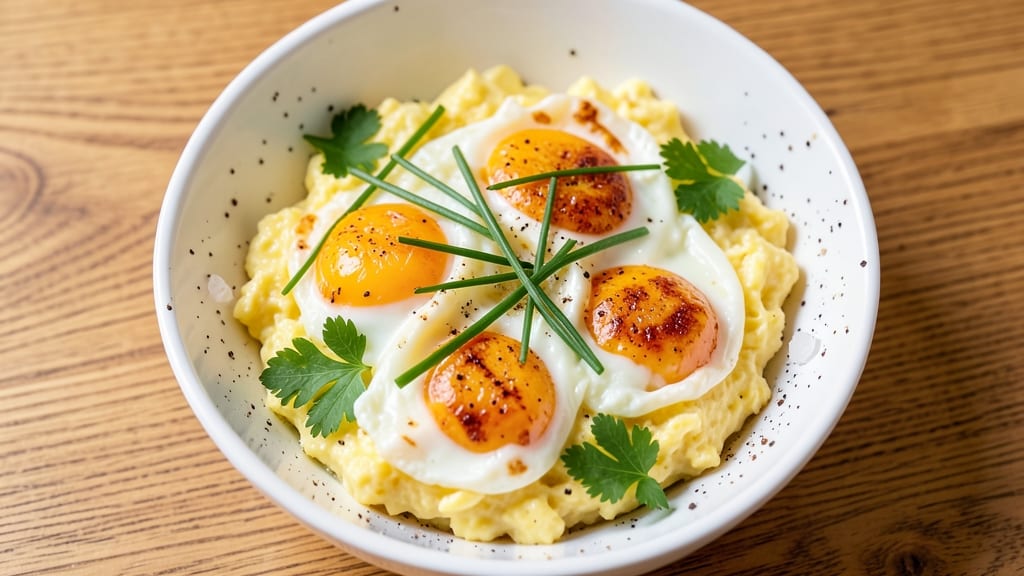
This special scrambled egg recipe transforms a simple breakfast staple into a luxurious dish with velvety ribbons of egg, fragrant herbs, and rich butter—perfect for elevating your morning routine. The secret lies in low-and-slow cooking over medium-low heat, ensuring tender curds that melt in your mouth rather than turn rubbery. I’ve perfected this technique over years of testing, and it’s become my go-to for weekend brunches or a restaurant-worthy weekday breakfast.
What sets these scrambled eggs apart is the balance of texture and flavor: creamy yet light, with delicate herb notes from chives and parsley that brighten every bite. The butter adds a luxurious richness without overpowering the eggs’ natural taste, while a pinch of salt and pepper enhances their depth.
This method also allows for customization—add cheese for extra indulgence or swap in spinach for a pop of color and nutrition.
By the time you’re done, you’ll have a dish that’s restaurant-quality yet effortless to make, with just 5 minutes of active time and 10 minutes total. The eggs will be silky, the herbs will perfume the air, and the buttery finish will leave you reaching for seconds.
It’s the kind of breakfast that makes you feel like you’re dining out, even when you’re cooking at home.
Serve with toasted sourdough, fresh fruit, or a sprinkle of flaky salt for the full experience. This recipe is designed to impress—whether it’s for a lazy weekend morning or a weeknight treat. Let’s get started!
Ingredients for special scrambled egg
Eight ingredients, five minutes of work—transforming simple eggs into a restaurant-worthy breakfast masterpiece.
| Ingredient | Amount | Notes |
|---|---|---|
| Large Eggs 🥚 | 8 whole | Fresh, room temperature preferred |
| Unsalted Butter 🧈 | 4 tbsp | European-style for higher fat content |
| Fresh Chives 🌿 | ¼ cup | Finely chopped, mild onion flavor |
| Fresh Parsley 🌿 | ¼ cup | Flat-leaf, finely chopped |
| Diamond Crystal Kosher Salt 🧂 | ¼ tsp | Fine grain for even distribution |
| Freshly Ground Black Pepper 🌶️ | ¼ tsp | Cracked peppercorns preferred |
| Extra-Virgin Olive Oil 🫒 | 1 tsp | For nonstick finish if needed |
| Sourdough Bread 🍞 | 4 slices | Toasted, for serving |
| Lemon Zest 🍋 | ½ tsp | Optional, for brightness |
| Flaky Sea Salt 🧂 | 1 tsp | For garnish, like Maldon |
The butter makes all the difference here. European-style unsalted butter has more fat, which means richer, creamier eggs without being greasy. Plugrá or Kerrygold are my go-tos, but any high-quality brand works. If you're using salted butter, skip the extra salt at the end. Fresh eggs are ideal—they have firmer whites and richer yolks, but if you're using older eggs, they'll still work beautifully. The chives and parsley? Buy fresh bunches and chop them just before adding to the eggs—they lose their vibrancy fast once cut. If you can't find fresh, dried herbs at half the amount will do in a pinch.
No chives? Green onions at double the amount work perfectly. Short on parsley? Cilantro or basil add a different but equally delicious twist. The olive oil is just a backup—you might not even need it if your pan is nonstick. For extra indulgence, add shredded Gruyère or sharp cheddar at the end, but keep it to about 2 tbsp per serving so it doesn't overpower. The lemon zest is optional but adds a bright, fresh finish that cuts through the richness of the butter. If you're making this ahead, skip the zest until serving—it loses its potency when mixed in.
These eggs are best served immediately, but you can prep everything ahead. Whisk the eggs and measure out your butter and herbs in separate bowls so assembly is quick. The toast can be made in advance and reheated in a toaster or oven. If you're serving a crowd, make the eggs in batches—keep the first batch warm in a low oven (200°F) while you cook the next. Store any leftovers for up to 2 days in the fridge, but reheating scrambled eggs isn't ideal—they'll get rubbery. Instead, use them for breakfast burritos or frittatas. The flaky salt keeps best in a dry place for up to a year, so keep it in its original packaging.
Why You'll Love This Recipe
- Zero-Fuss Mornings: I swear by this for days I’m running late—just melt butter in a pan, crack in eggs, stir once with a fork, then fold in those bright green herbs. No flipping, no fuss, and honestly? The best scrambled eggs I’ve ever made.
- Buttery Herb Magic: That first bite of creamy eggs with crispy edges, then the fresh parsley and chives? It’s like a flavor upgrade I didn’t know I needed. The salt makes it pop—not too much, just enough to wake up your taste buds.
- Lunchbox Hero: Pack these for work or school—stays warm for hours (yes, even in a paper bag) and feels fancy enough for a meeting. My kids actually eat them cold in sandwiches, and I’ll take that win any day.
- Pantry Goldmine: Eggs and butter are cheap, and herbs last forever if you freeze them. This recipe costs me pennies but tastes like a restaurant plate. Plus, leftovers reheat like a dream—just add a splash of water and cover.
Step-by-step instructions for velvety ribbon scrambled eggs
Here's how to make silky, herb-infused scrambled eggs that melt in your mouth.
Whisk Eggs and Season Lightly
Crack the 8 whole large eggs into a medium bowl and add the 0.25 teaspoon Diamond Crystal kosher salt and 0.25 teaspoon freshly ground black pepper. Whisk vigorously for about 30 seconds until the yolks and whites are fully combined and the mixture is uniform. I like to use a fork for this step—it gives you better control than a whisk for gentle mixing.
This light whisking prevents over-aeration, which can make eggs tough. The eggs should look pale yellow with no streaks of white remaining. Add the 0.5 teaspoon lemon zest now if you're using it—this brightens the flavor and balances the richness of the butter.
Melt Butter and Prepare the Pan
Heat a 10-inch nonstick skillet over medium-low heat. Add the 4 tablespoons unsalted butter and let it melt completely, swirling occasionally. You want the butter to foam gently but not brown—this ensures a rich, creamy finish without bitterness. I like to use European-style butter here because it has a higher fat content, which gives these eggs their signature velvety texture.
Once the butter is fully melted and the foam subsides, add the 1 teaspoon extra-virgin olive oil. This creates a nonstick barrier that prevents the eggs from sticking to the pan. The combination of butter and oil gives you the best of both worlds—rich flavor from the butter and a smooth release from the oil.
Cook Eggs Low and Slow for Perfect Ribbons
Pour the egg mixture into the skillet and let it sit undisturbed for about 30 seconds. This allows the bottom of the eggs to set slightly without stirring. After that initial wait, use a silicone spatula to gently push the eggs from one side of the pan to the other, creating soft, delicate ribbons. Work quickly but gently—you're not scrambling in the traditional sense, but rather creating a smooth, creamy texture.
Continue this gentle folding motion for about 2 to 3 minutes, until the eggs are just set but still slightly runny in the center. The key is to keep the heat low—you're aiming for a creamy, custard-like consistency rather than dry, curdled eggs. If the eggs start to brown too quickly, reduce the heat slightly or move the pan to a cooler spot on the burner.
Finish with Herbs and Flaky Salt
When the eggs are almost fully cooked but still slightly soft in the center, remove the pan from heat. Sprinkle the 0.25 cup finely chopped fresh parsley and 0.25 cup finely chopped fresh chives evenly over the eggs. Fold them in gently with the spatula, just until combined—you want the herbs distributed throughout without overmixing, which could make the eggs tough.
Return the pan to the burner for just 10 to 15 seconds to warm through the herbs. Then, immediately transfer the eggs to a serving platter. Sprinkle the 1 teaspoon flaky sea salt evenly over the top. The salt should melt slightly from the residual heat, creating little pools of salty goodness that enhance the richness of the eggs.
Serve Immediately with Toasted Bread
Toast the 4 slices sourdough bread until golden and crisp. Serve the scrambled eggs immediately, while still warm and creamy, alongside the toast. The contrast of the crispy bread with the velvety eggs is what makes this dish truly special. Each bite should be rich, herby, and perfectly balanced—no dry or rubbery texture here.
For an extra touch, you can drizzle a little more melted butter over the top just before serving. This adds an extra layer of richness and ties everything together. Enjoy your eggs while they're hot, as they'll continue to set slightly as they cool.
Pro Tips For Making Special Scrambled Egg
- STOP WHISKING THE EGGS: Crack them right into the bowl, let the yolks stay slightly lumpy—this keeps them rich and tender. I used to whisk like my life depended on it, but now I just give them a quick stir with a fork. The butter’s heat will do the rest.
- MELT THE BUTTER FIRST: Get that butter foaming and golden before adding eggs—this creates a flavorful crust at the bottom. I learned this the hard way after making eggs that tasted bland. A 3-inch pan on medium-high works best; don’t skimp on the butter.
- SALT THE EGGS BEFORE THEY HIT THE PAN: Mix in a pinch of kosher salt (about ¼ teaspoon per 2 eggs) while they’re still in the bowl. This distributes it evenly and lets the salt bloom into the eggs. Trust me, salting after is a rookie move.
- CHOP HERBS AFTER COOKING: Fold in chives and parsley at the very end, right when the eggs are just set. If you add them earlier, they’ll wilt into oblivion. A sharp knife and a quick chop make all the difference—no need for tiny confetti.
Storing and reheating this recipe
Refrigerator Storage
Scrambled eggs don’t reheat well, but if you must store them, let them cool completely before transferring to an airtight container lined with parchment paper. I recommend using glass containers like Pyrex to preserve texture better than plastic.
Store for up to 2 days at 40°F or below, but plan to use them in a breakfast burrito or frittata where texture isn’t as critical. 🥚
Freezing for Later
Freezing scrambled eggs isn’t ideal, but if you’re prepping ahead, spread them in a single layer on a baking sheet and freeze until solid. Then transfer to a freezer-safe bag, squeezing out excess air.
Thaw overnight in the fridge—never microwave directly from frozen—as this makes them rubbery. Use within 1 month for best quality. 🧊
Reheating Methods
If reheating is unavoidable, use the gentlest method possible. Warm eggs in a nonstick skillet over low heat with 1 tablespoon butter or oil per serving, stirring constantly for 1-2 minutes.
Avoid microwaving—it creates a gummy texture. For a quick fix, heat in a steamer basket over simmering water for 2 minutes. 🔥
Reviving Stale Eggs
If your eggs have lost their creaminess, try this trick: Heat 1 tablespoon heavy cream in a pan until steaming, then stir in the eggs. The cream’s fat content helps restore moisture.
For extra richness, fold in 1 teaspoon melted butter at the end. This works best with freshly made eggs stored for only 1 day. 💡
Make-Ahead Prep
Prep everything except the final cooking step ahead. Whisk eggs, measure herbs, and melt butter in advance. Store components separately in airtight containers in the fridge. When ready to cook, simply reheat the butter in the pan and pour in the eggs—total active time: 5 minutes.
This keeps the eggs fresh-tasting and ready for a quick breakfast. ⏰
Serving Leftovers
Transform leftover scrambled eggs into a breakfast hash by chopping them into bite-sized pieces and sautéing with diced potatoes, onions, and smoked paprika for 5 minutes. Add a fried egg on top for a hearty meal.
Alternatively, layer with cheese and bake at 375°F for 10 minutes to make a frittata. These methods disguise any texture loss beautifully. 🍳
Nutrition facts
Frequently asked questions
Why do these scrambled eggs turn out so creamy compared to regular scrambled eggs?
The secret lies in the low-and-slow cooking method over medium-low heat and using European-style butter (which has more fat). The gentle folding technique creates delicate ribbons rather than breaking the eggs into curds, while the butter adds richness without overpowering. Fresh herbs and proper seasoning also enhance the velvety texture.
Can I make this recipe with fewer eggs or adjust the serving size?
This recipe scales easily. For 2 servings, use 4 eggs and 2 tbsp butter. For 6 servings, use 12 eggs and 6 tbsp butter. Just maintain the same ratio: 1 tbsp butter per 2 eggs. The cooking time may increase slightly for larger batches, so keep the heat at medium-low.
What’s the best way to prevent scrambled eggs from turning rubbery?
Avoid overcooking and high heat! Remove the pan from heat just before the eggs are fully set (they’ll finish cooking from residual heat), and never stir vigorously. Use fresh eggs (older eggs have tougher whites) and cook over medium-low heat for 2-3 minutes total. The butter and olive oil combo also helps maintain moisture.
Can I substitute the herbs or add other ingredients?
Yes! Swap chives for green onions or tarragon, and parsley for basil or cilantro. For extra flavor, add 2 tbsp shredded Gruyère or cheddar at the end, or fold in 1 cup sautéed spinach or mushrooms when the eggs are nearly done. Just avoid overmixing after adding extras to keep them creamy.
How do I make these scrambled eggs ahead of time for a brunch?
Prep everything except the final cooking step: whisk eggs, measure herbs, and melt butter in advance. Store components separately in airtight containers in the fridge. When ready, cook as directed—total active time: 5 minutes. For a make-ahead brunch, keep cooked eggs warm in a low oven (200°F) while finishing other dishes.