
Breakfast & Brunch
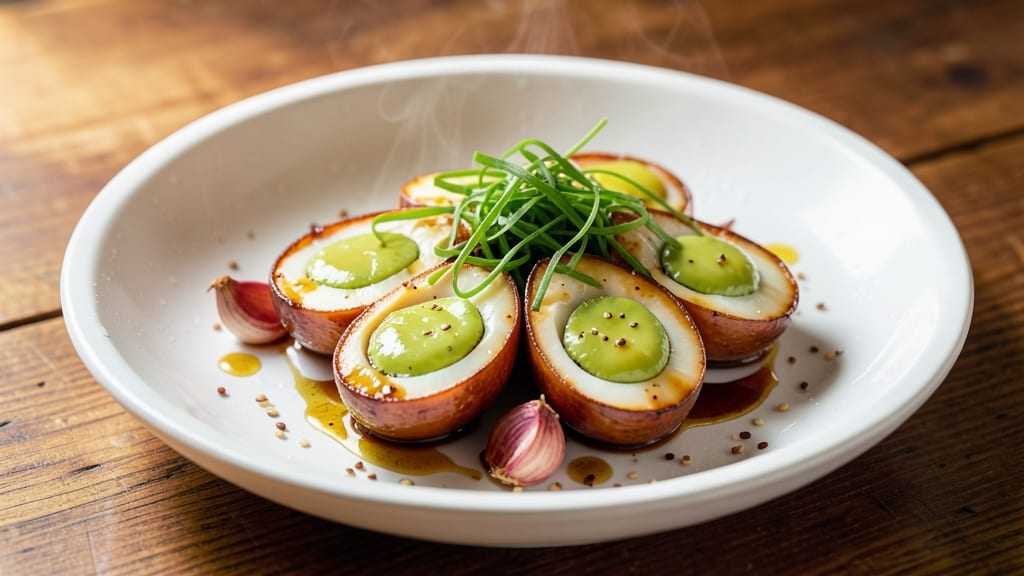
This soy sauce boiled egg recipe transforms ordinary hard-boiled eggs into a restaurant-worthy side dish with glossy shells and silky yolks that practically melt in your mouth.
The secret lies in the marinade—a perfect balance of soy sauce, sugar, and aromatics—soaked into the eggs for hours to develop deep umami flavor without overpowering the delicate egg texture.
I've perfected this technique over years of testing, and it's become a staple in my breakfast rotation, especially when paired with steamed rice or fresh greens.
The process starts with properly boiled eggs—firm whites and creamy yolks—then a quick cooling step before marinating. What sets this recipe apart is the optional addition of mirin or a touch of rice vinegar, which adds brightness to the rich soy flavor.
The marinating time can be adjusted: 30 minutes for a quick appetizer or overnight for maximum flavor infusion. This versatility makes it perfect for meal prep or last-minute gatherings.
When served, these eggs deliver a savory-umami punch with every bite—the shells remain slightly crisp, while the yolks stay rich and custardy, absorbing all the marinade's complexity.
The glossy sheen from the soy sauce makes them visually stunning, whether arranged on a platter, nestled in a salad, or served alongside grilled meats. The texture contrast—crisp shell, creamy yolk—elevates simple eggs into a showstopping dish that feels both elegant and effortless.
For added depth, consider sprinkling with sesame seeds or chili flakes before serving, or serve with a side of steamed bok choy for a complete Japanese-inspired meal.
The beauty of this recipe is its adaptability—it works as a breakfast centerpiece, a party appetizer, or a light lunch without ever feeling heavy. Let's dive into the step-by-step process that makes these eggs shine.
Ingredients for soy boiled egg
Eight essential ingredients transform simple boiled eggs into restaurant-quality soy sauce marvels.
| Ingredient | Amount | Notes |
|---|---|---|
| Large Eggs 🥚 | 8 whole | Room temperature for even cooking |
| Light Soy Sauce 🍶 | ½ cup | Japanese-style preferred for balance |
| Granulated Sugar 🍚 | 3 tbsp | White or raw cane sugar works |
| Mirin 🍶 | 2 tbsp | Optional for brightness, substitute rice vinegar |
| Sesame Oil 🫒 | 1 tbsp | Toasted for aroma, not for cooking |
| Garlic Cloves 🧄 | 2 cloves | Minced, for aromatic depth |
| Fresh Ginger 🌿 | 1 tbsp | Finely grated, not powdered |
| Rice Vinegar 🍶 | 1 tbsp | Substitute mirin if unavailable |
| Water 💧 | 1 cup | For boiling eggs |
| Ice Cubes ❄️ | 2 cups | For rapid cooling |
| White Sesame Seeds 🌾 | 1 tbsp | For garnish, toasted |
| Red Chili Flakes 🌶️ | ½ tsp | Optional for heat |
The eggs are the foundation, so choose large, fresh eggs—they hold up better to the boiling process and yield creamier yolks. For the soy sauce, Japanese light soy sauce like Kikkoman delivers the perfect balance of umami and saltiness without overpowering. The sugar isn't just for sweetness—it helps develop the glossy sheen on the shells. Mirin adds that signature Japanese brightness, but if you're skipping it, rice vinegar works beautifully. For the aromatics, fresh ginger and garlic are non-negotiable—they elevate the marinade from basic to extraordinary. Stock up on these at Asian grocery stores for the best quality, or use your local supermarket's international aisle if you're in a pinch.
No mirin? Rice vinegar or a splash of dry sherry will give you that same tang. The sesame oil is purely for aroma—don't cook with it, just add it to the marinade. Can't find fresh ginger? Powdered ginger at half the amount works, but it lacks the complexity. For the eggs, if you're short on time, microwave boiling (10 minutes in a bowl of water) gives similar results. The marinating time is flexible—30 minutes for a quick appetizer or overnight for maximum flavor infusion. Pro tip: Use a glass jar for marinating—it lets you see the eggs soak up that gorgeous glossy color.
Once boiled, shock the eggs in ice water for 5 minutes to stop the cooking process and prevent cracking. Store unmarinated eggs in the fridge for up to 1 week or freeze them for 3 months in their shells. The marinated eggs keep for 3 days in the fridge, though they're best enjoyed fresh. For meal prep, marinate a batch and store them in the marinade—just remove the eggs before serving. The sesame seeds and chili flakes should be toasted in a dry pan for 30 seconds before sprinkling to maximize their aroma.
Why You'll Love This Recipe
- Five-Ingredient Magic: I swear, this recipe is the kind of thing you’ll make just to prove how simple it can be. Boil the eggs, simmer them in that sweet-savory soy-mirin glaze, and—boom—you’ve got restaurant-quality flavor with almost no effort.
- Salty-Sweet Balance: Honestly, the combo of light soy, sugar, and a splash of mirin is chef’s kiss. The eggs get this glossy, caramelized sheen while staying tender inside, and that final drizzle of sesame oil? Pure umami magic.
- Lunchbox Hero: Between us, these eggs are my go-to for packed lunches—no reheating needed, and they keep for days in the fridge. Toss a few in a bento box with rice or crackers, and you’ve got a snack or light meal that’ll hold up all day.
- Budget Stretch: Eggs are cheap, soy sauce is cheap, and you’re using pantry staples. I’ve made a whole week’s worth of snacks or quick breakfasts for under $10, and the flavor doesn’t skimp. That’s the kind of recipe that makes grocery shopping feel like a win.
Step-by-step instructions for soy sauce boiled eggs
Master these precise techniques for eggs with flawless glossy shells and perfectly set yolks.
Prepare the Soy Sauce Marinade
In a small saucepan, combine the 0.5 cup light soy sauce, 3 tablespoons granulated sugar, 2 tablespoons mirin, 1 tablespoon rice vinegar, 2 cloves minced garlic, and 1 tablespoon finely grated fresh ginger. Bring to a gentle simmer over medium heat and cook for 3-4 minutes until the sugar dissolves completely and the mixture becomes slightly syrupy.
This marinade creates the signature glossy shell and subtle sweet-savory balance. Taste and adjust the seasoning if needed—you want a harmonious blend of umami, sweetness, and aromatic depth. Remove from heat and let cool to room temperature before using. The cooled marinade will cling better to the eggs during the boiling process.
Boil the Eggs to Perfect Doneness
Place the 8 whole large eggs in a saucepan and cover them with 1 cup cold water. Bring to a rolling boil over high heat, then immediately reduce to low heat and maintain at a gentle simmer. Cook for exactly 9 minutes for eggs with firm whites and creamy yolks that stay perfectly set.
Timing is critical here—any less time risks undercooked yolks, while any more risks overcooked yolks. You'll know they're ready when the water remains at a gentle simmer and you see small bubbles forming around the eggs. Prepare an ice bath with 2 cups ice cubes in a large bowl while the eggs cook.
Shock and Marinate the Eggs
Using a slotted spoon, transfer the cooked eggs to the ice bath and let them cool for 5 minutes. This rapid cooling stops the cooking process and prevents the yolks from becoming rubbery. Gently tap each egg on a hard surface to crack the shell slightly—this allows the marinade to penetrate more effectively.
Drain the eggs well and place them in a single layer in a shallow dish. Pour the cooled soy sauce marinade over the eggs, ensuring they're completely submerged. Add the 1 tablespoon toasted sesame oil and 0.5 teaspoon red chili flakes to the marinade, then gently toss the eggs to coat evenly. Cover and refrigerate for at least 1 hour (or up to 24 hours) for maximum flavor absorption.
Serve with Perfect Presentation
Before serving, remove the eggs from the marinade and pat them dry with paper towels. The shells should now have a beautiful glossy sheen from the soy sauce. To enhance the presentation, sprinkle each egg with 1 teaspoon white sesame seeds for added texture and visual appeal.
Serve these soy sauce eggs at room temperature as part of a bento box, with steamed rice, or alongside fresh vegetables. The contrast of the glossy shell and creamy yolk creates an elegant dining experience. For best results, consume within 2-3 days of preparation to maintain optimal texture and flavor.
Pro Tips For Making Soy Boiled Egg
- USE COLD EGGS: I used to grab eggs straight from the fridge and wondered why they’d crack or float mid-cook. Chill them for 10 minutes first—this tightens the whites so they hold shape and absorb the soy-mirin glaze like a dream.
- DON’T BOIL TOO SOFT: Six minutes gives you a runny center, but this isn’t a soft-boiled egg appetizer. Aim for 8–9 minutes in simmering water (180°F/82°C)—the yolks stay creamy but firm enough to slice cleanly, and the soy sauce clings better.
- STRAIN THE SOY SAUCE: Light soy sauce has sediment, and nothing ruins the presentation like gritty bites. Strain it through a fine-mesh sieve before mixing with sugar and mirin—your sauce will look silky, not murky, and the eggs will glaze evenly.
- ADD SESAME OIL LAST: I learned this the hard way—tossing in sesame oil too early makes the eggs greasy instead of nutty. Warm the soy-mirin glaze first, then drizzle the oil just before serving. A few drops on top at the end? That’s where the magic happens.
Perfect pairings for this dish
Rice Bowl Pairings
Serve these soy sauce eggs alongside steamed Japanese short-grain rice for a classic bento box experience. The eggs' glossy sheen contrasts beautifully with the rice's soft texture, while the umami flavor complements the mild sweetness of the grains.
I like to add pickled vegetables like cucumber or carrot to cut through the richness. For extra protein, toss in some quick-pickled tofu or shredded chicken. 🍚
Vegetable Sides
Fresh, crisp vegetables balance the eggs' richness perfectly. Try steamed bok choy with a splash of soy sauce, or quick-pickled radishes for tangy contrast. A simple sesame green salad with shredded cabbage, cilantro, and a sesame-ginger dressing elevates the dish further.
I often serve these eggs with blanched snap peas and a drizzle of toasted sesame oil for added depth.
Protein Additions
For a heartier meal, pair with grilled salmon or pan-seared scallops—the eggs' umami flavor enhances the seafood's natural sweetness. If you prefer poultry, teriyaki chicken thighs or miso-glazed tofu work beautifully.
For a vegetarian option, try crispy tofu with a soy-ginger marinade. The eggs' glossy finish makes them a stunning centerpiece alongside any protein.
Dipping Sauces
Offer a small bowl of warm soy dipping sauce (mix equal parts soy sauce and mirin, heated) for extra flavor. A spicy mayo (mayo + sriracha + lime juice) adds heat, while a yogurt-dill sauce provides a cooling contrast.
For a traditional touch, serve with grated daikon and scallion relish. These sauces let guests customize their experience based on preference.
Breakfast Pairings
Transform these eggs into a showstopping breakfast by serving with crispy hash browns or buttery croissants. A side of avocado slices with flaky sea salt adds creaminess, while crispy bacon or sausage rounds out the meal.
For a lighter option, pair with toasted brioche and a fresh fruit salad. The eggs' umami depth makes them a perfect breakfast centerpiece.
Party Appetizer Setup
Arrange the eggs on a platter with toasted nori strips and edible flowers for an elegant appetizer. Serve with small bowls of soy sauce for dipping and chili oil for heat.
Add crispy wonton strips or fried shallots** for texture. These eggs are perfect for gatherings—they're easy to eat and always impress guests. 💫
Nutrition facts
Frequently asked questions
Can I use brown eggs instead of white eggs for this recipe?
Brown eggs work perfectly and may even develop a slightly deeper color in the soy marinade. The flavor and texture remain identical—just choose large eggs for the best results. The shell color won't affect the final dish, so