
Breakfast & Brunch
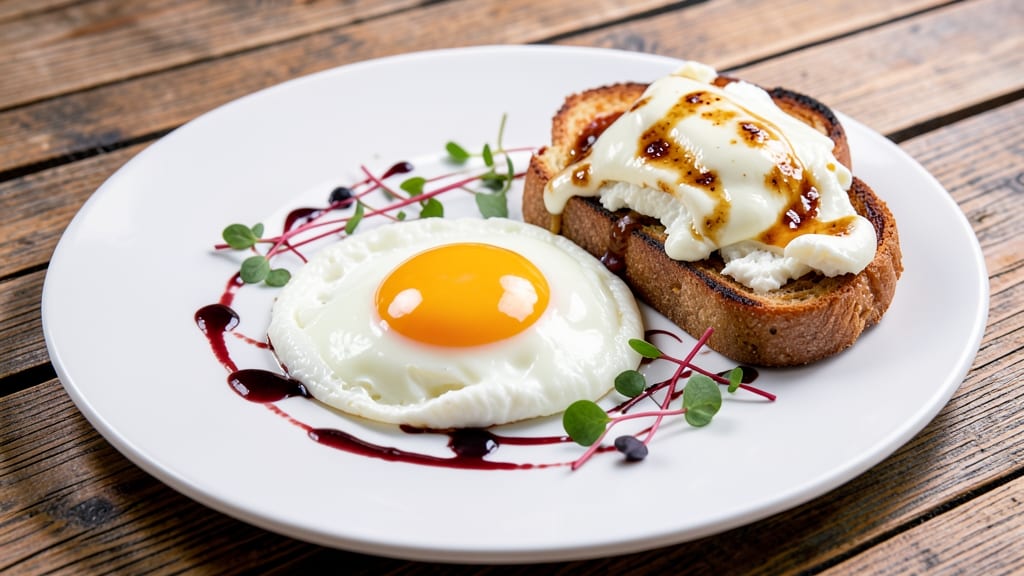
This soft poached egg recipe transforms breakfast into a culinary masterpiece with just three minutes of precision. The secret lies in hot water, gentle agitation, and fresh eggs—creating that signature silky yolk while maintaining a perfectly set white.
I’ve perfected this technique over years of experimentation, and it’s become my go-to for elegant breakfasts or gourmet salads.
The key to success starts with vinegar-infused water at a rolling boil, which helps the egg whites coagulate evenly. Fresh eggs are critical—they hold their shape better and yield that coveted runny yolk.
A slotted spoon and steady swirling motion ensure the whites set without breaking, while the yolk remains creamy and vibrant. This isn’t just an egg; it’s a restaurant-quality centerpiece.
Once mastered, these eggs elevate any dish—think crispy avocado toast, buttery croissants, or a fresh garden salad. The contrast of the silky yolk against crispy or crunchy textures makes every bite unforgettable.
The technique is simple, but the results feel luxurious, proving that even the smallest details can turn a simple meal into something extraordinary.
Ready in just 3 minutes, this method requires minimal ingredients but delivers maximum impact. Whether you’re hosting brunch or treating yourself to a special morning, these soft poached eggs will impress without the fuss. Let’s get started on creating your perfect runny yolk every time.
Ingredients for soft poached egg
Fresh eggs, precise water temperature, and vinegar—just what you need for silky perfection.
| Ingredient | Amount | Notes |
|---|---|---|
| Large Eggs 🥚 | 2 whole | Fresh, cold, room temperature preferred |
| White Vinegar 🍶 | ¼ cup | For water infusion |
| Water 💧 | 4 cups | Filtered or distilled preferred |
| Diamond Crystal Kosher Salt 🧂 | 1 tsp | For water seasoning |
| Ice Cubes ❄️ | ¼ cup | For post-cook water bath |
| Slotted Spoon 🍴 | 1 whole | Stainless steel preferred |
| Freshly Ground Black Pepper 🌶️ | ¼ tsp | For garnish |
| Extra-Virgin Olive Oil 🫒 | 1 tbsp | For serving vessel |
| Lemon Wedges 🍋 | 1 whole | For acid balance |
The eggs are non-negotiable here. Pasture-raised eggs from local farms yield the creamiest yolks, but any high-quality eggs will work. Look for bright, unbroken yolks when selecting. Vinegar is critical—it helps the whites set evenly without breaking. White vinegar is ideal, but apple cider vinegar works too. For the water, use a 4-cup stainless steel saucepan—it heats more evenly than glass or ceramic. Preheat your serving plates in a 200°F oven for 5 minutes to keep the eggs warm after cooking.
No vinegar? White wine or lemon juice at half the amount works in a pinch, though vinegar's acidity is ideal. Using older eggs? Add 1 extra ice cube to the water to help them hold shape. The kosher salt should be Diamond Crystal—it dissolves more easily than table salt. For a restaurant-style presentation, keep a small bowl of ice water nearby to quickly chill the eggs post-cooking. The olive oil should be extra-virgin and fruity—avoid the cheap supermarket brands that taste bitter. Lemon wedges add brightness but are optional if you prefer a neutral presentation.
Freshly cracked eggs should be used within 2 hours of purchase for optimal texture. Store any unused eggs in their original carton in the coldest part of your fridge. Vinegar-infused water can be prepped 1 hour ahead and kept at room temperature—just reheat to a rolling boil before use. Poached eggs reheat beautifully—place them in a 350°F oven for 3-4 minutes on a parchment-lined tray to maintain that silky texture. For meal prep, cook eggs just before serving to prevent overcooking.
Why You'll Love This Recipe
- Three-Ingredient Magic: I swear by this method—just eggs, vinegar, and water. Honestly, the vinegar’s tang cuts through the richness, and the ice bath keeps the whites tender. No fancy gadgets, no stress.
- Cloud-Like Texture: That runny yolk and silky white? It’s like biting into a cloud. Between us, the salt in the water tightens the egg just enough—no rubbery edges, no sad overcooked whites.
- Breakfast-to-Dinner Flex: Slip it onto toast for a lazy morning or nestle it into a grain bowl for lunch. I’ll be real: it’s my go-to for elevating sad leftovers (looking at you, day-old rice).
- Zero-Waste Luxury: Use the same pot for poaching and boiling pasta—saves me dish space. And since eggs are cheap, I can make a batch and refrigerate them for days. Cold eggs? Still taste like a fresh pull.
Step-by-step instructions for silky poached eggs
Master this technique and you'll achieve restaurant-quality poached eggs with perfectly set whites and runny yolks every time.
Prepare the Poaching Water
Combine the 4 cups water, 0.25 cup white vinegar, and 1 teaspoon Diamond Crystal kosher salt in a small saucepan. Place over medium-high heat until it reaches a gentle simmer—you should see small, consistent bubbles breaking the surface but not a full rolling boil. The vinegar lowers the egg whites' surface tension, helping them hold together during cooking.
Here's the thing—this simmer must be precise. Too vigorous and your whites will break apart; too gentle and they won't set properly. I like to adjust the heat so the water dances between bubbles and stillness, like a lazy summer rain. Keep the pan uncovered during this process to prevent any sudden temperature spikes that could cause splattering.
Crack and Poach the Eggs
Crack each of the 2 whole large eggs into a small ramekin or shot glass. This containment prevents the whites from spreading too much in the water. Once the water is at that perfect simmer, gently slide each egg into the water using the slotted spoon. The spoon helps maintain control and prevents the whites from dispersing prematurely.
Poach for exactly 2 minutes and 30 seconds—this gives you that ideal texture where the whites are fully set but the yolks remain gloriously liquid. Set a timer immediately after adding the first egg, as the water temperature will drop slightly with each addition. You'll notice the whites begin to curl around the yolk as they cook—this is your visual cue that things are progressing correctly.
Prepare the Ice Bath
While the eggs poach, fill a medium bowl with the 0.25 cup ice cubes and add enough cold water to cover the ice completely. This ice bath will halt the cooking process instantly and prevent the yolks from overcooking during transfer. The temperature contrast is crucial—it preserves that perfect silky texture we're working toward.
I always use the ice bath within 1 minute of removing the eggs from the water. The contrast between the hot eggs and cold ice water creates a gentle shock that locks in the texture. This step might seem unnecessary, but it's what separates good poached eggs from exceptional ones. Don't skip it—trust me on this one.
Transfer and Rest the Eggs
Using the slotted spoon, carefully transfer each poached egg to the ice bath. Let them sit for 30 seconds to fully chill. This resting period helps the whites firm up slightly while keeping the yolks perfectly runny. The ice water should be just below 40°F—if it warms up too much during this process, add more ice cubes.
After the ice bath, gently lift each egg out with the slotted spoon and place on a paper towel-lined plate. The paper towel helps absorb any excess moisture that could make the eggs slippery when serving. Let them rest for 1 minute at room temperature before serving—this final step allows the whites to set just enough to hold their shape when you plate them.
Finish and Serve
Drizzle each poached egg with 1 tablespoon extra-virgin olive oil to enhance the yolk's natural richness. Season with a pinch of 0.25 teaspoon freshly ground black pepper and serve immediately with the 1 lemon wedge for acid balance. The acidity cuts through the richness of the egg yolk, creating a perfect flavor profile.
Here's where it gets fun—serve these eggs over buttery toast, avocado slices, or even a simple bed of greens. The key is to serve them immediately while the yolks are still warm and liquid. If you notice the whites are slightly undercooked after the ice bath, you can gently reheat them in 140°F water for 10 seconds to set them without affecting the yolks.
Pro Tips For Making Soft Poached Egg
- Use Room-Temp Eggs: Cold eggs sink like rocks and fight you the whole time. Take them out of the fridge 10 minutes before poaching—yes, even if you’re in a hurry. I learned this the hard way when my eggs kept rolling around the pot like confused marbles.
- Boil Vinegar First: Add the vinegar to the simmering water before the eggs go in—this keeps the whites from tightening up too fast. I used to add it after and still ended up with eggs that looked like they’d been through a wringer.
- Salt the Water Light: Diamond Crystal kosher salt is less concentrated, so use just 1 teaspoon per quart of water—not the 2 tablespoons some recipes suggest. Too much salt makes the whites rubbery, and nobody wants that.
- Ice Bath Ready: Fill a bowl with ice water before you start cooking—you’ll need it to stop the eggs immediately after poaching. I’ve seen too many eggs overcook because someone forgot this step and left them in hot water “just a second longer.” Don’t be that person.
Wine and beer pairings for this soft poached egg
Crisp White Wine
A chilled Sauvignon Blanc from New Zealand or Loire Valley is my go-to pairing—its bright acidity and citrus notes mirror the freshness of the poached egg whites. Look for wines with 12-13% ABV to balance the richness without overpowering.
I love Cloudy Bay Sauvignon Blanc for its crisp finish that cleanses the palate between bites of silky yolk. 🍷
Light Beer Options
For beer lovers, a Belgian witbier like Stella Artois or Hoegaarden works beautifully—their coriander and citrus flavors complement the egg's delicate texture. Avoid heavy lagers or IPAs, which can clash with the egg's natural richness.
A 4-6% ABV wheat beer with effervescence helps cut through the fat in the yolk while enhancing the overall meal experience.
Sparkling Wine
Prosecco or Cava adds a luxurious touch to your poached egg presentation. The bubbles and slight sweetness in Prosecco DOC from Italy create a perfect contrast with the savory egg.
Serve chilled at 45-50°F for the best experience. This pairing elevates the dish to brunch-worthy elegance while keeping the flavors balanced. 🥂
Acidic Pairings
If you prefer non-alcoholic options, a lemon-infused sparkling water with a splash of tonic water mimics the acidity of wine. The bubbles enhance the egg's creaminess, while the lemon brightens the dish.
For a more substantial pairing, try a green tea-infused iced tea—the tannins complement the egg's richness without competing.
Regional Pairings
In France, these eggs shine with a Chablis—its mineral notes and crisp acidity create harmony. For a Southern U.S. twist, a Moscato d'Asti adds a touch of sweetness that balances the savory egg.
Each region offers unique pairings that enhance the dish's natural flavors while adding cultural depth to your meal experience.
Nutrition facts
Frequently asked questions
Why do my poached egg whites break apart?
This usually happens when the water temperature isn't controlled properly. You need a gentle simmer (not a rolling boil) with vinegar-infused water to help the whites coagulate evenly. Use medium-high heat and keep the pan uncovered. Also, try cracking eggs into a ramekin first to contain the whites better.
Can I make soft poached eggs ahead of time?
Freshness is key! These eggs are best made right before serving to maintain that perfect silky yolk. If you need to prep ahead, cook them just until the whites are set (2 minutes instead of 2:30), then store in ice water for up to 2 hours. Reheat gently in 140°F water for 10 seconds before serving.
What's the best way to serve these eggs?
These silky eggs shine over crispy avocado toast, buttery croissants, or a fresh arugula salad. For extra elegance, arrange them on a pre-warmed plate with a drizzle of extra-virgin olive oil and freshly cracked black pepper. The contrast of warm yolk with cool, crisp bases creates the perfect bite!
Can I use older eggs for poaching?
Older eggs (over 1 week) have thinner whites that spread more, making them harder to poach neatly. For best results, use fresh eggs (ideally 3-5 days old). If you must use older eggs, add 1 extra ice cube to the water and reduce cooking time by 10 seconds to prevent overcooking the yolks.
How do I know when the eggs are perfectly cooked?
Look for fully set whites that hold their shape while the yolks remain completely liquid with a slight wobble. The whites should curl slightly around the yolk. For timing, 2 minutes 30 seconds in gentle simmering water is ideal—set a timer immediately after adding the first egg to account for temperature drops.