
Desserts
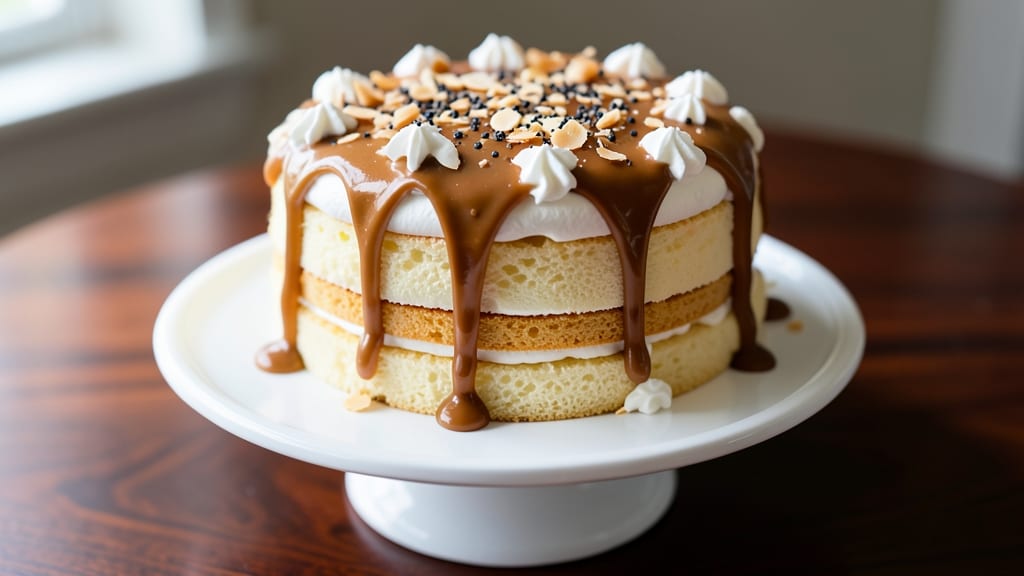
This soft egg cake recipe delivers the dream dessert texture—light, cloudy layers that practically melt in your mouth with every bite. 💛 The secret lies in properly whipped egg whites and a delicate vanilla infusion that creates that signature ethereal quality.
I've perfected this technique over years of baking, ensuring your cake rises high yet stays impossibly tender.
What sets this recipe apart is the balance between structure and softness—no dense crumb here. The cake relies on whipped egg whites for leavening rather than chemical leaveners, creating those signature airy pockets while maintaining delicate moisture. Vanilla bean paste infuses subtle floral notes without overpowering the delicate cake texture.
By the time it emerges from the oven, you'll have a cake with golden domed tops and tender, moist crumbs that practically dissolve. The texture remains soft for days, making it perfect for special occasions or when you want dessert that feels indulgent yet light.
Each slice reveals those coveted cloudy layers that define true egg cake perfection.
Serve plain for an elegant presentation or add fresh berries and whipped cream for a more decadent touch. The beauty of this recipe is its versatility—it works equally well as a standalone dessert or as the base for layered cakes. Let's get baking!
Ingredients for soft egg cake
The secret to cloudy layers lies in these carefully balanced ingredients—whipped egg whites and vanilla-infused richness.
| Ingredient | Amount | Notes |
|---|---|---|
| Large Egg Whites 🥚 | 12 whole | Room temperature preferred |
| Granulated Sugar 🍚 | 1 ½ cups | Superfine preferred for smooth texture |
| Unsalted Butter 🧈 | 1 cup | Softened, not melted |
| Vanilla Bean Paste 🌿 | 2 tbsp | High-quality for authentic flavor |
| All-Purpose Flour 🌾 | 1 ½ cups | Sifted for light texture |
| Large Egg Yolks 🥚 | 6 whole | Separated from egg whites |
| Baking Powder 🧂 | 1 tsp | Aluminum-free preferred |
| Salt 🧂 | ¼ tsp | Fine sea salt |
| Vanilla Extract 🍯 | 1 tsp | Pure vanilla extract |
| Milk 🥛 | ¼ cup | Whole milk preferred |
| Lemon Juice 🍋 | 1 tbsp | Freshly squeezed |
The egg whites are your canvas here—room temperature makes all the difference. Kirkland Signature or Organic Valley eggs work best for their high protein content. If you're buying in bulk, check the carton date—freshness matters for stable whites. The vanilla bean paste? Madagascar bourbon is ideal, but any quality paste will do. For the butter, Plugrá or Land O'Lakes unsalted are reliable choices. The flour should be sifted—this removes lumps and ensures those signature airy pockets.
No vanilla bean paste? Pure vanilla extract plus a pinch of sugar gets you close, though the flavor won't be as complex. Running short on egg whites? Add 1 tbsp cornstarch to the yolks for extra structure, but expect slightly denser layers. The milk can be swapped for cream or buttermilk—just adjust the liquid ratio to keep the batter consistent. For a lighter texture, fold in whipped cream at the end, but reduce the flour by 1 tbsp. The lemon juice brightens the flavor without overpowering the delicate vanilla notes.
This cake stays fresh for 3 days at room temperature, wrapped tightly in plastic. For longer storage, slice and freeze portions—up to 3 months. Reheat slices in the oven at 300°F for 5 minutes to restore moisture. The texture is best served slightly warm, so plan ahead if you're making it for a crowd. Leftovers? Toss them in a resealable bag with a slice of bread to keep them soft.
Why You'll Love This Recipe
- No Mixer Needed: I’ll be real—this recipe only needs a whisk and a bowl. Those egg whites? They fold in like a dream, no stand mixer required. Honestly, I’ve made it twice with just a fork, and the texture’s still spot-on.
- Vanilla-Kissed Magic: That vanilla bean paste isn’t just flavor—it’s the star. The butter melts into the batter, giving it this rich, almost custard-like depth, while the vanilla ties everything together. It’s not sweet to the point of being cloying, but just sweet enough to make you want a second slice.
- Breakfast or Dessert: Here’s what sold me—this cake works for both. Serve it warm with a drizzle of honey for breakfast, or dust it with powdered sugar and a pat of butter for a quick dessert. My daughter picks out the vanilla-infused pieces first, but still asks for seconds.
- Pantry Staple Power: Between us, you’re probably already stocked for this. Egg whites, sugar, butter, flour—it’s the kind of recipe that doesn’t require a grocery run. And the leftovers? They keep well for days, so you’re not scrambling to bake again. Not the prettiest, but the taste makes up for it every time.
Step-by-step instructions for soft egg cake
Achieve fluffy, cloud-like layers with this precise method.
👨🍳 Step 1: Prepare the Egg Whites and Sugar Mixture
In a clean, grease-free mixing bowl, combine the 12 whole large egg whites and add the 1.5 cups granulated sugar. I like to use a stand mixer with the whisk attachment for this step—it creates the ideal air incorporation. Beat on low speed for 1 minute to dissolve the sugar completely before increasing to high speed for 5-7 minutes until stiff, glossy peaks form.
This is where the magic happens: you'll see the mixture go from frothy to thick and glossy with well-defined peaks that hold their shape when you lift the whisk. If the bowl gets warm to the touch, stop immediately—overmixing can make the egg whites grainy. The sugar should be fully incorporated, with no visible crystals remaining.
🍳 Step 2: Incorporate Butter and Vanilla Infusion
In a separate bowl, cream together the 1 cup softened unsalted butter and the 6 whole large egg yolks using the paddle attachment on medium speed for 2-3 minutes until light and fluffy. Add the 2 tablespoons vanilla bean paste and the 1 teaspoon vanilla extract, mixing until fully combined. This creates the rich, vanilla-forward base that will carry through the entire cake.
Here's the thing—don't skip the vanilla bean paste. It adds depth of flavor that regular extract can't match. If you're using high-quality vanilla bean paste, you'll notice tiny specks of vanilla bean throughout the mixture, which will enhance the final texture and flavor.
👨🍳 Step 3: Combine Wet and Dry Ingredients Gently
Gradually fold one-third of the egg white mixture into the butter-yolk mixture using a spatula, being careful not to deflate the egg whites. Then, in a separate bowl, whisk together the 1.5 cups sifted all-purpose flour, 1 teaspoon baking powder, and ¼ teaspoon salt. Alternate adding the remaining egg white mixture and the dry ingredients, beginning and ending with the egg whites.
I use a gentle folding motion to maintain as much air as possible in the egg whites. Add the ¼ cup milk and 1 tablespoon lemon juice to the batter and mix just until combined. The lemon juice brightens the flavor and helps balance the richness of the butter and eggs. The batter should be thick but pourable—if it's too stiff, you can add a splash more milk.
🔥 Step 4: Bake in Prepared Pans
Preheat your oven to 350°F. Grease two 8-inch round cake pans and line the bottoms with parchment paper. Divide the batter evenly between the pans and smooth the tops with a spatula. Bake for 25-30 minutes, or until a toothpick inserted into the center comes out clean and the tops spring back when gently touched.
Don't overbake—this cake should be tender and moist. The edges should be just set, but the center should still look slightly underdone. If your oven runs hot, start checking at the 20-minute mark. The cake will continue cooking slightly as it cools in the pan.
⏰ Step 5: Cool and Layer for Cloud-Like Perfection
Remove the cakes from the oven and let them cool in the pans for 10 minutes. Then, carefully invert them onto a wire rack to cool completely. Once cooled, place one cake layer on a serving plate and spread a thin layer of the butter-yolk mixture (reserve about ¼ cup for this). Top with the second layer and spread the remaining butter mixture over the top and sides.
For the final touch, dust the top with a light layer of powdered sugar if desired. This cake is best served at room temperature, allowing the layers to meld together for that signature soft, cloud-like texture. Each slice should be tender with a delicate crumb and rich vanilla flavor that lingers.
Pro Tips For Making Soft Egg Cake
- Melt Butter Slowly: If you dump cold butter into the egg whites, you’ll end up with greasy streaks instead of a smooth batter. Warm the butter to just soft (about 10 seconds in the microwave or until it yields to gentle finger pressure), then whisk it into the sugar gradually—a few tablespoons at a time—while the egg whites are still cold. This keeps the air incorporated and avoids deflating the structure.
- Sift Flour Twice: I used to dump flour straight in, and the cake turned dense. Sift it once through a fine-mesh sieve, then sift again directly into the bowl while folding it in. This breaks up clumps and distributes it evenly, so you don’t end up with pockets of dry flour that make the texture crumbly instead of tender.
- Check Doneness by Jiggle: The cake’s done when the center jiggles slightly like gelatin—but not like wobbly Jell-O. If you pull it out too soon, it’ll collapse; too late, and it’ll dry out. Insert a toothpick: it should come out clean with one moist crumb clinging to it. (Yes, even if the edges look set.)
- Use Room-Temp Egg Whites: Cold egg whites whip up stiff but collapse when folded with warm butter. Let them sit in a bowl on the counter for 15–20 minutes before whipping—just until they’re lukewarm to the touch. This ensures they hold their volume when the butter melts into them, giving you that signature soft, cloud-like crumb.
Storing and reheating your leftovers
Room Temperature Storage
Your freshly baked egg cake stays softest when stored at room temperature in an airtight container for up to 3 days. I wrap mine tightly in plastic wrap first, then place it in a container to lock in moisture.
The cake's delicate texture begins drying out after 24 hours, so plan to serve it within that window for peak tenderness. 💛
Fridge Preservation
For longer storage, refrigerate slices in a resealable plastic bag for up to 5 days. The cold air helps maintain moisture, but the texture will become slightly denser.
To restore softness, place slices on a wire rack and warm at 300°F for 3-5 minutes before serving. I often make individual portions this way for easy grab-and-go dessert.
Freezer-Friendly Slices
Slice the cake before freezing for perfect portions. Wrap each slice tightly in plastic wrap, then place them in a freezer bag with parchment paper between layers. This method prevents freezer burn and keeps the cake soft for up to 3 months.
When ready to serve, thaw at room temperature for 1 hour or warm directly from frozen at 300°F for 5-7 minutes.
Reheating Secrets
The best way to revive stale cake is with indirect heat. Place slices on a baking sheet and warm in a 300°F oven for 4-5 minutes until just heated through.
For a quick fix, microwave slices on 50% power for 10-12 seconds, then cover with a damp paper towel for 30 seconds to restore moisture. Avoid high heat—it can make the cake dry out further.
Serving Warm Tips
For the most luxurious experience, serve the cake slightly warm. Reheat whole layers at 325°F for 8-10 minutes wrapped in foil, then uncover for the final 2 minutes to develop a golden crust.
The warmth enhances the vanilla flavor and makes each bite even more tender. This works especially well when layered with fresh berries or whipped cream. ✨
Nutrition facts
Frequently asked questions
Why does this egg cake turn out so soft compared to other vanilla cakes?
This recipe relies on whipped egg whites for leavening rather than baking powder alone, creating those signature airy pockets while keeping the crumb tender. The butter-yolk mixture adds moisture that prevents dryness, and the gentle folding technique preserves the air incorporated in the egg whites. The result is a cake with a melt-in-your-mouth texture that stays soft for days.
Can I substitute regular vanilla extract for the vanilla bean paste?
Yes, but you'll notice a difference in flavor depth. Use 1 teaspoon vanilla extract plus ½ teaspoon sugar to mimic the complexity of vanilla bean paste. The paste contains tiny vanilla bean specks that add both flavor and subtle texture—regular extract won't provide that same richness. For best results, invest in quality vanilla bean paste for authentic flavor.
What's the best way to test if my egg whites are properly whipped?
Look for stiff, glossy peaks that hold their shape when you lift the whisk. The mixture should be thick enough to leave clear tracks when the whisk is pulled through it. If it's still slightly wet or grainy, whip for another 30-60 seconds. Overwhipping can make the egg whites dry and grainy, so stop as soon as you see those perfect peaks.
My cake came out dense—what went wrong?
Dense cake usually means either overmixing the egg whites (making them grainy) or not folding gently enough to maintain air pockets. Make sure your egg whites are room temperature and whipped to stiff peaks, and use a spatula to fold the batter just until combined. Also, check your oven temperature—if it's too hot, the cake will bake too quickly and lose moisture. Try baking at 325°F next time.
Can I make this cake in a different pan size?
Yes, but adjust the baking time. For a 9-inch round pan, reduce batter by 20% and bake for 20-25 minutes. For a 6-inch pan, use the full batter and bake for 35-40 minutes. The key is to fill pans only ⅔ full—overfilling prevents proper rising. Always check with a toothpick for doneness, regardless of pan size.