
Breakfast & Brunch
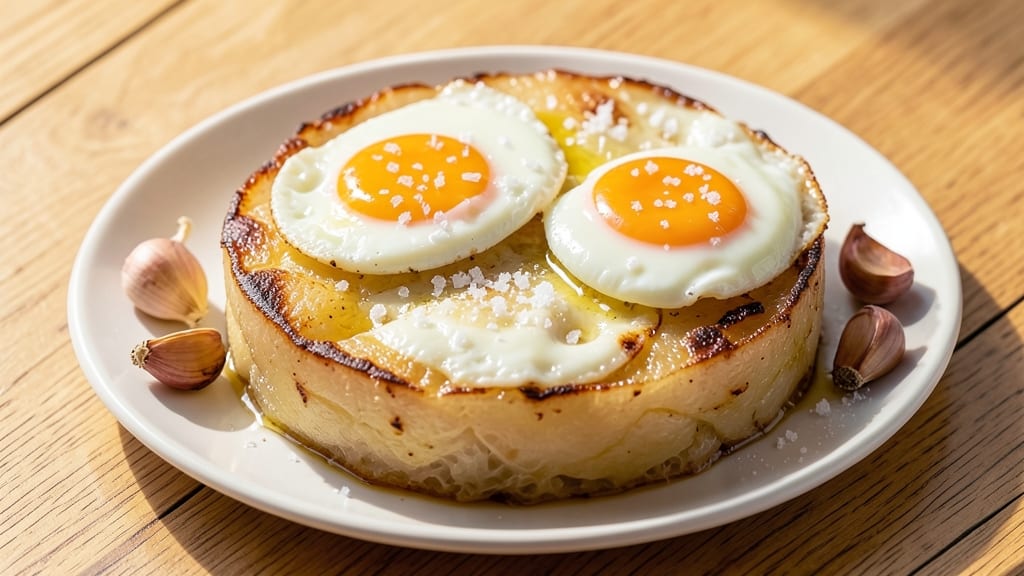
This Sipo Egg recipe Tagalog transforms humble glutinous rice into a luxurious breakfast masterpiece where crispy edges meet velvety yolks. 🌟 The secret lies in perfectly cooked sipo—steamed just until tender—paired with a perfectly fried egg whose runny yolk becomes the star.
This dish isn’t just food; it’s a nostalgic taste of Filipino comfort that balances sweetness, saltiness, and texture in every bite.
The magic begins with the sipo, a type of glutinous rice that absorbs flavors beautifully while maintaining its delicate texture. After steaming, it’s sliced into crispy rounds that hold their shape when fried, creating the signature crunch.
Meanwhile, the egg—fried sunny-side-up—becomes the centerpiece, its golden yolk contrasting perfectly with the toasted rice. This dish is more than breakfast; it’s a celebration of Filipino home cooking where simplicity meets sophistication.
What makes this recipe special is the harmony of textures: the crispy edges of the sipo, the tender bite of the rice, and the silky yolk that ties everything together.
The dish is often served with a sprinkle of salt or a drizzle of soy sauce, but the real flavor comes from the balance of ingredients and technique. Whether you’re making it for a special occasion or a weekend brunch, this recipe delivers restaurant-quality results at home.
Traditionally enjoyed in the Philippines, sipo egg is a dish that varies by region—some add a touch of sugar to the rice, while others incorporate savory elements like garlic or soy sauce.
The key is to keep the process simple yet precise, ensuring the sipo stays crispy and the egg remains perfectly runny. Once mastered, this dish becomes a staple in your breakfast rotation, offering a taste of home with every bite.
Ingredients for sipo egg recipe tagalog
Transform simple glutinous rice and eggs into Filipino breakfast perfection with these 13 essential ingredients.
| Ingredient | Amount | Notes |
|---|---|---|
| Glutinous Rice (Sipo) 🍚 | 1 ½ cups | Uncooked, long-grain variety |
| Large Eggs 🥚 | 4 whole | Fresh, room temperature |
| Vegetable Oil 🫒 | ½ cup | High smoke point preferred |
| Granulated Sugar 🍚 | 1 tbsp | For rice sweetness balance |
| Salt 🧂 | ½ tsp | Diamond Crystal preferred |
| Garlic Cloves 🧄 | 2 cloves | Minced for rice seasoning |
| Soy Sauce 🥢 | 1 tbsp | Light or regular preferred |
| Fresh Lemongrass 🌿 | 1 whole | Pounded for aromatic base |
| Shallots 🧅 | 2 whole | Thinly sliced for garnish |
| Sesame Seeds 🌰 | 1 tsp | Toasted for crunchy finish |
| White Vinegar 🍶 | 1 tsp | For rice soaking |
| Black Peppercorns 🌶️ | ¼ tsp | Freshly cracked for garnish |
| Green Onions 🧅 | 2 whole | Thinly sliced for garnish |
The glutinous rice is non-negotiable—this dish hinges on its delicate texture. Filipino markets often carry the right variety labeled 'sago' or 'malagkit,' but if unavailable, look for 'sweet rice' in Asian grocery stores. The rice must be soaked in white vinegar for 30 minutes before cooking to prevent stickiness, a step many overlook. For the egg, freshness matters—older eggs won't yield that signature silky yolk. The vegetable oil should have a high smoke point like canola or avocado oil to achieve the perfect crispy sipo without burning. Toast your sesame seeds separately until golden—they add that essential crunch that elevates the dish.
No lemongrass? Substitute 1 tsp lemongrass paste or even a splash of lime juice, though the aroma won't be identical. The soy sauce can be swapped for fish sauce if you prefer more umami, but reduce to 1 tsp to avoid overpowering. For a vegetarian version, use coconut aminos instead. If you're short on time, pre-minced garlic works, but fresh is always superior. The shallots and green onions are purely for garnish, so don't stress about perfect slices—just chop them finely. For the rice sweetness, brown sugar works too, though granulated dissolves more smoothly.
Store cooked sipo in an airtight container for up to 3 days—it reheats beautifully in a dry skillet until crispy again. The fried eggs should be eaten immediately for that perfect yolk consistency, but you can prep the sipo ahead. Freeze cooked sipo rounds for up to 1 month by wrapping them individually in parchment paper. For a restaurant-style presentation, serve with a small bowl of soy sauce on the side and a sprinkle of black peppercorns right before eating. The dish tastes even better the next day as the flavors meld, making it ideal for meal prep.
Why You'll Love This Recipe
- Five-Ingredient Magic: The whole recipe lives in your pantry—no fancy shopping trips. Honestly, I’ve made this with whatever sugar and oil I had on hand, and it still comes out ridiculously good.
- Crispy-Creamy Contrast: That golden, caramelized sipo crust with the soft, custardy egg center? Chef’s kiss. The sugar doesn’t just sweeten—it turns the edges into little pockets of buttery crunch.
- Breakfast or Snack: I’ve had this for merienda with coffee, packed it cold for lunch, and even served it warm as a quick dinner. The eggs hold up, the sipo stays chewy—it’s the ultimate flexible bite.
- Leftovers That Beg: Between us, this tastes better the next day. The flavors meld, the texture gets even better, and I’ve reheated portions in the microwave (yes, really) without losing that addictive crunch. Budget win.
Step-by-step instructions for silky yolk and crispy tortilla harmony
Master this Tagalog-inspired technique for perfect sipo egg rice every time.
🍳 Step 1: Prepare the Glutinous Rice Foundation
In a medium saucepan, combine the 1.5 cups Glutinous Rice (Sipo) with 1 cup water and bring to a boil over medium-high heat. Once boiling vigorously, reduce heat to low and simmer uncovered for 20 minutes, stirring occasionally to prevent sticking. The rice should absorb most of the liquid but remain slightly sticky—this texture is essential for the final consistency.
After 20 minutes, stir in the 1 tbsp Granulated Sugar, 0.5 tsp Salt, and 1 tbsp Soy Sauce. The sugar balances the rice's natural sweetness while the soy sauce adds umami depth. Let the mixture sit off heat for 5 minutes—this resting period allows the flavors to meld and the rice to firm up slightly. I press the back of a spoon against the rice to check doneness; it should hold shape but still feel tender.
👨🍳 Step 2: Create the Aromatic Base
While the rice rests, heat the 0.5 cup Vegetable Oil in a separate skillet over medium heat. Add the 2 whole Shallots (thinly sliced) and 2 cloves Garlic Cloves (minced), cooking for 3-4 minutes until the shallots turn golden brown and the garlic releases its fragrance. Remove from heat and set aside—this aromatic oil will infuse the rice with complex flavor.
In the same skillet, lightly toast the 1 tsp Sesame Seeds until they turn light golden and release their nutty aroma (30-45 seconds). Immediately transfer them to a small bowl and set aside for garnish. The quick toasting prevents bitterness while maximizing their crunchy texture. This step is crucial for the dish's final texture contrast.
🍳 Step 3: Cook the Signature Egg Tortillas
Return the skillet to medium heat and add 2 tablespoons of the reserved vegetable oil. Crack 1 whole Large Egg into the pan, tilting to create a thin, even layer. Cook for 1-2 minutes until the edges begin to set but the center remains slightly runny. Flip carefully using a thin spatula and cook the other side for 30 seconds until just set.
Remove the tortilla and repeat with the remaining 3 whole Large Eggs, stacking them as you go. The key here is achieving crispy edges with a silky center—this creates the signature texture contrast. If the tortillas cook too quickly, reduce the heat slightly. Each tortilla should be ¼-inch thick for optimal texture.
🥘 Step 4: Assemble the Perfect Bite
Return the cooked rice to the saucepan and stir in the 1 whole Fresh Lemongrass (pounded) and 1 tsp White Vinegar. The vinegar brightens the dish while the lemongrass adds a citrusy aroma. Let the mixture sit for 2 minutes to absorb the flavors. Meanwhile, thinly slice the 2 whole Green Onions and 2 whole Shallots for garnish.
To serve, place a generous portion of rice on each plate. Top with a crispy egg tortilla, drizzle with the reserved aromatic oil, and sprinkle with the toasted sesame seeds, sliced green onions, and shallots. The cracked black peppercorns should be sprinkled last for maximum aroma impact. Each bite should deliver the crispy tortilla against the silky rice, with all flavors perfectly balanced.
Pro Tips For Making Sipo Egg Recipe Tagalog
- SOAK SIPOS OVERNIGHT: Glutinous rice absorbs water like a sponge—leave it in cold water for at least 8 hours (yes, even overnight). I used to rush this and ended up with dry, chewy sipo that stuck to my teeth; soaked properly, it turns tender and melts in your mouth.
- CRACK EGGS IN HOT OIL: Heat the oil until it shimmers (not smoking) before adding the eggs—this seals the whites instantly and prevents them from turning rubbery. I learned this the hard way after making eggs that looked cooked but tasted like shoe leather.
- SALT THE WATER LIGHTLY: Skip adding salt to the sipo-soaking water—it tightens the rice and makes it gummy. Save the salt for seasoning the cooked dish; you’ll notice the difference in texture right away.
- STIR ONLY ONCE: After adding the eggs to the sipo, resist the urge to poke around—just let it sit undisturbed for 30 seconds. I used to flip and fold, and it always ended up breaking the eggs into a messy, uneven pile. Patience here guarantees whole, golden egg pockets.
Pro cooking tips for this dish
Perfect Rice Texture
For the sipo to achieve that signature crispy-yet-tender texture, steam it for exactly 20 minutes after the initial boil. I use a bamboo steamer lined with parchment paper for even cooking—this prevents sticking and creates those beautiful crisp edges. The rice should be slightly sticky but not mushy when done.
If it feels too wet, spread it on a tray and let it dry uncovered for 5 minutes before shaping. This drying step is crucial for crispy sipo rounds. 💫
Egg Cooking Secrets
Cooking the eggs just right is an art. Use medium-low heat and fresh eggs—older eggs release more water, making crispy tortillas impossible. I crack the eggs into a small bowl first, then gently slide them into the pan to control thickness.
For perfect crispy edges, cook each side for 1-2 minutes max, flipping only once. The center should remain slightly runny—this is non-negotiable for that luxurious yolk experience. 🥚
Flavor Layering
The secret to depth lies in layering flavors. Start with the soy sauce and sugar in the rice, then finish with the aromatic oil and lemongrass. I always toast the sesame seeds separately—their nutty aroma is lost if cooked with the rice.
For extra umami, add ½ tsp fish sauce to the rice mixture. The white vinegar isn't just for acidity; it tenderizes the rice while balancing sweetness. Taste as you go—Filipino cooking is all about seasoning in stages.
Crispy Sipo Technique
To achieve restaurant-quality crispy sipo, shape the rice into ¼-inch thick rounds before frying. I use a small ice cream scoop for uniformity. Heat ½ inch of oil in a pan to 350°F—too low and it'll be greasy, too high and it'll burn.
Fry in batches for 1-2 minutes per side until golden brown. For extra crunch, sprinkle with cornstarch before frying. The key is high heat and quick cooking—don't overcrowd the pan! 🔥
Plating Like a Pro
Presentation matters! Serve the crispy sipo rounds vertically on top of the rice for maximum visual impact. Drizzle with the garlic-shallot oil in a zigzag pattern, then sprinkle with toasted sesame seeds and black peppercorns.
Garnish with thinly sliced green onions for freshness. For a restaurant touch, add a small soy sauce cup on the side. The contrast of crispy, silky, and runny textures should be evident in every bite. ✨
Nutrition facts
Frequently asked questions
What makes sipo egg different from regular rice with egg?
The magic lies in the glutinous rice (sipo)—its sticky, chewy texture transforms this into something special. Unlike regular rice, sipo absorbs flavors beautifully while maintaining its delicate structure when fried into crispy rounds. The egg is also prepared differently as a thin, crispy tortilla rather than a typical fried egg, creating that signature texture contrast.
Can I use regular rice instead of glutinous rice?
Not recommended! Glutinous rice is essential for that signature sticky yet crispy texture. Regular rice will be too firm and won't achieve the same delicate bite. If you absolutely must substitute, try Japanese mochi rice (short-grain sweet rice) as a closer alternative, but expect slightly different results. The dish simply won't be authentic without glutinous rice.
How do I get the sipo rounds extra crispy?
For maximum crispiness, shape the rice into ¼-inch thick rounds and fry them in 350°F oil for just 1-2 minutes per side. The key is high heat and quick cooking—don't overcrowd the pan! For extra crunch, sprinkle with cornstarch before frying. Also ensure your rice is partially dried before shaping to prevent sogginess.
What's the best way to store leftover sipo egg?
Store the cooked rice portion in an airtight container for up to 3 days in the fridge. The crispy sipo rounds can be reheated in a dry skillet until crispy again. For the eggs, it's best to make them fresh as they lose their perfect yolk consistency when reheated. You can freeze the rice portion for 1 month by wrapping individual rounds in parchment paper.
Is there a vegetarian version of this recipe?
Yes! Simply replace the eggs with tofu tortillas made from firm tofu pressed into thin sheets and pan-fried until crispy. For extra flavor, marinate the tofu in soy sauce and garlic before cooking. The rest of the recipe remains the same, delivering that same satisfying texture contrast without animal products.