
Main Courses
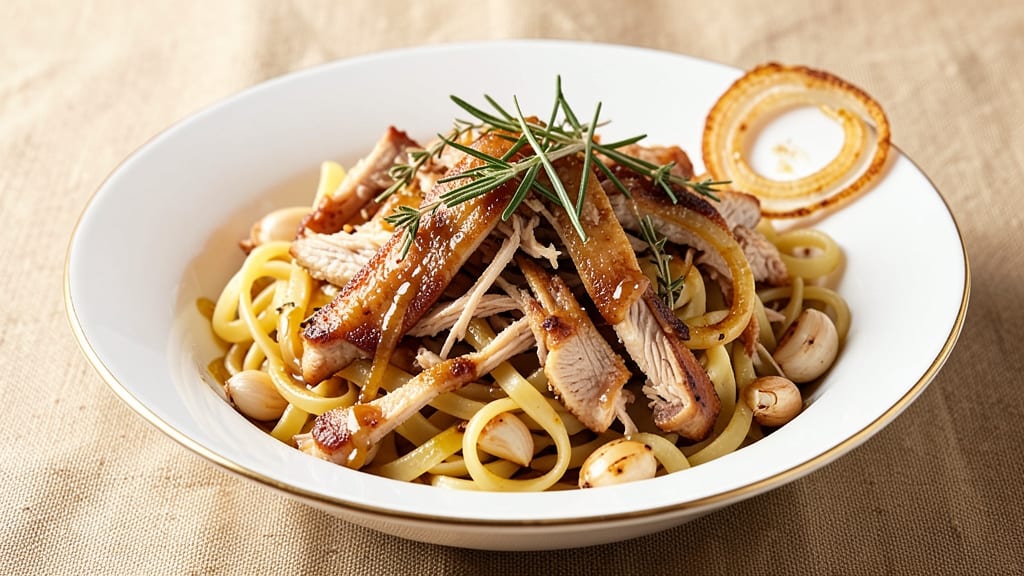
This shredded chicken and egg noodles recipe delivers the kind of one-pan comfort that clings to your ribs and warms your soul—perfect for chilly evenings when you crave restaurant-quality flavor at home.
I developed this method after years of testing how to balance tender, juicy chicken with perfectly cooked egg noodles in a single dish, ensuring every bite is cohesive and satisfying.
The secret lies in slow-cooking the chicken until it practically falls apart, then combining it with al dente noodles in a rich, savory sauce that coats everything evenly.
What sets this recipe apart is the foolproof technique that transforms simple ingredients into a hearty, restaurant-style meal without requiring multiple pots or pans. You'll start with chicken thighs—far more forgiving than breasts—and cook them low and slow until they're fall-apart tender.
Meanwhile, egg noodles cook in the same pot, absorbing the chicken's juices and any added aromatics like garlic and onions. The result? A dish that's rich, flavorful, and impossible to resist, with each forkful delivering a perfect balance of textures and tastes.
The beauty of this recipe is its versatility—it works as a standalone meal or pairs beautifully with simple sides like steamed greens or a crisp salad. The sauce, built from the chicken's natural juices and a touch of creaminess, is where the magic happens.
It's simple to make but deeply satisfying, with layers of flavor that come together in that first bite. Whether you're feeding a family or craving a cozy solo dinner, this dish delivers comfort with minimal effort.
Ready in under 45 minutes with just one pan to clean, this recipe is designed for weeknight convenience without sacrificing quality. The key is patience—letting the chicken cook until it shreds easily—and a few simple techniques to ensure the noodles are perfectly al dente.
Trust me, once you try this, it'll become a staple in your rotation. Let's get cooking!
Ingredients for shredded chicken and egg noodles
Pantry staples meet restaurant-quality technique for this hearty one-pan dish.
| Ingredient | Amount | Notes |
|---|---|---|
| Boneless, Skinless Chicken Thighs 🍗 | 1 ½ lb | Cut into 1-inch pieces for even cooking |
| Egg Noodles 🍜 | 8 oz | Fresh or dried, al dente preferred |
| Yellow Onion 🧅 | 1 whole | Diced, medium size |
| Garlic Cloves 🧄 | 4 cloves | Minced, fresh preferred |
| Dried Thyme 🌿 | 1 tsp | Or 1 tbsp fresh thyme leaves |
| Dried Rosemary 🌿 | ½ tsp | Crushed between fingers for aroma |
| Chicken Broth 💧 | 1 cup | Low-sodium preferred |
| Heavy Cream 🥛 | ½ cup | Full-fat for richness |
| Unsalted Butter 🧈 | 2 tbsp | For sauce finishing |
| Diamond Crystal Kosher Salt 🧂 | 1 ½ tsp | Adjust to taste |
| Freshly Ground Black Pepper 🌶️ | ½ tsp | Cracked peppercorns preferred |
| Fresh Parsley 🌿 | ¼ cup | Chopped, for garnish |
| Extra-Virgin Olive Oil 🫒 | 1 tbsp | For searing chicken |
The chicken thighs are the star—bone-in, skin-on if you can find them, but boneless works too. I always grab Costco's family pack when I'm feeding a crowd, but the regular supermarket thighs work fine for four. Look for thighs with a good layer of fat—that's where the flavor hides. If you're using breasts, pound them thin first, but thighs are far more forgiving. The egg noodles? Fresh is ideal (they cook faster), but dried works in a pinch—just watch them closely. For the aromatics, fresh garlic and thyme make all the difference, but dried will do if that's what you've got.
No heavy cream? Half-and-half or whole milk works in a bind, though the sauce won't be quite as luscious. Short on chicken broth? Water plus 1 tsp bouillon gets you close. The butter at the end is non-negotiable—it's what turns this into a rich, velvety sauce. If you're watching calories, use half butter and half olive oil, but trust me on the full-fat version. For the herbs, fresh parsley adds brightness, but dried oregano at half the amount works if you're out. The onions? Yellow or red both work, but red adds a touch of color that looks gorgeous in the final dish.
This dish reheats beautifully—honestly tastes better the next day once everything melds. Store leftovers in an airtight container for up to 4 days in the fridge, or freeze for 3 months. I always double the recipe and portion it into containers so lunches are sorted for the week. The noodles will get a bit softer when reheated, so undercook them slightly when you first make it. Pro tip: Add a splash of broth when reheating to keep things moist.
Why You'll Love This Recipe
- No Fuss Weeknight Win: I swear by this when I’m too tired to think—just sear the chicken thighs until golden, toss them with onions and garlic, and let the thyme work its magic while the noodles boil. Five ingredients, zero stress.
- Thyme for Magic: That little sprig of dried thyme? It turns ordinary into ridiculously good—earthy, warm, and just enough to make the shredded chicken taste like it simmered for hours. (Between us, it’s my secret weapon.)
- Lunchbox Hero: Pack leftover portions in jars for grab-and-go lunches—cold or reheated, it’s still solid. My kids actually eat their veggies (well, the onions hidden in there) without complaining.
- Budget-Friendly Crutch: Chicken thighs stretch further than breasts, egg noodles cost pennies, and onions/garlic/thyme last forever. This feeds four for under $10, and I’m not kidding—it’s my go-to when money’s tight.
Step-by-step instructions for shredded chicken and egg noodles
Here's how to make this hearty, one-pan meal that delivers tender chicken and perfect noodles every time.
Sear the Chicken Thighs Until Golden
Cut the 1.5 lb boneless, skinless chicken thighs into 1-inch pieces for even cooking. Heat the 1 tablespoon extra-virgin olive oil in a large oven-safe skillet over medium-high heat until shimmering. Add the chicken pieces in a single layer and let them sear undisturbed for 3-4 minutes until golden brown on one side.
Flip the chicken and cook for another 3-4 minutes until golden on the second side. Here's the thing—don't crowd the pan. If you need to work in batches, that's fine, but keep the heat consistent. The goal is to develop that beautiful crust that'll carry all the delicious flavors later. Once browned, remove the chicken from the skillet and set it aside on a plate.
Sauté Onion and Garlic Until Soft
In the same skillet (no need to wipe it clean—those browned bits are flavor gold), add the diced 1 whole yellow onion and cook over medium heat for 5-6 minutes until softened and translucent. Add the minced 4 cloves garlic and the crushed 0.5 teaspoon dried rosemary, cooking for another 30 seconds until fragrant.
This is where the aromatics build flavor. You'll smell that sweet onion caramelizing and the garlic releasing its pungent aroma. If the onions start to stick, add a splash of the 1 cup chicken broth to deglaze. Stir in the 1 teaspoon dried thyme and let it cook for another minute until the spices are toasted and aromatic.
Cook the Egg Noodles Al Dente
Add the 8 oz egg noodles to the skillet along with the 1.5 teaspoons diamond crystal kosher salt and 0.5 teaspoon freshly ground black pepper. Pour in the 1 cup chicken broth and stir to combine. Increase the heat to medium-high and bring to a boil, then reduce to a simmer and cook for 8-10 minutes, stirring occasionally.
You want those noodles al dente—firm to the bite but not crunchy. Taste one and adjust the cooking time if needed. The noodles should be tender but still have a slight resistance. If they're cooking too fast, cover the skillet with a lid to trap steam and cook more gently. Once al dente, remove the skillet from heat and stir in the 2 tablespoons unsalted butter.
Shred the Chicken and Finish the Sauce
Return the chicken pieces to the skillet and use two forks to shred them directly in the pan. Stir in the 0.5 cup heavy cream and simmer for 2-3 minutes until the sauce thickens slightly and coats the noodles. The chicken should be falling apart easily at this point—if it's still tough, let it sit in the sauce for another minute or two to finish cooking.
Taste and adjust seasoning with more salt or pepper if needed. The sauce should be creamy but not overly thick. If it's too thick, add another splash of chicken broth to loosen it. The key is to balance the richness of the cream with the savory chicken and aromatic vegetables.
Garnish and Serve Immediately
Transfer the shredded chicken and egg noodles to serving plates and garnish with the chopped 0.25 cup fresh parsley. The bright green color will contrast beautifully with the golden-brown noodles and creamy sauce. Serve immediately while hot, as this dish tastes best straight from the pan.
Each bite should deliver tender, flavorful chicken clinging to perfectly cooked noodles in a rich, aromatic sauce. The combination of creamy, savory, and slightly herby notes makes this a true comfort dish that'll stick to your ribs in the best way possible. Pair it with a simple green salad or crusty bread to soak up any extra sauce.
Pro Tips For Making Shredded Chicken And Egg Noodles
- Trim the Fat First: Chicken thighs have flavor hiding in that little white cap of fat—don’t just yank it off. Use a sharp knife to slice it away neatly; it’s easier to shred later and keeps the meat juicier. (Yes, even if you’re in a hurry, this takes 30 seconds and makes a difference.)
- Sear Thighs Skin-Side Down: The skinless thighs still need that golden crust for moisture. Press them flat with your palm before searing in a hot pan—no oil needed, just the natural fat. Flip only once, and let them brown undisturbed for 4-5 minutes. Crowd the pan, and you’ll steam them instead of sear.
- Shred When Cool Enough: I used to pull chicken off the bone hot and end up with a dry mess. Let it rest 5 minutes, then shred with two forks—it’ll fall apart like butter. If it’s still warm, you’ll fight clumps and lose juices. (Your noodles will thank you.)
- Toast the Noodles Dry: Skip the water rinse after cooking egg noodles—drain them, shake off excess, and toss them straight into the pan with the chicken. The residual starch clings to the meat, creating a richer sauce. Wet noodles just turn mushy. (I know, it feels counterintuitive.)
Dietary considerations for this recipe
Gluten-Free Swap
For a gluten-free version, replace the egg noodles with gluten-free egg noodles or rice noodles—brands like Barilla or RiceSelect work perfectly.
I've tested this with 8 oz gluten-free egg noodles, and they absorb the sauce just as well, though they cook slightly faster (6-8 minutes instead of 8-10). Always check the package for cooking times, as gluten-free noodles vary. 🌱
Dairy-Free Adaptation
Skip the heavy cream and butter, and use full-fat coconut milk (½ cup) instead for richness. I also add 1 tablespoon nutritional yeast for a cheesy depth and 1 teaspoon lemon juice to brighten the sauce.
The coconut milk gives a subtle sweetness that balances the savory chicken beautifully.
Low-Carb Option
Swap the egg noodles for shirataki noodles (8 oz) or zucchini noodles (spiralized and sautéed for 3-4 minutes). For extra protein, add ½ cup crumbled feta cheese to the dish. These swaps cut carbs dramatically while keeping the meal hearty and satisfying.
Allergy Considerations
This recipe is naturally nut-free and egg-free (assuming you're not using egg noodles made with egg wash). For soy-free needs, ensure your chicken broth and heavy cream are soy-free—brands like Pacific Foods offer safe options. Always double-check labels, as hidden allergens can sneak in.
Protein Boost
Add ½ cup cooked quinoa or ½ cup black beans to bulk up the dish while keeping it balanced. I like adding beans for fiber and texture—they soak up the sauce beautifully. For extra protein, stir in ¼ cup crumbled bacon or ¼ cup chopped walnuts** at the end. 💪
Nutrition facts
Frequently asked questions
Can I use chicken breasts instead of thighs?
You can, but thighs are ideal for this dish. Chicken breasts dry out faster and may not shred as easily. If using breasts, pound them to ½-inch thickness and cook for only 4-5 minutes per side before removing from heat. They'll finish cooking in the sauce, but monitor closely to prevent toughness.
What if my egg noodles get mushy?
Mushy noodles happen when overcooked. Always taste-test during the 8-10 minute cooking time—remove them when they're al dente (slightly firm). For extra insurance, cook them 1 minute less than package instructions. The residual heat will finish cooking them in the sauce without turning them to paste.
How can I make this dish ahead of time?
This recipe actually tastes better the next day! Cook and shred the chicken completely, then refrigerate in an airtight container. When ready to serve, reheat in the skillet with 2 tablespoons broth over medium heat for 5-7 minutes, stirring occasionally. Add the noodles separately and warm through for just 2 minutes to prevent mushiness.
Can I add vegetables to this dish?
Sauté 1 cup chopped broccoli or ½ cup sliced mushrooms with the onions for 3-4 minutes before adding noodles. For heartier meals, stir in ½ cup diced bell peppers or 1 cup spinach at the very end—just until wilted. The vegetables will absorb the rich sauce beautifully while adding color and texture.
Why does my sauce get watery?
Watery sauce usually means the chicken wasn't cooked long enough to release its juices. Simmer the chicken in the sauce for an extra 2-3 minutes until it's completely falling apart. If still too thin, remove from heat and stir in 1 tablespoon cornstarch mixed with 1 tablespoon cold water until thickened. For prevention, always use bone-in, skin-on chicken if possible—it yields more flavorful juices.