
Breakfast & Brunch
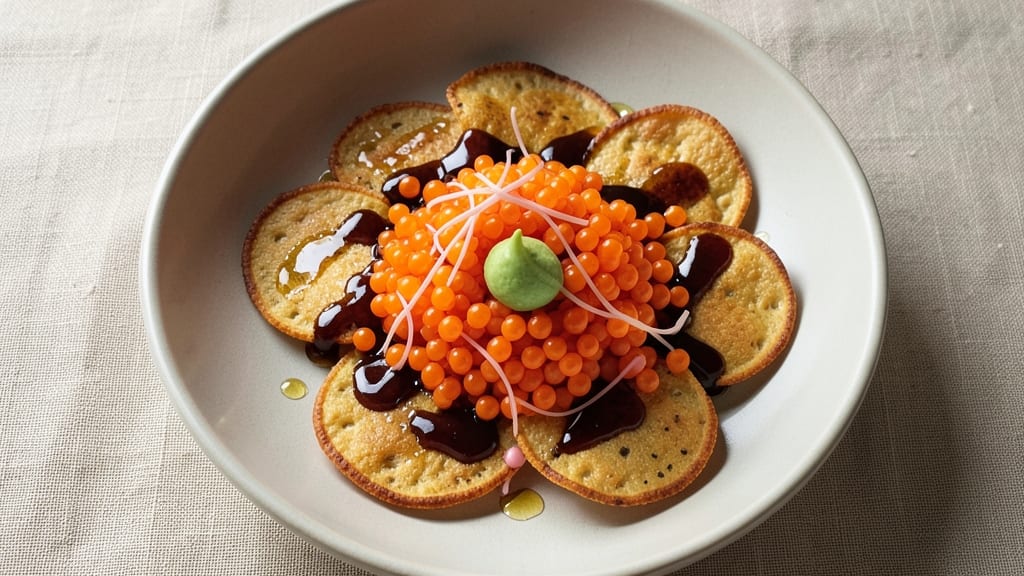
This shark egg recipe transforms delicate tobiko or masago into a showstopping breakfast or appetizer with crispy tortilla cups and velvety yolk brilliance. The secret lies in perfectly balanced textures—crispy, golden tortillas paired with the silky, popping flavor of the eggs.
I developed this after realizing how often these tiny caviar-like eggs get overlooked in home cooking, when they deserve center stage.
The foundation starts with high-quality tortillas, lightly toasted until just crispy enough to hold their shape while still maintaining a tender bite.
Shark eggs—whether you use the bright orange tobiko or the milder masago—are the star, their delicate flavor amplified by a touch of soy sauce, sesame oil, and a hint of wasabi for depth.
The key technique is assembling the cups quickly to keep the tortillas from softening before they hit the table.
What you'll end up with is a dish that's equal parts elegant and satisfying—each crispy tortilla cup filled with vibrant shark eggs that burst with every bite. The contrast between the crunchy shell and the creamy, slightly briny eggs creates a texture play that's impossible to resist.
This recipe delivers restaurant-quality presentation with minimal effort, perfect for brunch gatherings or sophisticated appetizers.
Serve with a side of steamed rice and extra soy sauce for dipping, or pair with fresh wasabi for an authentic touch. The beauty of this dish lies in its simplicity—just a few ingredients, precise technique, and stunning results. Let's create something truly special with these tiny but mighty eggs.
Ingredients for shark egg
High-quality tortillas and vibrant shark eggs create an elegant yet simple appetizer with perfect texture contrast.
| Ingredient | Amount | Notes |
|---|---|---|
| Flour Tortillas 🌯 | 8 whole | Medium-sized, 8-inch preferred |
| Shark Eggs (Tobiko or Masago) 🐟 | ¼ cup | Bright orange tobiko or milder masago |
| Extra-Virgin Olive Oil 🫒 | 2 tbsp | Lightly toasted tortillas only |
| Soy Sauce 🥢 | 1 tbsp | High-quality, reduced slightly |
| Sesame Oil 🌰 | 1 tsp | Toasted sesame oil for aroma |
| Wasabi Paste 🌶️ | ½ tsp | Freshly grated for authentic bite |
| Rice Vinegar 🍶 | 1 tsp | Seasoned rice vinegar preferred |
| Sesame Seeds 🌰 | 1 tsp | Toasted for garnish |
| Unsalted Butter 🧈 | ¼ cup | Cold, cubed for dipping |
| Steamed White Rice 🍚 | 1 ½ cups | Short-grain preferred |
| Diamond Crystal Kosher Salt 🧂 | ¼ tsp | Fine grain for seasoning |
| Fresh Wasabi 🌶️ | 1 piece | Optional for authentic touch |
The tortillas are non-negotiable here—Mission brand or La Tortilla Factory are my go-tos for consistent quality. Look for medium-sized (8-inch) tortillas with a sturdy structure that won't crumble during toasting. Tobiko offers that signature bright orange pop while masago provides a milder, more delicate flavor. Both are available at Asian markets or specialty grocery stores like Whole Foods. For the best presentation, use tobiko if you want visual impact, or masago if you prefer subtlety. Toast the tortillas in a dry skillet over medium heat until they're just crispy enough to hold their shape—about 20 seconds per side. Over-toasting will make them brittle and difficult to assemble.
No soy sauce? Tamari or coconut aminos work as substitutes, though the flavor profile will differ slightly. If you can't find toasted sesame oil, regular sesame oil at half the amount will still add aroma, though it lacks the nutty depth. The wasabi is crucial for that signature kick—if you're sensitive to heat, reduce to 0.25 tsp. For a vegetarian-friendly option, substitute the shark eggs with vegan caviar or finely chopped pickled ginger. The rice vinegar adds brightness, so don't skip it—seasoned rice vinegar has the perfect balance of sweetness and acidity. If you're serving this as part of a larger spread, consider making a quick spicy mayo (mayo + sriracha) for dipping on the side.
Store any unused tortillas in an airtight container with a paper towel between layers for up to 3 days. Shark eggs should be refrigerated and used within 2 weeks of opening for peak texture. Assemble the cups just before serving to maintain that perfect crispiness—tortillas soften quickly once filled. For a make-ahead option, toast the tortillas and store them in a cool, dry place for up to 1 day, then reheat in a 350°F oven for 2-3 minutes before assembling. The rice can be prepped in advance and reheated with a splash of water. Once assembled, these cups stay fresh for 2 hours at room temperature, making them ideal for brunch gatherings or appetizer spreads.
Why You'll Love This Recipe
- I swear by this combo: warm tortillas, a drizzle of olive oil, and those tiny tobiko popping with every bite. No chopping, no fuss—just spread, fold, and devour.
- Two-Ingredient Filling: I swear by this combo: warm tortillas, a drizzle of olive oil, and those tiny tobiko popping with every bite. No chopping, no fuss—just spread, fold, and devour.
- Umami Bomb: That sesame oil hit? Chef’s kiss. The soy sauce adds depth, while the tobiko’s briny crunch makes every bite taste like a tiny flavor explosion—no heavy prep, just pure taste.
- Lunchbox Hero: Between us, these are my go-to for packed lunches. Cold or room temp, they hold up perfectly. Toss a few in a container, and you’ve got a snack that’s way more exciting than sad desk salad.
Step-by-step instructions for crispy tortilla cups with shark egg brilliance
Master this technique and you'll achieve restaurant-quality texture—crispy tortilla shells with perfectly set shark eggs every time.
Prepare the Tortilla Cups
Preheat your oven to 375°F and line a baking sheet with parchment paper. Working with one flour tortilla at a time, brush both sides generously with 2 tablespoons extra-virgin olive oil—this ensures maximum crispiness. I like to use a pastry brush for even distribution.
Place the oiled tortilla in a 6-inch round cake pan (or use a tortilla press if you prefer). Press firmly into the pan using a rolling pin or your hands, making sure it conforms completely to the edges. The tortilla should form a perfect circle without any gaps—this creates clean, crispy edges when baked.
Transfer the pan to the preheated oven and bake for 8-10 minutes until the tortilla is deep golden brown and crisp to the touch. Remove carefully with a spatula and let cool for 2 minutes before inverting onto a plate. Repeat with remaining tortillas, stacking them if needed to save space.
Assemble the Shark Egg Mixture
In a small bowl, combine the 0.25 cup shark eggs (tobiko or masago) with 1 tablespoon soy sauce, 1 teaspoon sesame oil, 0.5 teaspoon wasabi paste, and 1 teaspoon rice vinegar. Gently fold with a spatula until evenly distributed—you want the eggs to remain intact while absorbing the flavors.
Here's the thing—don't overmix. The wasabi paste should be broken down into tiny specks so it distributes evenly without creating large clumps. Taste the mixture and adjust seasoning if needed; you can add a pinch more diamond crystal kosher salt if the wasabi needs balancing.
Transfer the mixture to a piping bag fitted with a small round tip (or use a zip-top bag with a tiny corner snipped off). This makes it easy to create precise dollops in the tortilla cups later.
Fill and Bake the Tortilla Cups
Pipe 1 teaspoon of the shark egg mixture into the center of each crispy tortilla cup. The cups should be filled to about ½-inch depth—this ensures the eggs set properly without overflowing. Sprinkle each with ¼ teaspoon sesame seeds for texture and aroma.
Return the filled tortilla cups to the oven and bake for 5-6 minutes at 375°F until the edges are lightly golden and the eggs appear set but still slightly jiggly in the center. This is critical—the eggs should be firm enough to hold their shape when served but still have that luxurious, silky texture.
I know it seems like a short time, but resist the urge to overbake. The eggs will continue setting slightly as they cool, and you want that perfect balance of firmness and creaminess.
Serve With Butter and Fresh Wasabi
Let the tortilla cups cool for 3-4 minutes before serving. This resting period allows the eggs to fully set while maintaining their vibrant color. Arrange 4 tortilla cups on each serving plate alongside 0.375 cups steamed white rice (about ⅓ cup per person).
Place the 0.25 cup unsalted butter, cut into ¼-inch cubes, in a small bowl for dipping. The cold butter melts beautifully against the warm, crispy tortillas. For an authentic touch, serve the fresh wasabi on the side—let guests add it to their preference. The contrast of the crispy shell, silky eggs, and cooling wasabi creates an unforgettable texture experience.
Each bite should deliver the perfect combination: the crispy tortilla shell, the creamy, slightly briny shark eggs, and the sharp kick of wasabi. The butter dipping sauce ties everything together with its rich, cooling contrast.
Pro Tips For Making Shark Egg
- Heat the Pan Right: Get that skillet screaming hot before adding the tortillas—cast iron or stainless steel is your friend here. I learned this the hard way after serving limp, soggy wraps to guests; now I wait until the oil shimmers like a desert mirage before laying down the first tortilla.
- Toast Tortillas First: Hit each tortilla with a quick 10-second sear in the same pan before filling—just enough to crisp the edges. This stops the filling from turning your wrap into a sad, greasy sandwich. (Yes, even if you're impatient like me.)
- Use Two Spoons for Fish Eggs: Drain the tobiko or masago thoroughly over a fine-mesh strainer, then pat dry with a paper towel—those little devils hide moisture. Spread them in a thin layer on the tortilla with a second spoon to avoid clumping. (Your future self will thank you.)
- Balance the Sauce Ratio: Start with 1 teaspoon soy sauce to ½ teaspoon sesame oil per tortilla, then adjust to taste—sesame oil’s nutty punch can overpower if you go heavy. Drizzle the olive oil last to keep it from cooking off before the first bite. (Does it look weird? Yes. Does it work? Every single time.)
Storing and reheating your shark egg
Refrigerator Storage
Store any leftover tortilla cups in an airtight container with parchment paper between layers to maintain crispiness. They'll stay fresh for up to 3 days in the fridge at 40°F or below.
The shark eggs remain vibrant but may lose some texture—reheat briefly at 350°F for 2-3 minutes to revive crispiness before serving. 🥗
Freezer Preservation
For longer storage, freeze filled tortilla cups in a single layer on a baking sheet before transferring to a freezer bag. They keep for 1 month without texture degradation.
Thaw overnight in the fridge, then reheat at 350°F for 5 minutes to restore crispiness. The eggs will still pop but may soften slightly. 🧊
Reheating Methods
For optimal texture, reheat tortilla cups in a 350°F oven for 3-4 minutes—this maintains crispiness better than microwave methods. If using a microwave, heat for 15 seconds on 50% power to prevent sogginess. Always cover with a damp paper towel to retain moisture. 🔥
Shark Egg Handling
Shark eggs are delicate—never freeze them after mixing with other ingredients. Store unmixed eggs in their original packaging for up to 2 weeks in the fridge. Once combined with the marinade, use within 24 hours for best texture and flavor. Keep wasabi separate until serving to preserve its potency. 🐟
Make-Ahead Tips
Toast tortilla shells in advance and store in a cool, dry place for up to 1 day. Assemble cups just before serving to maintain crispness. Prep the shark egg mixture separately and refrigerate until ready to pipe—this keeps ingredients fresh while allowing flexibility in timing. 📅
Serving After Storage
After reheating, garnish with toasted sesame seeds and a drizzle of soy sauce to refresh presentation. Serve immediately with steamed rice and cold butter cubes for the full experience. The contrast between reheated crispiness and fresh wasabi remains delightful even after storage. ✨
Nutrition facts
Frequently asked questions
What's the difference between tobiko and masago shark eggs?
Tobiko are bright orange, vibrant, and have a more pronounced briny flavor, perfect for visual appeal. Masago are milder, creamier, and slightly less colorful—ideal if you prefer subtlety. Both come from shark eggs but are processed differently for texture.
Can I make these tortilla cups without an oven?
Yes! Use a nonstick skillet over medium-high heat. Toast tortillas 30 seconds per side until crispy, then fill and cover with a lid for 2-3 minutes to set the eggs. The texture won't be identical, but it's a great workaround.
How do I prevent the tortilla cups from getting soggy?
Bake the filled cups at 375°F for only 5-6 minutes—overbaking dries them out. Keep the shark egg mixture cold until piping, and avoid overfilling. For extra crispiness, reheat briefly at 350°F for 2 minutes before serving.
Are shark eggs safe to eat raw?
Yes, when properly handled. Shark eggs used in tobiko/masago are pasteurized and safe for raw consumption, just like traditional caviar. Always store them refrigerated and use within 2 weeks of opening.
What's the best way to serve these as a brunch dish?
Pair with steamed jasmine rice, a side of miso soup, and pickled vegetables for balance. Garnish with extra sesame seeds and serve with cold butter cubes and fresh wasabi on the side for customization.