
Breakfast & Brunch
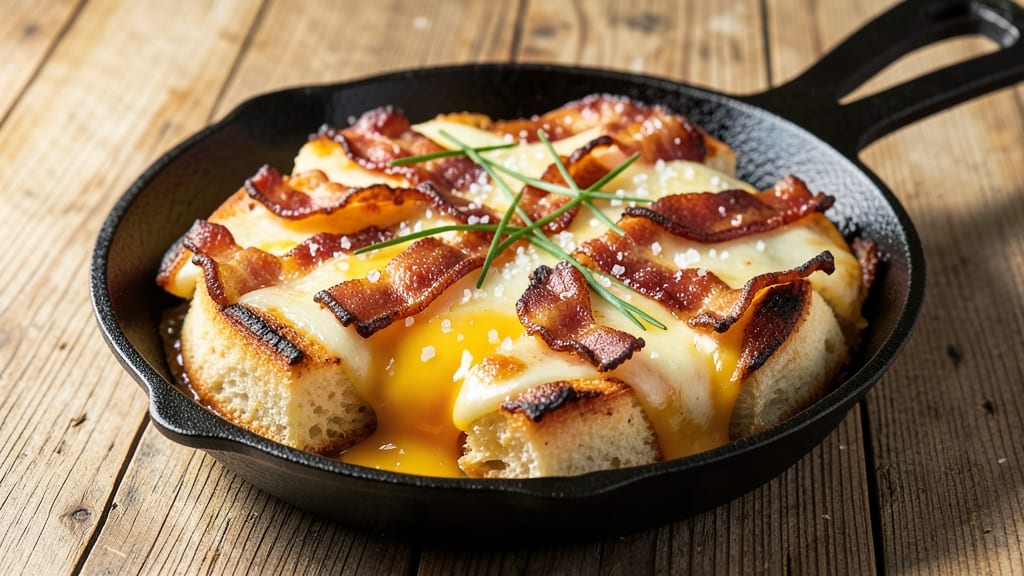
This bacon, egg, and cheese biscuit bake transforms a lazy morning into a restaurant-worthy breakfast with just 15 minutes of prep and 20 minutes in the oven. The secret? Foil-sealed baking locks in moisture while creating crispy biscuit edges and perfectly runny yolks—no flipping required.
I perfected this after years of trial and error, and it’s now my go-to when I need a hearty, hands-off meal that feeds a crowd or satisfies a solo craving.
The magic happens in three layers: flaky buttermilk biscuits form the base, crispy bacon adds smoky depth, and eggs cooked directly in the oven deliver that golden, custardy center we all love.
No fancy techniques—just a cast-iron skillet (or oven-safe dish) and a few simple ingredients. The biscuits stay tender while absorbing the egg’s richness, and the bacon crisps to a perfect snap.
By the time you pull this out of the oven, you’ll have a dish that’s equal parts comforting and impressive—crispy, cheesy, and dripping with flavor. The runny yolks cut through the richness of the bacon and biscuits, making every bite feel indulgent.
Serve with hot sauce or fresh herbs for a bright contrast, or keep it classic with a side of crispy hash browns.
This recipe is designed for flexibility: double the batch for leftovers, swap cheddar for gouda, or add a sprinkle of everything bagel seasoning for extra flavor. The best part? It’s a one-dish wonder that requires minimal cleanup. Let’s get baking—your morning just got an upgrade.
Ingredients for bacon egg and cheese biscuit bake
Six ingredients make this hearty bake shine—crispy bacon, rich eggs, and flaky biscuits sealed in foil magic.
| Ingredient | Amount | Notes |
|---|---|---|
| Bacon 🥓 | 12 oz | Thick-cut, chopped into 1-inch pieces |
| Large Eggs 🥚 | 6 whole | Room temperature for even cooking |
| Shredded Sharp Cheddar Cheese 🧀 | 2 cups | Freshly shredded for best melt |
| All-Purpose Flour 🌾 | 3 cups | Plus 1 tbsp for dusting |
| Baking Powder 🧂 | 2 tbsp | Diamond Crystal preferred |
| Granulated Sugar 🍚 | 1 tbsp | For biscuit sweetness |
| Salt 🧂 | 1 tsp | Kosher or sea salt |
| Buttermilk 🥛 | 1 ½ cups | Cold for flaky layers |
| Cold Unsalted Butter 🧈 | ½ cup | Cut into small cubes |
| Fresh Chives 🌿 | ¼ cup | Chopped for garnish |
| Hot Sauce 🌶️ | ¼ cup | For serving (optional) |
| Aluminum Foil 📄 | 1 sheet | Heavy-duty for sealing |
The bacon is non-negotiable here—thick-cut stays crispy while rendering fat for flavor. Oscar Mayer or Applegate are my go-tos, but any quality brand works. Chopping it into 1-inch pieces ensures even cooking and crispy edges. For the cheddar, freshly shredded makes all the difference—pre-shredded gets clumpy and won't melt as smoothly. I always grab Kraft 2% Milk Sharp Cheddar from the deli section, but any sharp cheddar works. The buttermilk needs to be cold—pop it in the fridge for 10 minutes if it's warm from the store. And trust me on the Diamond Crystal baking powder—it's got more lift than the generic stuff.
No thick-cut bacon? Regular bacon chopped into smaller pieces works, but you'll need to watch it closer to avoid overcooking. Running short on cheddar? Gouda or pepper jack add different flavors but melt beautifully. The buttermilk substitute game is strong—1.5 cups milk + 1.5 tbsp vinegar works in a pinch. For the biscuits, if you don't have chives, green onions or parsley add a nice fresh note. The foil sealing is key—use heavy-duty foil and crimp the edges well to lock in moisture. And if you're feeling fancy, add a sprinkle of everything bagel seasoning to the biscuit dough before baking.
This bake reheats like a dream—350°F for 10 minutes restores that crispy-cheesy perfection. Store leftovers covered in the fridge for 3 days or freeze portions for 2 months. I always make a double batch because it's perfect for meal prep—just reheat and serve. The biscuits stay fresh for 2 days if stored separately, but honestly, they're best eaten fresh from the oven. For serving, keep the hot sauce and chives on hand—a squeeze of lemon also brightens up every bite.
Why You'll Love This Recipe
- One-Bowl Wonder: I swear by this—just mix the flour, baking powder, and a pinch of salt in one bowl, then crack in those eggs. No measuring cups, no extra bowls, no stress. The biscuits puff up while the bacon crispies, and honestly? That’s my kind of magic.
- Crispy-Creamy Magic: The sharp cheddar melts into gooey perfection, while the biscuits stay tender inside with that golden, crackly crust. And the bacon? Crispy enough to stand on its own, but soft enough to fold into every bite. Between us, that first forkful is dangerously good.
- Breakfast or Brunch Fix: Serve it for a lazy Sunday brunch with coffee, or pack leftovers for a quick workday lunch. My college-aged kids grab these for late-night study snacks—yes, even at 2 AM. The flour and baking powder combo keeps it light enough for any meal.
- Leftovers That Don’t Suck: Unlike soggy casseroles, this stays crispy for days. I make a double batch on Sundays, and by Wednesday, I’m still reheating portions in the oven. Budget-friendly? Absolutely. The eggs and cheddar stretch far, and the bacon adds that “I put in effort” touch without breaking the bank.
Step-by-step instructions for bacon, egg, and cheese biscuit bake
Here's how to create a foolproof foil-sealed bake with crispy biscuits and runny yolks.
Cook the Bacon Until Crispy
Preheat your oven to 400°F and line a baking sheet with parchment paper. In a large skillet over medium heat, cook the 12 oz bacon (chopped into 1-inch pieces) until it's golden brown and crispy, about 10-12 minutes. Drain the bacon on paper towels, leaving the rendered fat in the skillet.
Here's the thing—don't rush this step. You want the bacon to be fully crisped so it adds that perfect crunch to your bake. Once done, remove the bacon from the skillet and set it aside on a paper towel-lined plate. Keep the skillet warm for the next step.
Prepare the Biscuit Dough
In a large mixing bowl, combine the 3 cups all-purpose flour, 2 tbsp baking powder, 1 tbsp granulated sugar, and 1 tsp salt. Whisk until evenly distributed. Cut in the 0.5 cup cold unsalted butter (cut into small cubes) using a pastry cutter or your fingers until the mixture resembles coarse crumbs with pea-sized butter pieces remaining.
Add the 1.5 cups cold buttermilk all at once and stir gently with a wooden spoon until just combined. You're looking for a soft, slightly sticky dough that comes together when pressed. Don't overmix—just combine until no dry spots remain. The dough should be cool to the touch, which is crucial for flaky layers.
Assemble the Bake in Foil
Cut the 1 sheet aluminum foil into six 12-inch squares. Divide the biscuit dough into six equal portions (about ½ cup each) and roll each portion into a ball. Place one ball in the center of each foil square.
Press each dough ball into a ½-inch thick circle about 4 inches wide. Create a small well in the center of each biscuit. Distribute the 6 whole large eggs (room temperature) into the wells, one egg per biscuit. Sprinkle each egg with about ⅓ cup shredded sharp cheddar cheese and a few pieces of the crispy bacon.
Seal and Bake to Perfection
Carefully fold the edges of each foil square up around the biscuit, creating a sealed packet. Place all six packets on a baking sheet and bake in the 400°F oven for 20-25 minutes, until the biscuits are deep golden brown and the cheese is fully melted.
Here's where it gets exciting—the foil creates a steam bath that keeps the eggs perfectly runny while the biscuits get crispy. If you peek and see the biscuits browning too quickly, tent loosely with extra foil to prevent over-browning. The internal temperature of the biscuits should reach 190°F.
Garnish and Serve Immediately
Remove the foil packets from the oven and let them rest for 2 minutes. Open carefully—the steam will escape! Transfer each biscuit to a serving plate and immediately sprinkle with the 0.25 cup fresh chives. Serve with the 0.25 cup hot sauce on the side for dipping.
This is the moment that matters: the biscuit should be crispy on the outside with a tender, flaky interior, and that egg should be perfectly runny. The cheese should be melted but not stringy, and the bacon should add a salty crunch with every bite. Enjoy while warm—this dish doesn't keep its best qualities once cooled.
Pro Tips For Making Bacon Egg And Cheese Biscuit Bake
- CRISP THE BACON FIRST: Cook the bacon until it’s just past crispy—about 80% done—then drain it on paper towels. This keeps the fat from making your biscuit dough greasy later, and you can finish cooking the bacon in the oven alongside the bake. (Yes, I’ve learned the hard way that soggy bacon ruins everything.)
- CHILL THE DOUGH: Mix your biscuit dough, then let it sit in the fridge for 10–15 minutes before shaping. Cold dough is easier to handle and bakes up flakier—no more fighting sticky, crumbly messes. I used to skip this and ended up with dense, flat biscuits every time.
- DON’T OVERMIX THE EGGS: Whisk the eggs just until combined—no need to beat them into foam. Overmixing makes them tough, and you’ll end up with rubbery egg curds in your bake. A quick stir with a fork is all it takes.
- LAYER CHEESE LAST: Sprinkle the shredded cheddar after the eggs and bacon go in the dish. This keeps it from sinking to the bottom and melting into a gooey blob. (I tried pre-mixing it once—big mistake.) Top with cheese right before baking for maximum melty perfection.
Troubleshooting your bacon egg and cheese biscuit bake
Biscuits Too Dense
Overmixing the dough is the #1 culprit for dense biscuits. Once you add the buttermilk, stir just until combined—about 10-12 strokes with a wooden spoon. I've found that using Diamond Crystal baking powder (not double-acting) gives better rise.
Also, make sure your butter is truly cold—if it's melting too fast, chill the dough for 10 minutes before shaping. 🥛
Eggs Overcooked
The foil sealing is your friend here, but timing is everything. If your eggs come out firm instead of runny, you likely baked them too long. Aim for 20-22 minutes at 400°F—any longer and the yolks will set.
I recommend using an oven thermometer to confirm your oven's accuracy. For extra insurance, place the foil packets on a preheated baking sheet to maintain even heat distribution.
Bacon Not Crispy
Thick-cut bacon is key, but if yours still turns out chewy, try this pro trick: Cook the bacon in a cold skillet over low heat for the first 3 minutes to render fat slowly, then crank to medium-high for the last 5-7 minutes.
Avoid crowding the pan—work in batches if needed. For extra crunch, finish under the broiler for 1-2 minutes after removing from the oven.
Cheese Not Melted
Freshly shredded cheese melts best, but if yours stays clumpy, try this: Sprinkle a pinch of cornstarch (about ½ tsp) over the cheese before adding it to the eggs. This prevents clumping while still melting beautifully.
Also, make sure your oven isn't too hot—400°F is perfect for even melting. If your oven runs hot, reduce to 375°F and add 2-3 extra minutes to the bake time.
Foil Leaks Steam
Poorly sealed foil causes soggy biscuits and runny eggs. Crimp the edges tightly using tongs or your fingers, then double-wrap the seams by folding the foil over itself. For extra security, place each packet on a parchment-lined baking sheet before baking.
I've also had success using heavy-duty Reynolds oven bags instead of foil—they seal better and create a more even steam environment. 📄
Uneven Baking
If some biscuits cook faster than others, rotate the baking sheet halfway through baking. For even more consistency, place your packets on a wire cooling rack inside the baking sheet—this allows heat to circulate underneath.
Also, avoid opening the oven door during the first 15 minutes of baking, as temperature fluctuations can cause uneven cooking. If you notice browning too quickly, tent with foil and check after 5 minutes.
Nutrition facts
Frequently asked questions
Can I make this recipe without foil?
The foil sealing is what creates those perfectly runny yolks and crispy biscuits, but you can adapt! Use oven-safe ramekins or small cast-iron skillets instead. Just bake at 375°F for 18-20 minutes instead of 400°F to prevent overcooking. Cover each ramekin with a small piece of foil tented over the top to trap steam.
How do I make this dish ahead of time?
This bake reheats beautifully! Assemble the foil packets up to 24 hours ahead and refrigerate unsealed. When ready to bake, seal tightly and add 5-7 extra minutes to the baking time at 400°F. For freezing, bake completely, cool, then wrap individual biscuits in foil. Reheat at 350°F for 10-12 minutes until warmed through.
What's the best cheese substitute?
Sharp cheddar is ideal, but pepper jack adds heat, gouda brings caramel notes, or monterey jack offers a milder melt. For extra richness, mix ½ cup cheddar with ½ cup cream cheese. Avoid pre-shredded cheese—it contains anti-caking agents that prevent proper melting. Freshly grated always wins!
Can I add other ingredients?
Try adding diced ham or sautéed mushrooms with the bacon. For extra flavor, sprinkle everything bagel seasoning on the biscuit dough or mix ½ tsp smoked paprika into the flour. Keep portions balanced—don't overcrowd the biscuits or they'll lose their flaky texture.
Why does my biscuit dough get sticky?
Sticky dough is normal with buttermilk, but if it's too wet, you likely overmixed or used warm ingredients. Chill the dough for 10 minutes before shaping, and add 1-2 tbsp extra flour only if needed. The dough should hold together when pressed but not feel gluey. For extra flakiness, use 2 tbsp cold butter instead of 1 tbsp in the dough.