
Breakfast & Brunch
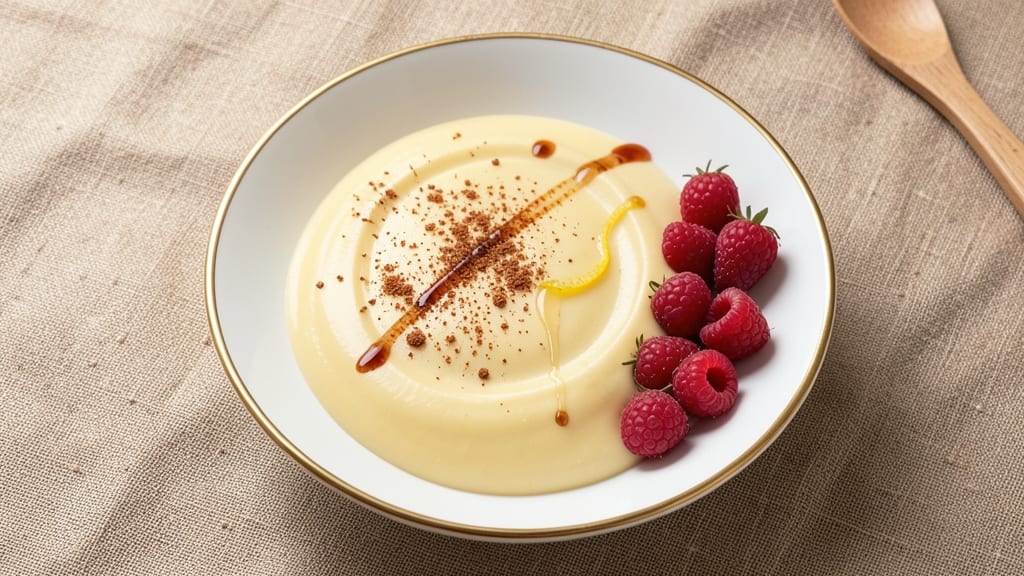
This Atkins egg custard recipe delivers the creamy, comforting texture of classic custard without the carbs—perfect for low-carb dieters craving something decadent. The secret lies in balancing eggs, heavy cream, and a touch of sweetener like erythritol or stevia, creating a silky-smooth result every time.
I’ve perfected this version to avoid graininess while keeping it rich and satisfying, with warm vanilla and cinnamon adding depth without sugar.
The beauty of this recipe is its versatility—bake it for a firm, sliceable dessert or prepare it stovetop for a quicker, spoonable treat. The custard thickens beautifully, offering a velvety mouthfeel that rivals traditional recipes, but with just 2g net carbs per serving.
It’s ideal for breakfast, dessert, or even a light lunch when paired with berries or whipped cream.
What sets this apart is the precision in technique: whisking eggs thoroughly, tempering the cream, and baking at the right temperature ensures a flawless texture. No lumps, no bitterness—just pure, creamy indulgence that fits seamlessly into an Atkins plan.
The aroma alone will make your kitchen feel like a cozy café, and the first bite delivers that familiar comfort without the guilt.
Serve it chilled for a refreshing treat, or warm it gently for a comforting dessert. With just six simple ingredients and 15 minutes of active time, this custard is a game-changer for low-carb living. Let’s get started—your taste buds (and your diet) will thank you.
Ingredients for atkins egg custard
Six simple ingredients transform into velvety low-carb custard for breakfast or dessert
| Ingredient | Amount | Notes |
|---|---|---|
| Large Eggs 🥚 | 6 whole | Room temperature for even cooking |
| Heavy Whipping Cream 🥛 | 1 ½ cups | Full-fat for rich texture |
| Granulated Erythritol 🍬 | ¼ cup | Or stevia equivalent |
| Pure Vanilla Extract 🌿 | 1 tbsp | High-quality, not imitation |
| Ground Cinnamon 🌶️ | ½ tsp | Freshly ground preferred |
| Pinch of Salt 🧂 | ⅛ tsp | Diamond Crystal preferred |
| Unsalted Butter 🧈 | 2 tbsp | For greasing ramekins |
The eggs are the heart of this custard—pasture-raised if you can find them, but regular large eggs work perfectly fine. Trader Joe's carries them at great prices, and they're always reliable. Heavy cream is non-negotiable here; the full-fat version gives you that rich, restaurant-quality texture. If you're watching calories more closely, you can use half-and-half, but trust me on the full-fat version. The erythritol or stevia is where the magic happens—it sweetens without spiking blood sugar, and brands like Lakanto or Swerve blend seamlessly. For vanilla, I always grab the Nielsen-Massey pure extract—it's worth the extra few bucks for that authentic flavor.
No erythritol? Monk fruit sweetener works beautifully as a 1:1 substitute. Running low on vanilla? Vanilla bean paste adds little flecks of vanilla for a fancier touch. The cinnamon can be swapped for cinnamon extract if you prefer, but fresh ground is always better. For the salt, Diamond Crystal is my go-to because it's coarser and dissolves more easily. If you're prepping ahead, measure everything out the night before—this custard is even better the next day when the flavors meld together. The butter for greasing? European-style unsalted butter like Plugra melts beautifully and adds a subtle richness.
This custard keeps beautifully in the fridge for 4-5 days—just cover it tightly with plastic wrap pressed directly on the surface to prevent a skin. For longer storage, portion into individual ramekins and freeze for up to 3 months. When reheating, I like to give it a quick spin in the microwave for 20-30 seconds to bring back that creamy texture. It's perfect for meal prep—just grab a ramekin in the morning and enjoy it cold or warm it up for a comforting dessert. The aroma alone makes the kitchen feel like a cozy café, and the first bite delivers pure comfort without the carb guilt.
Why You'll Love This Recipe
- No Whisk Required: I swear, this custard comes together faster than I can say "low-carb." Just crack eggs, stir cream, sprinkle cinnamon—no fancy techniques, no waiting for the oven to heat. That vanilla extract? One drop’s all you need, and suddenly it tastes like you slaved over it.
- Creamy Without the Guilt: The heavy cream makes it rich, but the erythritol keeps it sweet without the sugar crash. Honestly, the first time I tasted it, I thought I’d messed up—it’s that smooth and satisfying. Plus, the cinnamon adds warmth that makes it feel like dessert, even when it’s breakfast.
- Breakfast or Dessert? Yes.: I’ve served this chilled for a fancy brunch, reheated in mugs for a lazy morning, and even as a topping for coffee. Between us, the kids ask for it after dinner sometimes—call it dessert, call it a snack, but it’s always a win.
- Leftovers That Last: This custard actually improves overnight. I make a big batch on Sundays, and by Wednesday, it’s still creamy and delicious. No weird textures, no sad leftovers—just pure, reliable comfort. And since it’s just eggs and cream, it’s cheaper than takeout, too.
Step-by-step instructions for low-carb egg custard
Here's how to make silky, low-carb custard that's rich, flavorful, and perfect for breakfast or dessert.
Whisk Eggs and Cream Until Smooth
In a large mixing bowl, combine the 6 whole Large Eggs and 1.5 cups Heavy Whipping Cream. Use a whisk or electric mixer to beat on medium speed for 3-4 minutes until the mixture is completely smooth and slightly thickened. You'll notice the mixture lighten in color and become noticeably thicker as it emulsifies.
This step is crucial for creating a velvety texture. I like to stop occasionally and scrape the sides of the bowl with a silicone spatula to ensure all the egg yolks are fully incorporated. The mixture should be uniform with no streaks of egg whites remaining. Here's where it gets fun—taste a small spoonful. It should be slightly sweet from the cream but not overly rich yet.
Sweeten and Season the Mixture
Add the 0.25 cup Granulated Erythritol, 1 tbsp Pure Vanilla Extract, 0.5 tsp Ground Cinnamon, and 0.125 tsp Pinch of Salt to the egg mixture. Whisk everything together for another 1-2 minutes until the erythritol is completely dissolved and the cinnamon is evenly distributed throughout.
I prefer to let the mixture sit for 2-3 minutes at this stage so the flavors can meld slightly before baking. This is where the cinnamon really starts to perfume the custard. The erythritol will dissolve completely if you whisk vigorously, but if you notice any graininess, you can gently warm the mixture over a double boiler for 10-15 seconds to help it dissolve fully.
Prepare Your Baking Dishes
Preheat your oven to 325°F. Generously grease 4 ramekins (about 6-ounce size) with 2 tbsp Unsalted Butter, using a pastry brush to coat the bottom and sides thoroughly. The butter creates a non-stick barrier that prevents the custard from sticking, making for easy release later.
I like to place the ramekins on a baking sheet before pouring in the custard mixture. This makes it easier to transfer them to and from the oven without spills. The ramekins should be at room temperature before you pour the custard—cold dishes can cause the custard to set unevenly.
Bake Until Set and Golden
Divide the custard mixture evenly among the prepared ramekins. Place the baking sheet on the middle rack of your preheated oven and bake for 40-45 minutes. The custard is done when it's set in the center (it should jiggle slightly but not be liquid) and the tops are lightly golden brown.
Here's the thing—don't overbake. The custard will continue to firm up as it cools. I check for doneness by gently shaking the ramekin—if it moves slightly but doesn't wobble like liquid, it's ready. If you're unsure, insert a toothpick in the center; it should come out clean with just a few moist crumbs clinging to it.
Chill and Serve
Remove the custards from the oven and let them cool at room temperature for 10 minutes. Then transfer them to the refrigerator and chill for at least 2 hours (or overnight). This chilling step is essential for developing the perfect creamy texture. The custards should be firm but still slightly jiggly when served.
When ready to serve, run a thin knife around the edges of each ramekin to loosen them. Invert onto plates, and you'll be rewarded with beautifully set custards that release cleanly. Serve with fresh berries or a sprinkle of cinnamon for a delightful low-carb treat that tastes indulgent but fits perfectly with Atkins principles.
Pro Tips For Making Atkins Egg Custard
- Whisk Eggs Cold: Crack eggs straight into the cold cream—no pre-whisking. I learned this the hard way after scrambling yolks in three batches. The cream’s fat coats the eggs instantly, preventing curdling when you add heat later. Just mix gently until just combined, then add sweeteners.
- Sweeten Last, Heat First: Stir in erythritol after the custard reaches 160°F (71°C), not before. I used to add it early, and the sugar would crystallize on the bottom like sad little grains. A quick temper with a splash of cream solves it, but why bother? Wait until the base is silky smooth.
- Skip the Overmixing: Once the custard thickens to a pudding-like consistency, stop stirring immediately. I’ve seen people keep going until it’s gluey, and that’s how you end up with a rubbery mess. It should coat the back of a spoon but still slide off cleanly—like a dream, not a science experiment.
- Vanilla Early, Cinnamon Late: Fold in vanilla extract now—it blooms better in the warm mixture. But save the cinnamon for the last 30 seconds of cooking. Freshly toasted spices taste brighter, and adding it early can make the custard taste like it’s hiding in the back of a spice rack. (Your nose knows.)
Pro cooking tips for this recipe
Egg Whisking Mastery
Whisking the eggs and cream thoroughly is the foundation of silky custard. Use a hand mixer on medium speed for 3-4 minutes—this emulsifies the fat and protein perfectly.
I like to stop every 30 seconds to scrape the bowl with a silicone spatula, ensuring no egg yolks cling to the sides. The mixture should be pale yellow and slightly thickened, almost like light pudding.
If you taste it now, it’ll be rich but not overly sweet—just the cream’s natural sweetness. 🥚
Tempering the Cream
To prevent graininess, avoid pouring hot liquid directly into the eggs. Instead, gently warm the heavy cream to 110°F (just warm to the touch) before combining with eggs. This gradual temperature increase helps the custard set smoothly.
If you’re in a hurry, you can microwave the cream in 10-second bursts, stirring between each, until it reaches the right temperature. The key is consistency—never let it boil. 🌡️
Sweetener Dissolution
Erythritol or stevia can be tricky—whisking alone might not dissolve it completely. If you see tiny granules, gently warm the mixture over a double boiler for 10-15 seconds, stirring constantly. This melts the sweetener without scrambling the eggs.
For extra insurance, sift the erythritol first to break up clumps. A fully dissolved sweetener ensures a smooth, velvety texture without any gritty surprises. 🍬
Oven Temperature Control
Set your oven to 325°F—this is the sweet spot for custard. Too hot, and it’ll curdle; too cool, and it won’t set properly. Use an oven thermometer to confirm accuracy, as home ovens often run 25°F hotter or colder than set.
Place the ramekins on the middle rack for even heat distribution. If your oven has hot spots, rotate the baking sheet halfway through for uniform baking. 🔥
Doneness Test
The custard is ready when it’s just set—no longer liquid but still slightly jiggly in the center. Gently shake the ramekin: if it moves barely, it’s done. Insert a toothpick—it should come out clean or with a few moist crumbs.
Overbaking dries out the custard, so resist the urge to peek! Let it cool 10 minutes before chilling to prevent cracking. ✨
Chilling for Perfection
Refrigerating the custard for at least 2 hours (or overnight) is non-negotiable. This step develops the silky texture and allows flavors to meld. For a restaurant-quality finish, run a thin knife around the edges before inverting onto plates.
Serve chilled for a refreshing treat or warm it gently in the microwave for 20-30 seconds to bring back that creamy warmth. 💫
Nutrition facts
Frequently asked questions
Can I make this custard without baking?
For a stovetop version, whisk 6 eggs, 1.5 cups heavy cream, and your sweetener until smooth, then heat in a saucepan over medium-low heat while stirring constantly. When it thickens to 170°F, remove from heat and stir in vanilla and cinnamon. Chill for 2+ hours—it'll be spoonable and just as creamy!
What's the best way to store leftovers?
Store baked custard in an airtight container in the fridge for 4-5 days. For freezing, portion into ramekins and freeze for up to 3 months. Thaw overnight in the fridge—microwaving can make it watery. The texture actually improves after 24 hours of chilling!
Why did my custard turn grainy?
Graininess usually means the sweetener didn't dissolve fully or the eggs cooked too fast. Always whisk thoroughly and warm the mixture gently if needed. For extra insurance, sift your erythritol first. Also, avoid overbaking—remove when just set, not firm. A splash of extra cream can rescue a slightly grainy batch!
Can I use almond milk instead of heavy cream?
Not recommended—the custard won't set properly without full-fat dairy. If you're watching calories, try half-and-half or heavy cream mixed with a splash of water (like 1.25 cups cream + 0.25 cups water). The texture will be lighter but still creamy. For true low-carb results, stick with full-fat dairy.
How do I make this custard keto-friendly?
This recipe is already keto! With just 2g net carbs per serving, it fits perfectly. For extra insurance, verify your sweetener's carb count—erythritol and stevia are both zero-carb. Add a dollop of sugar-free whipped cream or raspberries (just 1g net carbs per cup) for topping options.