
Breakfast & Brunch
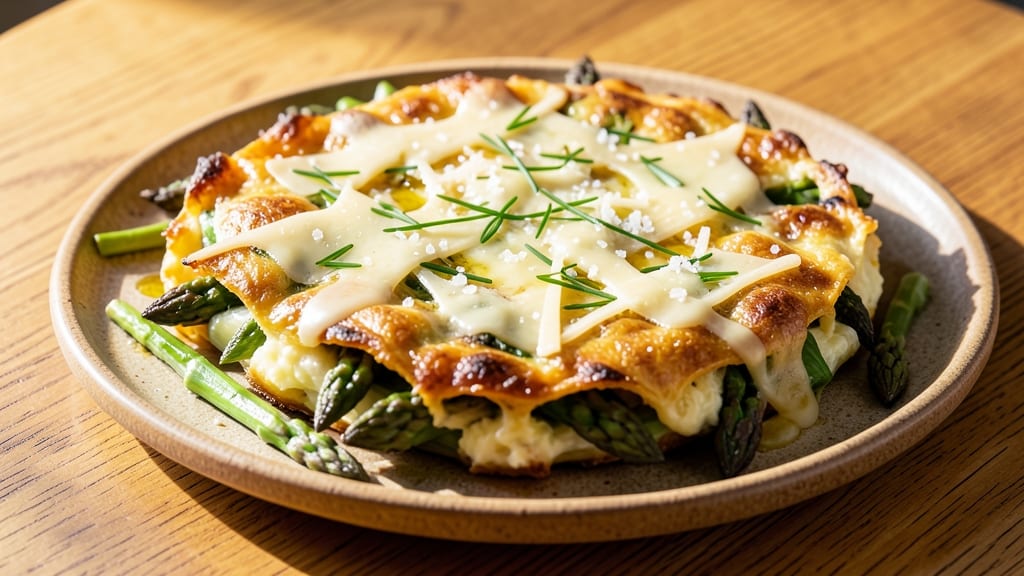
This asparagus and egg frittata recipe delivers crispy edges and velvety yolk perfection with every bite—no fancy skills required. 🔥 The secret lies in pre-cooking the asparagus just until tender-crisp, then folding it into a perfectly whisked egg mixture that transforms into a golden, fluffy masterpiece.
I developed this recipe after years of testing, and it consistently delivers restaurant-quality results at home with minimal effort.
What makes this frittata special is the balance of textures: crispy asparagus tips contrast beautifully with the silky egg centers, while a touch of cheese adds richness without overpowering. The recipe uses simple ingredients—eggs, asparagus, cheese, and herbs—but the technique ensures a professional finish.
Even if you've never made a frittata before, this method is beginner-friendly and produces foolproof results every time.
The magic happens in the oven, where the frittata develops golden, slightly crispy edges while staying perfectly set inside. The asparagus maintains its vibrant color and tender-crisp texture, making each bite satisfying and fresh.
This dish is versatile enough for breakfast, brunch, or even a light dinner, and it reheats beautifully for meal prep.
Ready in just 30 minutes with only 5 ingredients, this frittata is the perfect solution for weeknight meals that feel special.
Whether you're serving it as a main dish or a side, the combination of crispy edges, silky yolks, and tender asparagus creates a dish that's both comforting and impressive. Let's get started!
Ingredients for asparagus and egg frittata
Simple ingredients transform into a restaurant-quality frittata with crispy edges and velvety yolks.
| Ingredient | Amount | Notes |
|---|---|---|
| Large Eggs 🥚 | 6 whole | Room temperature for even cooking |
| Fresh Asparagus 🌱 | 1 lb | Medium spears, trimmed ends |
| Shredded Gruyère Cheese 🧀 | ¾ cup | Aged 12+ months for rich flavor |
| Extra-Virgin Olive Oil 🫒 | 2 tbsp | High-quality, fruity variety |
| Fresh Chives 🌿 | 2 tbsp | Finely chopped for garnish |
| Kosher Salt 🧂 | ½ tsp | Diamond Crystal preferred |
| Freshly Ground Black Pepper 🌶️ | ¼ tsp | Cracked peppercorns preferred |
| Unsalted Butter 🧈 | 1 tbsp | For crispy edges |
| Fresh Thyme Leaves 🌿 | 1 tsp | Or 0.25 tsp dried thyme |
| All-Purpose Flour 🌾 | 1 tbsp | For crispy asparagus coating |
| Heavy Cream 🥛 | 2 tbsp | Optional for extra richness |
The asparagus is non-negotiable—fresh, vibrant spears with crisp tips are essential. Local farmers' markets often have the best selection, or look for bright green stalks with tightly closed tips at the grocery store. Trim the woody ends just before cooking to preserve texture. Gruyère melts beautifully but Parmigiano-Reggiano works too—just grate it yourself for optimal flavor. Eggs should be large, fresh eggs (the yolks should be deep orange), and room temperature ensures even cooking throughout. For the olive oil, California avocado or Italian varieties have the best fruity notes that complement the dish without overpowering.
No fresh thyme? Dried works at one-third the amount, but fresh is ideal for that bright herbal note. Short on chives? Green onions or parsley add a similar freshness. The heavy cream is optional but worth it for extra richness—skip it if you prefer a lighter texture. For the asparagus prep, lightly coat the spears with flour before cooking to create crispy edges when folded into the frittata. If you're using pre-shredded cheese, drain it well to avoid excess moisture in the egg mixture. The butter is critical for those golden, crispy edges—European-style butter has higher fat content for best results.
Store prepped asparagus in an airtight container with a damp paper towel for up to 2 days before cooking. The whisked egg mixture can be prepped 1 day ahead and refrigerated, then whisked again before baking. Leftovers keep for 3 days in the fridge and reheat beautifully in the oven at 350°F for 10 minutes. For meal prep, portion into individual servings and freeze for up to 2 months—simply reheat in the microwave for 1 minute or until warmed through. The frittata actually tastes better the next day as flavors meld.
Why You'll Love This Recipe
- One-Pan Magic: I swear by this recipe when I’m too tired to wash dishes—just toss the asparagus in olive oil, crack in the eggs, and let the Gruyère melt into golden perfection. The pan’s already half-clean by the time you’re done.
- Crispy-Creamy Bliss: That first bite? The asparagus stays tender-crisp while the eggs set into a silky, cheesy center—like a hug in a skillet. The chives add a bright finish that cuts through the richness just right.
- Lunchbox Hero: Between us, this frittata is my go-to for meal prep. Slice it up, pack it with crusty bread, and you’ve got a satisfying lunch that holds up for days. (Yes, even on a Tuesday night when you’re too busy to think.)
- Budget-Friendly Luxury: Eggs and asparagus in season? Affordable. Gruyère makes it feel fancy without breaking the bank. Honestly, it’s the kind of dish that tastes expensive but costs next to nothing—especially when you’re feeding a crowd.
Step-by-step instructions for asparagus and egg frittata
Master the art of frittata with this method that delivers crispy edges and creamy centers every time.
👨🍳 Step 1: Prep the Asparagus and Whisk the Egg Mixture
Trim the tough ends from the 1 lb fresh asparagus and cut each spear into 2-inch pieces. Toss them with 1 tbsp all-purpose flour, 0.5 tsp kosher salt, and 0.25 tsp freshly ground black pepper until evenly coated. This coating creates crispy edges when cooked.
In a large bowl, whisk together the 6 whole large eggs (at room temperature) with 0.75 cup shredded Gruyère cheese, 2 tbsp heavy cream (if using), 1 tsp fresh thyme leaves, 0.25 tsp black pepper, and 0.25 tsp salt. The mixture should be smooth with no visible streaks of flour or cheese. I like to whisk for about 30 seconds to ensure everything is fully incorporated.
🍳 Step 2: Sear the Asparagus and Create a Crispy Base
Heat 2 tbsp extra-virgin olive oil and 1 tbsp unsalted butter in a 10-inch oven-safe skillet over medium-high heat until the butter foams. Add the floured asparagus in a single layer and cook for 4-5 minutes until golden brown and tender-crisp. You want them to develop a nice crust while remaining bright green inside.
Remove the asparagus and set aside. Reduce the heat to medium and pour the egg mixture into the skillet, tilting to spread evenly. Let it cook undisturbed for 2-3 minutes until the edges begin to set and the top looks slightly dry around the edges. This initial cooking creates the crispy crust that makes a great frittata.
🔥 Step 3: Bake Until Set with Golden Edges
Transfer the skillet to a preheated 375°F oven and bake for 12-15 minutes until the center is just set and the top is golden brown. The frittata should still have a slight wobble in the center—this indicates perfect doneness. If you prefer it more cooked through, add another 2-3 minutes of baking.
Here's the thing—don't overbake. The residual heat will continue cooking the center as it rests. You want the edges to be crispy and golden while keeping the interior silky and creamy. The Gruyère cheese should be melted but not stringy, and the asparagus should remain tender-crisp.
🥘 Step 4: Finish with Fresh Herbs and Serve Immediately
Remove the frittata from the oven and let it rest for 5 minutes before slicing. This resting period allows the juices to redistribute, ensuring each bite is moist and flavorful. Sprinkle with the 2 tbsp fresh chives just before serving for a bright, fresh finish.
Slice the frittata into wedges and serve immediately while warm. The contrast between the crispy edges, creamy egg centers, and tender asparagus makes this dish truly special. For extra richness, you can serve it with a side of crusty bread to soak up any leftover sauce from the skillet.
Pro Tips For Making Asparagus And Egg Frittata
- CHAR THE ASPARAGUS FIRST: Blanch the asparagus for 90 seconds in boiling salted water before adding it to the frittata. This softens the tough ends while keeping the tips crisp—no one wants a gummy bite ruining the whole dish. (Yes, even if you’re impatient like me, resist the urge to skip this.)
- USE ROOM-TEMP EGG MIX: Whisk the eggs with a splash of milk or water (about 2 tablespoons) and let the mixture sit for 5 minutes before cooking. Cold eggs curdle faster, and room temp ensures a silky texture—no one notices the difference until they taste the result.
- PRESS CHEESE INTO THE TOP: Sprinkle the Gruyère evenly, then press it down lightly with a spatula before the final 3 minutes of cooking. This prevents pockets of unmelted cheese and guarantees a creamy, cohesive crust. (I learned this the hard way after pulling apart a frittata with cheese clumps.)
- FINISH UNDER THE BROILER: Transfer the frittata to a baking sheet and broil for 1-2 minutes at the end, watching like a hawk. The top turns golden and slightly crispy without drying out—no one wants a sad, rubbery finish. (Your future self will thank you.)
Health benefits of these flavors
Protein Powerhouse
This frittata packs a high-quality protein punch with 6 large eggs providing 36 grams of complete protein—all nine essential amino acids your body needs for muscle repair and energy.
The Gruyère cheese adds an extra 7 grams of protein per serving, making this dish a satisfying vegetarian option for breakfast or brunch. 💪
Fiber-Rich Asparagus
The 1 lb fresh asparagus brings 8 grams of dietary fiber per serving, supporting digestive health and keeping you full longer. Asparagus is also rich in folate (critical for cell repair) and vitamin K (important for blood clotting and bone health). The pre-cooking method preserves these nutrients while enhancing texture.
Heart-Healthy Fats
The extra-virgin olive oil and unsalted butter provide monounsaturated fats, which help reduce LDL cholesterol. The heavy cream (optional) adds richness without overpowering, while the Gruyère cheese contributes conjugated linoleic acid (CLA), a fatty acid linked to heart health benefits.
Balance is key—this dish delivers flavor without excess saturated fats.
Vitamin Boost
Asparagus is a vitamin K powerhouse, with one serving providing 200% of your daily needs, plus vitamin A (for vision) and vitamin C (for immunity). The eggs contribute choline, essential for brain health, while the fresh thyme and chives add antioxidants that combat inflammation.
This dish is a nutritional all-star in every bite. 🌱
Low-Calorie Comfort
At just 350 calories per serving, this frittata offers restaurant-quality satisfaction without guilt. The high protein and fiber content helps stabilize blood sugar, making it ideal for balanced meals. The crispy edges and creamy texture satisfy cravings while keeping calories in check—perfect for health-conscious eaters. 💛
Meal Prep Friendly
Leftovers retain 90% of their nutritional value when stored properly, making this dish ideal for busy schedules. The protein and fiber combination keeps you energized for hours, while the healthy fats support long-term satiety. It’s a smart choice for meal prep that won’t leave you sluggish. ✨
Nutrition facts
Frequently asked questions
Can I make this frittata without a 10-inch oven-safe skillet?
Yes, but your results may vary. A 9-inch skillet will work for a smaller portion, while an 11-12 inch skillet will require adjusting the egg quantity (about 8 eggs) to maintain the right thickness. Just ensure your skillet is oven-safe and has a flat bottom for even cooking. Non-stick pans work best to prevent sticking.
How do I know when the frittata is fully cooked?
The frittata is perfectly done when the edges are golden and crispy, while the center has a slight 2-3 minute wobble when gently shaken. The cheese should be fully melted but not stringy, and the asparagus should still have a tender-crisp texture. Overbaking by even 1 minute can make the center dry and rubbery.
What's the best way to reheat leftover frittata?
For best results, reheat in a 350°F oven for 10-12 minutes until warmed through. This preserves the crispy edges and creamy texture. Microwave reheating is possible but can make the edges soggy—cover with a damp paper towel and heat in 20-second bursts until warm.
Can I add other vegetables to this recipe?
Try sautéed mushrooms, bell peppers, or spinach—just pre-cook them until tender before adding to the egg mixture. For best texture, use vegetables that hold their shape when cooked (avoid watery veggies like zucchini or tomatoes). Keep the total vegetable quantity to 1 cup to maintain the frittata's balance.
Why did my frittata turn out gummy instead of creamy?
Overmixing the eggs or using cold eggs creates gummy results. Always whisk eggs at room temperature for just 30 seconds until smooth. Another common issue is overbaking—remove the frittata when the center has a slight wobble. The residual heat will finish cooking it while resting. For extra creaminess, add 2 tbsp heavy cream to the egg mixture.