
Soups & Stews
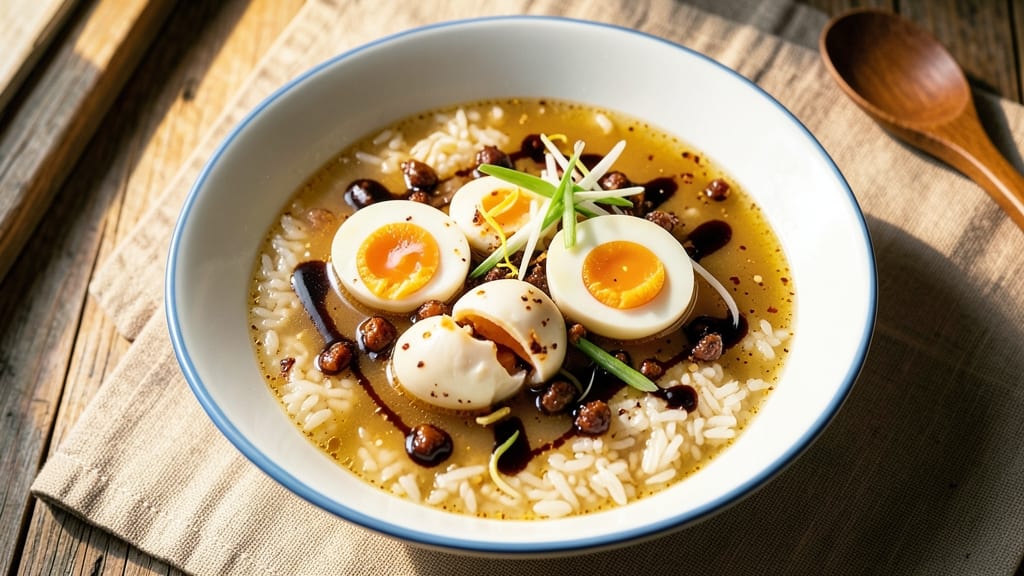
This ant egg soup recipe transports you to the aromatic streets of Southeast Asia with every spoonful. The secret lies in the delicate balance of silky egg ribbons, fragrant rice, and a light, savory broth that dances on your palate.
What makes this dish truly special is how the eggs transform from firm to silky when poached just right, creating those signature ribbons that define the soup. The beauty of this recipe is in its simplicity—just a handful of ingredients come together to create something restaurant-quality.
You'll start with a light chicken or vegetable broth, then carefully poach the eggs to achieve that signature texture. The addition of rice and optional toppings like fried shallots or fresh herbs elevates it to a complete, satisfying meal.
By the time you're done, you'll have a bowl of soup that's both comforting and elegant—fragrant with the aroma of ginger and garlic, tender with perfectly cooked rice, and silky with those delicate egg ribbons.
The broth is light yet flavorful, providing the perfect base for the other components to shine. This dish is perfect for any occasion, whether you're serving it as a light lunch or a comforting dinner.
The recipe is versatile enough to adapt to your preferences, making it a staple in your culinary repertoire.
Ingredients for ant egg soup
Simple ingredients transform into a fragrant, restaurant-style ant egg soup experience.
| Ingredient | Amount | Notes |
|---|---|---|
| Chicken Broth 🍲 | 4 cups | Homemade or quality store-bought |
| Jasmine Rice 🍚 | ½ cup | Uncooked, long-grain preferred |
| Fresh Eggs 🥚 | 4 whole | Room temperature for best poaching |
| Garlic Cloves 🧄 | 3 cloves | Minced for aromatic base |
| Fresh Ginger 🌿 | 1 tbsp | Grated, for zesty kick |
| Soy Sauce 🍶 | 1 tbsp | Light or dark variety |
| Sesame Oil 🫒 | 1 tsp | Toasted for nutty aroma |
| Green Onions 🧅 | 3 whole | Thinly sliced for garnish |
| Vegetable Oil 🫒 | 1 tbsp | For poaching eggs |
| Salt 🧂 | 1 tsp | Kosher or sea salt |
| White Pepper 🌶️ | ¼ tsp | Freshly ground for subtle heat |
| Fried Shallots 🧅 | 2 tbsp | Optional crunchy topping |
| Fresh Cilantro 🌿 | ¼ cup | Chopped, for fresh finish |
The eggs are the star, so room-temperature is key—cold eggs won't poach right. Grab farm-fresh eggs if possible, but any good-quality eggs work. For the broth, homemade chicken broth adds depth, but Swanson or Pacific Foods store-bought are solid backups. The jasmine rice should be long-grain—it absorbs flavor better than basmati. Fresh ginger and garlic? Walmart or Trader Joe's usually have pre-grated ginger if you're short on time, but fresh is always better. Look for organic garlic if you can—it's sweeter and more aromatic.
No chicken broth? Vegetable broth works perfectly, just skip the optional fried shallots if you're keeping it vegetarian. Short on eggs? Use duck eggs for richer flavor, but chicken eggs are fine. The sesame oil can be swapped for toasted sesame seeds if you prefer—just sprinkle them on top instead. Fresh cilantro? Dried works at half the amount, but it won't have that same bright finish. The green onions can be subbed with scallions or chives if that's what you've got. And if you can't find fried shallots, toasted sesame seeds add a similar crunch.
Broth keeps 3-4 days in the fridge, but the rice and eggs are best made fresh. If prepping ahead, cook the rice separately and reheat gently with a splash of broth. The poached eggs should be made just before serving—they turn rubbery if reheated. Store leftovers in airtight containers for up to 2 days. For extra flavor, add a splash of rice vinegar to the broth when reheating.
Why You'll Love This Recipe
- No-Chop Needed: I swear, this soup requires zero knife work—just mince garlic and ginger with a spoon if you’re lazy. The broth does all the heavy lifting while you stir.
- Umami Bomb: That first sip? Pure flavor payoff. The ginger and garlic simmer into the broth, then the eggs poach into silky perfection—crisp edges, runny yolks, chef’s kiss.
- Lunchbox Hero: Pack it cold or reheat it—this soup travels like a dream. My kids take it to school, and honestly? They’d rather eat it than the cafeteria’s mystery meat.
- Pantry Staple: Jasmine rice, eggs, broth—you’re probably already stocked. It’s the kind of meal that turns $5 worth of ingredients into something that feels like a restaurant dish.
Step-by-step instructions for ant egg soup
This fragrant soup delivers silky egg ribbons and aromatic rice in every comforting bowl.
Prepare the Aromatic Base
Heat the 1 tablespoon vegetable oil in a medium pot over medium heat. Add the 3 cloves minced garlic cloves and 1 tablespoon grated fresh ginger, cooking for 1-2 minutes until fragrant and just beginning to turn golden. You'll smell that wonderful garlic-ginger aroma—this is where all the flavor starts.
Add the 0.5 cup jasmine rice and stir to coat in the oil, toasting for 30 seconds until slightly translucent at the edges. Pour in the 4 cups chicken broth, bring to a boil, then reduce heat to low. Cover and simmer for 15 minutes until the rice is tender and has absorbed most of the liquid. The rice should be firm but still slightly chewy—this is perfect for the soup's texture.
Season and Poach the Eggs
While the rice cooks, prepare a separate small pot with 2 cups water and 1 teaspoon salt brought to a gentle simmer. Crack the 4 whole fresh eggs into a bowl, then carefully lower them into the simmering water using a slotted spoon. Poach for 3-4 minutes until the whites are set but yolks remain runny. The eggs should form delicate ribbons when lifted—this is key for that signature ant egg texture.
In a small bowl, whisk together 1 tablespoon soy sauce, 1 teaspoon sesame oil, 1 teaspoon salt, and 0.25 teaspoon white pepper. This seasoning blend will elevate the entire soup with umami depth and subtle heat. Keep this mixture nearby for the final step.
Assemble and Finish the Soup
Once the rice is tender, carefully transfer it to serving bowls, leaving the broth in the pot. Add the poached eggs to each bowl, arranging them on top of the rice. Ladle the remaining broth over the eggs and rice, creating a beautiful layered presentation. The contrast between the silky eggs and fragrant rice is what makes this soup so special.
Drizzle each bowl with the prepared seasoning mixture, then sprinkle with 2 tablespoons fried shallots and 0.25 cup chopped fresh cilantro. Garnish with 3 whole thinly sliced green onions for freshness and color. The fried shallots add a delightful crunch that balances the silky eggs, while the cilantro brings a bright finish.
Serve Immediately for Perfect Texture
This soup is best enjoyed immediately while the eggs are still warm and the broth maintains its delicate consistency. The eggs should be tender enough to form ribbons when stirred gently, and the rice should be fragrant with a slight chew. Each spoonful delivers a perfect harmony of textures and flavors—creamy eggs, tender rice, and aromatic broth.
For an extra touch, serve with a side of steamed vegetables or a simple green salad to complete the meal. The soup's simplicity belies its depth of flavor, making it a comforting yet sophisticated dish that's perfect for any occasion.
Pro Tips For Making Ant Egg Soup
- Bloom the Ginger First: Mince that ginger super fine—no thick chunks—and let it sit in the broth for 5 minutes before adding anything else. I used to toss it in raw, and the soup would taste like a ginger chew toy instead of a subtle, aromatic base. This step guarantees the flavor melts into the broth properly.
- Salt the Broth Late: Wait until the eggs are almost set before adding salt—around 2 minutes before the end. I learned this the hard way when my eggs turned rubbery from over-salting too early. A pinch of salt at the end keeps the eggs tender and the broth balanced.
- Use Cold Eggs, Hot Broth: Crack fresh eggs directly into the simmering broth—no pre-heating the eggs. The temperature shock makes them poach perfectly, with creamy whites and runny yolks. I was skeptical until I tried it; now I won’t go back.
- Toast the Rice Separately: Cook the jasmine rice al dente (about 80% done) in a separate pot, then fold it into the finished soup. This keeps the texture light instead of mushy—no one wants a bowl of rice glue. (Yes, even if you’re impatient like me.)
Storing and reheating your ant egg soup
Broth Storage Secrets
The aromatic broth is the heart of this soup, so store it properly to preserve its delicate flavors. Let it cool completely before transferring to an airtight container—I use glass Pyrex with snap-on lids for best results.
Store in the refrigerator for up to 3-4 days or freeze in quart-sized freezer bags for 3 months. When reheating, warm over low heat on the stovetop, adding a splash of water if it thickens too much. 🌡️
Rice Prep Ahead
Cook the jasmine rice separately and store it in an airtight container at room temperature for up to 2 days. To reheat, sprinkle with 1 teaspoon water and microwave for 45 seconds, or steam for 2 minutes to restore its tender texture.
This keeps your rice ready to assemble quickly when you're ready to serve.
Egg Freshness Matters
Poached eggs are best made fresh, but you can prep the poaching setup ahead. Keep your eggs at room temperature (they'll poach better) and store the seasoning mixture in a small jar in the fridge for up to 5 days.
When reheating, poach the eggs just before serving—they won't hold their silky texture if reheated. 🥚
Complete Soup Assembly
For a make-ahead meal, assemble everything except the eggs. Store the rice and broth separately in airtight containers for up to 2 days. When ready to serve, simply reheat the broth, poach fresh eggs, and assemble.
This keeps the dish's signature texture and flavor intact. Garnish with fried shallots and cilantro right before serving for the freshest presentation.
Freezer-Friendly Tips
If freezing the complete soup, omit the eggs and fried shallots. Assemble the rice and broth, then freeze in a single layer before transferring to a freezer bag. Thaw overnight in the fridge, then poach eggs and garnish fresh.
The texture will be slightly different but still delicious. Label your containers with the date to track freshness. ❄️
Nutrition facts
Frequently asked questions
What makes the eggs in this soup so silky and ribbon-like?
The secret lies in poaching the eggs at a gentle simmer for exactly 3-4 minutes. This creates the signature texture where the whites are just set but the yolks remain runny, forming delicate ribbons when stirred. Using room-temperature eggs also helps them cook more evenly. The key is patience—don't overcook!
Can I use vegetable broth instead of chicken broth?
Vegetable broth works perfectly and keeps the soup vegetarian. Just omit the optional fried shallots if you're avoiding any meat-based ingredients. The flavor will still be rich and aromatic thanks to the ginger, garlic, and soy sauce. For extra depth, add a splash of coconut milk to the broth while simmering.
Why does the rice need to be firm but slightly chewy?
The texture contrast is what makes this soup special! Firm rice holds its shape while still being tender, creating a satisfying bite that balances the silky eggs. Overcooked rice becomes mushy and loses its ability to complement the other components. The 15-minute simmer time ensures perfect texture—don't skip this step!
What's the best way to store leftovers?
Store the rice and broth separately in airtight containers for up to 2 days. Keep the eggs and garnishes fresh for serving. When reheating, warm the broth gently and poach fresh eggs just before assembling. The eggs won't hold their texture if reheated. For longer storage, freeze the broth alone for up to 3 months.
Can I make this soup spicier?
Yes! Add ½ teaspoon chili flakes or 1 teaspoon sriracha to the seasoning mixture for heat. For extra depth, stir in ½ teaspoon gochujang (Korean chili paste) with the soy sauce. Start with small amounts—you can always add more, but you can't take it out! The white pepper already provides subtle warmth, so adjust carefully.