
Main Courses
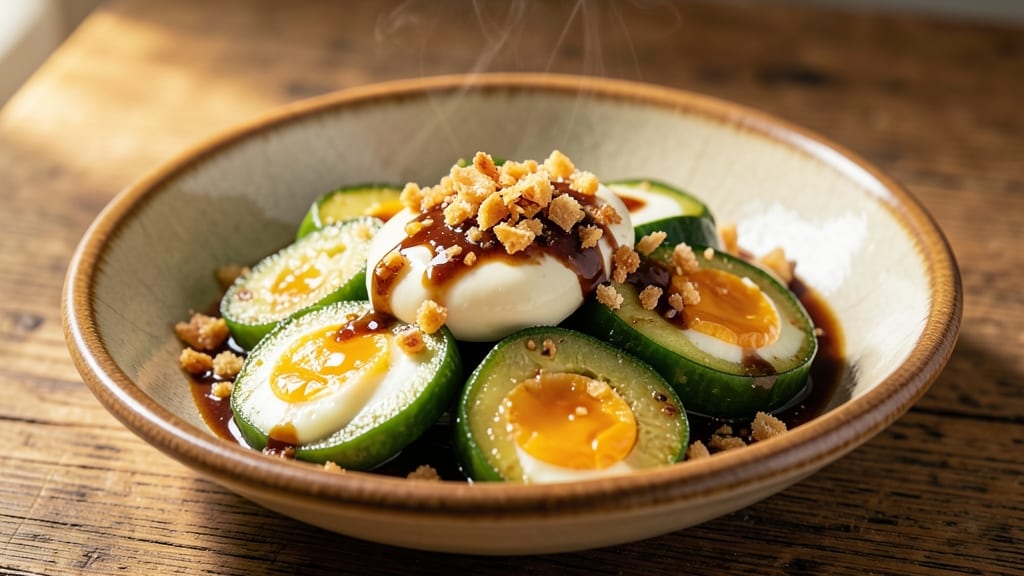
This ampalaya with egg recipe panlasang Pinoy brings the comforting flavors of Filipino home cooking to your table, where crispy tortilla cups cradle a silky filling of tender bitter gourd and rich, savory eggs.
The secret lies in properly preparing the ampalaya—peeling, slicing, and sautéing it just enough to soften its texture while reducing that characteristic bitterness.
I remember the first time I tasted this dish in a bustling Filipino karinderia, and how the balance of sweet soy, tangy vinegar, and aromatic garlic transformed a simple vegetable into something truly special.
The dish starts with stir-frying the ampalaya until just tender, then simmering it in a fragrant sauce of soy sauce, vinegar, and garlic—this is where the magic happens. The sauce caramelizes slightly, creating a glossy, umami-rich coating that clings to every bite.
Meanwhile, the eggs cook to a perfect custardy finish, their rich yolks blending seamlessly with the vegetables. What makes this recipe truly special is how it turns a humble vegetable into a hearty, satisfying meal that’s both comforting and elegant.
By the time you plate it, you’ll have crispy tortilla cups stuffed with a velvety ampalaya and egg filling, garnished with fried garlic and green onions for a pop of color and crunch. The contrast between the crispy exterior and the silky interior makes every bite irresistible.
This is the kind of dish that feels like a warm hug—perfect for a cozy family dinner or a special gathering. Let’s get cooking!
One of the things I love about this recipe is how adaptable it is. You can adjust the sweetness of the sauce to your taste, or even swap in other vegetables like eggplant or zucchini if you prefer. The technique is simple, but the result is anything but ordinary.
Whether you're a seasoned home cook or just starting out, this dish delivers restaurant-quality flavors with minimal effort. Ready to bring a taste of the Philippines to your kitchen?
Ingredients for ampalaya with egg recipe panlasang pinoy
Fresh ampalaya, tender eggs, and crispy tortilla cups—this dish brings Filipino comfort food magic to your kitchen.
| Ingredient | Amount | Notes |
|---|---|---|
| Ampalaya (Bitter Gourd) 🍆 | 1 lb | Peeled, sliced into 1-inch pieces |
| Large Eggs 🥚 | 4 whole | Room temperature for even cooking |
| All-Purpose Flour 🌾 | 1 cup | For crispy tortilla cups |
| Vegetable Oil 🫒 | ¾ cup | For frying tortilla cups |
| Soy Sauce 🥄 | ½ cup | Light or regular, not low-sodium |
| White Vinegar 💧 | ¼ cup | For tangy balance |
| Garlic Cloves 🧄 | 5 cloves | Minced for sauce and frying |
| Green Onions 🧅 | 3 whole | Sliced, for garnish |
| Salt 🧂 | 1 tsp | Kosher or sea salt |
| Black Pepper 🌶️ | ½ tsp | Freshly ground |
| Sugar 🍚 | 1 tbsp | Adjust to taste |
| Vegetable Oil Spray 🫒 | 1 tbsp | For sautéing ampalaya |
| Salted Eggs (optional) 🥚 | 2 whole | Halved, for extra richness |
The ampalaya is the star, so pick firm, dark green ones—avoid any with soft spots. Filipino markets or Asian grocery stores usually have the best selection, but regular grocery stores work too if you find them in the produce section. Peeling is key: use a sharp knife to slice off the skin in strips, then scrape out the seeds with a spoon. Don’t skip the saltwater soak (10 minutes) to remove bitterness—trust me, it makes all the difference. For the tortilla cups, store-bought flour tortillas work fine, but homemade ones crisp up even better. I like to use Mission brand tortillas because they’re reliable and hold their shape.
No ampalaya? Eggplant or zucchini can stand in, but you’ll need to adjust cooking time—eggplant takes longer to soften. Short on eggs? Silken tofu blended into the filling adds creaminess without changing the texture much. The sauce is where the magic happens: reduce it by half for a thicker, more concentrated flavor. If you’re feeling adventurous, add a splash of calamansi juice (or sub lime) for a brighter twist. The fried garlic? Don’t overcrowd the pan—cook in batches for maximum crispiness. And if you’re worried about the tortilla cups getting soggy, pre-fry them until golden before stuffing.
Ampalaya keeps for 3-4 days in the fridge, but it’s best used fresh. Once you’ve peeled and sliced it, store it in a sealed container with a damp paper towel to keep it from drying out. The tortilla cups can be prepped ahead and stored in an airtight container for 2 days—just reheat in the oven at 350°F for 5 minutes before serving. This dish reheats beautifully, so make extra filling—it’s even better the second day. And if you’re serving a crowd, double the tortilla cups and fill them with just the ampalaya mixture; they’re delicious as a side too.
Why You'll Love This Recipe
- No-Fuss Frying: I swear by the quick-fry method—just slice the ampalaya thin, toss in a hot pan with a splash of oil, and let those edges crisp up in minutes. No boiling, no peeling, no stress. The eggs get scrambled in the same pan while you stir, so it’s basically hands-off once you start.
- Umami Bomb: That soy sauce and flour batter? It’s magic. The ampalaya’s bitterness mellows out into something rich and savory, while the eggs add a creamy, almost custardy finish. Honestly, the first time I tasted it, I thought, “Why didn’t I do this sooner?”
- Lunchbox Hero: Between us, this is my go-to for packed lunches. The ampalaya holds up for days, and the eggs stay tender if you reheat it gently—just a quick sizzle in oil or microwave. My kids (yes, even the picky ones) will eat this cold from a bento box, no complaints.
- Pantry Staple: Flour, soy sauce, eggs—you’re probably already stocked. Ampalaya’s cheap at the market, and a single batch stretches for three meals. I’ll be real: I’ve made this on a $5 grocery run when I forgot to plan ahead, and it still tasted like a proper home-cooked meal. Budget-friendly doesn’t get much better.
Step-by-step instructions for ampalaya with egg recipe panlasang Pinoy
Here's how to create crispy tortilla cups filled with tender ampalaya and rich egg filling.
Prepare the Ampalaya Filling
Heat a large skillet over medium heat and spray lightly with the 1 tablespoon vegetable oil spray. Add the 1 lb Ampalaya (Bitter Gourd), sliced into 1-inch pieces, and sauté for 3-4 minutes until slightly softened. Real talk: ampalaya gets bitter when overcooked, so watch it closely.
Add the 5 cloves minced garlic cloves and cook for 30 seconds until fragrant. Pour in the 0.5 cup soy sauce and 0.25 cup white vinegar, then sprinkle with 1 tablespoon sugar. Stir well and simmer for 5-7 minutes until the ampalaya is tender but still holds its shape. Season with 1 teaspoon salt and 0.5 teaspoon black pepper. Remove from heat and let cool slightly.
Make the Crispy Tortilla Cups
In a mixing bowl, beat the 4 whole Large Eggs until frothy. Gradually whisk in the 1 cup all-purpose flour until smooth. Heat 0.5 cup vegetable oil in a clean skillet over medium heat. Pour 2 tablespoons of the egg mixture into the skillet and swirl gently to form a thin, even circle.
When the bottom is golden brown and the top is set (about 1-2 minutes), carefully flip using a spatula and cook the other side for 30 seconds. Transfer to paper towels to drain excess oil. Repeat until all egg mixture is used, making about 8 small tortillas. This is where the crispy magic happens—don't rush the cooking!
Assemble the Ampalaya With Egg Cups
Cut each tortilla into 4 wedges and arrange them in a circular pattern in a greased baking dish, slightly overlapping. Spoon the ampalaya filling evenly into the center of each tortilla circle. If using, place 2 halves of salted eggs on top of the filling for extra richness.
In a small bowl, mix the remaining 0.25 cup vegetable oil with 1 teaspoon salt. Drizzle this evenly over the assembled tortilla cups. The oil helps create a golden, crispy top layer when baked. Sprinkle with 1 tablespoon sugar and 0.5 teaspoon black pepper for balance.
Bake to Golden Perfection
Preheat your oven to 350°F. Bake for 20-25 minutes until the tortilla cups are golden brown and crispy on top. The filling should be hot and bubbly—this is your cue that it's done. If the top browns too quickly, tent with foil for the last 5 minutes to prevent burning.
Let the dish rest for 5 minutes before serving. Garnish with 3 whole sliced green onions for freshness. The contrast of crispy tortilla cups with the silky ampalaya filling is what makes this dish so special. Serve warm with extra soy sauce on the side for dipping!
Pro Tips For Making Ampalaya With Egg Recipe Panlasang Pinoy
- Slice Ampalaya Thin: Ampalaya’s bitterness hides in its skin and thick walls—shave it down to ⅛-inch slices with a sharp knife. I used to cut it in half-inch rounds and wondered why the flavor never balanced out. Thin slices cook faster and soak up the egg batter better, too.
- Dry Ampalaya Well: Pat those slices dry with a kitchen towel before dredging in flour—wet ampalaya turns your batter into soup. I learned this the hard way when my first batch ended up gloppy instead of crispy. A quick towel rub makes all the difference.
- Fry Eggs Low: The eggs go in after the ampalaya’s first fry—no rushing. Cook them on medium-low heat for 2-3 minutes per side until just set, not scrambled. Overcooking turns them rubbery, and you’ll regret it when the dish tastes like a diner breakfast instead of a Pinoy comfort food.
- Save Soy Sauce for Last: Add the soy sauce after the eggs are done, not during frying. It burns easily and makes the dish taste salty before the ampalaya’s bitterness mellows. A splash at the end balances everything—trust me, your taste buds will notice.
Regional styles of this ampalaya with egg recipe panlasang pinoy
Filipino Home Kitchen
This dish is a staple in Filipino karinderia (eateries) and home kitchens across the archipelago, where it's often served as a hearty breakfast or late-night snack. The magic lies in balancing the bitterness of ampalaya with the sweet-savory sauce and rich eggs.
I remember my first time eating it in Cebu—crispy on the outside, silky on the inside, with that perfect umami kick from the soy-vinegar sauce. 🌶️
Visayan Style
In the Visayas region, this dish often includes salted eggs for extra richness, giving it a deeper, almost custardy texture. The locals there prefer their ampalaya slightly firmer, so they sauté it just until tender rather than fully soft.
For an authentic Visayan touch, add 1 tablespoon of calamansi juice (or sub lime) to the sauce—it brightens the flavors perfectly. This version is especially popular during family gatherings.
Manila Street Food
In Manila, you'll find ampalaya with egg served in crispy tortilla cups as a street food staple, often sold by vendors with sizzling pans and steaming hot dishes. The sauce here tends to be slightly sweeter, with an extra ½ teaspoon of sugar to balance the bitterness.
Vendors also love topping it with crispy fried garlic—I always grab a handful of these for dipping in the extra sauce. It’s a favorite late-night snack after a night out.
Modern Twist
For a contemporary take, swap the traditional tortilla cups for puff pastry shells—they add a buttery, flaky contrast to the savory filling. Or try using wonton wrappers for a lighter, crispier texture. Garnish with toasted sesame seeds for an extra nutty crunch.
This version works beautifully as an appetizer at dinner parties or as a brunch centerpiece. The key is keeping the sauce balanced—don’t overdo the sweetness, or it’ll lose its authentic flavor. 💫
Regional Garnishes
In the northern regions like Ilocos, they often garnish with chili flakes for a spicy kick, while in the south, freshly grated coconut adds a tropical touch. For a universal garnish, try a mix of green onions and cilantro—it adds freshness and color.
The fried garlic is a must, though; it’s the little detail that elevates this dish from ordinary to extraordinary. Always fry the garlic in small batches to keep it crispy.
Nutrition facts
Frequently asked questions
Why does ampalaya taste so bitter, and how can I reduce it?
The bitterness in ampalaya comes from natural compounds called cucurbitacins. To reduce it, soak the peeled slices in salted water for 10 minutes before cooking. Also, don’t overcook—sauté just until tender (3-4 minutes) over medium heat. The soy-vinegar sauce helps balance the bitterness naturally.
Can I make the tortilla cups ahead of time?
Yes! Prepare the tortilla cups 1-2 days ahead and store them in an airtight container. Reheat in a 350°F oven for 5 minutes before assembling with the filling. For extra crispiness, fry them again for 30 seconds in oil before baking the final dish. This keeps them from getting soggy.
What’s the secret to crispy tortilla cups?
Use room-temperature eggs and flour for a smooth batter. Cook on medium heat until golden brown on both sides, then drain on paper towels. For assembly, overlap the tortilla wedges slightly and drizzle with oil before baking—this creates a crispy top layer. Don’t skip the 5-minute rest before serving!
Can I substitute ampalaya with another vegetable?
Try eggplant or zucchini—both work well. For eggplant, salt and drain for 30 minutes first to remove bitterness. Zucchini needs less cooking time (2-3 minutes) since it’s milder. Adjust the sauce sweetness if needed—eggplant pairs beautifully with a touch more sugar.
How do I make the sauce less sweet?
Reduce the sugar to ½ tablespoon or omit it entirely. For extra depth, add 1 teaspoon fish sauce (traditional in some regions) or a splash of calamansi/lime juice. Taste as you go—Filipino sauces balance sweet, sour, and umami, so adjust gradually. The vinegar and soy already provide natural sweetness.