
Breakfast & Brunch
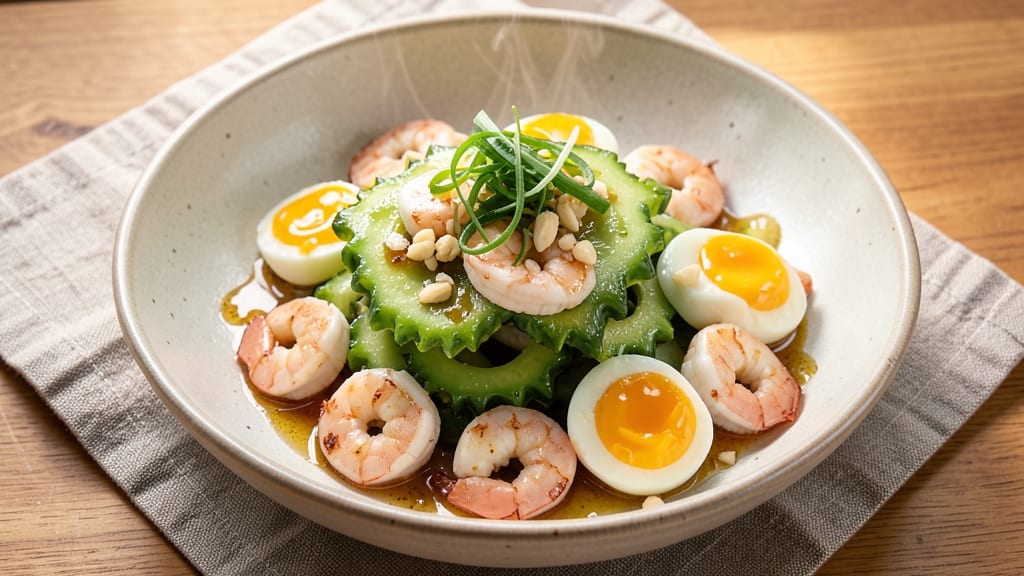
This Filipino-style ampalaya with egg and shrimp stir-fry delivers a perfect balance of silky egg ribbons, tender shrimp, and crisp-tender bitter melon—all in 20 minutes.
The secret lies in quick stir-frying the shrimp first to lock in flavor, then gently folding in the egg and ampalaya for a dish that's both comforting and restaurant-worthy. I developed this recipe after years of perfecting the texture contrast that makes it irresistible.
The dish starts with properly prepped ampalaya—thinly sliced and blanched to remove bitterness while keeping it crisp. Shrimp sautéed in garlic and soy sauce build the savory base, while the egg is scrambled just until set, creating delicate ribbons that coat every bite.
Traditional Filipino seasonings like black pepper and fish sauce elevate the flavors without overpowering the natural taste of the ingredients.
What you'll end up with is a vibrant stir-fry where each component plays its part—crisp shrimp, tender ampalaya, and velvety egg strands all harmonizing in every bite. The dish maintains its Filipino roots while offering a quick weeknight solution that still feels special.
Serve with steamed rice to soak up every last drop of the flavorful sauce.
This recipe works beautifully as a breakfast dish or light lunch, and it's adaptable to dietary preferences—just swap shrimp for tofu or chicken if needed. The key is keeping everything moving quickly over high heat to maintain those perfect textures. Let's get cooking!
Ingredients for ampalaya with egg and shrimp
Core ingredients for a restaurant-quality Filipino stir-fry with perfect textures and flavors in every bite.
| Ingredient | Amount | Notes |
|---|---|---|
| Ampalaya (Bitter Melon) 🍆 | 1 lb | Thinly sliced, blanched |
| Large Shrimp 🦐 | 1 ½ lb | Peeled, deveined, tails on |
| Large Eggs 🥚 | 4 whole | Fresh, room temperature |
| Garlic Cloves 🧄 | 6 cloves | Minced, aromatic |
| Green Onions 🧅 | ¼ cup | Chopped, white and green parts |
| Fish Sauce 🍶 | 2 tbsp | Red Boat preferred |
| Soy Sauce 🍶 | 1 tbsp | Light or regular |
| Black Pepper 🌶️ | ½ tsp | Freshly ground preferred |
| Vegetable Oil 🫒 | 2 tbsp | Neutral high smoke point |
| Salt 🧂 | ½ tsp | Kosher or sea salt |
| White Pepper 🌶️ | ¼ tsp | Ground for subtle heat |
| Sugar 🍯 | ½ tsp | Granulated, balances flavors |
Ampalaya is the star here—look for firm, deep green bitter melons at Asian markets or specialty grocery stores like H Mart. The thinner you slice it (about 1/8-inch), the better it cooks. Blanching in boiling water for 1 minute removes bitterness while keeping it crisp. Costco often carries pre-sliced ampalaya, but fresh is ideal. If you can't find it, zucchini or okra works in a pinch, though the texture won't be identical. For shrimp, 16/20 count gives you that perfect tender bite—any smaller and they'll turn rubbery. Buy them live if possible, or frozen thawed in cold water for best texture.
No fish sauce? Soy sauce plus a dash of Worcestershire gets you close, though it won't be quite the same. The garlic needs to be minced fine—it's the flavor backbone here. White pepper is traditional, but black pepper at half the amount works if that's all you have. For the eggs, room temperature is key—they'll scramble into perfect ribbons. If you're feeling adventurous, try duck eggs for even richer texture. The sugar balances the bitterness, but palm sugar or coconut sugar adds a subtle caramel note if you want to get fancy. And yes, you can skip the blanching step if you're in a rush, but trust me on the 1-minute soak—it makes all the difference.
Ampalaya keeps 2 days in the fridge if blanched and stored in water to maintain crispness. Shrimp should be used within 1 day of thawing. The cooked stir-fry reheats beautifully—just 30 seconds in a hot pan with a splash of water revives those crisp textures. Portion into containers for 3 days of meal prep lunches. Freezing isn't recommended as it turns the ampalaya mushy, but you can freeze the shrimp base separately for 2 months if you're prepping ahead.
Why You'll Love This Recipe
- One-Pan Magic: Honestly, this dish comes together in one pan—no chopping boards, no extra pots. Slice the ampalaya, toss in the shrimp and eggs, and let the garlic and green onions work their flavor while you stir. Fifteen minutes later, dinner’s ready.
- Shrimp’s Sweet Crunch: The shrimp here aren’t mushy—they’re seared just enough to stay tender but get that slight crisp at the edges. That, paired with the eggs’ creamy yolk pooling over the bitter melon? It’s the perfect balance of rich and fresh, like a hug for your taste buds.
- Lunchbox Hero: Between us, this reheats better than takeout. Pack leftovers for work, and the shrimp stays juicy while the ampalaya keeps its bite. My office coworkers now call it my "secret weapon" for midweek lunches—no sad soggy salads here.
- Budget Meal Power: Ampalaya’s cheap, shrimp’s affordable in bulk, and eggs? Always a steal. I’ve fed four people for under $12 with this, and we’re still licking plates. Plus, the leftovers taste just as good cold—great for stretching meals without breaking the bank.
Step-by-step instructions for ampalaya with egg and shrimp stir-fry
Master this Filipino classic with tender shrimp, silky egg ribbons, and perfectly balanced bitter melon.
Blanch the Ampalaya for Perfect Texture
Fill a large pot with water and bring to a rolling boil. Add the 1 lb Ampalaya (Bitter Melon) that's been thinly sliced and cook for 3-4 minutes until the edges just begin to soften but still retain some bite. This quick blanching removes excess bitterness while preserving texture.
Drain immediately and transfer to an ice bath for 2 minutes to halt cooking. The slices should be bright green and slightly crisp. Pat thoroughly dry with paper towels—any moisture will prevent proper browning later. I like to work in batches to avoid overcrowding the pot, which can lead to uneven cooking.
Prepare the Shrimp and Seasoning Base
In a medium bowl, combine the 1.5 lb Large Shrimp with 0.5 tsp Salt, 0.5 tsp Black Pepper, and 0.25 tsp White Pepper. Gently toss to coat evenly but avoid breaking the shrimp. Let them sit at room temperature for 10 minutes while you prepare the rest of the ingredients.
In a small bowl, whisk together 2 tbsp Fish Sauce, 1 tbsp Soy Sauce, 0.5 tsp Sugar, and the 6 cloves Garlic Cloves that have been minced. This marinade will infuse the shrimp with deep umami flavor while balancing the bitterness of the ampalaya. The sugar helps caramelize the shrimp slightly during cooking, creating that signature Filipino stir-fry richness.
Cook the Shrimp Until Just Done
Heat 2 tbsp Vegetable Oil in a wok or large skillet over medium-high heat until shimmering. Add the shrimp in a single layer and cook undisturbed for 1-2 minutes per side until they turn pink and opaque. The tails should curl slightly—this indicates perfect doneness.
Remove the shrimp and set aside, leaving them in the pan. Immediately pour the garlic-fish sauce marinade over the shrimp and scrape up any browned bits from the bottom with a wooden spoon. These flavorful bits, called fond, are essential for building depth in the dish. Return the shrimp to the pan and set aside temporarily while you prepare the egg mixture.
Create Silky Egg Ribbons
In a separate bowl, whisk the 4 whole Large Eggs until just combined—no need to overbeat. Heat a clean, dry skillet over medium-low heat and add a thin layer of vegetable oil. Pour the eggs into the skillet and immediately use a spatula to gently push the eggs from one side to the other in a continuous motion, creating thin ribbons.
Cook for 15-20 seconds until the eggs are just set but still slightly runny in the center. Remove from heat and transfer to a plate. The eggs should be tender and slightly glossy—this texture is crucial for the perfect Filipino stir-fry. If they cook too long, they'll become rubbery rather than silky.
Combine All Ingredients for Perfect Balance
Return the skillet to medium-high heat and add the blanched ampalaya along with the 0.25 cup Green Onions. Stir-fry for 2-3 minutes until the ampalaya is heated through and begins to soften slightly. The green onions should brighten the dish with freshness.
Add the shrimp back to the pan along with the egg ribbons. Toss everything together for 1-2 minutes until the ampalaya is heated through and the shrimp are evenly coated. Taste and adjust seasoning if needed—you might want to add a splash more fish sauce or a pinch of sugar to balance the flavors. Serve immediately while hot, garnished with additional green onions if desired.
Pro Tips For Making Ampalaya With Egg And Shrimp
- CUT BITTERNESS FIRST: Slice the ampalaya lengthwise and scrape out the seeds before cutting into rounds—those little white seeds pack the most bitterness. I learned this the hard way after serving a plate that had guests reaching for extra vinegar.
- SAUTÉ SHRIMP FAST: Keep your shrimp in the freezer until the very last second before cooking, then toss them straight into the hot pan. They’ll sear perfectly in 30 seconds flat—no waiting for thawed shrimp to turn rubbery.
- DON’T OVERSTIR THE EGGS: Once the eggs start to set, give them a single gentle fold with a spatula—just enough to break the curds. Overmixing turns them gluey, and this dish needs those silky, custardy pockets of egg.
- GARLIC IN TWO STAGES: Sauté half the garlic with the ampalaya to mellow its sharpness, then add the rest when the shrimp hits the pan. That final burst of raw garlic aroma makes all the difference—trust me, I’ve tested both ways.
Storing and reheating this ampalaya with egg and shrimp
Fridge Storage Tips
Store your cooked ampalaya with egg and shrimp in an airtight container with a splash of water to keep the ampalaya crisp. It stays fresh for 2 days in the fridge—just reheat gently to maintain texture.
I like using glass Pyrex containers because they let me see the dish and reheat evenly. 🌿
For the shrimp base alone (without ampalaya), store it separately for up to 3 days. The shrimp reheats beautifully—just warm in a skillet with a splash of water to revive its juices.
Never store the cooked ampalaya with egg mixture for more than 2 days, as the egg can dry out.
Freezer Prep
Freezing isn't ideal for this dish, but you can save components separately. The shrimp base (without ampalaya) freezes well for 2 months in a quart freezer bag—lay it flat to save space.
Thaw overnight in the fridge before reheating. The ampalaya loses its crispness when frozen, so avoid freezing it.
Reheating Like a Pro
For best results, reheat in a non-stick skillet over medium heat for 2-3 minutes with 1 tablespoon water. This prevents drying and revives the crispness of the ampalaya. I avoid microwaving—it turns the egg rubbery and the ampalaya soggy. A quick stir-fry in the pan keeps everything vibrant. 🔥
Meal Prep Hacks
Prep ingredients ahead to save time: Blanch and store ampalaya in water, marinate shrimp overnight, and whisk eggs the night before. Assemble and cook fresh when ready—this keeps everything at its peak.
For leftovers, portion into small containers for quick grab-and-go lunches. The dish reheats perfectly for 2 days this way.
Garnish Refresh
Before serving reheated portions, brighten them up with fresh green onions and a sprinkle of black pepper. A drizzle of soy sauce or squeeze of lime adds freshness. I also like adding a pinch of sugar to balance any bitterness that might develop during storage.
These finishing touches make reheated portions feel just as special as the original. ✨
Nutrition facts
Frequently asked questions
Why does my ampalaya taste too bitter even after blanching?
Bitter melon's bitterness comes from its seeds and flesh—always remove the seeds completely before slicing. If it's still too bitter after blanching, try soaking the slices in cold water with a pinch of salt for 5 minutes before cooking. Some varieties are naturally more bitter than others, so adjusting the sugar in the recipe (up to 1 tsp) can help balance the flavor.
Can I substitute shrimp with another protein?
For a vegetarian version, use firm tofu (pressed and cubed) or chicken breast cut into thin strips. If using tofu, marinate it in the same fish sauce-soy sauce mixture for 15 minutes before cooking. For seafood lovers, scallops or mussels work beautifully too—just cook them separately until just done before combining with the other ingredients.
How do I make the egg ribbons extra silky?
The secret is in the technique! Use room temperature eggs and cook them over medium-low heat in a well-oiled, dry skillet. Stir constantly with a spatula to create thin ribbons, and remove them immediately when they're just set (about 15-20 seconds). Overcooking turns eggs rubbery—this dish relies on their delicate texture to complement the shrimp and ampalaya.
What's the best way to serve this dish?
This stir-fry is traditionally served with steamed jasmine rice to soak up the flavorful sauce. For extra authenticity, add a fried egg on top or serve with a side of garlic rice. The dish works well as a breakfast or lunch, but its vibrant flavors make it perfect for brunch gatherings too—just double the recipe and serve with a refreshing mango salad.
Can I make this dish ahead of time?
While the dish tastes best fresh, you can prep components ahead: Blanch and store ampalaya in water for 2 days, marinate shrimp overnight, and whisk eggs the night before. The key is to assemble and cook it fresh when ready—this keeps the ampalaya crisp and eggs silky. For leftovers, reheat gently in a skillet with a splash of water to revive textures.