
Breakfast & Brunch
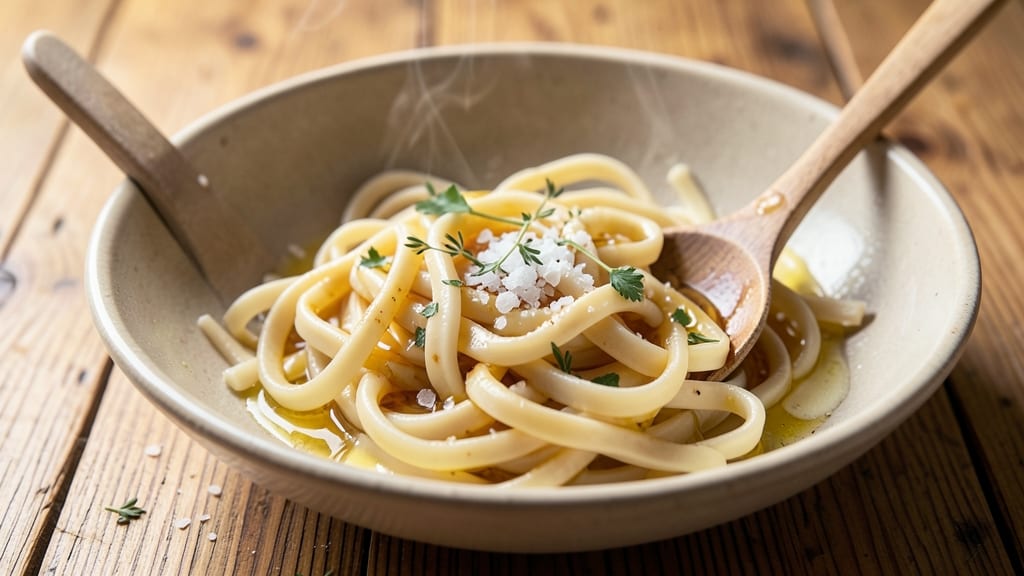
This Amish homemade egg noodle recipe brings the comforting tradition of hand-rolled freshness to your kitchen table. 💛 The secret lies in a simple dough of flour, eggs, and a pinch of salt, transformed through careful rolling and cutting into tender, chewy noodles that elevate any hearty meal.
Unlike store-bought versions, these homemade noodles absorb flavors beautifully and add a rustic charm to soups, stews, or classic dishes like chicken and noodles.
What makes these noodles special is the hand-rolled technique, a method passed down through generations in Amish communities. The dough is rolled thin and cut into wide strips, then boiled until al dente—resulting in a texture that’s both satisfying and versatile.
The beauty of this recipe is its simplicity: just a handful of ingredients and a little patience yield a dish that feels like a warm hug on a chilly day.
Once cooked, these noodles transform ordinary meals into something extraordinary. Toss them with rich gravy, nestle them into hearty soups, or serve them alongside roasted meats for a meal that feels both nostalgic and deeply satisfying.
The homemade quality ensures every bite is packed with flavor and texture, making them a staple in any kitchen.
The best part? You can make a large batch and freeze extras for quick, comforting meals later. Whether you're recreating a classic Amish feast or simply craving the taste of home, these egg noodles deliver on tradition and taste.
Let’s get started on creating your own batch of fresh, hand-rolled perfection.
Ingredients for amish homemade egg noodle
Four simple ingredients transform into rustic, hand-rolled egg noodles perfect for any hearty meal.
| Ingredient | Amount | Notes |
|---|---|---|
| All-Purpose Flour 🌾 | 3 cups | White or whole wheat preferred |
| Large Eggs 🥚 | 4 whole | Room temperature for even mixing |
| Salt 🧂 | 1 tsp | Fine sea salt preferred |
| Water 💧 | ½ cup | Room temperature |
| Unsalted Butter 🧈 | ¼ cup | Cold, cubed for easier handling |
| Vegetable Oil 🫒 | 1 tbsp | For dough rolling surface |
| Semolina Flour 🌾 | ¼ cup | For dusting cutting board |
| Olive Oil 🫒 | 1 tbsp | For finishing cooked noodles |
| Fresh Parsley 🌿 | 0.1 cup | Chopped, for garnish (optional) |
The flour is the foundation—King Arthur or Gold Medal brands work best for that tender, chewy texture. King Arthur's all-purpose flour has a slightly higher protein content, which helps with elasticity. If you're feeling adventurous, try a 50/50 blend of all-purpose and whole wheat flour for a nuttier flavor. Eggs should be large and fresh—room temperature makes mixing easier. For the butter, Land O'Lakes unsalted or Plugrá are reliable choices. The water and butter combo creates a dough that's just firm enough to roll but still pliable. Store-bought flour works fine, but if you're making this often, investing in a 5-pound bag saves money long-term.
No vegetable oil? Melted butter or olive oil works just as well for dusting the rolling pin. Short on semolina? All-purpose flour or cornmeal are fine substitutes—just be aware the noodles might stick slightly more. The olive oil for finishing is optional but adds a nice richness. Fresh parsley brightens up the dish, but dried works in a pinch (use half the amount). If you're making a large batch, scale up the ingredients proportionally—this recipe makes about 2 pounds of noodles, which is perfect for freezing. For the dough, don't overwork it—just knead until smooth, about 3-4 minutes by hand. The butter should be cold but workable—if it's too soft, chill the dough for 15 minutes before rolling.
Freshly made noodles keep for 3-4 days in the fridge, wrapped tightly in a damp towel. For longer storage, freeze uncooked noodles on a floured tray first (prevents sticking), then transfer to a sealed bag. They'll last up to 3 months frozen. Cooked noodles reheat beautifully—just toss with a little olive oil or butter and warm through in a skillet. Double the recipe if you're feeding a crowd—these noodles disappear fast. The key to perfect texture is rolling the dough as thin as possible without tearing, then cutting into 1/4-inch strips. Practice makes perfect, but even first attempts turn out delicious.
Why You'll Love This Recipe
- No-Knead Magic: I swear by this dough—just flour, eggs, and a pinch of salt. No stand mixer, no overworking, just a quick mix and roll. My kids think it’s "boring" until they taste the result, and honestly? So do I, until the first bite.
- Butter-Kissed Richness: That little pat of butter in the dough? Everything. It melts into the noodles while cooking, leaving them tender with a subtle, creamy depth. Not fancy, just reliably satisfying—like a warm hug for your taste buds.
- Pot Luck Hero: Slap these noodles under meatloaf, stir them into a hearty soup, or serve them as-is with browned butter and parsley. They disappear at potlucks because they’re the kind of dish that makes people ask, "What’s in this?"—then beg for the recipe.
- Pantry Goldmine: Flour, eggs, butter—ingredients you already own. Stretch a batch into three meals: noodle casserole tonight, soup tomorrow, and fried noodles for leftovers. My freezer’s full of these, and I never regret it.
Step-by-step instructions for Amish homemade egg noodles
This classic recipe delivers tender, hand-rolled noodles with a perfect texture every time.
👨🍳 Step 1: Mix the Dough to the Right Consistency
On a clean surface, combine the 3 cups all-purpose flour and 1 tsp salt. Create a well in the center and add the 4 whole large eggs and 0.5 cup room-temperature water. Using a fork, gently stir the eggs and water into the flour until a shaggy dough begins to form.
Once the mixture comes together, switch to your hands and knead for about 5-7 minutes until the dough becomes smooth and elastic. It should feel slightly tacky but not sticky. If it's too dry, add 1 tsp water at a time; if too sticky, sprinkle in 1 tbsp flour. The dough should be soft enough to press but not so sticky it clings to your fingers.
🥘 Step 2: Rest the Dough for Better Texture
Wrap the dough tightly in plastic wrap and let it rest at room temperature for 30 minutes. This resting period allows the gluten to relax, making the dough easier to roll out and preventing it from shrinking back when you cut the noodles. I like to place it in a bowl to maintain its shape during resting.
Here's the thing—don't skip this step. Skipping the rest will make your noodles tough and uneven. The dough should feel more pliable after resting, almost like warm playdough. If your kitchen is cold, you might need to let it rest a bit longer—just until it's ready to handle without cracking.
🔪 Step 3: Roll and Cut the Noodles
Lightly dust your work surface with 0.25 cup semolina flour to prevent sticking. Divide the rested dough into 4 equal pieces and roll each piece into a thin sheet about 1/16-inch thick. I use a rolling pin for this, but a pasta machine works too if you have one. Roll from the center outward, rotating the dough as you go to maintain even thickness.
Once rolled, use a sharp knife or a pasta cutter to slice the sheets into 1/4-inch wide strips. If you're feeling traditional, you can also cut them into wider ribbons or even fettuccine-style noodles. Lay the cut noodles on a floured surface and dust lightly with more semolina flour to prevent sticking. This step is where the magic happens—your noodles are now ready for cooking!
🍳 Step 4: Cook the Noodles to Al Dente Perfection
Bring a large pot of water to a rolling boil and add 1 tbsp vegetable oil to prevent sticking. Add the noodles in batches and cook for 2-3 minutes until they float to the surface. This is your signal that they're nearly done—just need 30-60 seconds more until they're al dente (firm to the bite).
Drain the noodles immediately and toss them with 1 tbsp olive oil to prevent sticking. For serving, you can toss them with a bit of chopped fresh parsley or reserve some of the pasta water to adjust the consistency of any sauce you're using. The key here is timing—overcooking will make them mushy, so keep an eye on them during the final 30 seconds.
🍽️ Step 5: Serve with Classic Pairings
Serve the noodles immediately with your favorite sauce or simply with a pat of unsalted butter and a sprinkle of salt. Traditional Amish-style pairings include rich gravies, sautéed onions, or even a simple butter and parsley finish. The beauty of homemade noodles is their versatility—they absorb flavors beautifully, making them perfect for hearty meals.
For an extra touch, you can also save some of the pasta water and mix it with a bit of butter and parsley to create a quick, flavorful sauce. The noodles should be tender but still hold their shape, with a slight bite that makes them satisfying to eat. Enjoy them warm while they're at their best!
Pro Tips For Making Amish Homemade Egg Noodle
- Work the Dough Fast: Once you mix flour, eggs, and salt, don’t linger—knead for exactly 8-10 minutes by hand (or 5-6 minutes in a stand mixer with a dough hook). Overworking makes noodles tough, and underworking leaves them gummy. I used to rush this, but now I set a timer to avoid both extremes.
- Chill Before Rolling: Wrap the dough in plastic and refrigerate for at least 30 minutes before cutting. Cold dough holds its shape better and resists sticking to the rolling pin or board. I learned this the hard way—skipping this step turns your noodles into a sticky mess when boiling.
- Don’t Overcrowd the Pot: Boil noodles in batches if needed—overloading the pot drops the water temperature, making them mushy. Aim for 2-3 pounds of noodles per gallon of salted water. Trust me, your noodles will turn out al dente every time if you resist the urge to dump them all in.
- Butter the Water: Toss in 1 tablespoon of melted unsalted butter with the salt when boiling the noodles. It coats them lightly, preventing sticking and adding a subtle richness. Sounds weird, but it works—my great-aunt swore by it, and the noodles always come out silky.
Wine and beer pairings for this recipe
Light White Wine
Amish egg noodles pair beautifully with crisp, light white wines that complement their delicate texture without overpowering. I love a dry Riesling from Germany or Austria—its bright acidity and subtle fruit notes cut through the richness of butter-based sauces.
A Sauvignon Blanc from New Zealand also works wonderfully, especially if your noodles are served with a tangy tomato or herb sauce. 🍷
Crisp Lager Beer
For beer lovers, a German Pilsner or American-style lager like Budweiser or Coors Banquet provides a clean, refreshing contrast to the hearty noodles. The light malt sweetness balances the savory flavors, while the carbonation cleanses your palate between bites.
Avoid heavy stouts or IPAs—they can overpower the subtle egg and flour notes.
Herbal Tea Pairing
If you prefer non-alcoholic options, a chamomile or peppermint tea enhances the meal's comforting qualities. The herbal notes complement the noodles' simplicity, while the warmth of the tea creates a cozy atmosphere.
For something more robust, a green tea with a hint of jasmine adds an elegant touch to your Amish-style feast. 🍵
Cider Options
Dry apple cider or pear cider makes an excellent pairing, especially during autumn or winter. The natural acidity and slight sweetness echo the flavors of the noodles while adding a refreshing twist.
Look for brands like Martinelli's or Woodchuck for a quality cider that won't compete with the dish. A chilled glass elevates the meal to a special occasion level.
Seasonal Considerations
Summer meals with these noodles call for lighter pairings like Sauvignon Blanc or sparkling wine, while winter dishes shine with Riesling or dark beer like a Belgian Dubbel.
The key is matching the wine or drink's body to your sauce—lighter noodles with butter or parsley pair best with crisp whites, while richer gravies deserve a bolder beer or wine. Always taste as you go! 🍺
Nutrition facts
Frequently asked questions
Can I make this recipe without butter?
Yes! Replace the 0.25 cup butter with an extra 1 tbsp olive oil or 1 tbsp water to keep the dough pliable. The texture will be slightly lighter, but still delicious. For a richer flavor, you could also use 1 tbsp melted bacon fat instead.
How do I store uncooked homemade noodles?
Lay the cut noodles on a floured tray and freeze for 1 hour to prevent sticking, then transfer to a sealed bag. They'll keep for up to 3 months. To cook from frozen, add them directly to boiling water (no need to thaw) and increase cooking time by 1-2 minutes.
Why do my noodles turn out too thick?
This usually happens when the dough isn't rolled thin enough or rests too long before cutting. Keep the sheets 1/16-inch thick and cut immediately after rolling. If the dough feels too stiff, let it rest 20 minutes instead of 30. Practice makes perfect—even experienced cooks adjust thickness with each batch!
Can I use a pasta machine instead of rolling by hand?
Divide the dough into 4 pieces and run each through the machine starting at the widest setting, gradually decreasing to #1 or #2 for thin sheets. Brush with olive oil between sheets to prevent sticking. The machine gives more even thickness than hand-rolling.
What's the best way to reheat cooked noodles?
Toss cooked noodles with 1 tbsp butter or olive oil and reheat in a skillet over medium heat for 2-3 minutes, stirring constantly. Add 1-2 tbsp pasta water if they seem dry. For microwave reheating, cover with a damp paper towel and heat for 45-60 seconds. Never reheat without fat—they'll dry out!