
Breakfast & Brunch
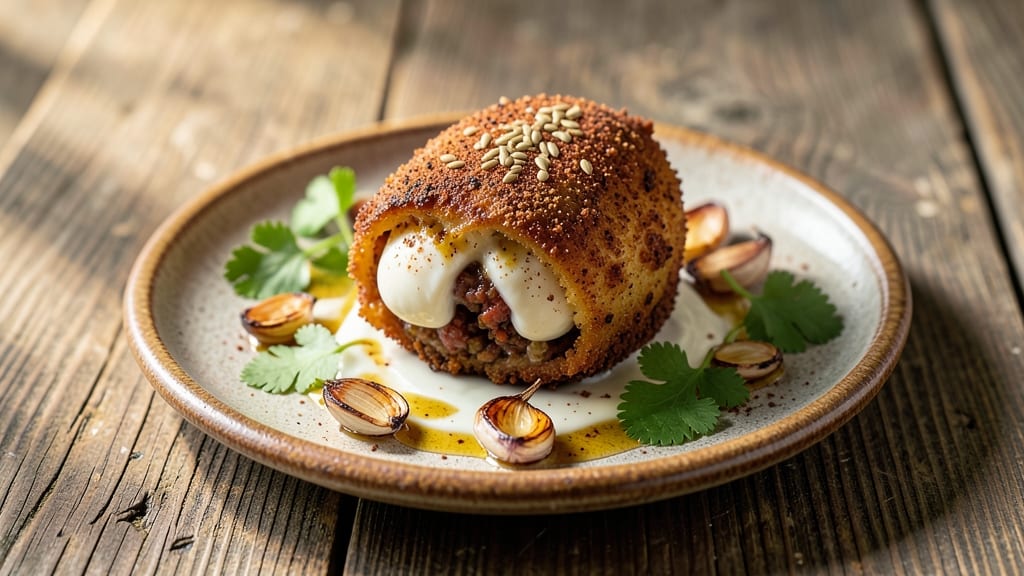
This African Scotch egg recipe transforms a classic British dish into a bold, flavor-packed breakfast sensation with crispy spiced sausage shells and a decadent runny yolk center. 🔥 The secret lies in blending African spices like berbere and smoked paprika with high-quality sausage meat, creating a coating that’s both aromatic and addictively crunchy when fried to golden perfection.
The beauty of this recipe is how it balances tradition with approachability—no special equipment needed, just a few pantry staples and a method that ensures foolproof crispiness every time.
The sausage mixture gets wrapped around hard-boiled eggs, then breaded and fried until the exterior shatters with each bite, revealing that molten yolk inside. It’s the kind of dish that elevates a simple breakfast into a showstopper.
What makes these African Scotch eggs truly special is the depth of flavor from the spiced coating, which pairs beautifully with tangy peri-peri sauce or a fresh chutney. The contrast of crispy, spicy, and creamy creates a harmony that’s impossible to resist.
Whether you’re serving them for brunch or as a snack, they’re guaranteed to disappear quickly.
Ready in about 30 minutes with minimal active time, this recipe delivers restaurant-quality results without the fuss. The key is patience—don’t rush the frying, and let the breading develop that satisfying crunch. Serve warm with your favorite dipping sauce, and prepare to impress.
Ingredients for african scotch egg
African spices meet British tradition in this bold, crispy breakfast showstopper.
| Ingredient | Amount | Notes |
|---|---|---|
| Large Eggs 🥚 | 4 whole | Fresh, room temperature for even cooking |
| Ground Pork Sausage 🐷 | 1 ½ lb | High-quality, 80% lean preferred |
| Berbere Spice Blend 🌶️ | 2 tbsp | Authentic African blend for depth |
| Smoked Paprika 🌶️ | 1 tbsp | For smoky richness |
| Ground Cumin 🌿 | 1 tsp | Toasted for enhanced aroma |
| Garlic Cloves 🧄 | 4 cloves | Minced for potent flavor |
| Fresh Ginger 🌿 | 1 tbsp | Grated, fresh preferred |
| All-Purpose Flour 🌾 | ½ cup | For sausage mixture binding |
| Panko Breadcrumbs 🍞 | 1 ½ cups | Light and crispy texture |
| Extra-Virgin Olive Oil 🫒 | ¼ cup | For frying, high smoke point |
| Vegetable Oil 🫒 | 1 cup | For deep frying stability |
| Salt 🧂 | 1 ½ tsp | Kosher salt for seasoning |
| Black Pepper 🌶️ | ½ tsp | Freshly ground for heat |
| Fresh Peri-Peri Sauce 🍅 | ¼ cup | For serving, optional |
The berbere spice blend is non-negotiable here—it's the soul of these Scotch eggs. Look for authentic berbere at African specialty markets or well-stocked grocery stores like Whole Foods, where it's sold in small jars. If you can't find it, Penzeys Spices carries a good quality version. This blend carries heat and complexity, so don't substitute with regular chili powder. The sausage quality matters too—high-fat content (80% lean) ensures that crispy texture when fried. Most grocery stores carry good quality pork sausage, but if you're feeling fancy, grab some from Costco's butcher section. The ginger and garlic should be fresh—no dried substitutes here, as they won't deliver the same punch.
No berbere? Mix 1 tbsp chili powder, 1 tsp coriander, 1 tsp fenugreek, and ½ tsp cayenne for a decent approximation, though it won't be identical. Running short on panko? Regular breadcrumbs toasted in the oven first work in a pinch, but they won't be as crispy. The peri-peri sauce is optional but highly recommended—African Foods Market or Amazon carry good quality bottles. For the eggs, make sure they're large and fresh; smaller eggs will have proportionally larger yolks that might burst through the sausage shell. The key to the sausage mixture is letting it rest for 10 minutes after mixing—this helps it bind better when wrapping around the eggs.
Hard-boiled eggs keep 5 days in the fridge, but use them within 2 days for best texture. The sausage mixture can be prepped ahead and refrigerated for 1 day, but bring it to room temperature before using. Once breaded, these Scotch eggs can be refrigerated for 4 hours max before frying—the breading loses crispiness if left too long. For frying, maintain oil temperature at 350°F—a thermometer is worth the investment. These reheat poorly, so fry fresh batches as needed. The peri-peri sauce lasts 3 months in the fridge once opened, so buy extra if you plan to make these often.
Why You'll Love This Recipe
- One-Pan Wonder: I swear by this recipe because it’s all about minimal effort—just brown the sausage, mix in those spices (berbere’s the star here), wrap it around the eggs, and bake. No chopping, no fuss, just hands-off magic while you sip tea or scroll through your phone.
- Spice Bomb Alert: That berbere blend? It’s where this dish gets its soul—smoky, slightly sweet, with just enough heat to linger. The smoked paprika and cumin tie it all together, so you get this deep, savory warmth that makes every bite feel like a little African feast.
- Picnic or Party Star: Honestly, these eggs are my go-to for gatherings—packable, hearty, and they hold up for hours. Serve them warm with a side of jollof rice, or let them cool for a picnic where they’ll still taste amazing. (Yes, even on a Tuesday night.)
- Budget Meal Hero: Ground pork sausage stretches far, and eggs are cheap, but the spices? They make this feel like a splurge. A single batch feeds four, and leftovers reheat beautifully—whether you’re prepping for the week or just saving money without sacrificing flavor.
Step-by-step instructions for African Scotch eggs
Here's how to create perfectly balanced African Scotch eggs with a crackling crust and runny yolk.
👨🍳 Step 1: Prepare the Spiced Sausage Mixture
In a large bowl, combine the 1.5 lb ground pork sausage, 2 tbsp berbere spice blend, 1 tbsp smoked paprika, 1 tsp ground cumin, 1.5 tsp salt, and 0.5 tsp black pepper. Mix thoroughly until evenly distributed. The spices should be visible throughout the mixture but not clumped together.
Add the 4 cloves minced garlic and 1 tbsp grated fresh ginger, mixing again until fully incorporated. This aromatic blend is what gives these Scotch eggs their distinctive African character. The mixture should be moist but not sticky—if it feels too dry, add 1-2 teaspoons of water to help bind it.
🍳 Step 2: Form and Bind the Eggs
Gently separate the 4 whole large eggs from their shells and place them in a bowl. Add the sausage mixture and 0.5 cup all-purpose flour to the bowl. Using clean hands, carefully coat each egg with the sausage-flour mixture, ensuring even coverage. The eggs should feel completely encased but not overly thick.
Here's the thing—don't overwork the mixture. You want the sausage to stay chunky for texture. Once all eggs are coated, place them on a parchment-lined plate and refrigerate for 30 minutes. This chilling step helps the coating set slightly, making it easier to handle when you roll them in the breadcrumbs.
🥘 Step 3: Create the Crispy Crust
In a shallow bowl, combine the 1.5 cups panko breadcrumbs with the 0.25 cup extra-virgin olive oil. Mix gently with your fingers until the breadcrumbs are evenly moistened but not clumpy. The oil helps create that signature crispy texture we're after.
After the eggs have chilled, remove them from the refrigerator and carefully roll each one in the breadcrumb mixture, pressing gently to adhere. Place them on another parchment-lined plate and refrigerate again for 15 minutes. This double-chilling ensures the coating stays intact during frying and gives you that perfect golden-brown crust.
🔥 Step 4: Fry to Golden Perfection
Heat 1 cup vegetable oil in a deep skillet over medium heat until it reaches 350°F—use a thermometer to monitor this carefully. The oil should be hot enough to sizzle gently when you add the eggs, but not smoking. Add two eggs at a time to avoid overcrowding, which can lower the oil temperature.
Fry for 4-5 minutes per side until the breadcrumb coating is deep golden brown and crispy. The eggs are done when the coating releases easily from the pan and the internal temperature reaches 160°F. Don't walk away—keep an eye on them to prevent burning. Transfer the cooked eggs to a paper towel-lined plate to drain excess oil.
🍽️ Step 5: Serve with Peri-Peri Sauce
Let the Scotch eggs rest for 2-3 minutes before serving. This brief rest allows the yolk to set slightly while maintaining that perfect runny center. The crust should be shatteringly crisp, the sausage filling warm and aromatic, and the yolk still vibrant yellow.
Serve immediately with the 0.25 cup fresh peri-peri sauce on the side for dipping. The heat from the peri-peri sauce cuts through the richness of the sausage and egg, creating a perfect balance of flavors. These Scotch eggs are best enjoyed while still warm, with the yolk just beginning to flow when you cut into them.
Pro Tips For Making African Scotch Egg
- Boil Eggs Until Cold: Pull the eggs from the water at 160°F (71°C)—they’ll finish cooking as they cool. I learned this the hard way: overcooked eggs turn rubbery, and you’ll fight to peel them later. Let them sit 10 minutes in ice water before peeling, no matter how impatient you are.
- Toast the Spices First: Dry-toast the berbere and cumin in a pan for 30 seconds before mixing with sausage—this deepens their flavor. Smoked paprika doesn’t need toasting, but the berbere’s earthiness will sing if you give it a quick bloom. (Yes, even if you’re in a hurry.)
- Shape Sausage Loosely: Don’t pack the sausage too tight around the eggs—leave room for expansion. After burning three batches where the casing split messily, I now roll them like a loose burrito. Use your hands, not a spoon, to shape them.
- Chill Before Breading: Let the stuffed eggs sit uncovered in the fridge for 15 minutes after shaping. This firms the sausage slightly, so the breading sticks like glue instead of sliding off. (Your future self will curse you if you skip this.)
Regional styles of this african scotch egg
West African Style
In West Africa, these Scotch eggs often incorporate palm oil into the sausage mixture for a rich, nutty depth that complements the berbere perfectly. Replace 1 tbsp of the olive oil in the breadcrumb coating with 1 tbsp palm oil for an authentic touch.
The result is a slightly sweeter, more complex flavor profile that pairs beautifully with a mango-habanero salsa on the side. 🌶️
South African Peri-Peri Twist
South Africa's love affair with peri-peri sauce makes it the ideal pairing for these Scotch eggs. After frying, brush the warm eggs with a thin layer of peri-peri-infused oil (simmer ¼ cup peri-peri sauce with 2 tbsp olive oil for 5 minutes) before serving.
This adds a fiery kick that cuts through the richness while keeping the yolk runny. Serve with chakalaka—a spicy African relish made with tomatoes, onions, and chili—for extra depth.
East African Spice Blend
For an East African variation, swap the berbere for a blend of 1 tbsp harissa, 1 tsp coriander, and ½ tsp cardamom. The harissa adds a smoky heat that pairs wonderfully with the sausage, while cardamom brings floral notes.
Garnish the fried eggs with toasted sesame seeds and serve with a side of tahini-lemon dip for a creamy contrast. This version works beautifully for brunch or as a snack with a cold beer. ✨
Ethiopian-Inspired Berbere Boost
Ethiopian cuisine takes berbere seriously, so double the spice blend to 4 tbsp for a bolder punch. Add 1 tsp fenugreek seeds (toasted and ground) to the sausage mixture for a unique, slightly bitter depth.
Serve these extra-spicy Scotch eggs with injera (Ethiopian flatbread) to soak up the peri-peri sauce. The combination of crispy, spicy, and tangy creates a flavor explosion that’s perfect for sharing. 🔥
Kenyan Nando’s Fusion
Inspired by Nando’s famous peri-peri chicken, this version includes lemon zest in the sausage mixture and a final brush of peri-peri glaze (simmer ½ cup peri-peri sauce with 1 tbsp honey for 10 minutes until thickened).
The glaze adds a sticky, slightly sweet contrast to the crispy exterior. Serve with avocado slices and a cool cucumber-yogurt dip to balance the heat. This fusion is a crowd-pleaser for any gathering. 💫
Nutrition facts
Frequently asked questions
Can I make these African Scotch eggs with chicken sausage instead of pork?
Chicken sausage works perfectly and keeps the dish lighter. Just reduce the cooking time slightly to 3-4 minutes per side since chicken sausage cooks faster than pork. The flavor will be milder, so consider adding ½ tsp extra berbere or smoked paprika to compensate. Always check the internal temperature reaches 165°F for safety.
What's the best way to keep the yolk runny?
Use room-temperature eggs and don't overcook them. The frying oil should be 350°F, and you're done when the coating is golden but the internal temperature hits 160°F (not 165°F). Let them rest 2-3 minutes before serving—the yolk will firm up slightly but stay creamy. Never cut into them immediately after frying.
Can I bake these instead of frying for a healthier version?
Yes, but expect a different texture. Preheat oven to 400°F and bake on a wire rack for 20-25 minutes, flipping halfway. Brush with olive oil first for browning. The coating won't be as crispy, but it's a good alternative. For extra crunch, broil for 2 minutes at the end. Pair with a fresh slaw to balance the richness.
How do I store leftovers?
These Scotch eggs don't reheat well, so fry only what you need. If you must store, keep them in an airtight container for up to 2 days in the fridge. For reheating, bake at 350°F for 10 minutes—the yolk will firm up completely. They're best enjoyed fresh, so plan for small batches.
What's the secret to getting the coating to stick?
The double-chilling trick is key! After coating eggs with sausage, refrigerate for 30 minutes before breading, then chill again for 15 minutes after breading. This helps the coating set. Also, use panko breadcrumbs (not regular) and press gently when rolling. If the coating falls off, your oil might be too hot—aim for 350°F consistently.