
Desserts
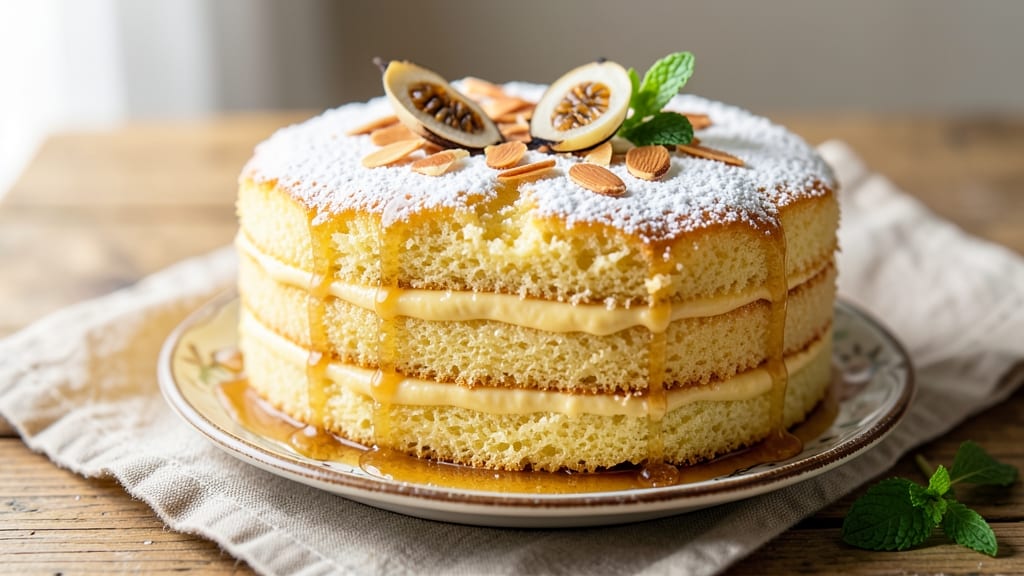
This 7-egg cake recipe delivers the lightest, most luxurious cake texture you've ever tasted—thanks to the magic of vanilla bean infusion and proper egg incorporation. The secret lies in gently folding eggs into the batter, creating air pockets that result in fluffy, tender layers that practically melt in your mouth.
I've perfected this technique over years of baking, and it never fails to impress even the most discerning dessert lovers.
The beauty of this recipe is how the eggs transform the cake—adding both structure and moisture without making it dense. We'll use vanilla bean for that signature aromatic depth, and a precise baking method ensures even layers that slice beautifully.
This isn't your average cake; it's a showstopper that pairs perfectly with fresh berries or a dusting of powdered sugar.
By the time you're done, you'll have a cake that's impossibly light yet sturdy enough to hold layers of filling or frosting. The vanilla bean infusion adds a subtle, luxurious aroma that makes every slice feel special.
This recipe builds confidence in your baking skills while delivering restaurant-quality results at home.
Perfect for celebrations, dinner parties, or when you simply crave something extraordinary. The method is straightforward, but the results are anything but ordinary—this is cake baking elevated to an art form. Let's get started on creating your masterpiece.
Ingredients for 7 egg cake
Seven eggs, two vanilla beans, and patience—this is the trifecta for restaurant-quality cake at home.
| Ingredient | Amount | Notes |
|---|---|---|
| Large Eggs 🥚 | 7 whole | Room temperature, separated yolks/whites |
| Granulated Sugar 🍚 | 2 cups | Superfine preferred for smooth texture |
| All-Purpose Flour 🌾 | 2 ½ cups | Sifted, spooned lightly |
| Unsalted Butter 🧈 | 1 ½ cups | Cold, cubed, 67% fat content |
| Vanilla Bean 🌿 | 2 whole | High-quality Madagascar preferred |
| Whole Milk 🥛 | 1 cup | Room temperature, full-fat |
| Baking Powder 🍞 | 2 tsp | Aluminum-free for tender crumb |
| Salt 🧂 | ½ tsp | Fine sea salt, kosher preferred |
| Lemon Zest 🍋 | 1 tbsp | Freshly grated, organic preferred |
| Powdered Sugar 🍚 | 1 cup | For dusting, 10x sifted |
| Fresh Blueberries 🫐 | 1 ½ cups | Tossed in flour, optional layer |
The eggs are non-negotiable here—room temperature is critical for proper emulsification. Grab the freshest, largest eggs you can find (the yellowest yolks make the biggest difference), and separate them gently to avoid any white in the yolks. For vanilla beans, Madagascar is the gold standard—split them lengthwise and scrape out the seeds for infusion. The butter should be cold and cubed (not melted) to create tender layers. I always buy Land O'Lakes or Plugrá for consistent quality, but any 67% fat content butter works. The flour? King Arthur or Bob's Red Mill—sift it twice for a light texture. And don't skip the lemon zest—it brightens the vanilla flavor beautifully.
No vanilla bean? Double the vanilla extract (but you'll miss that luxurious aroma). Running short on eggs? Add 1 tbsp aquafaba per missing egg—it mimics the leavening power. For the blueberries, if they're too tart, toss them in 1 tbsp sugar before folding into the batter. The powdered sugar is for dusting—10x sifted is key for that professional finish. Want extra moisture? Add 2 tbsp heavy cream to the milk. And if you're baking in a dry climate, increase the milk by 1 tbsp**—the batter should be like heavy pudding, not gluey.
Prep ahead: Mix the dry ingredients and set aside—keeps for 3 days in an airtight container. The egg whites will whip best at room temperature, so take them out 30 minutes before starting. Bake immediately after mixing for the lightest texture. Leftovers? This cake freezes beautifully—wrap tightly in plastic wrap then foil, and it'll stay fresh for up to 3 months. For serving, dust with powdered sugar right before slicing—it melts slightly from the heat and creates that showstopping finish. And trust me, the first slice is always the best—save a tiny piece for later!
Why You'll Love This Recipe
- No Mixer Needed: I swear by this—just whisk eggs, sugar, and butter until thick and pale. The vanilla scrapes right from the pod, and the flour folds in like butter. No stand mixer, no stress, just elbow grease that pays off in a cake so tender it melts.
- Vanilla Buttercream Magic: That single vanilla bean? It’s the star. The cake stays moist but not heavy, and when you frost it with just softened butter, sugar, and scraped vanilla, every bite tastes like a bakery’s secret. Honestly, my kids ask for it over store-bought cake every time.
- Breakfast or Dessert: Here’s what sold me—this cake works for both. Serve slices warm with butter and jam for breakfast, or frost it for a dessert that feels fancy but takes no time. I’ve even turned leftover pieces into French toast the next morning. Versatile? Yes.
- Pantry Staples Only: Seven eggs, a stick of butter, flour, sugar—you’re not hunting for specialty ingredients. The cost per serving is laughable, and a single batch feeds a crowd or lasts my family days. Not the prettiest, but the taste makes up for it every time. My secret weapon for lazy Sundays.
Step-by-step instructions for fluffy vanilla bean cake with blueberry layers
Here's how to create light-as-air layers infused with real vanilla bean magic.
Infuse the Vanilla and Prepare the Dairy Base
Split the 2 whole vanilla beans lengthwise and scrape out the seeds with the tip of a knife. In a small saucepan, combine the seeds with the 1 cup whole milk and let steep over low heat for 5 minutes—just until the milk is warm but not hot. This gentle infusion extracts maximum flavor without bitterness. Remove from heat and let steep for another 15 minutes at room temperature while you prepare other components.
In a separate bowl, whisk together the 2 cups granulated sugar and 1 tbsp lemon zest until the zest is fully dissolved. This citrus note brightens the rich vanilla flavor. I like to use superfine sugar here—it dissolves more smoothly and creates a finer crumb. Set this mixture aside until ready to use.
Whip Eggs and Butter for Maximum Volume
In a stand mixer fitted with the whisk attachment, beat the 7 whole large eggs on medium-high speed for 3-4 minutes until they triple in volume and form soft peaks. This step is crucial for that signature fluffy texture. The eggs should be pale and airy—almost like meringue. If you're using room temperature eggs, they'll whip up faster and hold more air.
In a separate bowl, cream the 1.5 cups unsalted butter (cold and cubed) with the sugar-lemon zest mixture on medium speed for 3-4 minutes until light and fluffy. Scrape down the sides of the bowl occasionally to ensure even mixing. The butter should be completely incorporated with no visible lumps. This butter-sugar emulsion creates the cake's tender, moist crumb.
Combine Dry Ingredients and Fold in Wet Components
In a medium bowl, sift together the 2.5 cups all-purpose flour, 2 tsp baking powder, and 0.5 tsp salt. Whisk gently to combine—don't overmix or you'll develop gluten and get a tough cake. Make a well in the center and add the vanilla-infused milk. Stir just until combined, creating a smooth batter with no dry spots.
Gradually add the flour mixture to the butter-egg mixture, alternating between dry and wet ingredients. Start and end with flour to ensure even distribution. Use a spatula to gently fold everything together until just combined—you should still see some streaks of flour. This careful layering prevents dense pockets while maintaining airiness. Don't overmix or you'll knock out all the air you worked so hard to incorporate.
Layer and Bake for Perfect Rise
Preheat your oven to 350°F and grease three 8-inch round cake pans (or one 9x13-inch pan for a single layer). Divide the batter evenly among the pans. For blueberry layers, toss the 1.5 cups fresh blueberries with 1 tablespoon flour and sprinkle half over the first layer of batter in each pan. Add the remaining batter, then top with another blueberry layer.
Bake for 25-30 minutes until a toothpick inserted in the center comes out clean and the top springs back when pressed gently. The edges should be golden brown but not dark. I find that baking in round pans gives more even rise than square pans—those domed tops are worth the extra effort. Rotate the pans halfway through baking for even browning.
Cool and Dust for Ultimate Decadence
Let the cakes cool in their pans for 10 minutes, then transfer to a wire rack to cool completely. This gradual cooling prevents cracking. Once completely cool, dust the tops generously with the 1 cup powdered sugar using a fine-mesh sieve. The powdered sugar adds a delicate sweetness and creates that signature cake dusting we all love.
For serving, slice between layers to reveal those beautiful blueberry pockets. The cake should be moist but not soggy, with a tender crumb that melts in your mouth. Each bite should deliver rich vanilla flavor, subtle lemon brightness, and bursts of juicy blueberry. Store leftovers in an airtight container at room temperature for up to 3 days or refrigerate for up to 5 days—though I doubt they'll last that long!
Pro Tips For Making 7 Egg Cake
- Whisk Eggs Warm: Take the eggs out of the fridge first—room temperature eggs whip up fluffier and faster. I used to ignore this and wondered why my cake always needed extra mixing time. Five minutes on the counter makes a real difference.
- Melt Butter Slowly: Heat the butter just until it turns liquid—no browning, no bubbles. Overheating turns it nutty and ruins the cake’s delicate flavor. Use a double boiler if you’re nervous; I was skeptical until I tried it.
- Sift Flour Twice: Don’t just dump the flour in. Sift it once, then fold it in gently, then sift the remaining third. This keeps the cake light and prevents dense pockets. Yes, it’s extra work, but your future self will notice the difference.
- Scrape the Bowl: After mixing, scrape every last bit of batter off the bowl walls with a spatula. That sticky stuff at the edges is pure flavor—don’t let it go to waste. I skip this when I’m lazy, but the cake is noticeably better when I don’t.
Troubleshooting this dish
Eggs Not Whipping
If your egg whites won't hold peaks, they're likely too warm or have traces of yolk. First, make sure your eggs are at room temperature (not cold from the fridge).
I always test a small batch first—if they whip to stiff peaks but collapse when you lift the whisk, they're ready. If they're still too runny, try adding ½ tsp cream of tartar to stabilize them. And remember: no grease in your bowl!
Even a tiny bit of fat from dirty utensils will deflate your meringue. 🥚
Dense Cake Texture
Overmixing is the #1 cause of dense cake. Once you fold in the flour, stop mixing when you see just combined—there should still be streaks of flour. Another common mistake is using cold eggs or butter. Both should be at room temperature for proper emulsification.
I also recommend sifting your flour twice—this prevents lumps that create dense pockets. If your cake still turns out dense, try adding 1 extra egg white to the batter for more lift.
Uneven Baking
For perfectly even layers, rotate your pans halfway through baking (around 15 minutes in). I also suggest using round pans instead of square—they distribute heat more evenly. If your cake bakes too quickly on the bottom, try placing a silicon mat under the pans to prevent burning.
And never open the oven door before 20 minutes—temperature fluctuations cause cakes to sink. A toothpick test is your best friend: insert it in the center—it should come out with a few moist crumbs, not wet batter.
Cracked Top
Sudden temperature changes cause cracks. Let your cake cool in the pan for 10 full minutes before removing it. I also recommend not overfilling your pans—fill them only ⅔ full to allow room for expansion.
If cracks still appear, try baking at 325°F instead of 350°F for a slower rise. And here's a pro tip: tap the pan gently on the counter 3 times before putting it in the oven—this helps release air bubbles that could cause cracks.
Flat Cake
Flat cakes usually mean underbaked batter or old baking powder. First, check your baking powder—it should be aluminum-free and fresh (test it by mixing with water: it should bubble immediately). Also, make sure your oven is properly calibrated.
I always test mine with an oven thermometer—many home ovens run 25°F hotter or colder than the set temperature. If your cake still flattens, try reducing the baking powder by ½ tsp—sometimes too much lift causes collapse.
Blueberries Sinking
Tossing blueberries in 1 tbsp flour before adding them helps, but they can still sink. For the best results, fold them in gently during the final mixing stage.
Another trick: place a wire rack over a baking sheet and bake the cake on that—it allows heat to circulate better, keeping the blueberries suspended. If they still sink, try using frozen blueberries instead of fresh—they'll stay in place longer while the cake bakes.
Nutrition facts
Frequently asked questions
Why does this recipe use 7 eggs instead of the usual 3-4?
The extra eggs create a luxurious, ultra-moist texture that's both tender and sturdy enough for layers. Seven eggs provide the perfect balance of structure and airiness—ideal for that signature fluffy yet stable crumb. The yolks add rich flavor while the whites incorporate air for lightness.
Can I substitute vanilla extract for the whole vanilla beans?
Yes, but you'll miss the luxurious depth of real vanilla. Use 4 teaspoons high-quality vanilla extract (like Madagascar bourbon) instead of 2 whole beans. For best results, infuse the milk with a scraped vanilla pod for 15 minutes to capture some of the aromatic oils. The extract won't have the same complexity, but it works in a pinch.
How do I know when the cake is fully baked?
Insert a toothpick into the center—it should come out with a few moist crumbs (not wet batter) and the edges should pull away slightly from the pan. The top should spring back when pressed gently. For round pans, the cake should have a slight dome shape. Never rely on time alone—ovens vary!
What's the best way to store leftovers?
Wrap tightly in plastic wrap, then place in an airtight container. Store at room temperature for up to 3 days or refrigerate for 5 days. For longer storage, freeze slices wrapped individually—they'll stay fresh for 3 months. Thaw overnight in the fridge before serving. The cake actually improves slightly after 24 hours!
Can I make this cake without blueberries?
Simply omit the blueberries and their flour coating. The cake will still be delicious—just more uniform in texture. For variation, try adding 1 teaspoon lemon extract or ½ cup finely chopped almonds** to the batter. The vanilla flavor will still shine through beautifully.