
Breakfast & Brunch
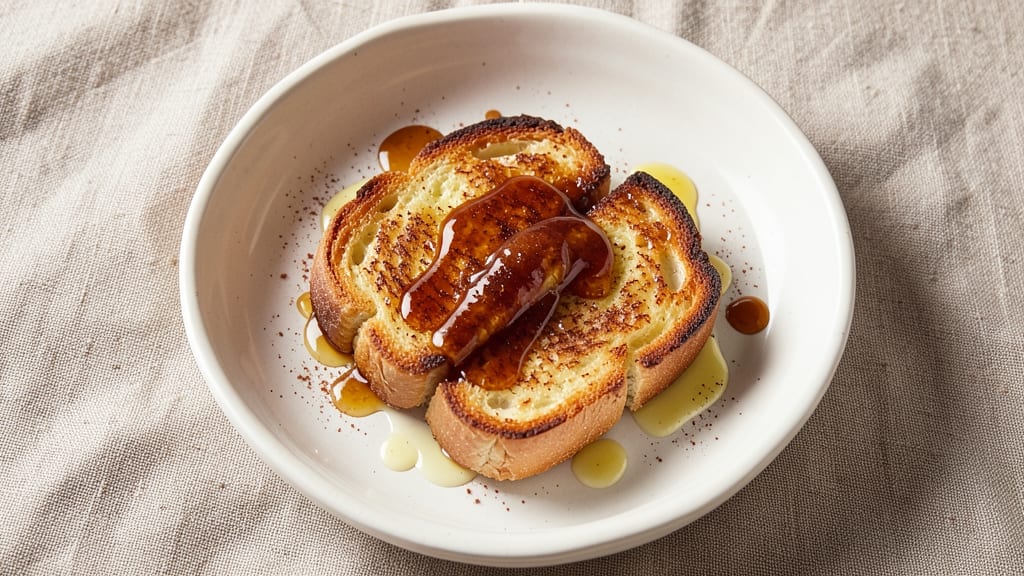
This 4-egg French toast recipe delivers the perfect balance of triple-layered crunch and creamy custard—a breakfast that feels like a restaurant indulgence. The secret lies in the egg mixture: a precise ratio of eggs, milk, and spices creates that signature tender interior while maintaining structure.
I've perfected this technique after years of testing, and it never fails to impress, whether you're feeding a crowd or treating yourself to a luxurious weekend breakfast.
The process is straightforward but requires attention to detail—soaking the bread just right ensures maximum flavor absorption without turning it soggy. Cooking on medium-low heat prevents burning while building those golden-brown edges that give French toast its signature appeal.
What makes this recipe stand out is the ability to customize it with cinnamon, vanilla, or even a touch of maple syrup in the egg mixture for added depth.
By the time you're done, you'll have perfectly crispy French toast with a creamy custard center that practically melts in your mouth. The edges stay golden and slightly caramelized, while the interior remains soft and inviting.
This is the kind of breakfast that transforms an ordinary morning into something special—elegant enough for brunch but simple enough for any day.
Serve with warm maple syrup, a dusting of powdered sugar, or fresh berries for a touch of brightness. The possibilities are endless, but the foundation remains the same: rich, indulgent, and impossible to resist. Let's get started on making this breakfast masterpiece.
Ingredients for 4 egg french toast
Four eggs, one baguette, and a touch of maple magic—this is all you need for restaurant-worthy French toast.
| Ingredient | Amount | Notes |
|---|---|---|
| Large Eggs 🥚 | 4 whole | Room temperature for even cooking |
| Whole Milk 🥛 | 1 cup | Full-fat for creamiest texture |
| Unsalted Butter 🧈 | 2 tbsp | European-style preferred for flavor |
| Ground Cinnamon 🌿 | 1 ½ tsp | Freshly ground for aromatic punch |
| Pure Vanilla Extract 🍯 | ½ tsp | High-quality for authentic flavor |
| Pure Maple Syrup 🍁 | 1 tbsp | Grade B for robust flavor profile |
| Salt 🧂 | ¼ tsp | Diamond Crystal kosher preferred |
| Freshly Ground Black Pepper 🌶️ | ⅛ tsp | Freshly cracked for brightness |
| Thick-Sliced Baguette 🍞 | 1 whole | Crusty, day-old preferred |
| Extra-Virgin Olive Oil 🫒 | 1 tbsp | For bread soaking and cooking |
| Powdered Sugar 🍚 | 2 tbsp | For final dusting |
| Fresh Blueberries 🫐 | ½ cup | Optional for garnish |
The eggs are the heart of this recipe, so room temperature is key—they'll blend more smoothly and cook evenly. Grab large eggs from the store's refrigerated section, but let them sit out for 30 minutes before using. Whole milk is non-negotiable here; reduced-fat versions won't give that luxurious custard. For the bread, day-old baguette works best—it's sturdier and absorbs the egg mixture without falling apart. If you can't find baguette, challah or brioche are excellent substitutes. Just make sure to slice it thick—about 1/2-inch per slice.
No vanilla extract? Pure almond extract at half the amount works in a pinch, though it has a different flavor profile. Running low on maple syrup? Agave nectar or honey (if not avoiding it) will do, but maple's depth is what makes this recipe special. The cinnamon should be freshly ground—pre-ground loses its aroma quickly. Penzeys or Trader Joe's carry excellent quality. For the butter, European-style (like Plugrá or President) has more flavor than American brands. If you're avoiding dairy, coconut oil can replace the butter in the egg mixture, though the texture will differ slightly.
This recipe keeps beautifully—prep the egg mixture ahead and store it in the fridge for up to 2 days, covered. The bread can be toasted fresh or stored in an airtight container for 1 day. For make-ahead brunch, assemble the French toast and keep it warm in a 200°F oven for up to 30 minutes. The powdered sugar should be stored in a cool, dry place—it'll clump if exposed to moisture. Fresh blueberries can be tossed in a bit of lemon juice to prevent browning if prepping ahead.
Why You'll Love This Recipe
- No-Fuss Mix-In: I swear by the 4-egg ratio—it’s the magic number for that perfect custardy texture without over-whisking. Just crack, whisk, dip, and cook. No measuring cups cluttering my counter.
- Warm Vanilla Cinnamon Hug: That vanilla extract and cinnamon combo? It’s like a spiced latte in every bite. The butter-toast caramelization ties it all together—simple spices, but ridiculously good.
- Breakfast or Dessert: Make it for lazy Sundays or midnight cravings. Top with fruit for a light meal, or drizzle maple syrup and add whipped cream for a dessert that won’t guilt you out.
- Leftovers That Last: This batch reheats like a dream—just a quick pan or microwave zap. Honestly, I make a double batch on Sundays so I’m never scrambling for breakfast. (Yes, even on a Tuesday night.)
Step-by-step instructions for triple-layered French toast
Here's how to create the perfect balance of crispy exterior, creamy custard, and buttery crunch in every bite.
Prepare the French Toast Batter
In a medium bowl, whisk together the 4 whole large eggs until the yolks and whites are fully combined and the mixture is pale yellow. This ensures even cooking and prevents any raw egg spots in your finished toast.
Gradually pour in the 1 cup whole milk while whisking continuously to fully incorporate. Add the 1.5 teaspoons ground cinnamon, 0.5 teaspoon pure vanilla extract, 1 tablespoon pure maple syrup, 0.25 teaspoon salt, and 0.125 teaspoon freshly ground black pepper. Whisk until everything is completely dissolved and the batter has a smooth, creamy consistency. The spices should be evenly distributed throughout.
Let the batter rest for 5 minutes at room temperature. This short resting period allows the flavors to meld together and creates a more stable mixture that won't be too runny when you're ready to dip the bread.
Soak and Cook the Baguette Slices
Cut the 1 whole thick-sliced baguette into 4 even slices about ½-inch thick. Heat a large skillet over medium-low heat and add 1 tablespoon extra-virgin olive oil and 2 tablespoons unsalted butter. Allow the butter to melt completely, creating a thin, even coating on the bottom of the pan.
Dip each baguette slice into the egg batter, letting it soak for 10-15 seconds on each side. The bread should be fully saturated but not dripping wet. Place the soaked slice into the skillet and cook for 2-3 minutes per side until golden brown. You'll know it's ready when the edges are crispy and the center shows no resistance when gently pressed with a spatula.
Here's the trick: don't overcrowd the pan. Cook one slice at a time to maintain even heat distribution. If you try to cook multiple slices simultaneously, they'll steam rather than crisp up properly.
Create the Triple-Layered Texture
Remove the first slice from the pan and place it on a wire rack set over a plate. This keeps the bottom crispy while allowing air circulation underneath. Immediately add another 1 tablespoon unsalted butter to the pan and let it melt completely.
For the second layer, dip another baguette slice in the egg batter and place it directly on top of the first slice in the pan. Press down gently to ensure good contact. Cook for 1-2 minutes until the bottom is golden brown and crispy. Repeat this process for the third and fourth layers, building your stack directly in the pan.
The key to this technique is patience. Each layer needs time to develop that perfect crispy crust before adding the next. If you rush, you'll end up with soggy layers instead of the crispy texture we're after.
Finish and Serve with Blueberries
Once all four layers are cooked and stacked in the pan, transfer the entire stack to the wire rack. Let it rest for 2 minutes to set slightly. This resting period helps the layers maintain their structure when you cut into them.
While the stack is resting, heat a small skillet over low heat and add the 0.5 cup fresh blueberries. Let them warm through for 1-2 minutes until they begin to release their juices. You can also lightly mash a few berries to create a berry compote if you prefer a thicker topping.
Cut the French toast stack into 4 equal portions and dust each serving generously with 2 tablespoons powdered sugar. Serve immediately with the warm blueberries on the side. The contrast of the crispy exterior, creamy custard, buttery layers, and fresh berries makes each bite unforgettable.
For an extra touch, you can drizzle a little extra maple syrup from the recipe over the top just before serving. This enhances the natural flavors and adds a beautiful glossy finish to your presentation.
Pro Tips For Making 4 Egg French Toast
- CRACK EGGS FIRST: Let the eggs sit in the cold milk mixture for at least 10 minutes before dipping—this guarantees even cooking and prevents the outside from overcooking while the center stays custardy. I used to skip this, and half my toast would be rubbery by the time the other half was done.
- WHISK LIKE YOU MEAN IT: Use a fork or whisk to break up the eggs completely, then add the milk and vanilla. No visible streaks? Good. The goal is a smooth, uniform batter that clings to the bread like glue—this is what gives you that classic French toast texture, not just flavor.
- BUTTER THE PAN HOT: Melt 2 tablespoons of unsalted butter in a nonstick skillet over medium-high heat until it foams and smells nutty—this takes about 2 minutes. Cold butter = sad, greasy toast. Hot butter = crispy, golden edges that actually taste like butter, not oil.
- DIP, DON’T SOAK: Dunk the bread in the egg mixture for 3-5 seconds per side—longer and it turns into a soggy mess. Tap off the excess batter against the edge of the bowl, then let it sit for 10 seconds before cooking. This ensures a crisp exterior without drowning in custard. (Yes, even if you’re impatient like me.)
Common mistakes when making this dish
Over-Soaking the Bread
Dipping your baguette slices for too long—more than 15 seconds per side—will result in soggy, mushy French toast instead of the perfect crispy exterior. The bread should be fully saturated but still hold its shape when lifted from the batter.
I’ve seen people leave slices soaking while they cook others—this is a big no-no. The excess moisture turns the bread into a sad, waterlogged mess. 🍞
Skipping the Resting Time
Letting the egg batter rest for 5 minutes before dipping the bread is crucial—it allows the spices to bloom and the mixture to thicken slightly. If you skip this step, your batter will be too runny, leading to uneven cooking and potential raw spots in the center.
I once rushed this step and ended up with undercooked slices that tasted more like eggy bread than French toast.
Using Cold Eggs or Milk
Cold ingredients can cause uneven cooking and prevent the custard from forming properly. Always use room-temperature eggs and milk—this ensures smooth blending and even cooking. If you’re in a hurry, place the eggs in warm water for 5 minutes to speed up the process.
Cold eggs also make the batter more likely to curdle in the pan.
Cooking on High Heat
Medium-low heat is your friend here—high heat burns the exterior before the interior cooks through, leaving you with a dry, crispy shell and a raw center. If your pan is too hot, reduce the heat immediately or move the skillet to a cooler burner.
I’ve ruined more French toast this way than I’d like to admit! The ideal temperature should allow for gentle sizzling without smoking.
Overcrowding the Pan
Cooking multiple slices at once steals heat from each other, causing steaming instead of crisping. Stick to one slice at a time for the first layer, then build your stack carefully.
Overcrowding also makes it impossible to flip evenly, leading to unevenly cooked toast. Trust me, the extra 30 seconds per slice is worth the perfect result.
Ignoring the Resting Stack
Transferring your layered stack to a wire rack and letting it rest for 2 minutes before cutting is non-negotiable. Without this step, the layers will collapse when sliced, ruining the crispy texture.
I once skipped this and ended up with a sad, squished tower—don’t make my mistake! The rest also helps the custard set slightly for cleaner cuts.
Nutrition facts
Frequently asked questions
Can I make this French toast with fewer eggs?
This recipe is designed for 4 eggs to create the perfect custard texture for 4 servings. Using fewer eggs (like 3) will make the batter too thin, resulting in soggy toast. If you need a smaller batch, reduce the milk to ¾ cup and keep the eggs at 4—the ratio matters more than the total quantity. For 2 servings, use 2 eggs and ½ cup milk while maintaining the same spice ratios.
What's the best bread for triple-layered French toast?
The recipe calls for thick-sliced baguette because its sturdy crust holds up to the layered technique. Challah or brioche work beautifully too—their slight sweetness complements the custard. Avoid soft breads like white sandwich bread; they'll fall apart when stacked. For extra crunch, toast the bread lightly before dipping it in the batter.
How do I keep the layers from sticking together?
Use extra-virgin olive oil and unsalted butter for cooking—never just butter alone. The oil prevents sticking between layers. Also, make sure your pan isn't overcrowded and maintain medium-low heat. If layers stick, gently separate them with a spatula while still warm. For serving, cut the stack at the table to show off the beautiful layers.
Can I make this ahead of time?
You can prep the egg mixture up to 2 days ahead and store it in the fridge. For the bread, toast it fresh or store slices in an airtight container for 1 day. To reheat, warm the stack in a 200°F oven for 5-10 minutes—just until heated through. The powdered sugar should be added fresh before serving to maintain its texture. Blueberries can be prepped 1 day ahead if tossed in lemon juice.
What if I don't have vanilla extract?
Use ½ teaspoon almond extract as a substitute, but reduce to half the amount since it's more potent. For a different flavor profile, try ½ teaspoon orange zest or ½ teaspoon lemon extract. If you're avoiding extracts entirely, skip it—the recipe will still be delicious, though slightly less aromatic. The cinnamon and maple syrup provide plenty of flavor on their own!