
Main Courses
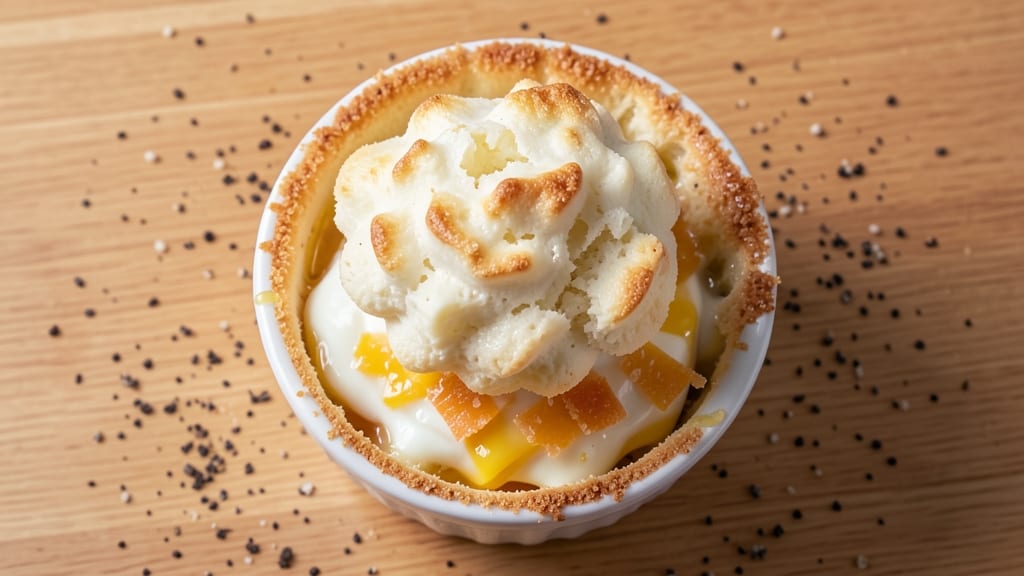
This 4-cheese egg souffle recipe delivers the perfect balance of light, airy texture and rich, gooey melted centers that make every bite irresistible.
The secret lies in properly whipped egg whites that create that signature velvety rise while the cheese blend—Gruyère, cheddar, Parmesan, and cream cheese—melts into luxurious pockets of flavor. I've perfected this vegetarian dish to rise beautifully every time, with a crisp golden crust that contrasts perfectly against the creamy interior.
The technique is simpler than it looks, but precision matters—especially when folding the cheeses into the egg whites without deflating them. We'll bake at 350°F for just 20 minutes, ensuring the souffle stays light rather than dense.
The result? A restaurant-worthy dish that feels elegant yet comes together in under 30 minutes of active prep. This isn't just dessert—it's a showstopping main course for brunch or dinner that will have everyone asking for seconds.
What sets this souffle apart is the four-cheese combination, which creates depth of flavor with each bite. Gruyère adds nutty richness, sharp cheddar brings tang, Parmesan contributes umami, and cream cheese ensures a velvety texture.
The souffle rises to 6 inches tall, with a golden crust that gives way to a light, custard-like center studded with melted cheese. Serve immediately for the best texture, or keep warm in a 200°F oven for up to 20 minutes if needed.
Perfect for special occasions or when you want to impress without spending hours in the kitchen, this souffle is both foolproof and elegant. Whether you're hosting a brunch or treating yourself to a luxurious meal, this recipe delivers restaurant-quality results at home.
Let's get started—your taste buds will thank you.
Ingredients for 4 cheese egg souffle
Six eggs, four cheeses, and one perfect rise—this elegant souffle delivers restaurant-quality results at home.
| Ingredient | Amount | Notes |
|---|---|---|
| Large Eggs 🥚 | 6 whole | Room temperature for best whipping |
| Gruyère Cheese 🧀 | ½ cup | Freshly grated, nutty flavor |
| Sharp White Cheddar Cheese 🧀 | ½ cup | Shredded, sharp variety preferred |
| Parmesan Cheese 🧀 | ½ cup | Freshly grated, fine texture |
| Cream Cheese 🧈 | 4 oz | Full-fat, room temperature |
| Granulated Sugar 🍚 | 1 tbsp | For egg white stabilization |
| Salt 🧂 | ½ tsp | Fine sea salt preferred |
| Black Pepper 🌶️ | ¼ tsp | Freshly cracked for aroma |
| Unsalted Butter 🧈 | 2 tbsp | For ramekin buttering |
| All-Purpose Flour 🌾 | 1 tsp | For ramekin dusting |
| Vanilla Extract 🌸 | ½ tsp | Pure vanilla for aroma |
The cheeses are the stars here, so quality matters. Gruyère should be aged 12+ months for that nutty depth—Whittard of Chelsea or Mirabelle brands excel. Sharp cheddar like Cabot or Point Reyes adds the tang you crave. For Parmesan, Parmigiano-Reggiano from 36 Months aged is non-negotiable—pre-grated tastes like sawdust. Cream cheese? Philadelphia Original is foolproof, but Kirkland Signature runs a close second. Pro tip: grate your own cheeses—they melt differently than pre-shredded.
No Gruyère? Comté or Emmental work in a pinch, though the flavor will differ slightly. Short on cheddar? Gouda brings a similar richness. The vanilla extract can be swapped for vanilla bean paste if you're feeling fancy—just halve the amount. For the sugar, powdered sugar works too, but granulated dissolves cleaner. The butter must be unsalted—Plugrá is my go-to for its high smoke point. And if you're worried about the souffle collapsing? Add 1 extra egg white to your whipped batch as insurance.
This souffle is a one-and-done dish—serve immediately for that perfect golden crust and airy interior. But if you must reheat, 200°F for 10 minutes is ideal. Store any leftovers (though there shouldn't be any) in an airtight container for up to 2 days. For next-level presentation, dust with extra Parmesan and a pinch of freshly cracked black pepper. The ramekins? 6-ounce capacity is perfect—Wilton or Le Creuset brands hold heat beautifully. And if you're prepping ahead, whip the egg whites and fold in the cheese mixture up to 4 hours early, then bake straight from the fridge for a denser (but still delicious) result.
Why You'll Love This Recipe
- No Fuss, Big Payoff: I’ll be real—this souffle only needs five ingredients plus eggs, and the hardest part is whisking. No measuring spoons, no fancy techniques, just crack, grate, and fold. The Gruyère melts into that perfect stretchy pull, while the cheddar adds sharp bite—no cheese board required.
- Melty Magic: That crispy top with a cloud-soft center? It’s the cream cheese doing the heavy lifting, balancing the nutty Gruyère and salty Parmesan. Honestly, the first time I tasted it, I thought, “Why didn’t I do this sooner?”—especially when the chedddar peeks through like little cheesy surprises.
- Breakfast or Brunch Hero: Make it for lazy Sundays or impress guests with zero stress. Serve it warm with toasted sourdough, or let it cool slightly for a make-ahead brunch. My college roommate still raves about the time I brought this to her place—she called it “the best hangover cure ever.”
- Leftovers? Still a Win: Yes, even on a Tuesday night. The souffle reheats beautifully (just a quick zap in the microwave) or gets even better the next day when the cheeses settle into that rich, gooey harmony. I’ve fed a crowd with one batch—slice it thin, and suddenly you’re a hero. Plus, the chedddar stretches your grocery budget further than you’d think.
Step-by-step instructions for 4 cheese egg soufflé
Here's how to create restaurant-worthy soufflés with a light, airy rise and decadent melted cheese centers.
Separate Eggs and Prepare the Cheese Mixture
Begin by separating the 6 whole Large Eggs, placing yolks in one bowl and whites in another. I use a fine-mesh sieve to catch any stray yolks in the whites - this keeps them pure for whipping. While you're doing this, measure out all the cheeses: 0.5 cup each of Gruyère, Sharp White Cheddar, and Parmesan, plus 4 oz of Cream Cheese. Grate the cheeses finely using a box grater for even distribution.
In a small saucepan, gently warm the 4 oz Cream Cheese over low heat with the 0.5 cup Sharp White Cheddar until just melted - you're looking for a smooth, creamy texture, not hot enough to cook the cheese. Remove from heat and stir in the 0.5 cup Gruyère and 0.5 cup Parmesan until fully combined. Add the 1 tbsp Granulated Sugar, 0.5 tsp Salt, 0.25 tsp Black Pepper, and 0.5 tsp Vanilla Extract, mixing until smooth. This cheese mixture should be velvety and homogeneous - any lumps will show in your final soufflé.
Whip Egg Whites to Stiff Peaks
While the cheese mixture cools slightly, prepare your mixing bowls. I use two separate bowls - one for yolks and one for whites. Add the 1 tsp All-Purpose Flour to the yolk mixture and whisk until dissolved. This helps stabilize the soufflé structure. Then, gradually add the warm cheese mixture to the yolks, whisking constantly until fully incorporated. The mixture should be thick and smooth, with no visible cheese particles.
In the second bowl, beat the egg whites on medium speed until soft peaks form. Gradually increase to high speed and continue whipping until stiff, glossy peaks form that hold their shape when the whisk is lifted. This typically takes about 5-7 minutes - the whites should be thick enough to leave a clear trail when the whisk is drawn through them. Be careful not to overwhip, which can make them dry and grainy. The key is to stop just when they reach this perfect consistency.
Fold Whites into Yolk Mixture
Now comes the delicate part - folding. Using a spatula, gently fold about one-third of the whipped egg whites into the yolk mixture to lighten it. Then, carefully fold in the remaining whites in two additions, being very gentle to maintain maximum air incorporation. The batter should be thick but still pourable - it should coat the back of a spoon but still flow slowly. If it's too thick, add a few more whites; if too thin, add a bit more yolk mixture.
Here's the thing - don't overmix. You want to preserve as much air as possible. The batter should have a mottled appearance with streaks of white throughout. This indicates proper folding without deflating the egg whites. Fill six 4-ounce ramekins about two-thirds full, tapping them gently on the counter to remove any air bubbles that might have formed during filling. The batter should dome slightly above the rim of each ramekin.
Prepare and Bake the Soufflés
Preheat your oven to 375°F. While it heats, prepare a baking sheet by lining it with a silicone mat or parchment paper. Place the ramekins on this sheet. Butter the inside of each ramekin generously with 2 tbsp Unsalted Butter, then dust lightly with 1 tsp All-Purpose Flour, tapping out any excess. This creates a non-stick barrier that helps with release and adds to the soufflé's texture.
Carefully transfer the filled ramekins to the preheated oven. Bake for 12-15 minutes until the soufflés have risen dramatically and the tops are golden brown. The key is to watch closely - they'll continue rising after you remove them from the oven. You want them to puff up to about 1.5-2 inches above the rim, with a slightly crisp exterior that gives way to a soft, melting center. The moment the tops look perfectly set is when you should remove them immediately - they'll deflate slightly as they cool.
Serve Immediately for Maximum Drama
Serve the soufflés immediately while they're still hot. The dramatic rise is part of the experience - they'll begin to deflate as they cool, but the centers should remain gloriously gooey and melted. Each bite should deliver that perfect contrast of crispy exterior and molten cheese interior, with the complex flavors of the four cheeses shining through.
For an extra touch, dust with additional grated Parmesan Cheese or a sprinkle of freshly cracked Black Pepper right before serving. The contrast of temperatures and textures makes this dish truly special. Remember, soufflés are all about timing - the window between perfect rise and collapse is narrow, so serve them as soon as they come out of the oven for the full experience.
Pro Tips For Making 4 Cheese Egg Souffle
- Preheat Ramsays Hard: DESCRIPTION: Your oven needs to hit 375°F (190°C) before you even think about baking—no exceptions. I learned this the hard way when my first souffle collapsed like a sad soufflé at a funeral. The ramekins should sweat with condensation for 10 seconds when you put them in. Cold ramekins = sad soufflé. Trust the thermometer, not your oven’s "warm" light.
- Shred Cheese Like a Pro: DESCRIPTION: Skip the food processor for sharp cheddar and Gruyère—it turns them into cheese dust. Use a box grater with the largest holes and work in batches, pressing the cheese through with a rubber spatula. Cream cheese? Melt it first, then mix it into the egg base while still warm. Cold cream cheese = lumps that ruin the texture.
- Whisk Eggs Until Ribbon Stage: DESCRIPTION: Your eggs need to coat the back of a wooden spoon like fresh paint. No streaks, no chunks—just a smooth, glossy ribbon. I used to stop when it looked "mostly mixed," but that’s how you end up with a dense, rubbery mess. Take the extra 30 seconds; your soufflé’s rise depends on it.
- Don’t Overmix the Cheese: DESCRIPTION: Once you fold in the shredded cheeses, stop after 12 strokes max. Overmixing deflates the air bubbles you worked so hard to create. Use a spatula to gently fold in a "J" motion—just enough to distribute the cheese without crushing the structure. Think "marry, don’t murder" the batter.
Troubleshooting great 4 cheese egg souffle
Egg Whites Too Runny
If your egg whites aren't holding their shape when whipped, they're likely under-whipped or too warm. I've found that room-temperature whites whip better—never use cold eggs straight from the fridge.
Try adding 1 extra tablespoon of granulated sugar to stabilize them, or switch to a clean, grease-free bowl (even a hint of fat prevents proper whipping). If they still won't stiffen, whip them for 1-2 extra minutes—they should hold their peak when the whisk is lifted. 💡
Soufflé Collapsing
The #1 reason soufflés collapse is opening the oven door too early. These babies need that 12-15 minutes at 375°F uninterrupted—any draft or temperature drop causes them to deflate. Also, if your oven runs hot, reduce the temp to 350°F and add 5 minutes to the bake time.
Another fix: chill your ramekins in the fridge for 10 minutes before baking to slow the initial rise. Pro tip: Use a water bath (place ramekins in a larger baking dish with 1 inch of hot water) for even heat distribution. ✨
Cheese Not Melting
If your cheese centers stay solid instead of gooey, it's likely because the cheese mixture was too cold when folded into the egg whites. Warm it gently over low heat (no higher than 110°F) until just melted—never boiling.
For extra insurance, add 1 tablespoon of heavy cream to the cheese mixture to create a smoother, more velvety texture. Also, make sure your cheeses are freshly grated (pre-shredded contains anti-caking agents that prevent proper melting). 🧀
Uneven Rise
Uneven rise usually means your batter wasn't folded properly or the ramekins weren't filled evenly. When folding, use a spatula to cut through the center of the whites before lifting—this preserves air pockets.
Fill ramekins to exactly 2/3 full (no more, no less) and tap them gently on the counter to remove air bubbles. If some soufflés rise higher than others, rotate them halfway through baking for even heat exposure. A digital thermometer helps—aim for 160°F internal temp at the center. 🌡️
Dense Texture
A dense souffle often means the egg whites were overmixed or the batter was too thick. For the perfect consistency, the batter should look like "thick pudding" with visible streaks of white.
If it's too thin, fold in 1 extra tablespoon of whipped whites; if too thick, add 1 teaspoon of warm milk to loosen it. Also, ensure your oven is properly calibrated—if it runs hot, the outside will cook faster than the center, creating a dense core.
Try baking at 350°F instead of 375°F for a more even cook. 💪
Sticky to Ramekins
If your soufflés stick, it's usually because the ramekins weren't buttered and floured properly. Use 2 tablespoons of unsalted butter per ramekin, rubbing it on all surfaces, then dust with 1/6 teaspoon of flour (about 1/2 teaspoon total) and tap out excess.
For extra insurance, chill the ramekins for 10 minutes before filling—this helps the butter set slightly. If they still stick, run a hot knife around the edges before serving to loosen them gently. 🔥
Nutrition facts
Frequently asked questions
Can I make this souffle ahead of time?
You can prep the batter up to 4 hours ahead and refrigerate it, but bake straight from the fridge for a denser texture. For best results, serve immediately after baking—soufflés deflate as they cool and won't rise again. If reheating, warm at 200°F for 10 minutes to restore some of the gooey cheese centers.
What's the best way to serve these soufflés?
Serve immediately with a dusting of Parmesan and freshly cracked black pepper for maximum drama. Pair with a crisp white wine like Sauvignon Blanc or a sparkling rosé. For a brunch spread, add fresh berries or a drizzle of honey to balance the richness. The golden crust should contrast perfectly with the melted cheese interior.
Can I substitute any of the cheeses?
Yes! Swap Gruyère for Comté or Emmental, or replace cheddar with Gouda for a sweeter flavor. For extra creaminess, add 1 oz of cream cheese or a splash of heavy cream to the mixture. Just maintain the 4-cheese total for that signature texture and flavor balance.
Why did my souffle collapse?
Most likely, you opened the oven door too early or had temperature fluctuations. Soufflés need 12-15 minutes uninterrupted at 375°F. Also check: Did you fold the whites gently? Overmixing deflates them. For insurance, chill ramekins 10 minutes before baking to slow the initial rise.
How do I make individual portions?
Use 4-ounce ramekins (about 3 inches diameter) for perfect single servings. For a larger batch, scale up to 6-ounce ramekins or a single 9-inch springform pan. Just reduce bake time by 2-3 minutes—these rise faster in bigger pans.