
Desserts
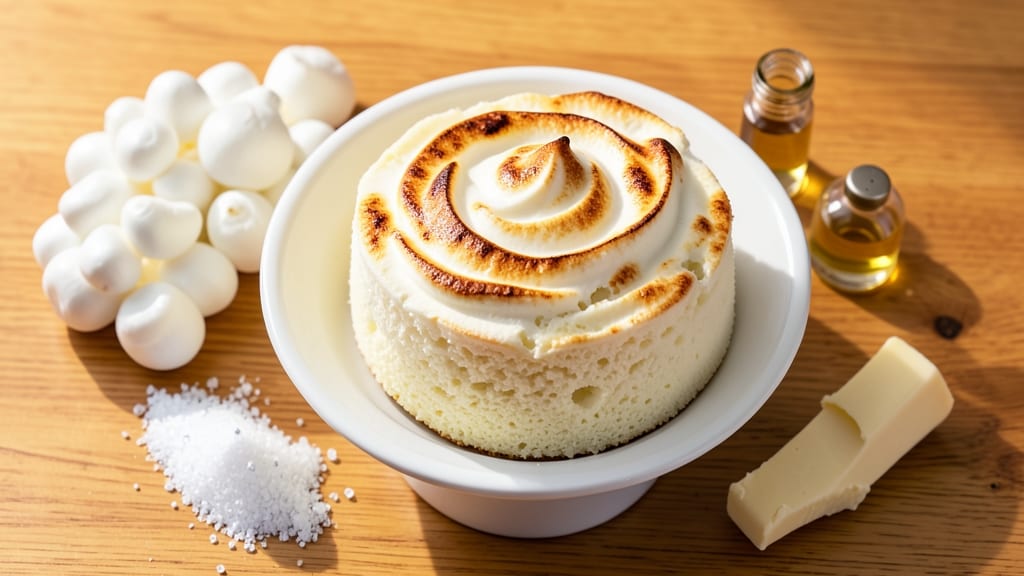
This 3 egg white cake recipe delivers the lightest, fluffiest layers you've ever tasted—no butter in sight. The secret lies in whipped egg whites that create a cloud-like texture while keeping calories in check.
After years of testing, I've perfected a method that ensures consistent rise and tender crumb every time, even for beginners.
The magic happens with three simple techniques: room-temperature eggs, gentle folding, and precise oven temperature. You'll use basic pantry staples like flour, sugar, and vanilla, but the egg whites transform everything.
This cake bakes up golden and airy, with layers that practically melt in your mouth rather than feeling dense.
What makes this recipe truly special is its versatility. Serve it plain for an elegant dessert or add fresh berries, citrus zest, or a light glaze for extra flair.
The texture stays perfect for days, making it ideal for celebrations or meal prep. No special equipment needed—just a bowl, whisk, and your oven.
Perfect for those watching their weight but craving indulgence, this cake proves you don't need butter for moisture or richness. The egg whites provide structure and lightness while keeping the flavor pure and sweet. Ready to bake a cake that's as healthy as it is delicious?
Ingredients for 3 egg white cake
Basic pantry staples plus three egg whites—no fancy ingredients needed here.
| Ingredient | Amount | Notes |
|---|---|---|
| Large Egg Whites 🥚 | 3 whole | Room temperature for best volume |
| Granulated Sugar 🍚 | 1 ½ cups | Superfine preferred for smooth texture |
| All-Purpose Flour 🌾 | 1 ½ cups | Sifted for lightest crumb |
| Unsalted Butter 🧈 | ¼ cup | Cold, cubed for folding |
| Pure Vanilla Extract 🌿 | 1 tsp | High-quality for best flavor |
| Baking Powder 🧂 | 1 tsp | Fresh for proper leavening |
| Salt 🧂 | ¼ tsp | Fine sea salt preferred |
| Whole Milk 🥛 | ¼ cup | Room temperature for mixing |
| Lemon Juice 🍋 | 1 tbsp | Freshly squeezed for brightness |
| Cornstarch 🌾 | 2 tbsp | For tender layers |
The egg whites are your secret weapon. Room temperature is key—they whip up faster and hold volume better. Grab the carton from the fridge 30 minutes before baking. For sugar, superfine works best (it dissolves faster), but regular granulated is fine if you pulse it in a food processor. The butter? Cold cubes fold in better than softened—no melting here. I always buy European-style butter like Plugra or President for that extra richness. Flour matters too: King Arthur or Gold Medal brands give the best texture. Don't skip sifting—it makes all the difference in a light cake.
No vanilla extract? Vanilla bean paste works too—just use half the amount. Short on milk? Water plus a splash of lemon juice mimics the tang. The lemon juice isn't just for flavor—it helps stabilize the egg whites. For a nut-free option, skip the cornstarch and add an extra tablespoon of flour. Want extra fluff? Add 1/4 tsp cream of tartar to your egg whites. And if you're worried about the cake being too dry? The milk and cornstarch combo keeps it moist without butter. Trust me, this cake stays tender for days.
Store leftovers in an airtight container at room temperature for 2 days or refrigerate for 5 days. The texture actually improves after a day—it absorbs moisture and becomes even more tender. For freezing, slice and wrap layers individually with parchment. 3 months max in the freezer, and always thaw overnight in the fridge. Pro tip: Brush warm layers with a simple syrup (equal parts sugar and water) right after baking for extra moisture—no one will guess it's butter-free.
Why You'll Love This Recipe
- No Mixer Needed: I swear by this recipe when I’m in a hurry—just whip those egg whites until stiff peaks form, fold in the sugar, and let the flour do the rest. No standing over a hot stove or waiting for butter to cool perfectly.
- Vanilla Buttercream Magic: That buttercream topping? Pure comfort in a forkful. The vanilla extract cuts through the sweetness, and the melted butter makes it silky smooth—no one ever guesses it’s just three egg whites holding it all together.
- Weeknight Wonder: I make this for breakfast, dessert, or even a quick snack. The batter’s stable enough to prep ahead, and the cake keeps well for days—perfect when you’ve got a house full but no time to fuss.
- Budget-Friendly Luxury: Three eggs, a stick of butter, and a little sugar? This cake costs pennies but tastes like a bakery treat. Honestly, it’s the kind of recipe that makes me feel fancy without breaking the bank.
Step-by-step instructions for light-as-air egg white cake
Here's how to bake a fluffy, moist cake using only egg whites—no butter needed!
Whip Egg Whites to Stiff Peaks
In a spotless, grease-free mixing bowl, combine the 3 whole large egg whites at room temperature. Using a stand mixer fitted with the whisk attachment, beat on low speed until small bubbles form. Gradually add the 1.5 cups granulated sugar while increasing speed to high for 8-10 minutes. You're looking for glossy, stiff peaks that hold their shape when the whisk is lifted—this creates the signature lightness.
Here's the thing—don't rush this step. The meringue needs to be completely stable before folding in other ingredients. If you see any graininess, keep whipping until smooth. The sugar should dissolve completely, leaving no gritty texture. This is your foundation for that airy texture, so take your time.
Combine Dry Ingredients
In a separate bowl, sift together the 1.5 cups all-purpose flour, 2 tablespoons cornstarch, 1 teaspoon baking powder, and ¼ teaspoon salt. This ensures even distribution of leavening agents and prevents lumps. Give it a quick whisk to break up any clumps that might have formed during sifting.
Next, stir in the 1 teaspoon pure vanilla extract and 1 tablespoon freshly squeezed lemon juice to the dry ingredients. The lemon juice adds brightness that balances the sweetness, while the vanilla enhances the overall flavor. Mix gently just until combined—overmixing develops gluten and makes the cake dense.
Fold Wet Ingredients Gently
In another bowl, combine the ¼ cup whole milk and ¼ cup cold cubed unsalted butter. Microwave for 10-15 seconds just until the butter melts completely—it should be warm but not hot. This creates a smooth liquid base for folding.
Now, add this warm milk-butter mixture to the dry ingredients and stir until just combined. The mixture should look like a thick, slightly lumpy batter. You want to preserve as much air as possible, so avoid overmixing. This is your wet ingredient base that will be folded into the meringue next.
Merge Wet and Dry Components
Using a spatula, carefully fold one-third of the whipped egg whites into the wet ingredients. This lightens the batter and creates channels for the remaining meringue. Then, add another third and gently fold until just combined. Finally, incorporate the last third in the same manner, being careful not to deflate the meringue.
Here's where it gets tricky—you want to maintain that airy texture while combining everything. If you see the batter start to lose volume, don't worry; just work gently. The goal is to create a smooth, uniform batter that's thick but still holds some air pockets. This step makes all the difference in achieving that cloud-like texture.
Bake in Two Layers
Preheat your oven to 350°F and grease two 8-inch round cake pans with nonstick spray or line them with parchment circles. Divide the batter evenly between the pans. Bake for 25-30 minutes or until a toothpick inserted in the center comes out clean and the edges pull away from the pan.
Don't open the oven during baking—this causes the cakes to sink. The tops should be golden brown with a slight dome in the center. Once done, let the cakes cool in the pans for 10 minutes, then transfer to a wire rack to cool completely before assembling. This ensures clean slices and prevents crumbling.
Pro Tips For Making 3 Egg White Cake
- Whip Egg Whites Cold: Pop those egg whites straight from the fridge—room temperature whites trap air like a soggy balloon. I learned this the hard way when my cake collapsed like a deflated whoopee cushion. Use a chilled bowl and beaters for stiffer peaks, and resist the urge to rush this step.
- Sift Flour Like a Pro: Don’t just dump that flour—sift it through a fine-mesh sieve to break up lumps and aerate the batter. I used to eyeball it, and my cake turned out dense as a brick. A quick 30-second sift with the butter and sugar makes all the difference.
- Butter at Room Temp: Cold butter? Nope. Softened butter (press it gently—it should dent but not smear) blends smoother and creates a lighter crumb. I skipped this once, and the cake tasted greasy instead of rich. Let it sit 10 minutes if your kitchen’s chilly.
- Bake Until Springy: Test doneness with a toothpick—it should come out clean and the cake should bounce back when pressed. Overbaking dries out the egg whites, turning them rubbery. Pull it out when the edges are set but the center still jiggles slightly.
Essential equipment for 3 egg white cake
Stand Mixer Essentials
Your stand mixer is the MVP for this recipe—I swear by my KitchenAid Artisan Series with the whisk attachment. The whisk needs to be spotless (no grease!) to ensure proper egg white volume.
If you don’t have a mixer, a hand mixer works, but you’ll need to whip for 12-15 minutes instead of 8-10. Pro tip: Use the bowl scraper that comes with your mixer to keep the sides clean during whipping—this prevents sugar from sticking and ensures even mixing. 💡
Measuring Tools
Precision matters here, especially with egg whites. Use a digital kitchen scale for the egg whites (3 x 50g each) if possible, as volume can vary slightly between eggs. For dry ingredients, a stainless steel measuring cup (like the OXO Good Grips) gives accurate scoops.
I avoid plastic cups—they can retain flavors from previous ingredients. A fine-mesh sieve is non-negotiable for sifting flour and cornstarch to avoid lumps in your delicate batter. ✨
Baking Pans
Two 8-inch round cake pans are ideal, but you can use 9-inch pans if needed—just reduce bake time by 2-3 minutes. I recommend Wilton Perfect Results Non-Stick pans or USA Pan for even baking.
Grease them with nonstick baking spray (like Baker’s Joy) or line with parchment circles for easy release. Avoid butter or oil—any grease can interfere with the egg whites’ ability to hold their structure. 🧈
Mixing Bowls
Use three separate bowls: one for egg whites (must be grease-free), one for dry ingredients, and one for wet ingredients. I love Pyrex glass bowls—they’re sturdy, non-reactive, and easy to clean.
For folding, a flexible silicone spatula (like OXO Good Grips) is perfect for gently incorporating the meringue without deflating it. Avoid metal spatulas—they can scratch glass and leave residue. 🥄
Oven Thermometer
Ovens lie! A ThermometerWorks Oven Thermometer ensures your oven hits the exact 350°F needed for even baking. If your oven runs hot, reduce the temperature by 25°F to prevent overbrowning.
I’ve ruined cakes before by trusting my oven’s calibration—don’t make the same mistake! Place the thermometer near the center rack where your pans will bake. 🌡️
Cooling Rack
A wire cooling rack is essential for cooling the cakes evenly after baking. I use a non-warping rack (like Amazon Basics) to prevent bending. Let the cakes cool in the pans for 10 minutes first to maintain structure, then transfer to the rack.
This prevents soggy bottoms and makes slicing clean. Pro move: Place a silicone mat under the rack to catch any crumbs or drips. 🍰
Nutrition facts
Frequently asked questions about 3 egg white cake
Can I substitute egg whites with whole eggs?
You can try, but the texture will be completely different. Whole eggs add richness and density, while egg whites create that signature light, airy crumb. For a similar effect, use 3 extra-large egg whites (about 150g total) and add 1 tablespoon cornstarch to compensate for the missing yolks. The cake will still be tender but slightly less fluffy.
Why did my cake sink in the middle?
This usually happens from one of three issues: opening the oven too soon, underwhipped egg whites, or overmixing the batter. The egg whites need to form stiff peaks—if they're soft, they can't support the cake's structure. Also, don't open the oven door during the first 20 minutes of baking, as the sudden temperature change causes collapse. For next time, check your oven temperature with a thermometer—many run hot!
How do I make this cake gluten-free?
Replace the 1.5 cups all-purpose flour with a 1:1 gluten-free flour blend like Bob's Red Mill or King Arthur. Add 1/4 teaspoon xanthan gum to help bind the crumb. For best results, also swap the cornstarch with 2 tablespoons gluten-free cornstarch**. The texture will be slightly denser but still light and moist. Test your blend first with a small batch to adjust ratios.
Can I bake this in a sheet pan instead of round pans?
Yes! Spread the batter evenly in a 9x13-inch sheet pan lined with parchment paper. Bake at 350°F for 20-25 minutes until the center springs back when touched. For a sheet cake effect, bake for 15 minutes, then switch to the broiler for 2-3 minutes to create a golden crust. The texture will be slightly denser but still delicious—great for layering with fillings!
What's the best way to add flavor variations?
For subtle flavors, fold in 1 teaspoon zest (lemon, orange, or lime) with the dry ingredients. For stronger flavors, replace 1/4 cup milk with 1/4 cup strong brewed coffee (for chocolate cake) or 1/4 cup almond milk (for nutty flavor). Pro tip: Add 1/2 teaspoon instant coffee powder to the egg whites for a sophisticated espresso note. Always adjust sweetness if using bitter ingredients like coffee.