
Breakfast & Brunch
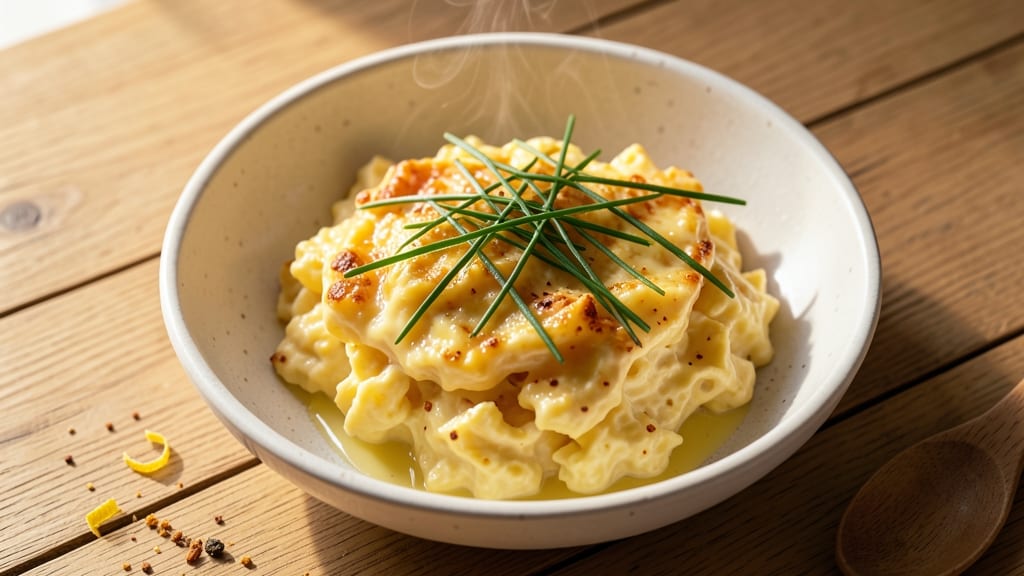
This 3-egg scrambled egg recipe delivers the perfect balance of fluffy ribbons and buttery crisp edges—no rubbery texture in sight. The secret lies in gentle, low-and-slow cooking with just the right amount of heat, ensuring tender curds that melt in your mouth with every bite.
I’ve refined this method over years of trial and error, and it consistently produces scrambled eggs that rival your favorite diner. What sets this recipe apart is the technique: whisking eggs with a splash of milk creates silky strands, while a nonstick skillet and medium-low heat prevent overcooking.
The result? Eggs with a delicate, custard-like center and golden, slightly crisp edges that add just the right texture. It’s the kind of breakfast that makes mornings feel like a treat, not a chore.
You’ll need just 5 minutes of active time and 3 simple ingredients—eggs, butter, and a pinch of salt—to transform a basic breakfast into something extraordinary.
The optional add-ins like cheese, herbs, or a dash of hot sauce let you customize it to your taste, but the base recipe stands strong on its own.
Perfect for a quick weeknight breakfast, brunch with friends, or even a hearty snack, these scrambled eggs pair beautifully with toast, avocado, or fresh fruit. Let’s get started on mastering this foolproof method.
Ingredients for 3 egg scrambled egg
Three ingredients, five minutes—this is the perfect breakfast foundation.
| Ingredient | Amount | Notes |
|---|---|---|
| Large Eggs 🥚 | 3 whole | Room temperature preferred |
| Unsalted Butter 🧈 | 1 tbsp | Cold, cut into small pieces |
| Whole Milk 🥛 | 1 tbsp | Full-fat for creaminess |
| Kosher Salt 🧂 | ¼ tsp | Fine grain preferred |
| Fresh Chives 🌿 | 1 tbsp | Chopped, optional garnish |
The eggs are non-negotiable here—large, fresh eggs separate best and create those coveted ribbons. Trader Joe's or Costco often have the best quality at reasonable prices. Store-bought butter works, but for that diner-style flavor, European-style unsalted butter (like Plugrá) melts smoother. Keep your eggs in the fridge until ready to use—they'll scramble better when cold. The milk? Whole milk adds richness, but 2% works in a pinch if that's what you've got.
No milk? Heavy cream or half-and-half works at the same amount, but expect slightly richer eggs. Short on butter? Olive oil or avocado oil can substitute, but reduce to 0.75 tbsp—it's more forgiving with heat. Fresh chives are optional, but if you've got them, they add a bright finish. Dried chives or parsley at half the amount works too. The salt is crucial—use kosher or sea salt for even dissolving. Diamond Crystal is my go-to, but any fine grain works. Pro tip: Taste as you go—adjust salt to your preference.
Eggs scramble best when made fresh, but leftovers reheat beautifully in a nonstick skillet with a splash of water. Store in an airtight container for up to 3 days in the fridge. For make-ahead prep, cook the eggs slightly underdone, then finish in the skillet later. Freezing isn't recommended—they get rubbery. The butter should be cold when you start, but it'll melt into liquid gold as you cook. Keep your skillet warm over medium-low heat—too hot, and you'll get tough eggs.
Why You'll Love This Recipe
- Here’s what sold me: the butter and milk transform these eggs into something silky, but the high heat at the end gives them that just-right crispness at the edges. Add the chives at the last second, and suddenly it’s restaurant-quality without the pretension.
- Five-Minute Wonder: I swear, this is the kind of recipe that makes me roll my eyes at fancy breakfast tutorials. Three eggs, a knob of butter, a splash of milk—whisk, low heat, stir occasionally. That’s it. No flipping, no stress, no waiting for the perfect sear.
- Creamy Edge, Crispy Truth: Here’s what sold me: the butter and milk transform these eggs into something silky, but the high heat at the end gives them that just-right crispness at the edges. Add the chives at the last second, and suddenly it’s restaurant-quality without the pretension.
- Breakfast or Dinner: Between us, I’ve had this for a lazy Sunday brunch, a quick lunch after a long morning, and even as a side for dinner when I needed something fast. The salt and chives make it feel intentional, so it works anywhere—no one will guess it’s just three eggs.
Step-by-step instructions for perfectly fluffy scrambled eggs
Master this technique and you'll achieve eggs with tender ribbons and golden edges every time.
Whisk Eggs and Milk for Smooth Texture
Crack the 3 whole Large Eggs into a medium bowl and add the 1 tablespoon Whole Milk. Using a fork or whisk, beat the mixture vigorously for 30-45 seconds until completely smooth and uniform in color. The milk creates a creamier texture and prevents the eggs from becoming rubbery.
Add the 0.25 teaspoon Kosher Salt and continue whisking for another 10 seconds to fully dissolve it. Room temperature eggs work best here—if they're cold, let them sit at room temperature for 10 minutes before whisking. This ensures even cooking and prevents curdling.
Heat Butter Until Foamy
Place an 8-inch nonstick skillet over medium-low heat (not medium—this is crucial). Add the 1 tablespoon Unsalted Butter, cut into small pieces, and let it melt slowly. Watch carefully as the butter melts and foams—this should take about 1-2 minutes. You want the butter to create a thin, even layer on the pan surface.
Once the butter is fully melted but not yet browned, tilt the pan slightly to ensure the melted butter coats the entire bottom evenly. The butter should look glossy and cover the pan surface completely. This creates the perfect foundation for those crisp edges while keeping the interior tender.
Cook Eggs on Low Heat
Pour the egg mixture into the skillet and let it sit undisturbed for 10-15 seconds until the edges begin to set. This initial waiting period is critical—it allows the eggs to form a thin layer on the bottom before you start stirring. Use a silicone spatula to gently push the eggs from the edges toward the center, letting the uncooked egg flow to the pan.
Continue this gentle folding motion for 2-3 minutes, stirring only when you see the edges begin to set. The eggs should form soft, delicate ribbons rather than large curds. Remove the pan from heat when the eggs are still slightly runny in the center—this residual heat will finish cooking them perfectly.
Finish and Garnish
Return the pan to low heat for 10-15 seconds to cook any remaining liquid in the center. The eggs should be just set but still moist and tender. Transfer the eggs to a serving plate and immediately garnish with the 1 tablespoon Fresh Chives, sprinkling them evenly over the top for a pop of color and fresh flavor.
Serve immediately while the eggs are still warm. The perfect scramble should have tender ribbons with just a hint of crispness at the edges, and the chives should add a bright, fresh contrast to the rich egg flavor. Each bite should be creamy and delicate, not dry or rubbery.
Pro Tips For Making 3 Egg Scrambled Egg
- WHISK LIKE A MANIAC: Crack those eggs into a bowl first—no half-measures—and give them a good 20-second whisk until the yolks and whites are fully blended. I used to just stir them in the pan, and half the time, I ended up with rubbery bits. This step guarantees a silky texture, especially with just three eggs where every bit of uniformity counts.
- LOW AND SLOW AFTER THE CRUST: Start with medium-high heat to get a golden crust on the butter, then immediately drop the heat to low. Too many people keep it hot, and the eggs turn into scrambled rubber. Think "gentle simmer" once they hit the pan—this keeps the curds creamy and the whole dish cohesive.
- SALT THE MILK FIRST: Mix the tablespoon of milk with a pinch of salt in a small cup before adding it to the eggs. The salt dissolves better this way, and it prevents clumping when you later stir it into the eggs. (Yes, even if you’re adding more salt at the end—this just makes it smoother.)
- CHIVES AT THE END: Toss the chopped chives in after the eggs are off the heat, while they’re still slightly warm. They’ll wilt just enough to stick to the eggs without turning bitter or losing their bright color. Dumping them in early? They’ll turn into sad, limp confetti.
Regional styles of this recipe
Classic American Style
This is the version you’ll find at diners across the US—rich, buttery, and slightly crisp at the edges. I learned this technique from my grandmother, who swore by medium-low heat and constant gentle stirring to create those signature ribbons.
The key is using full-fat milk (never skim) and European-style butter like Plugrá for that authentic diner flavor. Serve with toasted sourdough and a side of crispy bacon for the full American breakfast experience. 🥓
French Crêpe-Style
For a lighter, more delicate texture, the French approach uses less butter and higher heat for just a few seconds. After whisking the eggs with milk, cook them in a nonstick crêpe pan over medium-high heat for 30-45 seconds without stirring, then fold into soft crepes.
Finish with fresh herbs like tarragon or chervil and a sprinkle of Gruyère cheese. This method creates a silky, almost custard-like texture that’s perfect for brunch. 🥖
Japanese Tamagoyaki
This sweet-savory rolled omelet is a staple in Japanese cuisine. After whisking the eggs with 1 tablespoon soy sauce and 1 teaspoon sugar, cook them in a rectangular pan over low heat, continuously folding the edges toward the center as they set.
The result is a smooth, slightly sweet omelet that’s rolled into a log. Serve with steamed rice and miso soup for a complete Japanese breakfast. The secret is patience—it takes about 10 minutes of constant attention. 🍱
Mexican Huevo Revuelto
Spice things up with this vibrant Mexican version! Whisk the eggs with 1 tablespoon chopped cilantro, ½ teaspoon cumin, and a pinch of chili powder. Cook over medium heat (slightly hotter than American style) and stir vigorously to create small, soft curds.
Finish with crumbled queso fresco, sliced avocado, and a squeeze of lime. This version is heartier and packed with bold flavors—perfect for a weekend brunch. 🌶️
British "Soft Scrambled"
The British prefer their eggs ultra-creamy with no crisp edges. Cook the eggs over low heat in a wide, shallow pan with double the butter (2 tbsp) until just set—no stirring after the initial pour.
The result is a pudding-like texture that’s often served with black pudding, sautéed mushrooms, or grilled tomatoes. A splash of cream (instead of milk) adds extra richness. This style is all about gentle cooking—think 5-7 minutes total. 🇬🇧
Indian "Anda Bhurji"
This Indian version is bold and aromatic, with onions, tomatoes, and green chili sautéed in butter before the eggs are added. Whisk the eggs with 1 tablespoon chopped coriander and ½ teaspoon garam masala, then cook over medium heat until just set.
Garnish with fresh cilantro and a squeeze of lemon. Serve with roti or naan for a flavor-packed breakfast that’s anything but basic. 🌿
Nutrition facts
Frequently asked questions
Why does adding milk make scrambled eggs fluffier?
The milk creates tiny air pockets when whisked, which expand during cooking for a lighter texture. It also prevents the eggs from becoming rubbery by slowing the cooking process slightly. Just 1 tablespoon is enough—any more risks making them too watery.
Can I make this recipe with fewer eggs?
Yes! For 2 eggs, reduce the milk to ½ tablespoon and butter to 0.75 tablespoons. The cooking time stays the same (2-3 minutes), but you may need slightly lower heat to prevent overcooking. The technique remains identical for perfect ribbons.
What if my scrambled eggs turn out dry or rubbery?
This usually happens from overcooking or too-high heat. Next time, remove the pan from heat when eggs are still slightly runny, then finish with residual heat. Also ensure your eggs are room temperature and whisk vigorously to incorporate air.
Can I make this recipe ahead of time?
For best texture, cook scrambled eggs fresh—but you can prep components ahead. Whisk eggs with milk and salt the night before, storing in the fridge. Cook within 24 hours for optimal results. Leftovers reheat best in a nonstick skillet with a splash of water.
What's the best pan for this recipe?
An 8-inch nonstick skillet is ideal for even cooking and easy release. If you don't have nonstick, a well-seasoned cast iron works too—just use slightly less butter (0.75 tbsp) to prevent sticking. Avoid stainless steel pans for this recipe as they cook unevenly.