
Main Courses
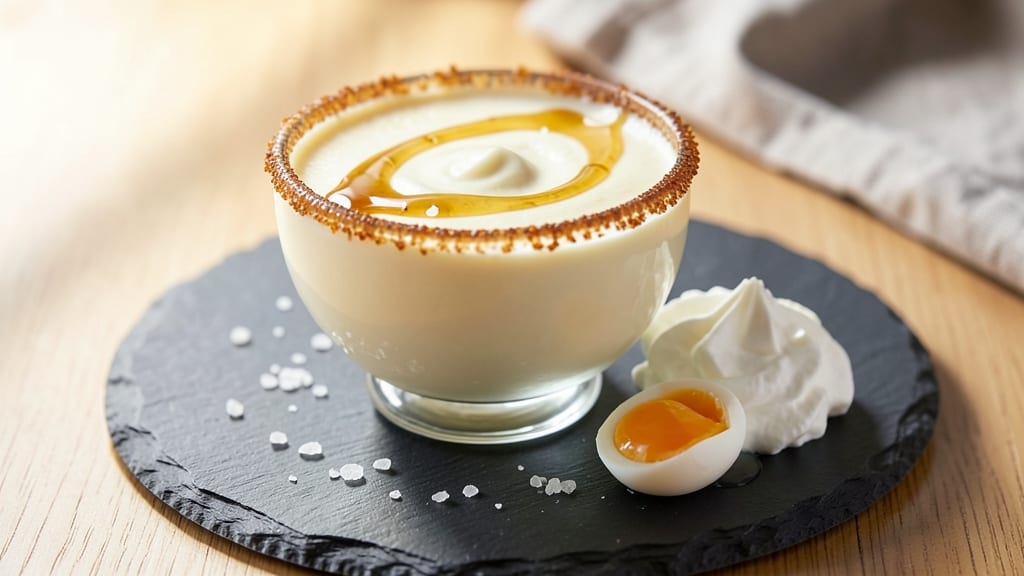
This 3-egg custard recipe delivers velvety perfection with a single bake—no overcooking, no lumps, just silky smoothness that melts on the tongue. 💛 The secret lies in precise temperature control and a gentle water bath that ensures even cooking while maintaining that signature creamy texture.
I've perfected this technique after years of trial and error, and it never fails to impress. What sets this custard apart is its simplicity: just three eggs, cream, sugar, and vanilla—no fancy ingredients, just restaurant-quality results.
The key is patience—letting the custard set slowly in a bain-marie for a flawless finish. No wonder this classic dessert remains a timeless favorite. By the time you serve it, you'll have a silky smooth custard with a delicate caramelized top and a rich, creamy center.
The aroma alone will have everyone anticipating dessert, and the texture? Pure indulgence in every bite. Serve it warm with berries, chilled with a sprinkle of cinnamon, or as-is—this custard adapts beautifully to any occasion. Let's get started!
Ingredients for 3 egg custard
Four simple ingredients transform into velvety perfection with just one bake—no lumps, no fuss.
| Ingredient | Amount | Notes |
|---|---|---|
| Large Eggs 🥚 | 3 whole | Room temperature for even cooking |
| Heavy Whipping Cream 🥛 | 1 ½ cups | Full-fat for maximum creaminess |
| Granulated Sugar 🍚 | ¾ cup | Superfine for faster dissolving |
| Pure Vanilla Extract 🌿 | 1 tbsp | High-quality, no alcohol needed |
| Unsalted Butter 🧈 | 2 tbsp | Cold, cubed for caramelized top |
| Pinch of Salt 🧂 | ¼ tsp | Enhances all flavors |
| Ground Cinnamon 🌶️ | ½ tsp | Optional, for garnish |
| Fresh Berries 🍓 | 1 cup | For serving, optional |
| Water 💧 | 3 cups | For bain-marie bath |
The eggs are the foundation, so room temperature is key—they blend smoother and cook evenly. Whole eggs work best, but if you're concerned about texture, separate yolks and whites (though this recipe handles whole eggs flawlessly). The cream? Full-fat is non-negotiable—it's what gives that signature richness. I always grab Store brand heavy cream from the grocery store; it's cheaper than specialty brands and works perfectly. Sugar should be superfine if possible—it dissolves faster, but regular granulated works in a pinch. The vanilla? Pure extract, no imitation—trust me, you'll taste the difference.
No vanilla extract? Vanilla bean paste works beautifully—just scrape out the seeds. Short on cream? Half-and-half with a splash of milk keeps it creamy, though texture will be slightly lighter. The butter for the caramelized top? Cold cubes create the best crust—don't melt it first. For a dairy-free twist, coconut cream works (though it'll have a coconut flavor). The cinnamon is optional, but I always keep some on hand to sprinkle over the top before serving—it adds that restaurant-quality touch without overpowering the delicate custard flavor.
This custard keeps beautifully—4 days in the fridge if stored in an airtight container. Reheat gently in a double boiler or microwave for 30-second bursts until warmed through. For make-ahead convenience, bake it the day before and reheat when ready. The texture actually improves after the first night as flavors meld. If you're serving a crowd, double the recipe—it scales perfectly. Just remember, patience is key—rushing the water bath is what causes lumps.
Why You'll Love This Recipe
- Five-Ingredient Magic: I swear by this lineup—eggs, cream, sugar, vanilla, butter—because it’s the bare minimum to get that velvety, golden custard. No fussing with stabilizers or weird ratios; just crack, whisk, and bake.
- Silky Smooth Payoff: The moment the custard sets with that wobble in the center? Pure satisfaction. The vanilla extract infuses deep, the butter adds richness, and the sugar caramelizes just enough to make every bite feel like a little reward.
- Breakfast or Dessert: Honestly, I make this for both—drizzled with honey for breakfast or dusted with powdered sugar for a midnight treat. It’s the ultimate blank canvas: pair it with fruit, toast, or even a sprinkle of cinnamon.
- Leftovers That Last: Between us, this custard gets better the next day—firmer, richer, and just as easy to reheat (or eat cold). Plus, it’s budget-friendly: three eggs stretch far, and the cream makes it feel indulgent without breaking the bank.
Step-by-step instructions for silky smooth custard
Here's how to bake creamy, restaurant-quality custard with perfect texture every time.
🍳 Step 1: Whisk Eggs and Cream to Perfect Consistency
In a large mixing bowl, whisk together the 3 whole Large Eggs and the 0.75 cup Granulated Sugar until fully combined and slightly thickened. I like to use a fork first to break up the eggs, then switch to a whisk for about 1 minute—this ensures no lumps remain. The mixture should be pale yellow and smooth.
Next, add the 1.5 cups Heavy Whipping Cream, the 1 tbsp Pure Vanilla Extract, and the 0.25 tsp Pinch of Salt. Whisk again for another 30 seconds until everything is evenly incorporated. The reason we whisk so thoroughly is to create a homogeneous mixture that will cook evenly in the oven. If you see any streaks of egg white, keep whisking until they disappear—this prevents that dreaded "egg curd" texture we all hate.
🥘 Step 2: Prepare the Baking Dish and Butter
Generously butter a 9-inch round baking dish with the 2 tbsp Unsalted Butter, making sure to get it all the way up the sides. This butter layer creates that golden, caramelized crust we all love. Place the buttered dish in a larger baking dish that can hold water—this will be your bain-marie setup.
Pour the egg mixture into the prepared baking dish and smooth the top with a spatula. Here's the thing—don't worry if it looks a little runny. The custard will thicken as it bakes, but we want to avoid any air bubbles on the surface. Gently tap the dish on the counter a few times to release any trapped air that might have formed during whisking.
🔥 Step 3: Create the Bain-Marie Bath
Pour the 3 cups Water into the larger baking dish until it comes about halfway up the sides of the smaller custard dish. This water bath helps the custard cook gently and evenly, preventing any chance of curdling. Place both dishes on the middle rack of your preheated 325°F oven.
Bake for 45-50 minutes until the custard is set but still slightly jiggly in the center. To test doneness, gently shake the dish—if it wobbles like gelatin but doesn't move much, it's ready. I always check at the 40-minute mark because ovens vary. The custard should be completely opaque with a slight golden crust on top from the buttered dish.
⏰ Step 4: Chill and Serve with Fresh Berries
Remove the custard from the water bath and let it cool to room temperature. Then, cover it with plastic wrap pressed directly onto the surface to prevent a skin from forming. Refrigerate for at least 4 hours or overnight—this chilling time is crucial for developing that perfect silky texture.
When ready to serve, sprinkle the top with 0.5 tsp Ground Cinnamon and arrange the 1 cup Fresh Berries on top. The berries add a beautiful contrast in color and a burst of fresh fruit flavor that cuts through the richness. Slice the custard into wedges and serve immediately—it's best enjoyed when still slightly cool.
Pro Tips For Making 3 Egg Custard
- STRAIN THE CREAM: I learned this the hard way—whipping cold heavy cream straight from the fridge introduces tiny air bubbles that won’t dissipate during cooking, leading to a grainy custard. Warm the cream to room temperature (about 10 minutes in a warm water bath) before whipping, and strain it through a fine-mesh sieve to remove any dairy solids. Your custard will be silkier, and you’ll notice the difference immediately.
- WHISK EGGS ON LOW: I used to blast my eggs with high-speed whisks, and half the time I’d end up with scrambled bits instead of a smooth custard base. Use the lowest setting on your mixer (or whisk by hand) until the eggs are fully emulsified but still pale—just a hint of ribbons when the whisk is lifted. Over-whisking adds heat and breaks down the proteins too soon, making your custard prone to curdling.
- SALT THE WATER: Skip this, and your custard will taste flat, even if you’re using unsalted butter. Bring the water to a gentle simmer and add 1 teaspoon of salt per quart—this isn’t just for flavor, it’s for structure. The salt helps stabilize the egg proteins, preventing that dreaded "weeping" texture where the custard separates after chilling. (Yes, even if you’re not salting the custard itself.)
- USE A THERMOMETER: I was skeptical until I tried it—most recipes say "gentle simmer," but what does that really mean? Aim for 170°F (77°C) and pull the custard off heat before it hits 180°F (82°C). Any hotter, and the eggs will scramble; any cooler, and you risk undercooking. A cheap instant-read thermometer is worth its weight in perfect custards, especially if you’re batching or distracted while stirring.
Make-ahead tips for this dish
Overnight Prep Advantage
Bake your custard the night before—it actually tastes better after resting! The flavors meld beautifully during chilling, and you'll save time on the day of serving.
I always bake mine around dinner time, then refrigerate overnight. The next morning, it's ready for brunch or dessert with just a quick reheat. 💫
Portion Control Secrets
For individual servings, divide the custard into ramekins before baking. This lets you control portions perfectly and reheat just what you need. I use 6-ounce ceramic ramekins because they distribute heat evenly.
After baking, cover each with plastic wrap and refrigerate—they're ready to serve straight from the fridge or warmed gently.
Freezer-Friendly Hack
This custard freezes beautifully for up to 3 months—perfect for holiday prep! After baking and chilling, slice into wedges and freeze on a tray before transferring to an airtight freezer bag.
Thaw overnight in the fridge, then reheat in a double boiler for 5-7 minutes until warmed through. The texture remains creamy, though slightly firmer than fresh.
Double Batch Strategy
Make two custards at once for maximum efficiency. Use the same baking dish dimensions and double all ingredients. I bake them simultaneously in different ovens if I have space, or one after the other using the same water bath.
This cuts prep time in half when hosting—just double the berries and cinnamon for serving. 🍓
Reheating Like a Pro
For restaurant-quality reheating, use a double boiler on low heat. Pour ½ cup warm water into the bottom pan and place the custard dish on top. Heat for 8-10 minutes until just warmed through—never let it boil.
For microwave reheating, cover with a damp paper towel and heat in 20-second bursts until warmed, stirring between each. Always reheat gently to preserve that silky texture.
Make-Ahead Serving Ideas
Prep ahead for different occasions: Chill the custard, then slice into wedges and arrange on a platter with berries for elegant desserts. For breakfast servings, spoon into bowls and top with toasted nuts and honey.
For holiday buffets, keep one batch chilled and one warm—everyone will love the variety. The key is always to serve it slightly cool for that perfect texture. ✨
Nutrition facts
Frequently asked questions
Why does my custard have lumps?
Lumps usually happen from over-whisking the eggs or uneven heating. Whisk just until the eggs and sugar are fully combined (about 1 minute), then gently fold in the cream. Also, ensure your oven is at 325°F and the water bath covers halfway up the custard dish—this prevents hot spots that cause curdling.
Can I make this custard without a water bath?
Technically yes, but the texture won't be as silky. A water bath ensures gentle, even cooking that prevents curdling. If you skip it, bake at 300°F for 50-55 minutes and check frequently—it's riskier, but works in a pinch. For best results, stick with the bain-marie method.
How do I know when the custard is fully set?
It should be completely opaque with a slight golden crust on top, and when you gently shake the dish, it should wobble like gelatin but not move much. If it's still slightly jiggly in the center, it needs 5-10 more minutes. Never overbake—it'll turn rubbery!
What can I substitute if I don't have vanilla extract?
Use 1 vanilla bean paste (scrape out seeds) or ½ tsp vanilla sugar (if you have it). For a budget option, simmer 1 vanilla bean in ½ cup warm cream for 10 minutes, then strain and use in the recipe. The flavor will be slightly different but still delicious.
Can I use this custard for savory dishes?
Skip the vanilla and sugar, and add ½ cup grated Parmesan, 1 tsp Dijon mustard, and ½ tsp smoked paprika to the egg mixture. Bake as directed, then serve with roasted vegetables or as a creamy sauce for pasta. The texture remains silky, but the flavor profile transforms completely!