
Breakfast & Brunch
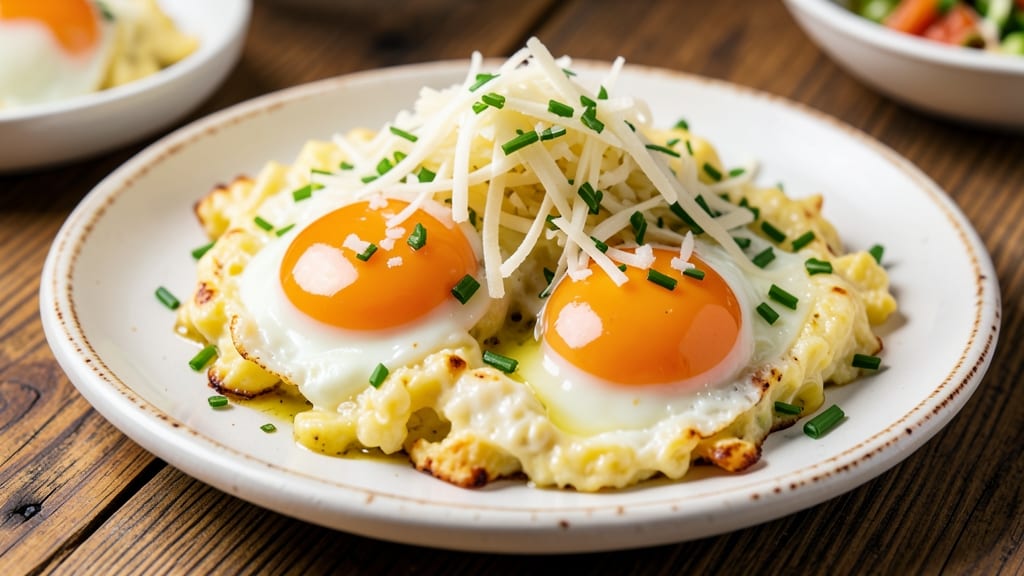
This 2 egg scrambled eggs recipe delivers the perfect balance of silky ribbons and golden crust—no rubbery textures here. The secret lies in precise heat control and gentle stirring, transforming simple eggs into a breakfast masterpiece.
I've perfected this method after years of trial (and a few burnt attempts), ensuring every bite is tender yet rich.
What sets these scrambled eggs apart is the technique: low-medium heat, constant motion, and just enough butter to create that signature buttery sheen. We'll whisk the eggs until fully combined, then cook them slowly to develop those delicate ribbons while maintaining a creamy interior.
The result? Eggs that are fluffy, moist, and packed with flavor—far from the dry, overcooked versions you might find elsewhere.
By the time you're done, you'll have a plate of golden, buttery scrambled eggs with crisp edges and a velvety center. The texture is so satisfying it'll make you question why you ever bought pre-made.
This recipe builds confidence in the kitchen while delivering restaurant-quality results in just 5 minutes—perfect for busy mornings or lazy weekends.
Optional add-ins like sharp cheddar, fresh chives, or a sprinkle of black pepper elevate these eggs even further, making them versatile enough for any meal. Let's get started on creating your ideal scrambled eggs—no shortcuts, just perfect technique.
Ingredients for 2 egg scrambled eggs
These seven ingredients transform ordinary eggs into golden, buttery ribbons with crisp edges.
| Ingredient | Amount | Notes |
|---|---|---|
| Large Eggs 🥚 | 2 whole | Room temperature for even cooking |
| Unsalted Butter 🧈 | 1 tbsp | Cold, cut into small pieces |
| Extra-Virgin Olive Oil 🫒 | ½ tbsp | High smoke point preferred |
| Diamond Crystal Kosher Salt 🧂 | ¼ tsp | Fine grain for delicate seasoning |
| Freshly Ground Black Pepper 🌶️ | ⅛ tsp | Freshly cracked for vibrant flavor |
| Sharp White Cheddar Cheese 🧀 | ¼ cup | Shredded for optional richness |
| Fresh Chives 🌿 | 1 tbsp | Finely chopped for bright finish |
The eggs are the star, so room temperature is non-negotiable—cold eggs scramble unevenly. Kirkland Signature or Organic Valley eggs from the grocery store work perfectly, but any large eggs will do. The butter matters too—Plugrá or Land O'Lakes unsalted both melt beautifully, creating that signature sheen. For the olive oil, California Avocado or Bertolli are my go-tos—they handle the heat without burning. The salt? Diamond Crystal is my preference—it dissolves completely, unlike table salt which can leave gritty bits.
No butter? Olive oil only works, but you'll lose that signature richness. Short on chives? Green onions or parsley add a similar brightness. The cheese is completely optional, but if you skip it, a pinch of smoked paprika adds depth. For extra flavor without add-ins, a splash of heavy cream (1 tsp) creates luxurious texture. And if you're in a rush, microwave the butter 20 seconds to soften it faster—just don't melt it completely or you'll lose that crisp crust.
Eggs keep best in their carton in the fridge for 3 weeks, but use these within 2 days of cracking for perfect texture. Butter stays fresh up to 6 months in the fridge, while olive oil lasts 18 months unopened. The shredded cheese? Freeze extras for up to 3 months—it thaws perfectly for future scrambles. Store prepped chives in a sealed container with a damp paper towel to keep them fresh for 5 days. These eggs reheat beautifully—just a 10-second zap in the microwave restores that creamy texture.
Why You'll Love This Recipe
- Two-Ingredient Magic: I swear, butter and olive oil together? That’s all it takes—no fancy gadgets, no measuring cups, just a pan and a fork. Honestly, I’ve made this while half-asleep and still ended up with perfect scrambled eggs.
- Creamy Crispy Balance: The butter melts into silky ribbons while the olive oil keeps it from turning into a sad, greasy mess. That crispy edge with the creamy center? Chef’s kiss. (Yes, even on a Tuesday night.)
- Breakfast Anywhere: Pack two eggs for work, toss them in a thermos, and reheat with a splash of water—still fluffy and delicious. Or serve them as a side for brunch, a quick lunch, or a midnight snack. I’ve lost count of how many ways I’ve eaten these.
- Pennies on the Plate: Two eggs, a pat of butter, a drizzle of oil—this is the ultimate budget win. Between us, I’ve fed my whole family for under two bucks using this recipe. No waste, no fuss, just pure efficiency.
Step-by-step instructions for perfect 2-Egg scrambles
Here's how to transform simple eggs into silky ribbons with a golden crust—every time.
Prep Ingredients for Maximum Flavor
Start by taking the 2 whole Large Eggs out of the fridge and letting them sit at room temperature for 10 minutes. This ensures even cooking throughout—no more rubbery yolks or overcooked whites. While they warm, finely chop the 1 tbsp Fresh Chives and shred the 0.25 cup Sharp White Cheddar Cheese using a box grater. I like my cheese in small, even shreds so it melts smoothly into the eggs.
Cut the 1 tbsp Unsalted Butter into tiny pieces—about the size of a pea. Cold butter melts gradually, creating that perfect buttery ribbon effect we're after. Measure out the 0.5 tbsp Extra-Virgin Olive Oil and 0.25 tsp Diamond Crystal Kosher Salt in separate small bowls for easy access. Freshly crack the 0.125 tsp Freshly Ground Black Pepper right before cooking to preserve its vibrant flavor.
Heat the Pan Just Right
Place an 8-inch nonstick skillet over medium-low heat—this is crucial. Too high and you'll get dry eggs; too low and they'll steam instead of creating those beautiful ribbons. Let the pan heat for 2 minutes until it's just warm to the touch. Add the cold butter pieces and let them melt completely, about 30 seconds. You'll see them foam and then settle into a thin, even layer—this is when to add the olive oil.
Pour in the 0.5 tbsp Extra-Virgin Olive Oil and swirl to coat the pan evenly. The oil should shimmer slightly but not smoke. Taste a tiny drop—it should be warm but not hot. This is your perfect cooking temperature. Sprinkle in the 0.25 tsp Diamond Crystal Kosher Salt and 0.125 tsp Freshly Ground Black Pepper now so they bloom with the butter's aroma.
Whisk Eggs to Ribbon Stage
In a separate bowl, crack the 2 whole Large Eggs and whisk vigorously with a fork or small whisk for 10-15 seconds until the whites and yolks are completely combined. You're looking for a uniform color with no streaks—this ensures even cooking. Pour the eggs into the skillet, tilting slightly to spread them evenly across the pan. Let them sit undisturbed for 5 seconds to set slightly at the edges.
Here's where the magic happens: using a silicone spatula, gently push the eggs from one side of the pan to the other in small sections. You'll see them begin to set into soft, delicate ribbons. Work quickly but deliberately—you want to fold the eggs over themselves as they cook. This constant motion creates that signature silky texture. After about 30 seconds, you'll see the edges start to set while the centers remain just slightly runny—that's exactly what we want.
Add Cheese and Finish with Chives
When the eggs are about 70% cooked (they'll still look slightly wet in the center), sprinkle the 0.25 cup shredded Sharp White Cheddar Cheese evenly over the top. The residual heat will melt it perfectly into the eggs. Let it sit for 10 seconds to soften, then give one final gentle fold with your spatula to incorporate the cheese completely. Remove the pan from heat—this prevents overcooking while the cheese finishes melting.
Immediately stir in the 1 tbsp finely chopped Fresh Chives and give everything one final taste. Adjust seasoning if needed—sometimes the cheese needs a touch more salt to balance its sharpness. Serve immediately while the eggs are still warm, with the buttery ribbons catching the light beautifully. The contrast of creamy eggs, melted cheddar, and bright chives makes this simple dish feel like a restaurant-quality breakfast.
Pro Tips For Making 2 Egg Scrambled Eggs
- Start with a Cold Pan: I learned this the hard way—cranking the heat too high before adding butter just burns it. Instead, melt the butter over medium-low first, then let it sit for 30 seconds until it stops sizzling. This gives the olive oil (if using) time to infuse properly, so your eggs don’t taste like burnt butter.
- Crack Eggs Directly In: Skip the bowl. Cracking eggs straight into the pan keeps them from getting watered down, and the gentle heat starts cooking them immediately. If you’re nervous about shells, tap the egg gently on the edge of the pan—it’s faster and cleaner.
- Stop Stirring When They’re 70% Done: The moment your eggs look mostly set but still slightly wet, stop stirring. Let them sit for 10-15 seconds to form a crust at the bottom—this keeps them from turning into a sad, rubbery mess. I know, I know, it feels weird to leave them alone, but trust the process.
- Finish with a Splash of Olive Oil: Right before serving, add a teaspoon of extra-virgin olive oil to the pan and tilt it so the eggs get a light coating. This adds richness and keeps them moist longer—no one likes dry scrambled eggs. (Yes, even if you’re impatient like me.)
Troubleshooting your 2 egg scrambled eggs
Overcooked Eggs Fix
If your eggs turn out dry or rubbery, the heat was likely too high. Next time, reduce to medium-low and use a nonstick skillet—it distributes heat more evenly. For already-overcooked eggs, stir in 1 teaspoon heavy cream or milk while off the heat to restore moisture.
If they're completely dry, try reheating with 1 tablespoon water in the pan for 10 seconds on low heat. 🔥
Butter Not Melting
Cold butter can cause uneven cooking or clumping. Always cut butter into pea-sized pieces and let them melt completely before adding eggs. If your butter burns before melting, reduce heat to low and add ½ teaspoon olive oil to help it melt evenly.
For extra insurance, use European-style butter like Plugrá, which has a higher fat content and melts more smoothly.
Eggs Stick to Pan
Sticking happens when the pan isn't hot enough or the eggs aren't fully whisked. Ensure your 8-inch nonstick skillet is preheated for 2 minutes before adding butter. If eggs still stick, your pan may need re-seasoning—coat it with ½ teaspoon oil and heat until smoking, then wipe clean.
For stubborn sticking, use a silicone spatula to gently lift the eggs instead of scraping.
Uneven Cooking
Cold eggs or inconsistent heat cause uneven textures. Always use room-temperature eggs (10 minutes out of the fridge) and maintain medium-low heat throughout. If one side cooks faster, tilt the pan slightly to redistribute heat.
For extra control, use a smaller skillet (6-inch) to concentrate heat more evenly. Stirring in small sections also helps create uniform ribbons.
Cheese Not Melting
If cheese stays clumpy, it wasn’t hot enough when added. Sprinkle cheese over 70% cooked eggs (still slightly runny) and let it sit for 10 seconds before folding. For stubborn cheeses like Parmesan, use a handheld immersion blender to blend it into the eggs off the heat.
Pre-shredded cheese often contains anti-caking agents—grate your own for smoother melting.
Burnt Taste
Burnt flavors come from overheating the butter or oil. Keep heat at medium-low and never let the butter smoke. If your eggs taste burnt, try this quick fix: stir in ½ teaspoon lemon juice or white vinegar to cut through the bitterness.
For future attempts, use extra-virgin olive oil (high smoke point) and avoid overcrowding the pan—2 eggs max in an 8-inch skillet. ⚡
Nutrition facts
Frequently asked questions
Why do my scrambled eggs turn out rubbery?
Rubbery eggs usually mean they were overcooked or overheated. Use medium-low heat and remove them from the pan when they're still slightly runny in the center. Stirring constantly helps create silky ribbons instead of tough strands. For extra creaminess, add a splash of heavy cream at the end.
Can I make these scrambled eggs without butter? Yes! Use 0.5 tbsp olive oil instead, but you'll lose that signature buttery flavor. For a richer alternative, try ghee—it has a higher smoke point and adds a nutty depth. Just
How do I make these eggs fluffier?
Fluffiness comes from gentle folding and precise timing. Whisk the eggs vigorously before cooking, then stir constantly with a silicone spatula to create soft ribbons. Remove them from heat just before they're fully set—they'll carry over and become perfectly fluffy. A 6-inch skillet works better than an 8-inch for maintaining even heat.
What's the best way to reheat leftover scrambled eggs?
Reheat gently in a nonstick pan with 1 tbsp butter or oil over low heat for 1-2 minutes. For microwave reheating, cover with a damp paper towel and zap for 10-15 seconds—this prevents drying. Add a splash of milk or cream to restore moisture if needed.
Can I use this recipe for 3 or 4 eggs?
For 3 eggs, use a 9-inch skillet and increase butter to 1.5 tbsp. For 4 eggs, go to a 10-inch skillet with 2 tbsp butter. The key is maintaining medium-low heat and stirring constantly—never let the eggs sit undisturbed for more than 5 seconds at a time.