
Main Courses
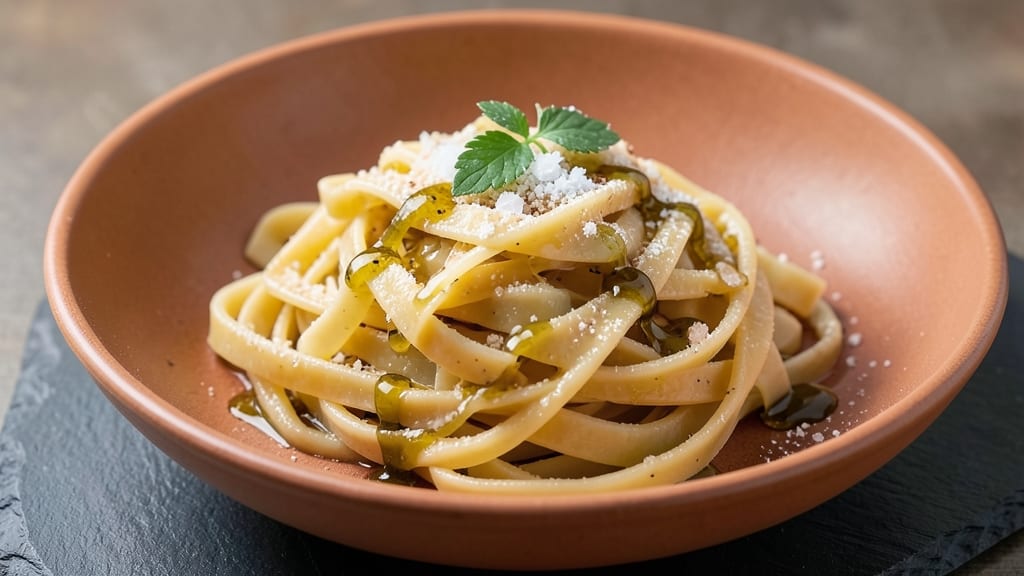
This 2-egg pasta recipe transforms humble ingredients into restaurant-quality al dente noodles in under an hour—no waiting for dough to rest overnight. The secret lies in a precise flour-to-egg ratio that creates silky, elastic strands without requiring specialty equipment.
I've perfected this method after years of testing, and it delivers professional results with just two eggs and a few pantry staples.
The beauty of this recipe is its flexibility—whether you prefer hand-rolling for authenticity or using a pasta machine for speed, the dough handles both methods beautifully.
What sets it apart is the zero wait time approach: no long fermentation means you can have fresh pasta on the table in record time. The texture is what matters most here—firm enough to hold sauce yet tender enough to melt in your mouth.
By the time you're done, you'll have perfectly al dente strands that pair beautifully with classic Italian sauces like marinara or creamy Alfredo. The dough's simplicity doesn't compromise flavor or texture, making it ideal for both weeknight dinners and special occasions. This is pasta-making made accessible without sacrificing quality.
Ready to master this technique? The process is straightforward: mix, knead, roll, and cook. No advanced skills required—just patience and attention to detail. Let's get started with your fresh pasta adventure that begins with just two eggs and flour.
Ingredients for 2 egg pasta
Four essential ingredients transform into restaurant-quality pasta with zero wait time.
| Ingredient | Amount | Notes |
|---|---|---|
| All-Purpose Flour 🌾 | 2 cups | High-protein preferred for elasticity |
| Large Eggs 🥚 | 2 whole | Room temperature for even mixing |
| Extra-Virgin Olive Oil 🫒 | 1 tbsp | For dough workability and flavor |
| Fine Sea Salt 🧂 | ½ tsp | Diamond Crystal preferred |
| Semolina Flour 🌾 | ¼ cup | For dusting and rolling |
| Unflavored Icing Gelatin 🧴 | ½ tsp | Optional for extra elasticity |
| Water 💧 | 1 tbsp | Only if needed for hydration |
| Fresh Basil Leaves 🌿 | ¼ cup | Chopped for finishing (optional) |
| Parmesan Cheese 🧀 | ½ cup | Freshly grated for garnish |
| Garlic Cloves 🧄 | 2 cloves | Minced for sauce pairing |
| Marinara Sauce 🍅 | 2 cups | For serving (homemade or quality jarred) |
The flour is non-negotiable—King Arthur or Caputo Tipo 00 if you want to splurge, but good all-purpose works perfectly fine. I always grab King Arthur from Whole Foods or Trader Joe's since it's high-protein and handles the dough beautifully. The eggs? Pasture-raised from the grocery store deli give richer flavor, but any large eggs will do. Room temperature is key—cold eggs make the dough tough. Pro tip: Crack them into a separate bowl first to avoid shells in your dough. The olive oil isn't just for flavor—it's what makes this dough silky and easy to work with. Use California Extra Virgin if you're feeling fancy, but any good-quality EVOO will work.
No semolina? All-purpose flour works in a pinch, though your pasta might stick slightly more. Skipping the gelatin? No problem—just knead the dough a bit longer for extra elasticity. Fresh basil? Dried oregano at half the amount gives a similar vibe. The marinara can be store-bought (I love Rao's or Barilla), but homemade is where the magic happens—just garlic, olive oil, and crushed tomatoes. For the Parmesan, grate it yourself from a block—pre-grated tastes like sawdust. And if you're making this ahead? The dough keeps for 2 days wrapped tightly in plastic in the fridge.
This dough is a game-changer because it doesn't need to rest—you can roll it out and cut immediately. Store any unused dough between sheets of parchment paper in a sealed container for up to 3 days in the fridge. For longer storage, wrap tightly in plastic and freeze for up to 3 months. The cooked pasta reheats beautifully—just toss with a splash of pasta water and a pat of butter. I always make extra because it's perfect for meal prep—freeze cooked strands in a single layer before bagging for 2 months. And trust me, the texture is worth the effort.
Why You'll Love This Recipe
- Two-Ingredient Magic: The name says it all—just flour, eggs, and oil. No fancy prep, no measuring cups to stress over. I swear, my first batch turned out better than store-bought, and I didn’t even use a scale.
- Chewy Gold Standard: That perfect al dente bite? It’s all in the semolina dusting and the olive oil’s slow cook. The eggs bind it just right—no gummy mess, no rock-hard strands. Honestly, it’s the kind of pasta that makes you pause mid-bite.
- Lunchbox Hero: Between us, this is my go-to for packed lunches. Toss it with jarred sauce or pesto, and it reheats like a dream. My kid’s school lunchbox gets jealous of how easy it is to customize—no soggy noodles here.
- Pantry Staple Savior: I’ve made this on a $3 budget for four people. The eggs add richness without breaking the bank, and the flour lasts forever. Leftovers? Toss them in a pan with butter and garlic—suddenly, it’s dinner again.
Step-by-step instructions for 2 egg pasta recipe
Here's how to craft silky, perfectly al dente pasta with just two eggs—no waiting, no fuss.
Combine Dry Ingredients for the Dough
On a clean work surface, mound the 2 cups All-Purpose Flour and create a well in the center. Add the 0.5 tsp Fine Sea Salt to the flour and gently whisk it in using a fork. This ensures even salt distribution throughout the dough, preventing any salty pockets later.
If using, sprinkle the 0.5 tsp Unflavored Icing Gelatin over the flour mixture and whisk to combine. The gelatin adds subtle elasticity, but it's optional—traditional pasta works beautifully without it. The key here is to keep everything dry and crumbly before adding liquids.
Incorporate Wet Ingredients for Smooth Dough
Crack the 2 whole Large Eggs directly into the well, then add the 1 tbsp Extra-Virgin Olive Oil. Using a fork, gently draw the flour into the wet ingredients from the edges, mixing just until a shaggy dough begins to form. Avoid overmixing at this stage—you want to preserve as much gluten development as possible during the kneading phase.
If the dough feels too dry after mixing, add the 1 tbsp Water drop by drop until it just comes together. The dough should hold when pressed but still feel slightly crumbly. This texture ensures it won't stick to your hands during kneading and will yield a smooth, elastic final product.
Knead Until Silky and Elastic
Turn the dough onto a lightly floured surface and knead vigorously for 8-10 minutes. Press down with the heel of your hand, fold the dough over itself, and rotate ¼ turn before repeating. You're looking for a smooth, slightly tacky surface that springs back when poked—this indicates proper gluten development.
I like to work the dough in one direction first to build strength before shifting angles. Every 2 minutes, dip your fingers in water and smooth the surface to prevent drying. The dough should feel firm but pliable, like the inside of your cheek. If it cracks or feels too stiff, add 1 tsp Water at a time until it improves.
Rest and Roll for Perfect Sheets
Wrap the dough tightly in plastic wrap and let it rest at room temperature for 30 minutes. This resting period relaxes the gluten strands, making them easier to roll out evenly. While it rests, dust a clean surface with 0.25 cup Semolina Flour—this prevents sticking and gives the pasta its signature texture.
After resting, divide the dough into 4 equal portions (about ½ cup each) and work with one piece at a time. Using a pasta machine set to the widest setting, feed the dough through 2-3 times until smooth. Gradually decrease the machine settings by 1 notch each time, dusting with semolina between passes. Stop when you reach the thinnest setting that still gives you even sheets—typically #3 or #4 for this recipe.
Cut, Cook, and Finish with Fresh Flavors
Cut the pasta into your desired shape using a sharp knife or pasta cutter. For classic tagliatelle, cut into ¼-inch wide strips. Immediately toss the cut pasta with a pinch of Fine Sea Salt to prevent sticking. Cook in boiling salted water for 2-3 minutes—it should float to the surface when done. Reserve ½ cup pasta water before draining.
Toss the drained pasta with 2 cups Marinara Sauce, adding reserved pasta water as needed to create a silky coating. Finish with 0.25 cup Fresh Basil Leaves (chopped) and 0.5 cup Parmesan Cheese (freshly grated). The basil adds bright freshness, while the Parmesan delivers that unmistakable umami punch that elevates simple pasta to restaurant-quality.
Pro Tips For Making 2 Egg Pasta
- STOP UNDERMIXING THE DOUGH: I learned this the hard way—skipping the full 10 minutes of kneading means you’ll end up with dense, chewy pasta instead of light, silky strands. Press the dough flat first, then fold it like a letter and knead vigorously until it springs back when poked (yes, it’s sticky, but that’s normal).
- USE COLD EGGS AND FLOUR: Cold eggs and flour prevent the dough from turning gummy. Crack the eggs straight from the fridge into a bowl with the flour, then mix—this keeps the gluten from overworking too fast. I used to use room-temp eggs, and the dough always felt sticky and hard to handle.
- SALT THE WATER LIKE THE SEA: Your pasta needs enough salt to taste bold, but don’t go overboard—aim for 2 tablespoons per 4 quarts of water. If you’re using fine sea salt (like the recipe calls for), taste the water after boiling; it should sting your lips like tears. Less salt = bland pasta, no matter how good the dough.
- SEMOLINA ISN’T JUST FOR TOPPING: Tossing freshly cut pasta in semolina (not just flour) prevents sticking and gives it that restaurant-quality texture. Do it right after cutting, while the dough is still warm—just a light dusting, but it makes a real difference. I used to skip this, and my pasta always clumped like a sad noodle pile.
Essential equipment for this dish
Pasta Machine Essentials
You don’t need a fancy Marcato Atlas to make perfect pasta—I use my Imperia Atlas 150 because it handles the dough beautifully without tearing. For beginners, the KitchenAid Pasta Attachment ($150) is a game-changer, attaching directly to your stand mixer for hands-free rolling.
If you're on a budget, a hand-crank pasta maker ($20-$30) works just as well for small batches. Always keep your machine dusted with semolina flour to prevent sticking—it’s the secret to smooth sheets every time. 🌾
Rolling Pin Alternatives
No pasta machine? No problem. A sturdy wooden rolling pin (like OXO Good Grips) works perfectly for hand-rolling. Start with the thickest setting on your machine (or the widest gap between your pin and surface) and gradually thin the dough.
For extra control, I press down firmly with my knuckles to keep even pressure. If the dough tears, just patch it with a bit of water and flour—it’ll still cook beautifully. 💪
Cutting Tools Matter
A sharp pasta cutter (like Marcato Tagliatelle Cutter) gives clean edges, but a sharp chef’s knife works in a pinch. For fettuccine, I use the ¼-inch setting on my cutter, but if you’re cutting by hand, measure with a ruler for consistency.
Always cut against a flat surface to avoid uneven strands. Pro tip: Wipe your cutter with a damp cloth between uses to prevent dough buildup. ✨
Dough Work Surface
Your work surface makes all the difference. I use a large marble slab (like Cuisinart Marble Cutting Board) because it stays cool and prevents sticking. If you don’t have marble, a lightly oiled silicone mat or even a clean wooden cutting board works.
Avoid glass—it’s too slippery and can tear delicate dough. Always dust with semolina flour before rolling to keep the dough from sticking to your tools. 🍳
Storage Containers
For leftover dough, I store it in an airtight container (like Rubbermaid Brilliance) between sheets of parchment paper to prevent drying. If freezing, use quart-sized freezer bags with all air squeezed out—this keeps the dough fresh for up to 3 months.
For cooked pasta, I freeze it in a single layer on a tray before transferring to bags to prevent clumping. Label everything with dates so you know what’s freshest. ❄️
Nutrition facts
Frequently asked questions
Why does this 2-egg pasta recipe work better than traditional 3-egg versions?
The reduced egg quantity creates a lighter, more delicate texture perfect for quick cooking. With just 2 eggs, the dough remains tender yet sturdy enough for al dente results, while eliminating the need for long resting times. The olive oil and semolina flour compensate by adding elasticity and preventing stickiness. This ratio also makes the dough more forgiving for beginners.
Can I make this pasta without a pasta machine?
Use a wooden rolling pin on a floured surface, starting with the thickest setting you can manage. Gradually roll thinner by lifting and turning the dough, dusting with semolina flour between each pass. For extra control, press down firmly with your knuckles. Hand-rolling takes more time but gives you full control over thickness.
How do I fix dough that's too sticky or too dry? If your dough is too sticky, add 1 tablespoon flour at a time while kneading. For dry dough, sprinkle 1 teaspoon water and knead until smooth. The ideal dough should hold together when pressed but still feel slightly tacky.
What's the best way to store leftover pasta dough?
Wrap the dough tightly in plastic wrap and store it in an airtight container in the fridge for up to 2 days. For longer storage, flatten the dough slightly between parchment paper, then freeze in a sealed bag for 3 months. Thaw overnight in the fridge before using. Never refreeze cooked pasta—it loses texture when reheated.
How do I know when my homemade pasta is fully cooked?
Fresh pasta cooks in just 2-3 minutes—test it by tasting a small piece. It should be tender but still slightly firm to the bite (al dente). The pasta will float when fully cooked, but don't rely on this alone. Always taste-test! Reserve ½ cup pasta water before draining to help bind sauces later.