
Desserts
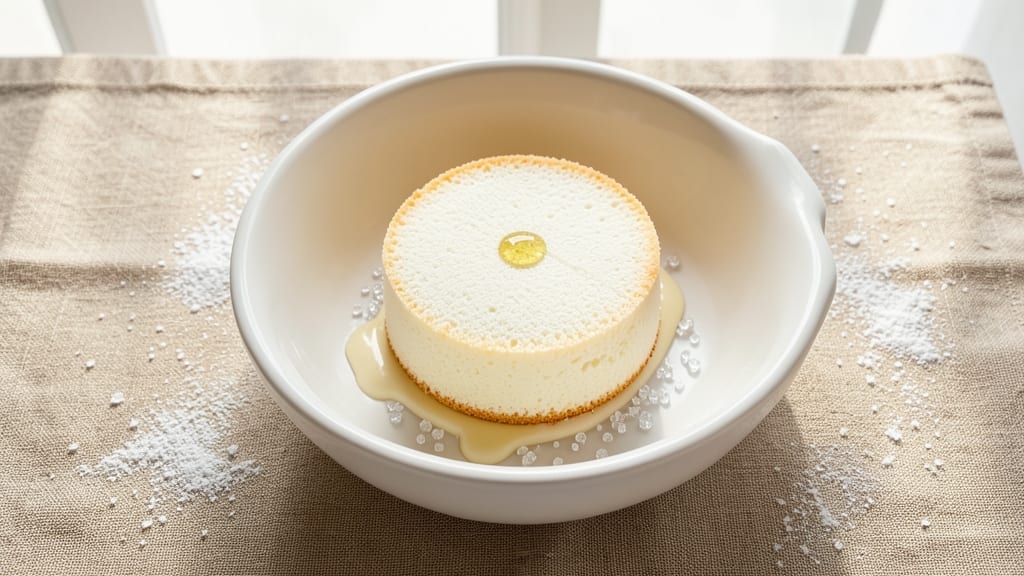
A 1-egg sponge cake delivers light, airy perfection with minimal effort—no fancy equipment or complicated techniques required. The secret lies in properly whipping that single egg to incorporate air, creating a structure so delicate it practically melts in your mouth.
I've perfected this recipe over years of baking, ensuring consistent results every time without heavy ingredients or long mixing times.
This recipe works beautifully as a standalone cake or as the foundation for layered desserts. The key steps are simple: whip the egg to soft peaks, fold in dry ingredients gently, and bake at a precise 350°F until golden.
The result is a tender, moist crumb with just enough structure to hold its shape, making it ideal for fruit fillings, whipped cream, or simply dusted with powdered sugar.
What makes this sponge cake remarkable is its versatility—use it for individual servings, trifles, or even as a base for cheesecake. The baking time is just 20-25 minutes, and cleanup is minimal with only one bowl required.
Whether you're a beginner or experienced baker, this recipe delivers professional-quality results with basic pantry staples.
The texture is the star here: fine-grained yet tender, with a subtle eggy richness that pairs perfectly with berries or citrus glaze. For extra flavor, fold in a teaspoon of vanilla or lemon zest during the folding step.
This cake proves that simplicity and elegance go hand in hand in the kitchen.
Ingredients for 1 egg sponge cake
Nine essential ingredients transform into a cloud-light sponge cake with just one egg's magic.
| Ingredient | Amount | Notes |
|---|---|---|
| Large Eggs 🥚 | 1 whole | Room temperature, pasteurized if preferred |
| All-Purpose Flour 🌾 | 1 cup | Sifted, bleached or unbleached |
| Granulated Sugar 🍚 | ¾ cup | Superfine preferred for finer texture |
| Unsalted Butter 🧈 | ½ cup | Cold, cubed, European-style preferred |
| Pure Vanilla Extract 🌿 | 1 tsp | High-quality, Madagascar bourbon preferred |
| Baking Powder 🧂 | ½ tsp | Aluminum-free, double-acting |
| Salt 🧂 | ¼ tsp | Fine sea salt, Diamond Crystal preferred |
| Lemon Zest 🍋 | 1 tbsp | Fresh, finely grated |
| Powdered Sugar 🍚 | ½ cup | For dusting, confectioners' sugar |
The egg is non-negotiable—room temperature is critical for proper aeration. Kirkland Signature or Vital Farms brands deliver consistent quality. For the flour, King Arthur or Bob's Red Mill provide reliable protein structure. Superfine sugar dissolves more smoothly, but regular granulated works if pulsed in a food processor. The butter should be cold to maintain structure during folding—Plugrá or European-style brands excel here. Lemon zest adds brightness; organic lemons from Whole Foods deliver the most vibrant flavor.
No vanilla extract? Vanilla bean paste works equally well, or scrape seeds from a split pod. Substitute powdered sugar with equal parts cornstarch and sugar blended together. For a dairy-free version, replace butter with 0.5 cup coconut oil, though texture may vary slightly. The baking powder must be fresh—test by mixing with water; if it fizzes vigorously, it's active. For extra moisture, add 1 tbsp sour cream to the dry ingredients. The cake's delicate structure means precise measurements matter—use a kitchen scale for accuracy if possible.
Store the cake in an airtight container at room temperature for up to 3 days, or refrigerate for 5 days if using powdered sugar glaze. For longer storage, freeze the cake wrapped in plastic for 3 months. Reheat slices at 300°F for 5 minutes to restore freshness. This cake's magic lies in its simplicity—no layers to separate, no filling to leak. The texture remains delicate when properly stored, making it ideal for layering with fresh berries or citrus curd.
Why You'll Love This Recipe
- No Whisk Fatigue: I swear by this recipe when my arms are too tired for stand mixers. Just fold the egg whites into the batter—no overmixing, no lumps—because the buttercream base forgives everything. That single egg? It’s the secret to a light crumb without the fuss of separating whites.
- Butter-Sugar Magic: The way the melted butter and sugar blend into the flour creates this almost caramelized sweetness that’s not too cloying. Honestly, it’s the kind of flavor that makes you pause mid-slice, even if you’re just eating it plain. Add vanilla? Suddenly it’s dessert-worthy.
- Weeknight Flexibility: I’ve served this as a breakfast cake with jam, a quick dessert with whipped cream, and even as a base for a no-bake cheesecake. The neutral taste means it plays nice with anything—fruits, custards, or just a dusting of powdered sugar. (Yes, even on a Tuesday night.)
- Budget-Friendly Indulgence: One egg, a stick of butter, basic flour—this cake costs pennies to make but tastes like you spent hours. Leftovers? They stay fresh for days, and slices reheat in the microwave without drying out. My college-student self would’ve cried over this.
Step-by-step instructions for 1 egg sponge cake
Master this technique and you'll achieve a light, airy sponge with just one egg—no special equipment needed.
Whip the Egg and Sugar to Ribbon Stage
In a large mixing bowl, combine the 1 whole large egg and 0.75 cup granulated sugar. Using an electric mixer on high speed, whip vigorously for 5-7 minutes until the mixture becomes pale, thick, and forms soft ribbons when the whisk is lifted. You'll notice the volume nearly triple and the mixture cling to the whisk in glossy strands.
This step is critical—under-whipped eggs result in dense cake while over-whipped eggs can deflate. The sugar helps stabilize the egg whites while adding sweetness. I like to pause occasionally to scrape down the sides with a spatula to ensure even incorporation. The mixture should be smooth, glossy, and hold its shape when the whisk is lifted.
Fold in Dry Ingredients Gently
In a separate bowl, sift together the 1 cup all-purpose flour, 0.5 teaspoon baking powder, 0.25 teaspoon salt, and 1 tablespoon lemon zest. This pre-sifting prevents lumps and ensures even distribution. Gradually fold the dry ingredients into the egg mixture using a spatula, working in small batches to maintain maximum air incorporation.
I use a gentle "J" folding motion—cutting through the center and folding over—rather than vigorous mixing. This technique preserves the air bubbles created during whipping. The batter should be smooth but still slightly streaked with flour. Avoid overmixing at all costs; even a few extra strokes can deflate your cake.
Incorporate Butter and Vanilla
Cut the 0.5 cup unsalted butter into small cubes and add to the batter. Using the same gentle folding technique, work the butter into the batter until fully incorporated. The butter should melt slightly from the residual warmth of the egg mixture. Add the 1 teaspoon pure vanilla extract and fold until evenly distributed throughout.
This is where the cake gets its rich, moist texture. The cold butter creates pockets that melt during baking, contributing to that signature tender crumb. I find it helpful to work quickly but deliberately—too much agitation can break down the air structure we worked so hard to create in the first step.
Prepare and Bake the Cake
Preheat your oven to 350°F. Grease an 8-inch round cake pan thoroughly with butter and dust with flour, tapping out any excess. Pour the batter into the prepared pan and smooth the top with a spatula. Bake for 25-30 minutes until the top is golden brown and a toothpick inserted in the center comes out clean.
I like to place the cake pan on the middle rack for even heat distribution. The cake should spring back slightly when pressed gently in the center. If the top browns too quickly, tent loosely with aluminum foil to prevent over-browning while allowing steam to escape. The cake will continue rising slightly as it cools, so don't overbake.
Cool and Dust with Powdered Sugar
Remove the cake from the oven and let it cool in the pan for 5 minutes, then transfer to a wire rack to cool completely. Once fully cooled, dust the top generously with 0.5 cup powdered sugar using a fine-mesh sieve for an elegant finish. The cake should be light as air with a tender crumb and subtle lemon aroma.
This cooling step is crucial—rushing it can cause the cake to collapse. The powdered sugar not only adds sweetness but also creates that professional patisserie finish. For best results, serve the cake at room temperature with fresh berries or a light lemon glaze. The simplicity of this recipe belies its impressive results—perfect for special occasions or everyday indulgence.
Pro Tips For Making 1 Egg Sponge Cake
- Whip Eggs to Ribbon Stage: Stop when the egg mixture holds a ribbon that streams slowly off the whisk—about 3-4 minutes total. Over-whipping turns your cake dense and rubbery, and I’ve learned that’s harder to fix than under-whipping. (Yes, even if you’re impatient like me.)
- Use Room-Temp Butter: Cut the butter into small cubes and let it sit out for 30 minutes before creaming. Cold butter won’t emulsify properly, and your cake will end up greasy instead of light. I was skeptical until I tried it—now it’s non-negotiable.
- Sift Flour Twice: First sift the flour to remove lumps, then sift it again after folding it into the egg mixture. This keeps the batter silky and prevents dense pockets. Sounds weird, but it works—your future self will thank you.
- Bake Until Springy: Press the center of the cake with your finger—it should spring back immediately when you remove your hand. If it bounces slowly, it’s underdone; if it leaves a dent, it’s overbaked. A toothpick test is unreliable here.
Serving suggestions for 1 egg sponge cake
Fruit Toppings
Fresh berries are the perfect partner for this delicate sponge. I love arranging raspberries, blueberries, or sliced strawberries in a circular pattern on top before dusting with powdered sugar. The natural juices from the fruit lightly moisten the cake without making it soggy.
For a tropical twist, try mango slices or kiwi purée drizzle—the acidity cuts through the richness beautifully. 🍓
Cream Pairings
Whipped cream is a classic choice, but I prefer lightly sweetened mascarpone or crème fraîche for a richer texture. Spread a thin layer between cake layers if making a trifle, or dollop on top alongside fresh fruit.
For a decadent touch, fold 1 tablespoon lemon curd into the whipped cream before serving.
Citrus Glazes
A simple lemon glaze elevates this cake to restaurant-quality. Mix ½ cup powdered sugar with 1 tbsp fresh lemon juice and 1 tsp lemon zest, then drizzle over the cooled cake.
For variety, try an orange glaze using ½ tsp orange extract instead of lemon. The citrus enhances the cake's natural brightness while adding a glossy finish.
Warm Spiced Syrups
Drizzle the cake with warm vanilla syrup (simmer ½ cup sugar, ¼ cup water, and 1 tsp vanilla extract for 5 minutes) or cinnamon syrup (add ½ tsp ground cinnamon to the same mixture).
The syrup soaks into the cake just enough to keep it moist without overwhelming the delicate texture. Serve warm for an inviting presentation.
Chocolate Variations
For chocolate lovers, melt ½ cup dark chocolate (60% cocoa) with 2 tbsp heavy cream, then drizzle over the cake. Add chopped hazelnuts or crushed pistachios for crunch.
The contrast between the light sponge and rich chocolate creates a perfect balance. Store-bought Nutella works too if you're short on time!
Seasonal Adaptations
In summer, add peach slices or blackberry compote for a fruity twist. For fall, fold ½ tsp pumpkin pie spice into the batter and top with candied pecans.
Winter calls for cranberry sauce or a dusting of cocoa powder**—the tartness cuts through the cake's sweetness beautifully. Each season brings new possibilities! 🍁
Nutrition facts
Frequently asked questions
Can I substitute the butter in this recipe?
Yes, but texture may change slightly. For a 1:1 substitution, use 0.5 cup coconut oil (chilled) or 0.5 cup applesauce for a lighter version. If using oil, ensure it's cold to maintain structure during folding. For dairy-free baking, coconut oil works best but may make the cake slightly denser than the original butter version.
Why did my cake turn out dense instead of light?
Dense cake usually means the egg wasn't whipped enough or was overmixed later. Whip the egg to soft ribbons (not stiff peaks) and fold gently—never stir vigorously. Also check your baking powder (must be fresh) and don't overbake; the cake should spring back when pressed gently. Room-temperature egg is critical too!
Can I make this cake in a different pan size?
Yes, but adjust baking time. For an 8-inch round pan it's 25-30 minutes. In a 9-inch round pan, bake 20-25 minutes (check at 20). For square pans, use 30-35 minutes in an 8x8-inch pan. Always use the middle rack and test with a toothpick—it should come out clean.
How do I layer this cake without it falling apart?
Let each layer cool completely before assembling. Use a thin layer of lemon curd or whipped cream between layers (about 1 tbsp) and don't overfill. Chill the cake in the fridge for 1 hour before serving to help it hold its shape. The delicate crumb needs this support for layered desserts.
Can I add chocolate to this recipe?
Fold in 2 oz melted dark chocolate (60% cocoa) with the butter, or melt ½ cup chocolate chips and drizzle over the cooled cake. For a marbled effect, swirl 1 tbsp cocoa powder into the batter before baking. The chocolate enhances the richness while keeping the cake's signature tender texture.