
Breakfast & Brunch
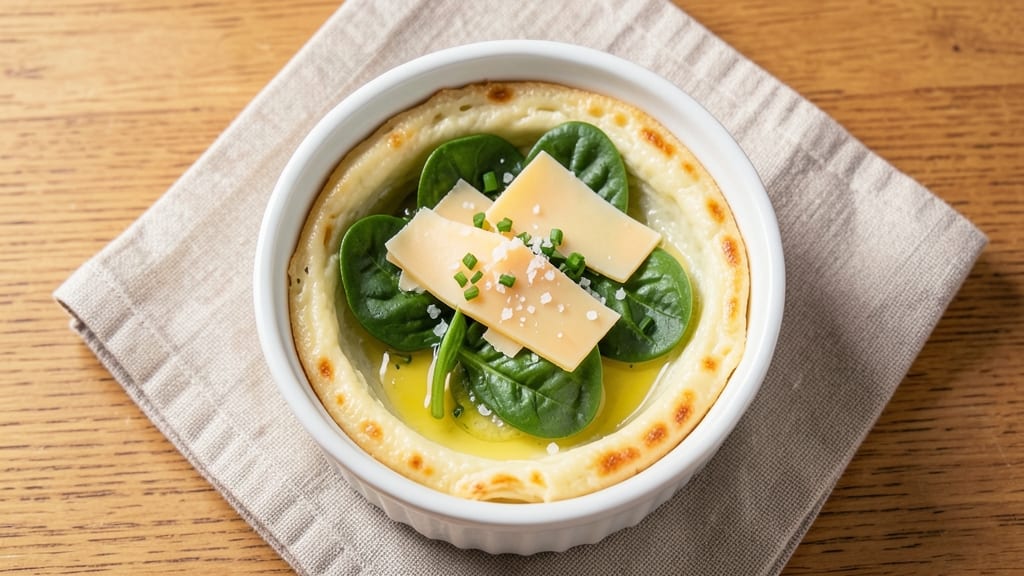
This 1-egg omelette recipe delivers restaurant-quality results with just one egg—no wasted ingredients, no fuss, and perfect fluffy edges every time. The secret lies in precise technique: a hot non-stick pan, constant motion, and stopping just before it fully sets.
I’ve mastered this method after years of trial and error, and it’s become my go-to breakfast when I’m short on time or ingredients. What makes it special is how it transforms a single egg into a tender, cloud-like dish that feels indulgent without being heavy.
The beauty of this omelette is its simplicity combined with professional results. You’ll need just one egg, a pinch of salt, and a splash of butter—plus your choice of fillings like cheese, herbs, or vegetables.
The key is working quickly over medium-low heat, stirring continuously until the edges are just set but the center remains soft. This creates that signature fluffy cloud texture that’s impossible to achieve with larger omelettes.
It’s the perfect balance of efficiency and elegance, making it ideal for busy mornings or when you want to impress with minimal effort.
By the time you fold it, you’ll have a perfectly shaped omelette with a smooth, velvety finish inside and a delicate crust on the edges. The fillings stay tucked in where they belong, and the whole dish comes together in under 5 minutes—no waiting, no overcooking.
This isn’t just a breakfast; it’s a skill that elevates your cooking game with just one egg. Whether you’re feeding yourself or practicing for larger omelettes, this method delivers consistent, foolproof results every time.
Ready to master it? The recipe includes optional fillings to customize your omelette, so you can adapt it to whatever you have on hand. Pro tip: Use a non-stick pan and keep the heat steady—this is the difference between a perfect omelette and a rubbery one.
Let’s get started on creating your fluffiest, most satisfying omelette yet.
Ingredients for 1 egg omelette
Just eight ingredients transform one egg into a restaurant-worthy fluffy cloud.
| Ingredient | Amount | Notes |
|---|---|---|
| Large Eggs 🥚 | 1 whole | Fresh, room temperature preferred |
| Unsalted Butter 🧈 | 1 tbsp | European-style preferred for flavor |
| Kosher Salt 🧂 | ¼ tsp | Fine grain for even distribution |
| Fresh Cheddar Cheese 🧀 | ½ oz | Shredded, optional for filling |
| Fresh Chives 🌿 | 1 tbsp | Chopped, optional for garnish |
| Fresh Spinach 🍃 | ¼ cup | Chopped, optional for filling |
| Extra-Virgin Olive Oil 🫒 | ½ tsp | For pan coating if needed |
| Non-Stick Cooking Spray 💦 | 1 spray | For perfect release |
The egg is your star—room temperature is key for even cooking. Pasture-raised eggs from Trader Joe's or your local farmers market have richer flavor, but any large egg works. Butter matters too—European-style like Plugrá melts smoother than American butter. For the cheese, sharp cheddar adds depth, but mild cheddar or goat cheese works too. Keep everything prepped while the pan heats—this omelette comes together in 5 minutes flat.
No fresh chives? Dried chives or parsley at half the amount works in a pinch. Spinach wilting? Sauté it first or swap for pre-wilted baby spinach from the grocery store. Out of olive oil? Just use a light spray of non-stick oil—no need to overcomplicate. The salt is non-negotiable though—Diamond Crystal kosher salt dissolves perfectly. Pro move: Crack the egg into a small bowl first to avoid shell bits in your perfect omelette.
This omelette reheats beautifully—microwave 10 seconds for a quick breakfast. Store leftovers wrapped in foil for 2 days in the fridge. For freezing, wrap tightly in plastic and reheat gently. The secret to perfect edges? Constant motion—don't stop stirring until it's just set. Practice makes perfect, and this method builds confidence for larger omelettes too.
Why You'll Love This Recipe
- No-Fuss Technique: I swear by this method—just one egg, a hot pan, and 90 seconds. No flipping drama, no overcooked edges, just a smooth, golden finish that’s foolproof even when I’m distracted.
- Cheesy Chive Magic: That sharp cheddar and bright chives? It’s the perfect balance—creamy, salty, and fresh all at once. Honestly, it’s the kind of flavor combo that makes me reach for seconds without thinking.
- Breakfast Anywhere: Pack one for work, toss it in a lunchbox, or eat it straight from the pan. It’s my go-to when I’m running late, traveling, or just don’t feel like cooking. (Yes, even on a Tuesday night.)
- Budget Breakfast Win: One egg, a little butter, and cheese? This is the most affordable way to feel like you’re eating something special. I make a batch on Sundays and save it for days when I’m too tired to overthink dinner.
Step-by-step instructions for light and fluffy omelettes
Here's how to craft silky-smooth omelettes with perfectly set edges every time.
Whisk the Egg Until Ribbon-Thin
Crack the 1 whole Large Eggs into a small bowl and add the 0.25 tsp Kosher Salt. Using a fork or whisk, beat vigorously for 30 seconds until the yolk and white fully combine. Then, keep whisking for another 1-2 minutes until the mixture becomes noticeably lighter in color and forms a ribbon that holds its shape when the whisk is lifted.
This step is crucial for creating that signature fluffy texture. The rapid movement incorporates air into the egg, which expands when cooked. I like to hold the whisk at a slight angle to maximize air incorporation. If you're using room temperature eggs, they'll blend more smoothly—no streaks at all.
Prep Your Pan for Perfect Release
Spray a small non-stick skillet (about 6 inches diameter) with the 1 spray Non-Stick Cooking Spray and place it over medium-low heat. Add the 1 tbsp Unsalted Butter and let it melt completely, swirling to coat the pan evenly. You're aiming for a thin, even layer of butter that doesn't brown—just melts and creates a slick surface.
The butter should foam slightly but not brown. If it starts to bubble vigorously, reduce the heat immediately. This butter layer prevents sticking and creates that golden, crisp edge we want. I always use European-style butter here—the higher fat content gives better flavor and a more stable cooking surface.
Cook the Egg to Silky Perfection
Pour the whisked egg mixture into the prepared skillet. Immediately reduce heat to low and let the egg sit undisturbed for 15-20 seconds until the edges begin to set but the center remains completely liquid. This is where patience pays off—don't rush this step or you'll end up with rubbery omelette.
Once you see the edges start to firm up but the center is still runny, gently tilt the pan and use a spatula to let any uncooked egg flow toward the edges. This creates that classic even thickness. The omelette should be about halfway cooked at this point—still very soft in the center but with firm edges.
Add Fillings and Fold to Cloud-Like Softness
Sprinkle the 0.25 cup Fresh Spinach and 0.5 oz Fresh Cheddar Cheese evenly over one half of the omelette. The spinach should wilt slightly but still retain some texture. Drizzle with 0.5 tsp Extra-Virgin Olive Oil for extra richness. Let it sit for 5-10 seconds to warm through.
Using a spatula, fold the empty half over the filled half with a gentle rolling motion. The goal is to create a neat package without pressing too hard—you want to maintain that cloud-like softness inside. I like to make one final fold at the top to create that classic triangular shape. Cook for another 10-15 seconds until the outside is just set.
Finish with Chives and Serve Immediately
Transfer the omelette to a warm plate and immediately sprinkle with the 1 tbsp Fresh Chives. The chives add a fresh, bright finish that cuts through the richness of the cheese and butter. Serve right away while the center is still warm and tender—this is when omelettes taste their absolute best.
For perfect results, I always recommend eating immediately. The texture changes dramatically as it cools, going from silky to slightly rubbery. If you need to hold it for a moment, keep it warm in a 200°F oven for no more than 2 minutes—just enough to maintain warmth without overcooking.
Pro Tips For Making 1 Egg Omelette
- Use Medium-High Heat: A screaming-hot pan burns the butter before the egg sets—this isn’t a sear, it’s a slow dance. Start with the heat where you’d cook a pancake: just enough to get the butter foaming but not smoking, or the egg will scramble before it folds.
- Chop Cheese Small: Big cubes of cheddar melt into a gooey mess that won’t distribute evenly. Dice it into ¼-inch pieces so every bite gets that sharp, salty punch without turning your omelette into a cheese volcano.
- Salt the Pan First: I used to add salt after the butter melted, and the crust would always taste uneven. Toss a pinch of kosher salt into the pan with the butter—it dissolves instantly and seasons the crust before the egg even hits the pan.
- Fold When the Top’s Still Slightly Wet: The second the top looks fully set, it’s already overcooked. Stop folding when the surface shimmers but still feels just slightly damp to the touch—this keeps the inside tender and the fold clean. (Yes, even if it looks underdone.)
Wine and beer pairings for this 1 egg omelette
White Wine Pairings
A crisp Sauvignon Blanc from New Zealand or Loire Valley is my go-to choice for this delicate omelette. The bright citrus and herbal notes in wines like Cloudy Bay Sauvignon Blanc or Oyster Bay Sauvignon Blanc complement the fresh chives and spinach beautifully.
The acidity cuts through the richness of the butter and cheese, creating a refreshing balance. 🍷
If you prefer something lighter, a Pinot Grigio from Italy—such as Santa Margherita Pinot Grigio—works wonderfully. Its subtle almond notes and crisp finish won’t overpower the omelette’s delicate flavors.
For a more textured experience, try a Champagne like Laurent-Perrier Brut—the bubbles and acidity make it a luxurious pairing for a simple yet elegant dish.
Light Beer Options
A wheat beer like Blue Moon Belgian White or Hoegaarden adds a refreshing contrast with its citrusy notes and effervescence. The slight sweetness balances the savory cheese and spinach, making each bite feel bright and clean.
For a more robust option, a light lager such as Heineken or Corona provides a crisp, clean finish that won’t compete with the omelette’s flavors. 🍺
If you’re feeling adventurous, try a Belgian witbier like Stella Artois Wit—its coriander and orange peel notes add an unexpected but delightful twist. The slight tartness enhances the chives and cheese, making the pairing feel fresh and dynamic.
Just avoid heavy stouts or IPAs, as their bold flavors can overwhelm the omelette’s delicate texture.
Unexpected Pairings
For a non-alcoholic twist, sparkling apple cider like Martinelli’s Sparkling adds a festive touch with its crisp acidity and subtle sweetness. It’s perfect for brunch or when you want to keep things light and refreshing. 🍎
If you’re serving this omelette as part of a larger meal, a dry sparkling rosé like Whispering Angel elevates the dish with its delicate berry notes and crisp finish. The effervescence cleanses the palate, making each bite of the omelette feel fresh and vibrant.
For a truly indulgent pairing, a champagne cocktail with a splash of St-Germain elderflower liqueur adds a touch of sophistication that feels like a morning treat.
Nutrition facts
Frequently asked questions
Why does my single-egg omelette turn out rubbery?
Overcooking is the #1 culprit! Stop cooking when the center is still slightly runny—it'll finish setting as you fold. Also, ensure your pan isn't too hot (medium-low heat is key) and use a non-stick skillet to prevent sticking. Whisking the egg until ribbon-thin adds air for fluffiness, so don't skip that step.
Can I make this omelette without cheese?
The recipe works beautifully with just eggs, butter, and salt—it's still delicious. For other fillings, try sautéed mushrooms, caramelized onions, or even leftover roasted veggies. The key is adding them when the omelette is halfway cooked so they stay warm but don't get soggy.
How do I make this omelette ahead of time?
This omelette is best served immediately, but you can prep components ahead. Whisk the egg mixture and store it in the fridge for up to 24 hours—just whisk again before cooking. For fillings, chop veggies and store separately. Reheat any leftovers in a 200°F oven for 2 minutes to maintain texture.
What's the secret to perfect folding?
Work quickly but gently! Use a flexible spatula to create a neat fold without pressing down. Start with the far edge and roll toward you, then make a final fold at the top. The goal is to trap fillings inside while keeping the center soft. Practice makes perfect—even professionals sometimes need 2-3 tries to get it right!
Can I use this method for larger omelettes?
Yes, but with adjustments! For 2-egg omelettes, double the butter and use a slightly larger pan. The same technique applies—whisk thoroughly, cook on medium-low, and fold carefully. Just remember: the more eggs, the more important it is to keep the heat consistent to prevent overcooking the outer edges before the center sets.