
Soups & Stews
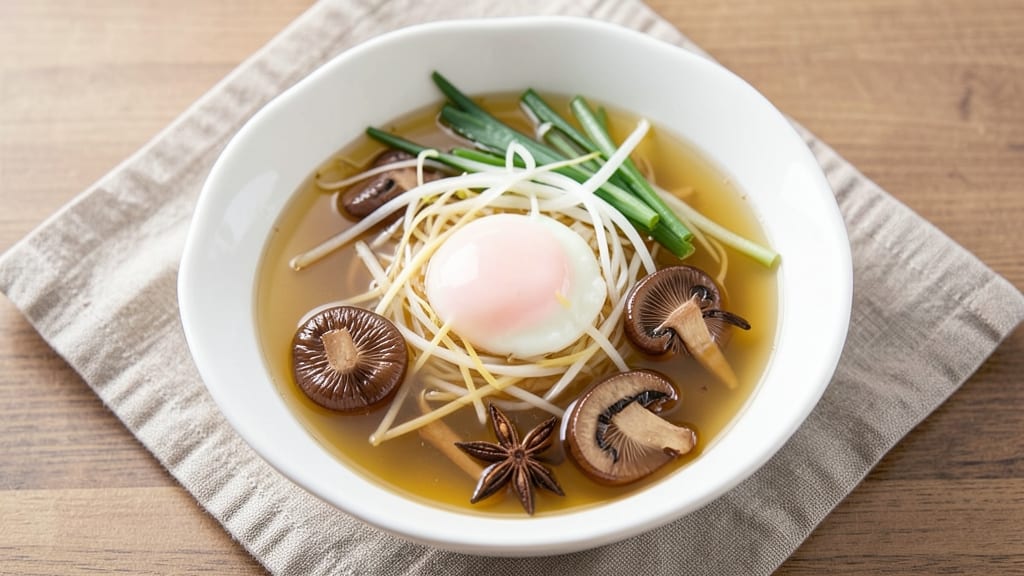
This wok egg drop soup recipe delivers the perfect balance of silky egg ribbons and fragrant ginger broth—just like your favorite Chinese restaurant. The secret lies in slow-simmered broth and a gentle egg-drizzling technique that creates delicate, melt-in-your-mouth strands.
I’ve refined this recipe over years to ensure every sip is rich, aromatic, and perfectly harmonized.
The foundation starts with a fragrant ginger-broth base, infused with star anise and a touch of soy sauce for depth. Unlike quick versions, this method builds flavor through low simmering, allowing the broth to develop layers of warmth and complexity.
The egg is tempered with broth before drizzling, ensuring each ribbon dissolves effortlessly into the soup.
What you’ll end up with is a silky, restaurant-quality soup where each spoonful delivers a symphony of textures—creamy egg ribbons, tender mushrooms, and a broth so fragrant it’ll have everyone asking for seconds.
The wok hei flavor (smoky aroma from the wok) elevates it beyond basic egg drop, making it a standout dish for any occasion.
Serve it with a sprinkle of scallions and a drizzle of chili oil for color and heat, or keep it classic with just a pinch of black pepper.
This recipe scales easily—perfect for weeknight dinners or hosting. Let’s get started on creating a bowl that feels like a warm embrace in every sip.
Ingredients for ww egg drop soup
Four eggs, aromatic broth, and a touch of ginger create restaurant-quality egg drop soup.
| Ingredient | Amount | Notes |
|---|---|---|
| Large Eggs 🥚 | 4 whole | Freshly beaten and room temperature |
| Vegetable Broth 💧 | 4 cups | Homemade or high-quality store-bought |
| Fresh Ginger 🌿 | 1 ½ tbsp | Finely grated, aromatic variety |
| Green Onions 🧅 | 3 whole | Thinly sliced, white and green parts |
| Shiitake Mushrooms 🍄 | 4 whole | Fresh, stems removed, sliced |
| Star Anise 🌶️ | 1 whole | For aromatic depth |
| Light Soy Sauce 🥢 | 1 tbsp | For umami balance |
| Sesame Oil 🫒 | ½ tbsp | Toasted, for finishing |
| Cornstarch 🌾 | ½ tbsp | Dissolved in 1 tbsp cold water |
| Black Pepper 🌶️ | ¼ tsp | Freshly ground for heat |
| Chili Oil 🔥 | 1 tbsp | For serving, optional |
| Vegetable Oil 🫒 | 1 tbsp | High smoke point for wok |
The broth is the soul of this dish—homemade vegetable broth delivers the deepest flavor, but store-bought brands like Pacific Foods or Imagine work in a pinch. Fresh shiitake mushrooms add earthiness; skip them if unavailable, but don’t replace with cremini—they lack the umami punch. Star anise is key for that subtle anise note (like Chinese five-spice), but if you’re missing it, a pinch of ground cinnamon or fennel seeds adds complexity. For ginger, young, tender stalks (like those at Trader Joe's or Whole Foods) pack more zing than older, fibrous roots. Grate it fresh—jarred ginger just won’t cut it here.
No fresh mushrooms? Dried shiitakes rehydrated work beautifully—they’re chewier and more concentrated. Short on soy sauce? Coconut aminos or tamari (gluten-free) bridge the gap, though the color won’t be as rich. The cornstarch slurry is non-negotiable for thickening—it creates those signature silky ribbons. If you’re out, arrowroot powder does the job too, but use half the amount. For the eggs, room temperature is critical; cold eggs curdle when drizzled. Separate whites and yolks if you’re nervous, but beaten whole eggs work perfectly when tempered with broth. The sesame oil should be toasted—Kadoya or La Choy are reliable brands, but avoid the cheap stuff that tastes like paint.
Broth keeps 3 days refrigerated or 3 months frozen—make extra for leftovers. Reheat gently on low to preserve clarity. The chili oil (if using) should be stored in the fridge and added fresh before serving—it loses heat and aroma over time. Fresh ginger lasts 2 weeks unpeeled in the fridge; grate only what you need to avoid waste. For meal prep, assemble soup components separately—reheat broth and mushrooms, then drizzle eggs just before serving. The wok hei (smoky aroma) is best captured fresh, but a cast-iron skillet on high heat mimics it well.
Why You'll Love This Recipe
- No-Chop Nightmare: I swear by this recipe when I’m too tired to slice anything—just slice the mushrooms thin and toss them in whole. The broth does all the work while you sip your tea, and honestly? That’s my kind of magic.
- Umami Bomb: Between the shiitake mushrooms soaking up the broth and the ginger’s slow simmer, every spoonful packs a punch. The egg ribbons? They’re like a creamy surprise in every bite—simple, but chef’s kiss when done right.
- Leftover Goldmine: This soup actually improves overnight. The flavors meld, the mushrooms get even more tender, and I’ve reheated mine for days without a complaint. (Yes, even my picky roommate asks for seconds.)
- Budget Comfort: Fresh ginger and mushrooms might sound fancy, but they stretch this recipe into multiple servings without breaking the bank. Plus, vegetable broth is my go-to for cheap, flavorful base—no fancy ingredients needed.
Step-by-step instructions for wok egg drop soup
Master the art of silky egg ribbons and fragrant broth with this precise technique.
Prepare the Broth Base
Combine the 4 cups vegetable broth, 1.5 tablespoons finely grated fresh ginger, 1 whole star anise, and 1 tablespoon light soy sauce in a clean wok or deep pot. Bring to a gentle boil over medium-high heat, then immediately reduce to a simmer—you want just enough activity to maintain warmth without violent bubbling.
The star anise will infuse the broth with subtle anise notes, while the ginger adds warmth. Let it simmer uncovered for 5 minutes to allow flavors to meld. You'll notice the aroma intensify—this is your signal the broth is developing depth. Strain out the star anise after simmering, but leave the ginger and any settled aromatics in the broth for continued flavor infusion.
Cook the Mushrooms and Aromatics
Heat 1 tablespoon vegetable oil in the same wok over medium heat until shimmering. Add the 4 whole sliced shiitake mushrooms and cook for 3-4 minutes until they release their moisture and begin to soften. The mushrooms should develop a slightly caramelized edge while maintaining their structure.
Push the mushrooms to one side of the wok and add the 3 whole sliced green onions to the empty space. Stir for 30 seconds until they soften slightly but remain vibrant. Pour the simmering broth into the wok, scraping up any browned bits from the bottom—this technique, called deglazing, captures all the concentrated flavors. Return the mushrooms and green onions to even distribution in the broth.
Thicken the Broth
In a small bowl, whisk together the 0.5 tablespoons cornstarch with 1 tablespoon cold water until completely dissolved. This cornstarch slurry will gently thicken the broth without making it gluey. Return the wok to medium heat and slowly pour the slurry into the simmering broth while stirring constantly with a wooden spoon.
Simmer for 2-3 minutes until the broth thickens slightly—it should coat the back of a spoon but remain silky, not pasty. The ideal consistency is like heavy cream. Season with 0.25 teaspoon freshly ground black pepper and taste to adjust seasoning. Here's the thing—this is your flavor checkpoint. If it needs more umami, add a pinch more soy sauce. If it's too mild, a splash of extra broth can help balance.
Create Silky Egg Ribbons
Separate the 4 whole large eggs into a small bowl. Using a fork, gently whisk the egg whites and yolks together until just combined—no need to make them frothy. The goal is to create a smooth, unbroken surface for perfect ribbon formation. Position the wok over low heat (you want the broth to maintain a gentle simmer, not boil).
Drizzle the egg mixture slowly into the broth in a thin, steady stream. Use a chopstick or small spoon to gently stir the broth in small circles as you add the egg. The heat will immediately begin to cook the egg into delicate ribbons that float gracefully through the broth. Work in batches if needed—don't add all the egg at once or you'll get scrambled egg instead of ribbons.
Finish and Serve
Once all the egg has been incorporated, drizzle in the 0.5 tablespoons toasted sesame oil and gently stir to distribute. The sesame oil adds a nutty aroma and rich flavor that complements the egg and broth perfectly. Taste one final time and adjust seasoning if needed—this is your quality control moment.
Ladle the soup immediately into bowls and serve with a drizzle of 1 tablespoon chili oil on top. The contrast of the warm broth with the slightly spicy chili oil creates a perfect balance of flavors. Each spoonful should deliver tender egg ribbons suspended in a fragrant, well-seasoned broth with subtle notes of ginger and shiitake mushrooms.
Pro Tips For Making Ww Egg Drop Soup
- Boil Broth Hard: This soup isn’t subtle—it needs a rolling boil to properly emulsify the egg. If you’re simmering gently, you’ll end up with sad, watery ribbons instead of silky strands. Crank the heat until it’s actively bubbling before adding the egg mixture, then immediately reduce to a low simmer. I used to skimp on this, and the texture suffered every time.
- Slice Mushrooms Thin: Shiitake mushrooms in egg drop soup should disappear into the broth, not chew your jaw. Cut them paper-thin (almost translucent) so they cook in under 2 minutes. Thick slices turn rubbery and steal attention from the egg’s star turn. A sharp knife and confidence matter more than speed here.
- Beat Eggs Until Sticky: Whisk those eggs until they’re thick enough to coat the back of a spoon—no streaks, no runny bits. The goal is a ribbon that holds its shape when dropped into boiling broth. I learned this the hard way when my first batch dissolved into a cloud. A splash of warm broth in the egg mix helps too, but don’t overdo it or the strands will break.
- Salt Broth After Simmering: Add salt to the broth after it’s boiling and simmered for 3–4 minutes. Early salting makes the egg curdle faster, and you’ll end up with a soup that tastes like a science experiment. Taste the broth first—it should be just shy of perfect, because the egg and mushrooms will add their own saltiness. Adjust, then proceed.
Dietary considerations for ww egg drop soup
Vegetarian-Friendly
This egg drop soup is naturally vegetarian, relying on eggs, mushrooms, and aromatic broth instead of meat. The shiitake mushrooms provide umami depth that mimics meaty textures, while the ginger-broth base delivers warmth without animal products.
For a vegan version, replace eggs with silken tofu ribbons (blend firm tofu with broth, then drizzle) or aquafaba (chickpea brine) for a lighter texture. 🌱
Gluten-Free Adaptations
Traditional soy sauce contains gluten, but you can easily adapt this recipe. Swap the 1 tbsp light soy sauce for 1 tbsp tamari (gluten-free soy sauce) or coconut aminos. Both add umami without gluten.
Double-check labels—some tamari brands still contain wheat. For extra depth, add 1 tsp gluten-free fish sauce (if you're okay with it) or 1 tsp mushroom powder for a meaty flavor. ✨
Low-Carb Options
To reduce carbs, skip the cornstarch slurry entirely and let the broth remain light. Instead, thicken with 1 tbsp xanthan gum (dissolved in water) or 1 tsp psyllium husk powder for a similar silky mouthfeel.
The mushrooms and green onions already provide minimal carbs, and the egg ribbons stay intact without thickening agents. For extra flavor without carbs, add ½ tsp arrowroot powder (it’s low-carb and dissolves easily). 💪
Allergen Considerations
This recipe is egg-centric, so it’s not safe for those with egg allergies. For an egg-free version, use tofu ribbons (as mentioned above) or chickpea flour batter (mix 2 tbsp chickpea flour with ¼ cup water, then drizzle).
If nut allergies are a concern, avoid sesame oil—opt for toasted avocado oil instead. Always check labels on broths and soy substitutes for hidden allergens like wheat or nuts. 🚨
Protein Boost
Want more protein? Stir in 1 cup cooked edamame (shelled) or ½ cup shredded rotisserie chicken (for non-vegetarian versions) after cooking the mushrooms. For a plant-based boost, add ¼ cup crumbled tofu or 2 tbsp nutritional yeast (adds cheesy flavor too).
These additions won’t alter the soup’s delicate texture but will bulk up the protein content significantly. 💡
Nutrition facts
Frequently asked questions
Why does my egg drop soup turn out too thick or gluey?
The cornstarch slurry is key—use 0.5 tbsp cornstarch dissolved in 1 tbsp cold water and stir constantly while adding to simmering broth. Over-thickening happens when you add too much slurry or cook too long after thickening. For a silkier texture, reduce to a gentle simmer immediately after adding the slurry.
Can I make this soup ahead of time?
Prepare the broth and mushrooms up to 2 days ahead and refrigerate. Reheat gently, then drizzle eggs fresh to maintain their delicate texture. The broth keeps well, but eggs should always be added just before serving. For freezer storage, freeze broth separately (up to 3 months) and add fresh ingredients when reheating.
What's the secret to perfect egg ribbons?
Use room temperature eggs and drizzle them slowly into the broth while stirring gently. The broth should simmer at low heat—never boil. Work in batches if needed, and keep the egg mixture smooth but not frothy. The key is patience: let the heat cook the egg gradually for those signature silky strands.
Can I substitute other mushrooms?
Yes! Oyster mushrooms or enoki work well for a lighter texture. Avoid cremini mushrooms—they lack the umami depth of shiitake. For a meatier texture, try king oyster mushrooms (sliced lengthwise). Just adjust cooking time—enoki mushrooms cook in 1-2 minutes while shiitake need 3-4 minutes.
How do I make this soup spicier?
Add ½ tsp red pepper flakes to the broth while simmering, or stir in 1 tbsp chili crisp when serving. For heat lovers, drizzle with extra chili oil or top with thinly sliced Thai chilies. Start with small amounts—you can always add more, but you can't take it out!