
Main Courses
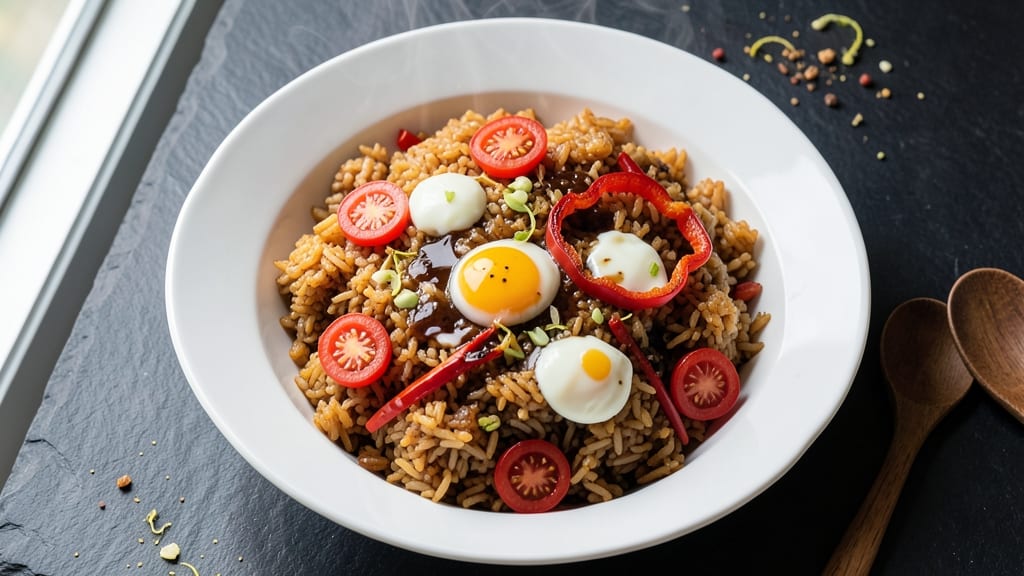
Tomato egg fried rice transforms simple ingredients into a restaurant-quality meal that's ready in just 20 minutes. The secret lies in balancing textures—chewy day-old rice, silky scrambled eggs, and juicy tomatoes—while building layers of umami through soy sauce, garlic, and a touch of sugar. I developed this recipe after years of perfecting stir-fry timing, ensuring every bite delivers that perfect harmony of savory, slightly sweet, and tangy flavors.
What makes this dish truly special is how it comes together in one pan with minimal prep. You'll start by scrambling eggs just until set, then work quickly to stir-fry garlic, ginger, and tomatoes before adding the rice.
The key technique is high heat and constant motion, which prevents burning while developing deep caramelized flavors in the tomatoes. This method also ensures the eggs stay creamy rather than dry, creating that signature velvety texture fried rice lovers crave.
The result is a vibrant, aromatic dish where each ingredient plays its part—bright red tomatoes adding freshness, tender eggs providing richness, and perfectly seasoned rice holding everything together. The dish maintains its integrity even when reheated, making it ideal for meal prep or last-minute dinners.
The balance of salt, umami, and acidity creates a flavor profile that's both satisfying and complex, proving you don't need complicated ingredients for an impressive meal.
This tomato egg fried rice works beautifully as a standalone dish or alongside a simple protein like grilled chicken or shrimp. The recipe scales easily for larger groups while maintaining its signature one-pan simplicity. Ready to master this umami-packed classic that brings restaurant quality to your home kitchen?
Ingredients for tomato egg fried rice
Restaurant-quality fried rice starts with these 13 simple yet strategic ingredients balancing texture and umami.
| Ingredient | Amount | Notes |
|---|---|---|
| Day-Old Cooked White Rice 🍚 | 4 cups | Cold and slightly dried preferred |
| Large Eggs 🥚 | 4 whole | Room temperature for even cooking |
| Medium Red Bell Pepper 🍅 | 1 whole | Diced into 0.5-inch pieces |
| Fresh Garlic Cloves 🧄 | 4 cloves | Minced for aromatic base |
| Fresh Ginger Root 🌿 | 1 tbsp | Finely grated, peeled |
| Light Soy Sauce 🥢 | 2 tbsp | Kikkoman preferred for balance |
| Dark Soy Sauce 🥢 | 1 tbsp | For deeper umami color |
| Sesame Oil 🫒 | 1 tbsp | Toasted for nutty aroma |
| Neutral Vegetable Oil 🫒 | 2 tbsp | High smoke point required |
| Granulated Sugar 🍚 | 1 tsp | Balances acidity in tomatoes |
| Black Peppercorns 🌶️ | ¼ tsp | Freshly cracked for texture |
| Green Onions 🧅 | 3 whole | Sliced thin for garnish |
| Toasted Sesame Seeds 🌾 | 1 tsp | For finishing texture |
The rice is non-negotiable—day-old, cold rice develops chewy texture through stir-frying. Leftover rice works perfectly, but if using fresh, spread it on a tray and refrigerate for 30 minutes first. For eggs, room temperature ensures even cooking—crack them into a bowl and let sit while prepping other ingredients. The red bell pepper brings vibrant color and natural sweetness, but substitute yellow or orange for variety. Fresh ginger and garlic are essential for the aromatic base; look for plump, firm ginger roots with no soft spots—the more knobs, the better. Kikkoman soy sauce delivers the perfect balance of saltiness and umami without overpowering other flavors.
No light soy sauce? Substitute with 1 tbsp extra dark soy sauce plus 1 tsp salt. The sesame oil should be toasted—Trader Joe's or Whole Foods carry excellent options. For a vegetarian version, replace eggs with silken tofu, but texture will differ. The sugar isn't optional—it balances the acidity in tomatoes and enhances caramelization during stir-frying. Diamond Crystal kosher salt measures differently than table salt; if using table salt, reduce by half. Green onions add freshness, but substitute chives or scallions if unavailable. The sesame seeds can be toasted in a dry pan for 30 seconds before adding to the dish for maximum aroma—worth the extra minute.
Prep ingredients in this order: rice first, then eggs, then vegetables. Store rice in an airtight container for up to 5 days, but for fried rice, use within 2 days of cooking. Fresh ginger keeps for 3 weeks in the fridge wrapped in plastic, while garlic lasts 2 weeks in a cool, dry place. The sesame oil should be refrigerated after opening—it's sensitive to heat. This dish reheats beautifully; microwave for 1-2 minutes with a splash of water to restore moisture. Portion into containers for easy meal prep—keeps for 3 days refrigerated or 1 month frozen.
Why You'll Love This Recipe
- One-Pan Magic: I swear by this—no chopping boards, no extra pans, just one hot skillet and a spatula. Toss in the cold rice, crack those eggs right over the heat, and let the bell pepper and garlic sizzle into submission. My counters stay clear, and my hands stay clean.
- Garlic-Ginger Bomb: Between us, that fresh ginger and minced garlic? They turn this into something ridiculously good. The ginger’s zing cuts through the richness of the eggs, while the garlic? It’s like a little flavor hug in every bite. (Yes, even on a Tuesday night.)
- Lunchbox Hero: This is my go-to for meal prep—packs perfectly, reheats like a dream, and my kids actually eat it. The day-old rice soaks up all the tomato and egg goodness, so it’s never dry or sad. Honestly, I’ve sent them to school with this for years.
- Pantry Rescue: Got leftover rice? Eggs? A bell pepper wilting in the crisper? This recipe turns scraps into a proper meal without breaking the bank. I’ve made it with whatever’s lurking in my fridge, and it’s always spot-on. Budget-friendly doesn’t mean boring.
Step-by-step instructions for tomato egg fried rice
This method delivers restaurant-quality fried rice with perfect egg curds and balanced umami flavor.
Prepare the Base Ingredients
Break the 4 whole large eggs into a bowl and whisk them vigorously until the yolks and whites are fully combined and the mixture is uniform. I like to use room temperature eggs—they cook more evenly and create those perfect soft curds we want in fried rice. Set this aside while you prepare the rest of the ingredients.
Finely grate the 1 tablespoon fresh ginger root and mince the 4 cloves fresh garlic cloves. Dice the 1 whole medium red bell pepper into 0.5-inch pieces. The ginger and garlic should be minced finely enough to dissolve into the oil without leaving any noticeable texture. Thinly slice the 3 whole green onions, keeping the white and green parts separate for garnish later.
Cook the Aromatics and Eggs
Heat a large, non-stick skillet or wok over medium-high heat. Add the 2 tablespoons neutral vegetable oil and swirl to coat the pan evenly. Once the oil is shimmering but not smoking, add the minced garlic and ginger. Cook for 30 seconds until fragrant—you should smell that fresh, zesty aroma immediately. Add the diced red bell pepper and cook for 2-3 minutes until it softens slightly but still retains some bite.
Push the vegetables to one side of the pan, create a small well in the center, and pour in the whisked eggs. Let them sit undisturbed for 10-15 seconds until the edges begin to set. Then gently scramble the eggs with a spatula, folding them into soft curds. Once fully cooked, remove the eggs from the pan and set aside temporarily. This step is crucial for maintaining the egg's texture in the final dish.
Stir-Fry the Rice and Sauce
Increase the heat to high and add the 4 cups day-old cooked white rice to the skillet. Use a spatula to break up any clumps and spread the rice evenly. Cook for 2-3 minutes, stirring constantly, until the rice begins to sizzle and separate. This is where the magic happens—the rice should be hot enough to develop a slight crispness at the edges.
Add the 2 tablespoons light soy sauce, 1 tablespoon dark soy sauce, 1 teaspoon granulated sugar, and 0.25 teaspoon freshly cracked black peppercorns. Stir well to combine and let the rice absorb the flavors. The dark soy sauce will give the rice its signature rich color while balancing the acidity of the tomatoes we'll add next.
Finish with Tomatoes and Sesame Oil
Return the scrambled eggs to the skillet and mix everything together. Add the 1 tablespoon toasted sesame oil and stir for an additional 30 seconds. The sesame oil will infuse the dish with its nutty aroma, enhancing all the other flavors. Taste the rice at this point—it should be seasoned well but not overly salty. Adjust with a pinch more soy sauce if needed.
To finish, stir in the white parts of the sliced green onions. The dish should be hot and ready to serve immediately. The texture should be a perfect balance—slightly crisp at the edges from the high heat, with tender eggs and soft rice throughout. Garnish each serving with the remaining green onion tops and a sprinkle of 1 teaspoon toasted sesame seeds for that final restaurant-quality touch.
Pro Tips For Making Tomato Egg Fried Rice
- USE COLD RICE: Grab that day-old rice straight from the fridge—no need to thaw it first. The chill keeps it from turning mushy when you stir-fry, and the cold grains absorb the egg and sauce better than warm rice ever will.
- SCRAMBLE EGGS FIRST: Push the wok to one side, crack the eggs into the empty pan, and scramble them fast over medium-high heat. Once they’re just set, spread them out and let them cool for 30 seconds before mixing into the rice—this stops them from turning rubbery when you add the rest.
- MINCE GINGER FINE: I used to chop ginger roughly, thinking it’d blend in. Wrong. For this dish, mince it into a paste—almost like you’re grating it—so it dissolves into the sauce instead of sitting as chewy chunks. Trust me, your mouth will notice.
- STOP WHEN IT LOOKS DONE: Fried rice cooks in the last few minutes of tossing, so pull it off the heat the second it’s hot through and the rice is slightly underdone. Let it sit for 30 seconds—steam does the final work, and you’ll avoid that sad, overcooked texture.
Flavor customization for tomato egg fried rice
Spicy Kick Option
For a bold heat boost, add 1 teaspoon of chili crisp or 1 tablespoon of sambal oelek when stir-frying the tomatoes. This adds a smoky, fiery depth that cuts through the richness of the eggs.
If you prefer a smoother heat, stir in ½ teaspoon of gochujang (Korean chili paste) with the soy sauces for a sweet-spicy balance. Always taste first—adjust gradually to avoid overpowering the dish. 🌶️
Sweet-Tangy Twist
Balance the umami with bright acidity by adding 1 tablespoon of rice vinegar or 1 teaspoon of lime juice when combining the rice and sauce. For extra sweetness, swap the granulated sugar for 1 teaspoon of honey or maple syrup—this enhances the caramelization of the tomatoes.
I love finishing with a drizzle of chili oil for a sweet-spicy-tangy trifecta. 🍯
Umami Bomb Upgrade
Elevate the savory depth by adding 1 tablespoon of fish sauce (like Red Boat) or 1 teaspoon of mushroom powder when seasoning the rice. For vegetarians, use 1 tablespoon of vegetarian Worcestershire sauce or 1 teaspoon of nutritional yeast.
These ingredients amplify the meaty, rich flavors without overpowering the dish. 💪
Herbaceous Freshness
Brighten the dish with cilantro or Thai basil—chop ¼ cup fresh cilantro and stir it in during the final 30 seconds of cooking. For a licorice-like note, add 1 teaspoon of fresh Thai basil (leaves only).
These herbs add a refreshing contrast to the bold flavors. Garnish with extra herbs for a restaurant-worthy finish. 🌿
Crunchy Texture Add-Ins
Add crunch with ½ cup toasted cashews or ¼ cup fried shallots—stir them in during the last 30 seconds of cooking. For a spicy crunch, toss 1 tablespoon crushed peanuts with ½ teaspoon of chili powder and sprinkle on top.
These elements create textural excitement in every bite. 🥜
Cheesy Comfort Version
For a creamy twist, stir in ½ cup shredded cheddar or mozzarella when returning the eggs to the pan. The cheese melts into the rice, adding richness while balancing the acidity.
Top with extra green onions and a sprinkle of crushed tortilla chips for a Tex-Mex fusion vibe. Perfect for a cozy weeknight dinner! 🧀
Nutrition facts
Frequently asked questions about tomato egg fried rice
Why does the recipe call for day-old rice?
Day-old rice is essential because it develops a chewy texture when stir-fried, while fresh rice turns mushy. The drying process creates those perfect crisp edges we want in fried rice. If you only have fresh rice, spread it on a tray and refrigerate for 30 minutes before using.
Can I make this recipe with frozen vegetables?
Fresh vegetables work best for optimal texture, but you can use frozen if needed. Thaw and drain them completely first, then pat dry with a paper towel. Add them to the pan with the garlic and ginger, but increase cooking time by 1-2 minutes to prevent excess moisture.
What's the secret to getting the eggs just right?
The key is cooking them until they're just set but still creamy. Scramble them until they form soft curds, then remove from the pan and set aside. When you add them back later, they'll stay tender rather than rubbery. For extra flavor, add a pinch of salt to the eggs before cooking.
How do I prevent my fried rice from getting soggy?
High heat is your friend! Use a wok or large skillet on high heat and stir constantly. Avoid overcrowding the pan, and make sure your rice is dry before adding it. If using fresh rice, spread it on a tray and refrigerate for 30 minutes first to help remove excess moisture.
Can I make this recipe ahead of time?
Yes, but with a few adjustments. Cook the fried rice completely, then let it cool to room temperature. Store in an airtight container in the fridge for up to 3 days. To reheat, microwave with a splash of water or stir-fry in a dry pan for 2-3 minutes to restore crispness. Garnish with fresh green onions after reheating.