
Breakfast & Brunch
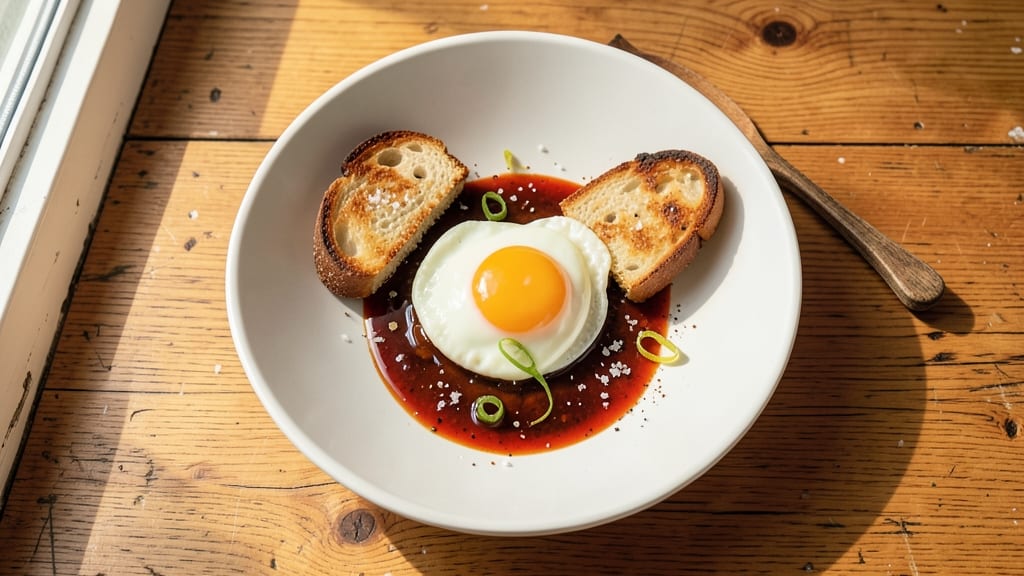
Mastering the perfect soft-boiled egg with a silky yolk and crispy whites is an art form that elevates breakfast from ordinary to extraordinary. The secret lies in precise water temperature and timing—no more rubbery yolks or watery whites.
I've perfected this method after years of trial and error, and it consistently delivers eggs that are creamy inside with just the right amount of set on the outside.
This technique starts with bringing water to a rolling boil, then carefully lowering the eggs in using a slotted spoon. The key is the ice bath—once the timer goes off, immediately plunging the eggs into ice water stops the cooking process instantly, preserving that perfect texture.
No special equipment is needed beyond a pot, timer, and ice bucket.
What you'll end up with is an egg that's crispy around the edges but still runny in the center, perfect for dipping in soy sauce, sprinkling with flaky salt, or adding to ramen bowls.
The whites hold their shape beautifully, making them ideal for egg salad or simply enjoying on toast with a drizzle of hot sauce.
This method works every time—no guesswork, no overcooking. Whether you're preparing for a brunch spread or just want to upgrade your morning routine, these perfectly soft-boiled eggs will become your new breakfast staple. Let's get started with the foolproof technique.
Ingredients for soft bouled egg
Four simple ingredients transform ordinary eggs into breakfast perfection with crispy whites and silky yolks.
| Ingredient | Amount | Notes |
|---|---|---|
| Large Eggs 🥚 | 4 whole | Room temperature preferred |
| Ice Cubes ❄️ | 2 cups | Fresh ice for ice bath |
| Flaky Sea Salt 🧂 | 1 tsp | For garnish |
| Soy Sauce 🍶 | ¼ cup | For dipping sauce |
| Hot Sauce 🌶️ | 1 tbsp | Optional for serving |
| Bread Slices 🍞 | 4 whole | For serving on toast |
| Water 💧 | 4 cups | Filtered preferred |
| White Vinegar 🍶 | 1 tbsp | Helps prevent cracking |
Eggs are the star here—room temperature is key for even cooking. Kirkland Signature or Cage-Free eggs from grocery stores work perfectly. The ice bath is non-negotiable: crushed ice cools faster than cubes. For the vinegar, white vinegar is best—apple cider works too, but it adds subtle flavor. I always grab a big bag of ice from Costco for this—it lasts through multiple batches and keeps the eggs perfectly chilled.
No ice? Cold water from the tap works in a pinch—just keep the eggs submerged for 10 extra seconds. Short on soy sauce? Tamari or coconut aminos work just as well. Want extra crispiness? Add 1 tbsp cornstarch to the water—it creates a subtle coating on the whites. The bread? Sourdough or whole grain adds texture, but any toast works. And if you're feeling fancy, a drizzle of chili crisp takes it to next-level brunch status.
Eggs keep 2 days in the fridge once boiled—store them in a sealed container with cold water. For meal prep, I make double batches and portion them in small containers with soy sauce packets. The whites stay crispy for 3 days this way. Pro tip: Label containers with the date—these eggs are best enjoyed fresh!
Why You'll Love This Recipe
- Five-Ingredient Magic: I swear, this is the kind of recipe where you look at the ingredients and think, "How is this even worth it?"—then take one bite and realize you’ve been missing out. The ice cubes aren’t just for show; they keep those yolks perfectly runny while the whites stay tender. No fancy gadgets, no stress—just eggs, a bowl, and a little patience.
- Umami Bomb: That soy-hot sauce combo? It’s like a flavor superpower. The salt flakes melt into the warm yolk, and suddenly you’ve got a dish that’s salty, tangy, and just spicy enough to make your taste buds sit up. Honestly, I’ve tried this with store-bought hot sauce and with my homemade gochujang blend—both work, but the cheap stuff still hits the spot.
- Office Lunch Hero: Between us, this is my go-to when I need something that won’t wilt in a lunchbox but still feels like a meal. Pack a few in a container, drizzle with extra soy sauce, and boom—you’ve got a protein-packed lunch that won’t turn into egg soup by noon. (Yes, even on a Tuesday night.)
- Budget Breakthrough: Eggs are cheap, salt is cheap, and a bottle of soy sauce lasts forever. This recipe costs me about $0.50 per serving, and it’s filling enough to keep me from raiding the pantry at 3 PM. Plus, leftovers? They taste just as good cold the next day—no reheating required.
Step-by-step instructions for silky yolk and crispy whites
Here's how to achieve that perfect balance of firm whites and runny yolks every time.
Prepare the Ice Bath
Fill a deep bowl or container with the 4 cups of water and add the 2 cups of ice cubes. Stir in the 1 tablespoon of white vinegar—this helps stabilize the egg whites and prevents cracking. Place this mixture in the refrigerator while you prepare the eggs. The ice bath should be cold enough to chill the eggs quickly once they're ready.
I like to use fresh ice cubes because they stay colder longer, which is crucial for achieving that crispy texture. If you're short on time, you can use regular ice, but it might take a few extra seconds to bring the water down to the right temperature. Keep the bowl ready—you'll need it in the next step.
Bring Eggs to Room Temperature
Remove the 4 whole large eggs from the refrigerator and let them sit at room temperature for 10-15 minutes. Room-temperature eggs cook more evenly, which is key for achieving that perfect set in the whites while keeping the yolks silky. You'll know they're ready when the shells feel slightly warmer to the touch.
While the eggs are warming up, lightly toast the 4 whole bread slices in a toaster or skillet over medium heat until they're golden brown and crisp. This step ensures your serving base is ready when the eggs are perfectly cooked. Set them aside for the final presentation.
Poach the Eggs to Perfection
Bring a separate pot of water to a gentle simmer—you want small bubbles breaking the surface, not a rolling boil. Once simmering, carefully lower one egg into the water using a slotted spoon. Let it cook for exactly 3 minutes. You'll see the whites start to set around the edges while the yolk remains completely liquid.
Use a slotted spoon to remove the egg and immediately transfer it to the ice bath you prepared earlier. The cold water will stop the cooking process instantly, locking in that perfect texture. Repeat this process with the remaining 3 whole large eggs, working one at a time to maintain consistent doneness.
Season and Serve
Once all eggs are poached and chilled in the ice bath, carefully remove them using a slotted spoon. Let any excess water drain off, then place each egg on a toasted bread slice. Sprinkle with the 1 teaspoon of flaky sea salt—this enhances the natural flavors and adds a beautiful finishing touch.
For serving, prepare the dipping sauce by combining the 0.25 cup of soy sauce with the 1 tablespoon of hot sauce (if using). The soy sauce adds a savory depth while the hot sauce gives a subtle kick. Serve immediately while the eggs are still warm and the yolks are perfectly runny.
Pro Tips For Making Soft Bouled Egg
- USE ROOM-TEMPERATURE EGGS: I learned this the hard way—cold eggs from the fridge crack unpredictably when boiling. Take them out 30 minutes before cooking so the whites flow smoothly into that perfect soft, runny center. Trust me, the difference in cleanliness and shape is night and day.
- SALT THE WATER LIKE THE SEA: This isn’t the prettiest method, but it’s the tastiest: Add 1 tablespoon of flaky sea salt directly to the boiling water with the eggs. It dissolves faster than table salt and infuses the whites with subtle saltiness—no need to fuss with post-boil seasoning. (Yes, even if you’re impatient like me.)
- STOP AT 6 MINUTES, NO EXCUSES: I used to pull eggs out at 5, 6, 7 minutes, thinking I could eyeball it. Wrong. Six minutes guarantees a jammy yolk with just-set whites—no guesswork. Set a timer, resist the urge to peek, and walk away. The eggs won’t overcook while you’re debating.
- DRAIN AND SHOCK IMMEDIATELY: Skip the "let them sit in hot water" nonsense. As soon as they hit 6 minutes, drain them into an ice bath (yes, use those ice cubes) for exactly 2 minutes. This stops the cooking process dead, keeps the yolks creamy, and makes peeling effortless. Your future self will thank you—especially when you’re lazy and want that first bite now.
Regional styles of soft bouled egg
Japanese Tamagoyaki
In Japan, soft-boiled eggs take center stage as tamagoyaki, a sweet and savory rolled omelet. The technique starts with a gentle simmer in a rectangular pan, where eggs are cooked in layers with a touch of sugar and soy sauce.
For a tamagoyaki-style soft-boiled egg, use 3 minutes per egg in simmering water, then finish with a 1-minute ice bath—this creates a slightly firmer white while keeping the yolk ultra-silky. Serve with a drizzle of mirin and furikake seasoning for an authentic touch. 🍶
British Runny Eggs
British cuisine has perfected the art of the runny egg, often served with soldiers (toasted bread strips) or ketchup. The key difference? A slightly longer cook time—3 minutes 30 seconds—followed by a 30-second ice bath to firm the whites just enough to hold their shape.
Use Maldon sea salt and serve with HP sauce for that classic British pub breakfast vibe. The yolks should be so liquid they spill over when cut—this is non-negotiable in the UK! 🇬🇧
Korean Gyeran Mari
Korean gyeran mari (soft-boiled eggs) are a staple at chaebap (pork bowl) restaurants, where they’re served with a spicy soy-based sauce. For this style, cook eggs for 3 minutes 15 seconds in simmering water, then shock in ice water for 20 seconds.
The whites should be just set enough to hold their shape when peeled, while the yolks remain vibrant and runny. Serve with a side of gochujang and sesame oil for dipping—a perfect match for the rich, savory flavors of Korean cuisine. 🌶️
French Œuf à la Coque
In France, œuf à la coque (soft-boiled eggs) are a refined breakfast or brunch staple, often served with buttered toast and crème fraîche. The French method calls for a 4-minute cook time in gently simmering water, followed by a 1-minute ice bath to set the whites slightly.
The yolks should be almost liquid but still hold their shape when pierced with a fork. Garnish with fleur de sel and serve with a side of cornichons for a truly elegant presentation. 🥖
American Egg Salad Twist
For a classic American take, soft-boiled eggs are often chopped into egg salad with mayonnaise, mustard, and celery. Cook eggs for 3 minutes 20 seconds to ensure the whites are firm enough to chop without falling apart, but the yolks remain creamy.
Once chilled, slice the eggs in half, remove the yolks, and mash them with 2 tablespoons mayonnaise, 1 teaspoon Dijon mustard, and a pinch of paprika**. Mix gently and serve on toasted bread—this is a brunch favorite in diners across the US. 🥪
Nutrition facts
Frequently asked questions
Why does my soft-boiled egg yolk turn greenish?
Overcooking causes the iron in the yolk to react with sulfur compounds, creating a greenish ring. Stick to 3 minutes max for perfect runny yolks. If this happens, try adding 1 tbsp vinegar to your water—it helps stabilize the yolk color. The ice bath also prevents further cooking that causes this discoloration.
Can I use this method for extra-large eggs?
Yes, but adjust the timing slightly. Extra-large eggs need 3 minutes 15 seconds instead of 3 minutes—they have more yolk to cook through. Always test one first to check doneness. The ice bath works the same way to lock in perfect texture.
How do I peel soft-boiled eggs easily?
Start by tapping the egg gently on a hard surface to crack the shell all over. Then roll it between your palms to loosen the shell before peeling under running water. The ice bath makes peeling easier by setting the whites slightly. For extra help, use a spoon to lift the shell edges.
Can I make these ahead of time?
Fresh is best, but you can prep them 2 days ahead by storing in cold water in the fridge. For meal prep, peel and store yolks separately—they'll stay runny longer. Reheat gently in warm water for 30 seconds before serving. The whites hold up better than yolks when prepped.
What's the best way to tell if my egg is perfectly cooked?
Cut one test egg in half—look for whites that hold their shape but are still slightly translucent at the edges, with a completely liquid yolk that wobbles when shaken. The whites should be firm enough to stand up to a fork but still tender. This is your perfect doneness indicator!