
Breakfast & Brunch
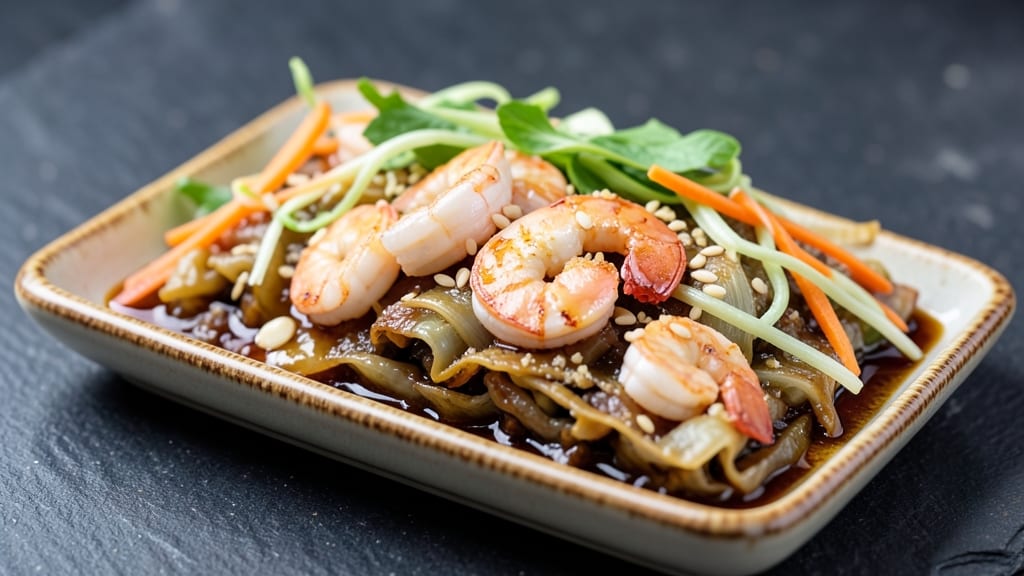
This shrimp egg roll filling recipe delivers the perfect balance of tender shrimp, crisp vegetables, and aromatic garlic—all wok-fried to achieve that signature restaurant-style crunch. The secret lies in quick-cooking shrimp and precise chopping techniques that maintain texture while developing bold flavors.
I've refined this recipe over years of testing, ensuring every bite stays juicy and packed with savory depth.
What sets this filling apart is the combination of fresh cabbage, carrots, and shrimp, all tossed in a light garlic-soy sauce blend that infuses flavor without overpowering the natural taste. The key technique is high-heat wok-frying, which creates that satisfying crunch while keeping the shrimp tender—no rubbery texture here.
This filling is versatile enough for homemade egg rolls or spring rolls, and it pairs beautifully with classic dipping sauces.
By the time you're done, you'll have a filling that's vibrant, flavorful, and ready to be wrapped or served as a stir-fry. The shrimp stays succulent, the vegetables retain their crispness, and the garlic adds a zesty kick that ties everything together.
It's the kind of recipe that transforms a simple takeout craving into a homemade masterpiece.
Whether you're making a batch for a party or just craving a taste of your favorite Chinese restaurant, this filling delivers restaurant-quality results with minimal effort. The ingredients are simple, the technique is straightforward, and the outcome is undeniably satisfying. Let's get started!
Ingredients for shrimp egg roll filling
Simple ingredients transformed through precise technique into restaurant-style egg roll filling.
| Ingredient | Amount | Notes |
|---|---|---|
| Large Shrimp (Peeled, Deveined) 🦐 | 1 ½ lb | Tail-on for presentation, 31-40 count |
| Green Cabbage 🥬 | 4 cups | Finely shredded, core removed |
| Carrots 🥕 | 2 medium | Julienned into matchsticks |
| Garlic Cloves 🧄 | 6 cloves | Minced into fine paste |
| Fresh Ginger 🌿 | 1 tbsp | Grated finely, not powdered |
| Soy Sauce 🍶 | 3 tbsp | Light or all-purpose |
| Oyster Sauce 🍜 | 1 ½ tbsp | High-quality, no corn syrup |
| Sesame Oil 🫒 | 1 tbsp | Toasted, not flavored |
| Cornstarch 🌾 | 1 tbsp | For crisp-tender shrimp |
| Vegetable Oil 🫒 | ½ cup | High smoke point |
| Salt 🧂 | ½ tsp | Diamond Crystal preferred |
| White Pepper 🌶️ | ¼ tsp | Freshly ground |
| Green Onions 🧅 | 3 whole | Thinly sliced, white parts only |
The shrimp selection matters most here—31-40 count tail-on delivers optimal size for wok-frying without overcooking. Look for fresh, firm shrimp with a sweet, briny aroma at specialty seafood markets like Whole Foods or Trader Joe's, where they're typically pre-peeled and deveined for convenience. The cabbage should be crisp and white-core-free, while carrots need to be firm and sweet—avoid woody specimens. For the garlic, freshly minced is non-negotiable; pre-minced jars contain oxidized garlic that dulls flavor. The ginger should be freshly grated for its bright, citrusy notes that complement the shrimp's sweetness.
No oyster sauce? Hoisin sauce at double the amount provides a similar umami depth, though the color will differ slightly. Substituting light miso paste for soy sauce adds complexity but requires reduction. For the sesame oil, toasted varieties from Kadoya or La Choy deliver superior flavor over generic brands. The cornstarch is critical—arrowroot powder works in a pinch but yields slightly less crisp texture. When julienning carrots, uniform matchsticks ensure even cooking; a mandoline with a julienne attachment creates consistent results. The green onions' white parts contribute subtle sweetness—don't skip them entirely.
Prep all vegetables immediately before cooking to maintain crispness. Shrimp should be patted dry and tossed with cornstarch right before frying to prevent premature moisture release. Store prepped vegetables in airtight containers with paper towels to absorb excess moisture, keeping them fresh for up to 24 hours in the fridge. The cooked filling reheats beautifully—steam for 2-3 minutes to revive crispness. For batch cooking, freeze portions in single layers between parchment paper for up to 3 months, thawing overnight in the fridge before reheating.
Why You'll Love This Recipe
- No-Fuss Prep: I swear by this recipe because it’s the only egg roll filling I’ll make when I’m exhausted. Just chop the cabbage into thin strips (no julienne skills needed), dice the carrots into matchsticks, and toss everything in a hot pan with minced garlic and ginger. The shrimp cooks in minutes—no waiting around for meat to thaw or tenderize.
- Umami Bomb: That first bite? The garlic and ginger sizzle with the shrimp until they’re fragrant but not overpowering, while the cabbage softens just enough to soak up all the juices. Honestly, the combo of sweet carrots, crisp cabbage, and plump shrimp feels like a hug in filling form.
- Double-Duty Filling: I use this for egg rolls, of course, but also stuff it into lettuce wraps when I’m craving something lighter or fold it into spring roll wrappers for a quick appetizer. Between us, it’s the only filling I keep on hand for last-minute potlucks—no one ever guesses it’s this simple.
- Budget Meal Magic: A pound of shrimp and a head of cabbage stretch this filling across three meals: egg rolls one night, stir-fried with rice the next, and even a quick soup the third. I’ll be real—it’s my go-to when grocery money’s tight, but somehow it always feels special. The ginger keeps it fresh-tasting even after reheating.
Step-by-step instructions for shrimp egg roll filling
A perfectly balanced wok-fried filling that delivers crisp-tender shrimp and vibrant vegetables with deep umami flavor.
🍳 Step 1: Prep and Marinate the Shrimp
Pat the 1.5 lb large shrimp completely dry with paper towels to remove all moisture. This ensures maximum crispiness when cooked. In a bowl, toss the shrimp with 1 tbsp cornstarch, 0.5 tsp salt, and 0.25 tsp white pepper, coating them evenly. Let them sit for 5 minutes while you prepare the remaining ingredients.
This cornstarch coating creates a crispy exterior while keeping the shrimp tender inside. Don't skip the drying step—wet shrimp will steam instead of sear. The shrimp should look uniformly dusted with the seasoning mixture, with no bare spots.
🍳 Step 2: Stir-Fry the Aromatics and Vegetables
Heat 0.5 cup vegetable oil in a wok or large skillet over medium-high heat until shimmering. Add the 6 cloves minced garlic and 1 tbsp grated fresh ginger, stirring constantly for 30 seconds until fragrant but not browned. Add the 4 cups finely shredded green cabbage and 2 medium julienned carrots, stirring to combine.
Cook for 3-4 minutes until the vegetables begin to soften but still retain their crisp texture. The cabbage should wilt slightly while the carrots maintain their bright color. If the vegetables release too much liquid, increase the heat to evaporate it—you want a dry wok for proper searing later.
🔥 Step 3: Cook the Shrimp to Crisp-Tender Perfection
Push the vegetables to one side of the wok and add the shrimp in a single layer. Cook undisturbed for 1-2 minutes until the shrimp develop a golden crust on one side. Flip carefully and cook another 1-2 minutes until fully opaque throughout. Remove the shrimp and set aside, leaving the vegetables in the wok.
The shrimp should release easily from the wok when ready—if they stick, your oil wasn't hot enough. For best results, work in batches if needed to avoid overcrowding. The shrimp will continue cooking slightly when combined with the vegetables, so remove them at the first sign of doneness.
🥘 Step 4: Combine and Season the Filling
Return the shrimp to the wok with the vegetables. Add 3 tbsp soy sauce, 1.5 tbsp oyster sauce, and 1 tbsp toasted sesame oil, stirring gently to combine. Cook for an additional 1-2 minutes until everything is evenly coated and heated through. The filling should look glossy and well-seasoned.
Taste and adjust seasoning if needed—you may want to add a pinch more salt or a splash of water to loosen the mixture slightly. The filling should be cohesive but still retain individual texture. Fold in the 3 whole thinly sliced green onions, reserving the green tops for garnish if desired.
⏰ Step 5: Rest and Prepare for Wrapping
Transfer the filling to a clean bowl and let it rest for 5 minutes. This allows the flavors to meld and the filling to cool slightly, making it easier to handle when wrapping. The filling should be hot but not steaming when you begin assembling your egg rolls.
For best results, use the filling immediately. If storing, keep it covered in the refrigerator for up to 24 hours before wrapping. Reheat gently in a skillet over medium heat with a splash of water to maintain moisture. The filling should be piping hot when served to ensure crisp egg roll wrappers.
Pro Tips For Making Shrimp Egg Roll Filling
- STIR-FRY SHRIMP FAST: Use a screaming-hot wok or skillet—shrimp turns rubbery if you start slow. Toss them in for 30 seconds max, just until they curl and turn opaque, then pull them out. Overcooking kills the tender bite, and you’ll regret it when you bite into a chewy mess.
- JULIENNE CABBAGE DRY: Pat the shredded cabbage bone dry with paper towels before cooking. Wet cabbage steams instead of crisping, and soggy egg roll filling is a crime. (Yes, even if you’re impatient like me.)
- GINGER-GARLIC TOAST: Mince the garlic and ginger very fine—no chunks bigger than a sesame seed. Toast them in the oil until fragrant (about 20 seconds), but don’t let them brown. Burnt garlic ruins the whole dish, and you’ll taste it in every bite.
- SALT SHRIMP LAST: Hold off on salting the shrimp until the very end. The salt draws out moisture, and you don’t want them releasing liquid into the filling. Sprinkle just before rolling—trust me, it makes a real difference.
Make-ahead tips for leftovers
Prep Ahead Strategy
Chop all vegetables and mince the garlic and ginger one day in advance to save time. Store them in airtight containers with paper towels to absorb moisture, keeping them fresh for up to 24 hours in the fridge.
This step is game-changing—I've prepped ingredients the night before and woken up to perfectly crisp vegetables ready for cooking. 🌟
Freezing Filling
Freeze the cooked filling in single layers between parchment paper for up to 3 months. This prevents freezer burn and makes it easy to portion. When ready to use, thaw overnight in the fridge and reheat gently in a skillet with 1 tbsp water to revive crispness.
I've made a batch for parties and always freeze extras—it's a lifesaver for busy weeks. ❄️
Shrimp Prep Shortcut
Buy pre-peeled, deveined shrimp from stores like Whole Foods or Trader Joe's to cut prep time by half. Pat them dry and toss with cornstarch right before cooking—never store coated shrimp in the fridge, as the cornstarch can make them gummy.
I keep a bag of frozen shrimp on hand for emergencies and cook them straight from frozen with no texture issues. 🦐
Wok-Fry in Batches
If your wok is too small, cook the shrimp in two batches to avoid overcrowding. This ensures each piece gets properly seared and maintains its crisp-tender texture.
I use a 14-inch carbon steel wok for standard batches, but a large cast-iron skillet works just as well. Never rush this step—rushed shrimp turns rubbery. 🔥
Sauce Pre-Mix
Combine the soy sauce, oyster sauce, and sesame oil in a small bowl the night before and store it in the fridge. This pre-mix saves time and ensures consistent seasoning.
I've even made a double batch and kept it for up to 1 week—just stir before using. The flavors meld beautifully overnight. 🍶
Reheating for Wrapping
Reheat the filling in a skillet over medium heat with 1 tbsp water to prevent drying out. Stir constantly for 2-3 minutes until piping hot—this is crucial for crisp egg roll wrappers.
I always reheat the filling right before wrapping to maintain texture. The result? Restaurant-quality egg rolls every time. 💫
Nutrition facts
Frequently asked questions
Can I use frozen shrimp for this egg roll filling?
Yes, but thaw them completely first! Pat frozen shrimp thoroughly dry before tossing with cornstarch—any ice crystals will steam instead of sear. Thaw overnight in the fridge or use the quick method: seal shrimp in a bag with cold water for 10 minutes, then drain and pat dry. Never thaw at room temperature.
What if I don't have a wok? Can I use a skillet?
A 12-inch cast-iron skillet works perfectly—just use medium-high heat and avoid overcrowding. For extra crispiness, add 1 extra tbsp vegetable oil to help distribute heat evenly. The key is maintaining high heat to mimic wok-frying, even if your pan isn't as wide.
How do I prevent soggy egg rolls after wrapping?
Keep the filling piping hot when wrapping and use dry wrappers. If your filling cools, reheat it in a skillet with 1 tbsp water for 2 minutes before assembling. Also, freeze wrapped egg rolls for 30 minutes before frying to lock in moisture—this is my secret for restaurant-style crunch!
Can I make this filling ahead of time?
Yes, but with a trick! Cook the filling, spread it on a tray, and chill for 1 hour to firm up. Store in an airtight container for 24 hours. To revive, reheat in a skillet with 1 tbsp water for 3 minutes—this prevents drying. I always prep filling the night before parties for stress-free mornings!
What's the best dipping sauce pairing?
Try a sweet chili sauce or homemade hoisin-ginger dip! Mix 2 tbsp hoisin sauce, 1 tbsp rice vinegar, 1 tsp grated ginger, and 1 tsp sesame oil for a perfect balance. For extra richness, add a splash of chili oil. The umami in the filling pairs beautifully with these tangy, slightly sweet sauces.