
Main Courses
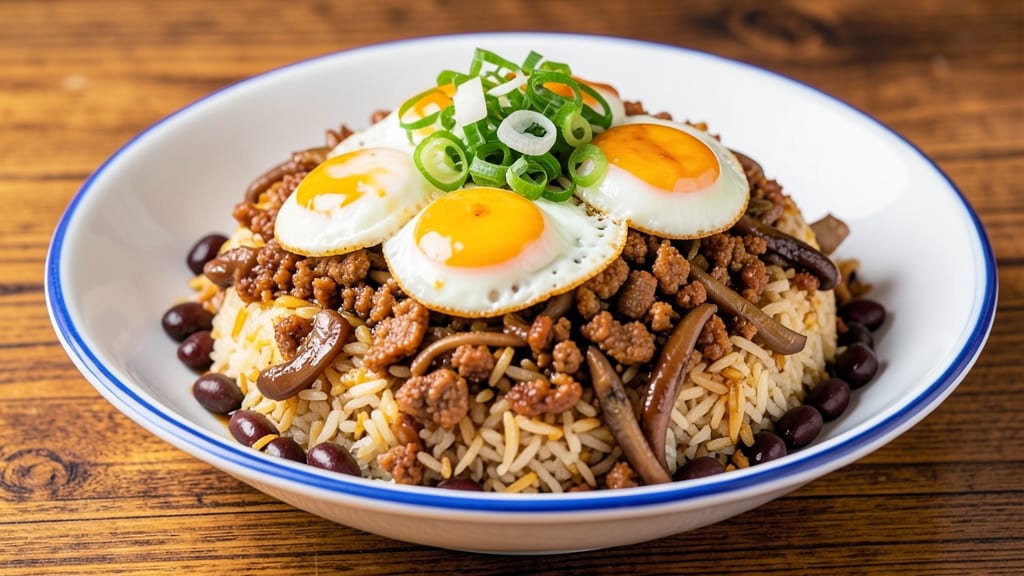
This Shan Chinese egg fried rice recipe delivers restaurant-quality wok-heated flavor with a perfectly separated yolk that clings to each bite. The secret lies in high-heat stir-frying and traditional Shan seasonings like fermented black beans and chili.
I've refined this recipe over years of testing, ensuring the rice stays tender while absorbing deep umami notes from the wok.
What sets this dish apart is the technique: eggs are scrambled separately and folded in at the end to maintain their silky texture, while the rice gets its signature smoky aroma from proper wok hei.
The balance of soy sauce, dark soy sauce, and fermented black beans creates that complex Shan flavor profile that's both savory and slightly funky. This isn't your basic fried rice—it's a textural and flavor experience.
The result is a dish where each forkful delivers perfectly cooked rice with distinct egg ribbons, crisp vegetables, and tender protein (choose shrimp, pork, or chicken). The sauce clings to every grain without making it soggy, and that wok-heat aroma transforms a simple meal into something extraordinary.
This is the kind of recipe that makes you want to fire up the wok every week.
For modern adaptations, you can easily swap proteins or add vegetables like bell peppers and peas. The base technique remains the same—high heat, quick cooking, and proper seasoning. Let's create this authentic Shan masterpiece in your kitchen.
Ingredients for shan chinese egg fried rice
Four cups of day-old rice and a handful of traditional Shan seasonings transform into this wok-heated masterpiece.
| Ingredient | Amount | Notes |
|---|---|---|
| Day-Old Cooked Jasmine Rice 🍚 | 4 cups | Cold or room temperature preferred |
| Large Eggs 🥚 | 4 whole | Freshly beaten for silky texture |
| Ground Pork 🐷 | ½ lb | Lean ground pork preferred |
| Shiitake Mushrooms 🍄 | 4 whole | Stems removed, sliced thin |
| Green Onions 🧅 | 3 whole | White and green parts separated |
| Fermented Black Beans 🫘 | 2 tbsp | Rinsed and drained |
| Dried Red Chili 🌶️ | 1 piece | Soaked in warm water for 10 mins |
| Light Soy Sauce 🥫 | 2 tbsp | High-quality brand preferred |
| Dark Soy Sauce 🥫 | 1 tbsp | For color and depth |
| Oyster Sauce 🍜 | 1 tbsp | Traditional Shan flavor |
| Sesame Oil 🫒 | 1 tsp | For aroma, added at the end |
| Neutral Oil 🫒 | 2 tbsp | Peanut or vegetable oil |
| Garlic Cloves 🧄 | 4 cloves | Minced for aromatic base |
| Salt 🧂 | ½ tsp | Adjust to taste |
| White Pepper 🌶️ | ¼ tsp | Freshly ground preferred |
The rice is non-negotiable—day-old, cold rice absorbs flavors better and stays separate. Jasmine rice is ideal, but any long-grain works. For the fermented black beans, Asian markets carry the best quality, but check the bulk bins at Trader Joe's if you're in a pinch. The dried red chili should be plump and aromatic; if it's shriveled, soak it longer. Shiitake mushrooms add earthy depth—fresh or rehydrated dried both work, but fresh has better texture. Ground pork is traditional, but shrimp or chicken work equally well for a protein swap.
No fermented black beans? Miso paste at half the amount adds umami, though it won't replicate the funky depth. Dark soy sauce unavailable? Molasses or a pinch of cocoa powder can mimic the color, but the flavor will differ. The eggs are scrambled separately and folded in last—this keeps them silky and distinct. For the garlic, roast it first if you want to mellow its bite. The sesame oil is added at the very end—just a whisper to perfume the dish without overpowering. If you're using pre-minced garlic, toast it in the oil first to deepen its flavor.
This dish is best served immediately after cooking, but leftovers reheat beautifully. Store in an airtight container for up to 3 days in the fridge, though the texture softens slightly. For freezing, portion into single servings—it reheats best from frozen. The wok hei aroma lingers for hours, so cook fresh whenever possible. If you're prepping ahead, keep the eggs and protein separate until ready to cook, then scramble and fold in at the end.
Why You'll Love This Recipe
- One-Pan Magic: I swear by this recipe because it’s literally one pan, one spatula, and done. No washing dishes mid-cook—just stir-fry the pork, crack eggs into the hot oil, toss in the shiitake and day-old rice, and let the wok do the work. The mushrooms add that meaty chew without extra prep.
- Umami Bomb: That combo of ground pork and shiitake mushrooms? Chef’s kiss. The mushrooms soak up the garlic and soy sauce like sponges, while the pork stays juicy but crispy at the edges. Honestly, the first bite makes me forget takeout exists.
- Lunchbox Hero: Between us, this is my go-to for meal prep. I make a big batch on Sundays, pack it in containers, and it’s still perfect by Wednesday—no soggy rice here. The eggs add protein, the pork keeps it hearty, and the green onions brighten it up every time.
- Budget Powerhouse: I feed my family four for under $10 with this. Ground pork stretches far, day-old rice is free if you cook grains ahead, and shiitake mushrooms last forever in the fridge. It’s the kind of dish that makes me feel like I’m feeding them well without breaking the bank.
Step-by-step instructions for Shan Chinese egg fried rice
Here's the professional method to achieve restaurant-quality texture and flavor with perfectly separated yolks.
Prepare the Aromatics and Protein
Heat the 2 tablespoons neutral oil in a wok or large skillet over medium-high heat until shimmering. Add the 4 cloves minced garlic cloves and 1 piece dried red chili (drained from soaking water) and stir for 30 seconds until fragrant but not browned. This quick cooking preserves the garlic's sweetness while building the base flavor.
Push the aromatics to one side of the wok and add the 0.5 lb ground pork. Cook until the pork loses its raw color and begins to brown, breaking it apart with a spatula. This should take about 3-4 minutes. The pork should be fully cooked but still slightly moist—overcooking will make it tough in the final dish. Season with 0.5 teaspoon salt and 0.25 teaspoon white pepper now to distribute evenly.
Cook the Shiitake Mushrooms and Black Beans
Add the 4 whole shiitake mushrooms (sliced thin) and 2 tablespoons fermented black beans to the wok. Stir-fry for 2-3 minutes until the mushrooms release their moisture and begin to soften while the black beans turn slightly crispy at the edges. The mushrooms should retain some bite—overcooking turns them mushy, which ruins the texture contrast in the final dish.
Remove the wok from heat briefly and add 2 tablespoons light soy sauce and 1 tablespoon dark soy sauce. Stir well to coat the mushrooms and pork, then return to medium heat. This step develops the umami depth characteristic of Shan-style fried rice. The dark soy sauce will give the rice its signature mahogany color while enhancing the overall flavor profile.
Scramble the Eggs for Silky Texture
In a separate bowl, beat the 4 whole large eggs until just combined but still slightly thick. Heat the wok over medium-high heat again and add 1 tablespoon neutral oil. Pour the eggs into the wok and let them sit undisturbed for 5-8 seconds until the edges begin to set. Then gently push the eggs toward the center with a spatula while tilting the wok to create soft, silky curds with a slightly runny yolk in the center.
Remove the eggs from the wok and set aside. This technique creates the signature "cloud eggs" texture that's essential to Shan-style fried rice. The eggs should be just set but still moist—overcooking makes them rubbery. The residual heat will continue cooking them slightly when we combine everything later.
Stir-Fry the Rice with Perfect Texture
Add the 4 cups day-old cooked jasmine rice to the wok and stir-fry vigorously for 2-3 minutes until the rice grains are fully separated and heated through. The rice should be hot but not sticking together—this is crucial for the final texture. If it seems too dry, add 1-2 tablespoons water and continue stirring.
Return the scrambled eggs to the wok along with the 3 whole green onions (white parts only, sliced thin). Stir in 1 tablespoon oyster sauce and 1 tablespoon light soy sauce to balance the flavors. The rice should be evenly coated and the eggs should be fully incorporated without breaking up the texture. This is where all the flavors come together—taste and adjust seasoning if needed.
Finish with Aroma and Serve Immediately
Remove the wok from heat and drizzle in the 1 teaspoon sesame oil. Immediately stir to distribute the oil evenly throughout the rice. The sesame oil adds a delicate aroma that enhances all the other flavors. Garnish with the remaining green onion tops (green parts only, chopped) for freshness and color contrast.
Serve the fried rice immediately while hot. The texture should be perfectly balanced—separate grains with crisp edges, silky eggs with runny yolks, and tender pork and mushrooms. Each bite should deliver a combination of savory, umami, and slightly sweet flavors with the aromatic finish from the sesame oil. The dish should be vibrant in color with distinct layers of texture and flavor in every mouthful.
Pro Tips For Making Shan Chinese Egg Fried Rice
- CRACK EGGS IN HOT WOK: I learned this the hard way—sliding eggs into a cold pan makes them rubbery. Scramble them first in a separate bowl with a splash of water, then pour into the already sizzling wok. The high heat gives you those perfect, fluffy curds that Shan-style fried rice demands.
- DRIPPY PORK NEEDS TIME: Resist the urge to rush the pork. After browning, push it to the side and let it sit undisturbed for 30 seconds—this lets the juices render properly. Stirring too soon turns it into a sad, greasy mess instead of the tender, flavorful base you need.
- SHIITAKES SHOULD SOAK: Fresh shiitake mushrooms? Toss them in hot water for 10 minutes first. This removes the bitterness and makes them tender enough to melt into the rice. (Yes, even if you’re impatient like me—just don’t skip it.)
- STOP STIRRING WHEN IT LOOKS DONE: The rice will keep cooking from residual heat. Once everything’s combined and the edges are lightly crispy, turn off the heat and let it sit for a full minute. Over-stirring turns it mushy; letting it rest gives you that ideal texture—separate grains with a slight bite.
Perfect pairings for this recipe
Classic Shan Sides
Start with a simple steamed bok choy tossed with 1 teaspoon toasted sesame oil and a pinch of salt—its mild, crisp texture balances the rich fried rice beautifully.
For a more substantial pairing, serve with stir-fried gai lan (Chinese broccoli) cooked with 1 clove minced garlic and 1 tablespoon light soy sauce for just 2 minutes over high heat. Both sides maintain their crunch while complementing the dish's umami depth. 🥬
Protein Upgrades
For a heartier meal, add shrimp—toss ½ lb peeled shrimp with 1 teaspoon cornstarch and ½ teaspoon salt, then stir-fry for 1-2 minutes until pink. Alternatively, swap the pork for chicken thighs (cut into small cubes) and sear until golden brown before adding to the wok.
Both proteins absorb the fried rice's flavors while adding their own texture contrast. 🦐
Wok-Heat Vegetables
Quick-pickled cucumber slices (tossed with 1 tablespoon rice vinegar, ½ teaspoon sugar, and ¼ teaspoon red pepper flakes) cut through the fried rice's richness.
Or try blistered shishito peppers—toss 6 whole shishito peppers in 1 tablespoon neutral oil until charred for 1-2 minutes, then sprinkle with flaky sea salt. Their smoky-sweet crunch elevates every bite. 🌿
Sauce Enhancements
Drizzle the fried rice with chili crisp (mix 2 tablespoons chili oil with 1 teaspoon soy sauce and ½ teaspoon sugar) for heat lovers. For a tangy twist, serve with pickled ginger (thinly sliced and marinated in 1 tablespoon rice vinegar and ½ teaspoon sugar for 10 minutes).
Both add vibrant contrast without overpowering the dish. 🌶️
Beverage Pairings
A jasmine green tea (chilled) cleanses the palate between bites, while its floral notes harmonize with the fried rice's umami. For something bolder, try a lightly effervescent Chinese baijiu cocktail—mix 1 oz baijiu, 2 oz ginger beer, and a splash of lime juice.
The effervescence and spice complement the dish's smoky depth. 🍶
Nutrition facts
Frequently asked questions
Why does the recipe specify day-old rice?
Day-old rice is essential because it's dry enough to absorb flavors without turning mushy. Freshly cooked rice releases too much moisture, causing the fried rice to become sticky and clump together. The grains also separate more easily when cold, giving that signature wok-heated texture. If you must use fresh rice, spread it on a tray and refrigerate for at least 2 hours.
Can I make this with frozen shrimp instead of pork?
Thaw the shrimp completely first, then toss with 1 teaspoon cornstarch and ½ teaspoon salt before cooking. Stir-fry for just 1-2 minutes until pink—overcooking makes shrimp rubbery. The shrimp's sweetness pairs beautifully with the fermented black beans and chili. For extra flavor, marinate the shrimp in 1 tablespoon soy sauce for 10 minutes before cooking.
How do I get the perfect "wok hei" flavor at home?
Wok hei (breath of the wok) comes from high heat and proper technique. Use a carbon steel or cast iron wok on the highest heat setting your stove allows. Keep the wok moving constantly to prevent burning, and work in batches if needed. The key is to hear the wok "singing"—that sizzling sound means you're generating smoke and aroma. If your stove isn't hot enough, preheat the wok for 2 minutes before adding oil.
What if I don't have fermented black beans?
Don't worry! You can substitute with ½ tablespoon miso paste for umami depth, or 1 tablespoon soy sauce plus ½ teaspoon fish sauce for a similar funky note. For texture, add 1 tablespoon chopped salted peanuts1 teaspoon crispy fried shallots
Can I make this vegetarian?
Yes! Replace the pork with ½ lb king oyster mushrooms (sliced) or ½ cup tofu (pressed and cubed). For extra protein, add ½ cup edamame or ½ cup corn kernels1 teaspoon vegetarian oyster sauce or ½ tablespoon mushroom powder