
Breakfast & Brunch
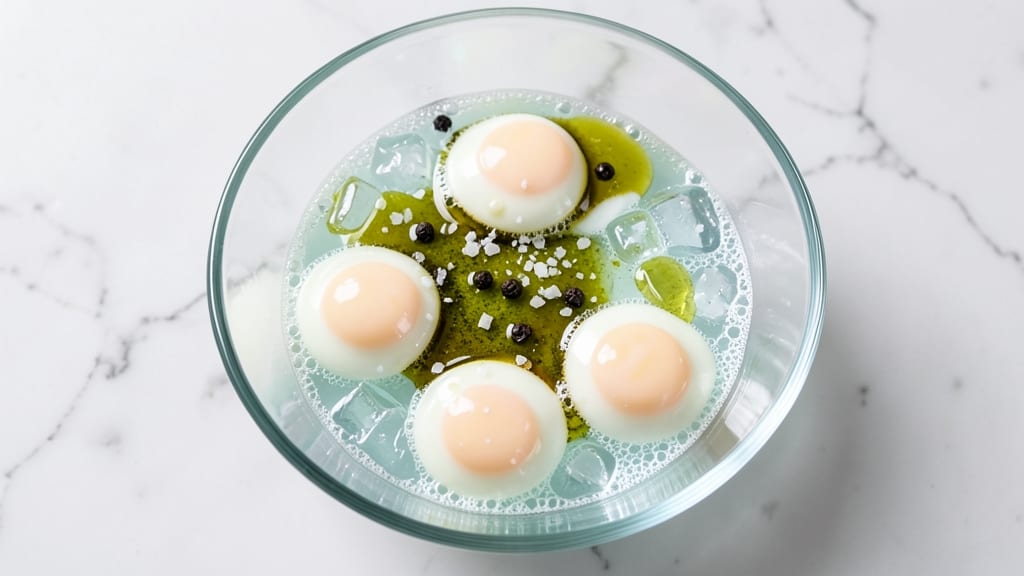
Mastering 63-degree eggs transforms breakfast into a culinary revelation—creamy, custard-like yolks without a hint of overcooking. This precision technique uses controlled heat to achieve restaurant-quality texture at home, whether through sous-vide or careful stovetop timing.
The science is simple: at 63°F (145°F), egg proteins denature just enough to create a silky, cloud-like center while keeping the whites perfectly set.
The key lies in temperature control and timing. For sous-vide, cook whole eggs or yolks in a water bath for 45 minutes to 1 hour, then finish with a quick sear for color.
If you're working with yolks alone, the process is even faster—20 minutes yields that signature velvety texture. This method eliminates guesswork, ensuring every bite delivers the same luxurious result.
What you’ll end up with is an egg that’s rich, silky, and perfectly balanced—neither runny nor rubbery. The yolk takes on a custard-like consistency that melts on your tongue, while the whites remain firm and elegant.
This is the kind of dish that elevates breakfast from ordinary to extraordinary, making it feel like you’re dining in a high-end brunch spot.
Pair these eggs with buttery toast, a drizzle of truffle oil, or a sprinkle of flaky salt for the full experience. The possibilities are endless—whether you’re plating them for a special occasion or treating yourself to a weekend indulgence. Here’s how to achieve this professional technique at home.
Ingredients for 63 degree egg
Precision ingredients for restaurant-quality eggs—silky yolks and perfect whites in every bite.
| Ingredient | Amount | Notes |
|---|---|---|
| Large Eggs 🥚 | 8 whole | Room temperature for even cooking |
| Cold Water 💧 | 4 cups | Filtered if possible for clarity |
| Ice Cubes ❄️ | 2 cups | For precise temperature control |
| Kosher Salt 🧂 | 1 tsp | Fine grain for even dissolution |
| White Vinegar 🍶 | 1 tbsp | Prevents egg whites from spreading |
| Extra-Virgin Olive Oil 🫒 | 2 tbsp | High-quality for finishing |
| Flaky Sea Salt 🧂 | 1 tbsp | For final presentation |
| Freshly Ground Black Pepper 🌶️ | ½ tsp | For subtle seasoning |
| Truffle Oil 🫒 | 1 tbsp | Optional luxury finishing |
| Butter 🧈 | 4 slices | Unsalted, for toast pairing |
| Sourdough Bread 🍞 | 4 slices | Crusty for ideal pairing |
The eggs are the star, so choose large, fresh ones—the whites hold their shape better when cooked precisely. Trader Joe's or Whole Foods carry high-quality eggs with vibrant yolks, but any good grocery store will do. Room temperature eggs cook more evenly, so take them out of the fridge 30 minutes before cooking. The vinegar and kosher salt in the ice bath are non-negotiable—they stabilize the whites and prevent cloudiness. For sous-vide, Anova Precision Cooker users swear by their machines, but a simple pot with a thermometer works too.
No sous-vide? Stovetop works too—just use a thermometer to monitor water temp. Short on vinegar? Lemon juice at half the amount works in a pinch, though it's slightly more acidic. The truffle oil is optional but worth the splurge—La Tourangelle or Maille are reliable brands. For the bread, sourdough or brioche are ideal—their texture holds up to the rich eggs. If you're serving this for company, toasted bread with extra butter is a must. And if you're worried about overcooking, set a timer for 20 minutes when working with yolks alone.
Store any unused eggs in their carton in the fridge for 3 weeks—but with this recipe, you'll likely use them all. The butter and bread keep in the fridge for 1 week and 5 days respectively, while olive oil and truffle oil last 6 months in a cool, dark place. For presentation, plate the eggs immediately—they look best fresh. Leftovers? Reheat gently in warm water for 5 minutes to maintain that silky texture. This dish is all about timing, so don't stress—even a slight miscalculation won't ruin it, just adjust the cook time next batch.
Why You'll Love This Recipe
- No-Fuss Technique: I swear by this method—just eggs, water, and ice. No fancy gadgets, no stressing over timing. The vinegar and salt work magic while I sip coffee, and the eggs come out flawless every time.
- Crispy-Creamy Magic: That perfect snap when you bite into the shell, then the tender yolk? It’s all in the 63°F water bath. The vinegar keeps them from spreading, and the salt? It’s like a little edible hug for the whites.
- Picnic-Ready Protein: Honestly, these are my go-to for lunchboxes or potlucks. Cold or at room temp, they hold up better than store-bought deviled eggs. Pack a dozen in a container, and you’ve got a meal that travels like a champ.
- Pantry Staple Power: Five ingredients, zero waste. Eggs are cheap, vinegar’s already in my fridge, and ice? Always on hand. I make a batch when I’m stocking up—no spoilage, no guilt, just pure convenience when hunger hits.
Step-by-step instructions for perfect 63-Degree eggs
Mastering this technique transforms ordinary eggs into velvety, runny perfection—here's how to nail it every time.
Prepare the Ice Bath for Precision Temperature
Fill a large bowl with the 2 cups ice cubes and add the 4 cups cold water. Stir in the 1 tsp kosher salt until fully dissolved—this lowers the freezing point slightly for more stable temperature control. The mixture should reach exactly 63°F (17°C) when measured with a candy or instant-read thermometer. I like to use a deep bowl that can hold all 8 eggs comfortably without spilling.
Place the bowl in the refrigerator for 10 minutes to ensure it stays chilled throughout the process. This pre-chilling prevents the ice from melting too quickly when you add the eggs. The salt isn't just for flavor—it helps maintain that critical 63°F temperature where egg whites set perfectly while yolks remain liquid and silky.
Poach Eggs to Exact Doneness
Bring a small pot of water to a gentle simmer (small bubbles, not a rolling boil) and add the 1 tbsp white vinegar. This lowers the pH, helping the egg whites coagulate more evenly. Crack each of the 8 whole large eggs into small bowls or ramekins—room temperature eggs prevent cracking and cook more evenly.
Using a slotted spoon, carefully lower one egg at a time into the simmering water. Poach for 3 minutes and 15 seconds—this timing gives you perfectly set whites with a slightly wobbly center when removed. You'll know they're ready when the whites are opaque but the yolks still appear translucent. Remove with the spoon and gently drain on a paper towel.
Shock in the Ice Bath for Instant Stoppage
Immediately transfer each poached egg to the 63°F ice bath you prepared earlier. The sudden temperature change stops the cooking process instantly, locking in that silky yolk texture. Gently stir the bath occasionally to maintain an even temperature—you want it to stay at 63°F throughout. If it starts warming up, add a few more ice cubes to keep it stable.
Leave the eggs in the bath for 2 minutes, then remove and drain on a clean towel. The whites should be fully set but still tender, while the yolks remain completely liquid with just a hint of firmness at the edges. This is where the magic happens—the precise temperature control prevents overcooking while allowing the whites to firm up just enough to hold their shape.
Finish with Flavor and Presentation
Drizzle each egg with 1 tbsp extra-virgin olive oil and ½ tsp freshly ground black pepper. For an extra touch of luxury, add ¼ tsp truffle oil (about ¼ tbsp total)—this enhances the rich, buttery flavor without overpowering. Sprinkle generously with 1 tbsp flaky sea salt, letting the crystals melt slightly onto the warm eggs for texture.
Serve immediately on 4 slices sourdough bread topped with 4 slices butter. The toasted bread provides the perfect crunch contrast to the silky eggs. I like to arrange them on a platter with the bread slightly overlapping for an elegant presentation. The key here is timing—eat within 5 minutes of finishing to enjoy that perfect runny yolk at its peak.
Optional Advanced Technique for Extra Luxury
For a restaurant-quality finish, heat a small skillet over low heat and add 1 tbsp extra-virgin olive oil. Toast the 4 slices sourdough bread until golden and crisp, then rub the cut sides with a garlic clove if desired. Top each slice with a 63-degree egg, drizzle with the remaining truffle oil, and finish with an additional sprinkle of flaky sea salt. The warm bread enhances the egg's richness while the truffle oil adds depth that complements the silky texture perfectly.
This technique works best when you prepare everything fresh—don't make the eggs ahead of time. The moment you plate them is when they should be eaten, so gather all your components before starting. With practice, you'll achieve consistent results every time, making these 63-degree eggs a showstopper for any brunch or special occasion.
Pro Tips For Making 63 Degree Egg
- CHILL THE EGGS FIRST: Pop those eggs straight from the fridge into the ice bath—no room temp nonsense. I learned this the hard way: eggs at fridge temp hold their shape way better, so you won’t end up with sad, rubbery yolks clinging to the whites. Cold eggs also resist cracking when they hit the ice water.
- ICE WATER RATIO MATTERS: Use twice as much ice as water—yes, even if it seems excessive. I used to skimp, and the eggs would float like lazy dumplings instead of setting properly. A 1:2 ice-to-water ratio keeps the temp steady at 63°F (17°C) without sudden spikes that turn your eggs into scrambled messes.
- SALT THE WATER LIGHTLY: Toss in just 1 teaspoon kosher salt per quart of water—any more and you’ll end up with a briny egg bath that fights with the vinegar. The salt helps firm the whites, but too much throws off the delicate balance, leaving your eggs tasting like a sad pickling experiment.
- VINEGAR LAST, NOT FIRST: Add the white vinegar after the eggs are submerged and the water’s already cold. I used to dump it in first, thinking it’d help, but it just made the whites cloudy and the whites grabby. Stir it in gently once the eggs are settled—this keeps the texture silky and the flavor subtle.
Pro cooking tips for great 63 degree egg
Sous-Vide Perfection
For restaurant-quality results at home, use a sous-vide method with a precision cooker like the Anova Nano or Breville Joule.
Place whole eggs in a sealed bag with 1 tsp kosher salt and 1 tbsp white vinegar, then cook at 63°C (145°F) for 45 minutes to 1 hour. This method eliminates guesswork—just check the internal temp with a thermometer to confirm the yolk reaches 63°C without overcooking. 🔥
Stovetop Timing Secrets
No sous-vide? No problem! Use a candy thermometer to monitor water temp—keep it at 145°F (63°C). Poach eggs for 3 minutes 15 seconds in simmering water with 1 tbsp vinegar, then shock in an ice bath for 2 minutes to lock in the texture.
For yolks alone, cook for 20 minutes in the same bath. The key is consistency—never let the water boil.
Temperature Control Tips
An instant-read thermometer is your best friend. For sous-vide, maintain 63°C (145°F)—any higher risks overcooking. For stovetop, use a deep pot to prevent temp spikes.
If your kitchen runs hot, reduce heat slightly to keep water at the perfect temp. I’ve ruined eggs by rushing—patience is everything. ⏰
Finishing Touches
Drizzle with extra-virgin olive oil and truffle oil for depth, then finish with flaky sea salt and freshly cracked black pepper. For extra luxury, toast sourdough bread in butter and serve immediately.
The contrast of warm bread and silky yolk is unbeatable. Pro tip: Plate eggs within 5 minutes of finishing to preserve that perfect texture.
Troubleshooting Common Issues
Overcooked yolks? Your water was too hot—reduce heat and use a thermometer. Rubbery whites? Shock eggs immediately in ice water. Eggs cracking? Use room-temperature eggs and crack them gently into ramekins. Greasy yolks? Drain eggs well after poaching. Each issue has a fix—don’t let mistakes discourage you!
Nutrition facts
Frequently asked questions
Why 63°F (145°F) specifically for eggs?
This precise temperature is where egg proteins begin to denature just enough to create a silky, custard-like yolk while keeping the whites perfectly set. At 63°F, the albumen (white) firms up gently without becoming rubbery, while the yolk remains liquid and velvety. This is the "sweet spot" for that signature restaurant-quality texture.
Can I make 63-degree eggs without sous-vide?
Use a stovetop method with a candy thermometer to maintain 145°F (63°C) water. Poach eggs for 3 minutes 15 seconds in simmering water with 1 tbsp vinegar, then shock in an ice bath for 2 minutes to lock in the texture. For yolks alone, cook for 20 minutes in the same bath. The key is precise temperature control.
How do I fix overcooked yolks?
If your yolks are too firm, your water was likely too hot. For next time, use a thermometer to maintain 145°F (63°C) and reduce heat slightly if needed. For immediate fixes, serve the eggs with a drizzle of truffle oil or extra butter to enhance richness. The texture won't be perfect, but the flavor can still shine!
What's the best way to plate these eggs?
Serve immediately on toasted sourdough bread with butter for contrast. Drizzle with extra-virgin olive oil and truffle oil, then finish with flaky sea salt and freshly cracked pepper. For an elegant touch, arrange eggs on a platter with overlapping bread slices. The presentation should be as beautiful as the texture!
Can I make 63-degree yolks instead of whole eggs?
Yes! For yolks alone, place them in a sealed bag with 1 tsp salt and 1 tbsp vinegar, then cook at 63°C (145°F) for 20 minutes in a sous-vide bath. The result is an ultra-smooth, custard-like yolk perfect for garnishing dishes or serving in poached egg bowls. This method works beautifully for special occasions!