
Desserts
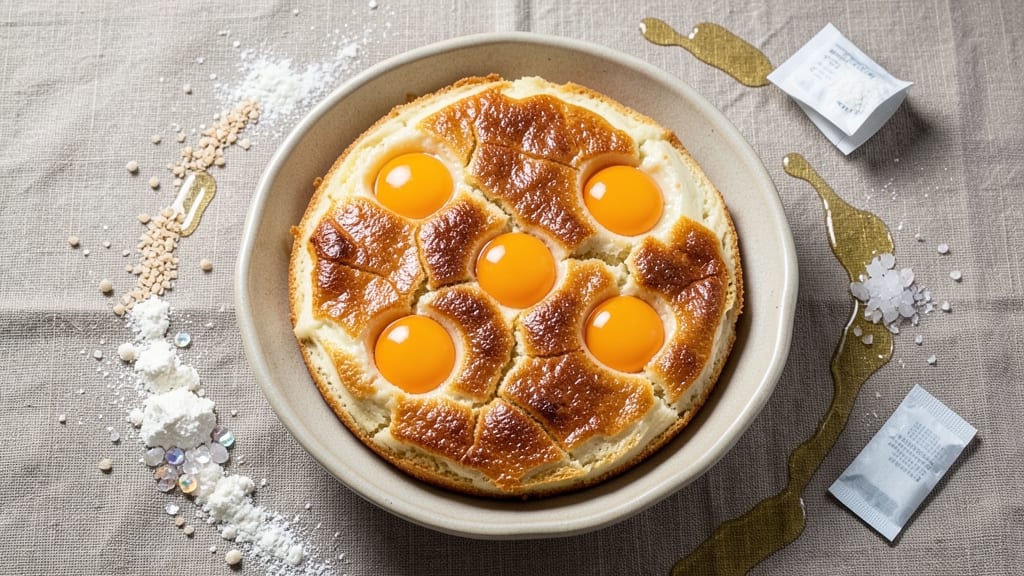
This 6-egg cake recipe with oil delivers the perfect balance of a golden, crisp crust and silky moist interior—no dry crumbs in sight. The secret lies in the oil-to-egg ratio, which creates a tender crumb while keeping the texture rich and velvety.
I’ve tested countless variations, and this method consistently produces a cake that stays moist for days, making it ideal for special occasions or last-minute desserts.
The recipe uses vegetable oil (or coconut oil for a subtle flavor boost) to enhance moisture, while the eggs provide structure and richness. Unlike butter-based cakes, this version stays tender longer, even when stored at room temperature.
The baking process at 350°F ensures a perfectly set crust without overcooking the center—critical for that moist texture you crave.
What sets this cake apart is its versatility. Whether you’re baking a fluffy vanilla layer cake, a dense carrot cake, or a chocolate version, the oil-based method guarantees a moist result every time.
The recipe accommodates variations like using 3 whole eggs + 3 yolks for extra richness or adjusting the oil type based on dietary preferences.
Ready in about 45 minutes (including baking and cooling), this cake is perfect for beginners and experienced bakers alike. Garnish with powdered sugar, fresh berries, or a drizzle of glaze for an elegant finish. Here’s how to achieve the perfect balance of golden crust and silky moisture in every slice.
Ingredients for 6 egg cake recipe with oil
Six eggs, one cup of oil, and a few pantry staples transform into the perfect moist cake.
| Ingredient | Amount | Notes |
|---|---|---|
| Large Eggs 🥚 | 6 whole | Room temperature for even baking |
| Vegetable Oil 🫒 | 1 ½ cups | Light or neutral flavor preferred |
| All-Purpose Flour 🌾 | 2 ½ cups | Sifted for light texture |
| Granulated Sugar 🍚 | 2 cups | White or light brown |
| Baking Powder 🍞 | 2 tsp | Freshly opened for lift |
| Salt 🧂 | ½ tsp | Fine sea salt preferred |
| Vanilla Extract 🌸 | 2 tsp | Pure, high-quality extract |
| Milk 🥛 | 1 cup | Whole milk for richness |
| Unsalted Butter 🧈 | ½ cup | Melted, for golden crust |
| Powdered Sugar 🍚 | 1 cup | For final dusting |
| Fresh Blueberries 🫐 | 1 ½ cups | Optional for filling |
| Dark Chocolate Chips 🍫 | 1 cup | Optional for swirl |
The eggs are non-negotiable—room temperature makes all the difference for even baking. Grab the largest eggs you can find at Whole Foods or your local market for maximum richness. The oil is the secret weapon here: vegetable oil keeps things neutral, but coconut oil adds a subtle tropical note if you're feeling adventurous. I always measure the flour by weight if possible—280g—for consistency, but the cup measure works in a pinch. The baking powder? Diamond Crystal is my go-to because it's double-acting, but check your brand's instructions if you're unsure.
No vanilla extract? Vanilla bean paste works beautifully, or even vanilla sugar at half the amount. Running low on milk? Heavy cream or even water in a bind, though the texture will be slightly different. The melted butter is crucial for that golden crust—don't skip it! For the optional add-ins, blueberries should be tossed in flour first to prevent sinking, and chocolate chips can be swapped for white chocolate or chopped nuts. Pro tip: If you're making a chocolate version, add ½ cup cocoa powder and reduce the flour by ¼ cup to maintain moisture.
This cake keeps beautifully—3 days at room temperature wrapped tightly, or up to a week in the fridge. For longer storage, freeze the fully baked cake for up to 3 months. To reheat, wrap in foil and warm at 300°F for 10 minutes. The powdered sugar dusting should happen right after baking while the cake is still warm—it melts slightly into the crust for extra shine. And if anyone asks, the oil makes it stay moist for days—no dry crumbs here!
Why You'll Love This Recipe
- No-Mix Magic: I swear by this—just crack, fold, pour. The eggs and oil create a tender crumb without a single whisk stroke, and the baking powder does the lifting while I’m still scraping the bowl.
- Sweet & Simple Crunch: That sugar-oil combo? It’s like a cross between a golden sponge and a crispy cookie edge—no frosting needed. Honestly, the first bite makes me question why I ever baked anything fancier.
- Breakfast or Dessert: Serve it warm with jam for a lazy morning, or dust it with powdered sugar for a no-fuss treat. My kids grab slices for school lunches, and my husband sneaks seconds when he thinks I’m not looking.
- Pantry Staple Power: Six eggs? Check. Oil and flour already in your cabinet? Probably. The cost per serving is laughable, and a single batch feeds four for days—perfect when I’m too tired to shop or the budget’s tight.
Step-by-step instructions for 6 egg cake with oil
This rich, tender cake delivers that perfect balance of golden crust and moist crumb—every bite is pure joy.
Prep Ingredients for Perfect Texture
Start by separating the 6 whole Large Eggs, placing yolks in one bowl and whites in another. Let them sit at room temperature for 10 minutes—this ensures even baking. In a separate large bowl, whisk together the 1.5 cups Vegetable Oil and 2 cups Granulated Sugar until fully combined. This step creates a smooth base that prevents dryness in the final cake.
In a medium bowl, sift the 2.5 cups All-Purpose Flour, 2 tsp Baking Powder, and 0.5 tsp Salt together. This sifting removes lumps and aerates the flour, which is crucial for that light, fluffy texture. I always sift dry ingredients directly into the mixing bowl to avoid extra steps later.
Combine Wet and Dry Ingredients Gently
Add the egg yolks to the oil-sugar mixture and whisk until just combined. Then, slowly pour in the 1 cup Milk and 2 tsp Vanilla Extract, mixing gently to avoid incorporating air. Next, fold in the sifted dry ingredients using a rubber spatula, mixing just until no flour streaks remain. Overmixing develops gluten, which can make the cake dense—stop as soon as everything is incorporated.
In a separate bowl, beat the egg whites with an electric mixer on medium speed until soft peaks form. Gradually add the 0.5 cup Unsalted Butter (melted and cooled slightly) while continuing to beat until stiff, glossy peaks form. This step is where the magic happens—the egg whites provide structure while the butter adds richness.
Fold Egg Whites into Batter with Care
Gently fold one-third of the beaten egg whites into the cake batter using a spatula, being careful not to deflate them. Then, add the remaining egg whites in two more additions, folding just until fully combined. This technique ensures the cake rises evenly without losing its airy texture. If you're using the 1.5 cups Fresh Blueberries or 1 cup Dark Chocolate Chips, fold them in now—just enough to distribute them evenly.
Here's the thing—don't overmix. The batter should be thick but pourable, with a few streaks of white still visible. This ensures the cake stays tender rather than becoming tough. If you're making a layered cake, divide the batter evenly between two 8-inch round pans lined with parchment paper.
Bake to Golden Perfection
Preheat your oven to 350°F and place the cake pans on the middle rack. Bake for 25-30 minutes, or until a toothpick inserted into the center comes out clean. The edges should be golden brown, but the top might still look slightly underdone—this is normal. If the top browns too quickly, tent the pans with aluminum foil to prevent overbrowning.
I always check for doneness at the 20-minute mark—your oven might run hot, so start testing early. The cake should spring back slightly when pressed gently in the center. Once done, remove from the oven and let cool in the pans for 10 minutes before transferring to a wire rack to cool completely.
Finish with Powdered Sugar and Serve
Once the cake is completely cooled, dust the top generously with 1 cup Powdered Sugar using a fine-mesh sieve. This step adds a delicate sweetness and makes the cake look stunning. If you're serving it immediately, slice it into 8 equal pieces—this ensures everyone gets a perfect portion of that moist, tender crumb.
This cake keeps well at room temperature for 3 days, wrapped tightly in plastic wrap. For the best experience, serve it slightly warm with a dollop of whipped cream or a scoop of vanilla ice cream. The contrast of temperatures takes it to another level—trust me, you'll want seconds!
Pro Tips For Making 6 Egg Cake Recipe With Oil
- Whisk Eggs Until Ribbon Stage: I learned this the hard way—skipping this step means your cake will be dense and chewy. Beat the eggs with sugar until the mixture holds a ribbon when the whisk is lifted; it should coat the back of a spoon like thick paint.
- Use Room-Temp Eggs & Oil: Cold eggs and oil make the batter sluggish, leading to uneven baking. Let both sit out for at least 30 minutes before mixing—your cake will rise higher and have a lighter texture.
- Skip Overmixing the Batter: After adding flour and baking powder, fold just until combined—lumpy is fine. Overmixing develops gluten, turning your tender cake into a dense brick. Stop when you see no more dry flour streaks.
- Bake in a Water Bath: This isn’t traditional, but it works: Place your cake pan in a larger roasting tray, then pour hot water halfway up the pan’s sides. The steam keeps the center moist and prevents cracking—especially important for a high-egg recipe.
Pro cooking tips for great 6 egg cake recipe with oil
Oil Type Matters
The choice of oil dramatically impacts your cake's flavor and moisture. I recommend vegetable oil (like Mazola) for a neutral taste that lets other ingredients shine. For a subtle flavor boost, coconut oil adds a delicate tropical note—just ensure it's refined to avoid coconut overpowering.
Avoid olive oil; its strong flavor can clash with the delicate sweetness of the cake. 🫒
Room-Temp Eggs Are Key
Never use cold eggs straight from the fridge—they won't incorporate properly into the batter. Let your 6 large eggs sit at room temperature for at least 10 minutes before separating.
I grab mine from the fridge 30 minutes before baking to ensure they're fully warmed. This simple step prevents dense, uneven baking and gives you that perfect silky crumb.
Fold Egg Whites Gently
When folding the beaten egg whites into the batter, work in three additions to preserve their airiness. Use a rubber spatula and fold from the bottom up, cutting through the center to maintain structure.
Overmixing here collapses the whites, leading to a dense cake. I like to use a hand mixer on low speed for the whites to avoid overbeating—just until stiff peaks form. 🥚
Baking Powder Freshness
Old baking powder loses its lift, resulting in a flat cake. Always check the expiration date—Diamond Crystal or Bob's Red Mill are my go-tos. For extra insurance, test your baking powder by mixing 1 tsp with ¼ cup hot water; if it bubbles vigorously, it's fresh.
I keep mine in the fridge to extend its shelf life. A fresh batch ensures your cake rises high and even.
Butter for Golden Crust
The ½ cup melted butter brushed on the pans before baking creates that golden crust you crave. Use unsalted butter for better flavor control, and melt it just until slightly cooled (about 90°F) to prevent the egg whites from curdling.
Brush it generously on the parchment-lined pans before adding batter. This step is non-negotiable for that perfect caramelized top.
Doneness Test Trick
Insert a toothpick into the center—it should come out clean or with a few moist crumbs, never wet batter. If it's sticky, bake 5 more minutes. I check at 20 minutes because ovens vary.
The edges should be golden brown, but the top might look slightly underdone—that's normal! Let it cool 10 minutes in the pan before transferring to avoid crumbling. ✨
Nutrition facts
Frequently asked questions
Can I substitute butter for the oil in this recipe?
The oil is key for maintaining moisture in this cake. While you can technically replace 1.5 cups oil with 1.5 cups melted butter, the texture will be slightly denser. For a 1:1 substitution, reduce the milk by 2 tablespoons since butter contains water. The oil version stays moist longer, especially for layered cakes.
How do I make this cake gluten-free?
Replace the 2.5 cups all-purpose flour with a 1:1 gluten-free flour blend like Bob's Red Mill 1-to-1. Add ½ tsp xanthan gum if your blend doesn't contain it. For best results, use a gluten-free baking powder and let the batter rest for 10 minutes before baking to improve texture. The cake will be slightly denser but still moist.
Why did my cake sink in the middle? This usually happens from overmixing the batter or opening the oven too soon.
Can I bake this in a different pan size?
Yes, but adjust baking time accordingly. For a 9-inch round pan, bake 20-25 minutes (the cake will be thicker). For a 9x13-inch pan, bake 30-35 minutes. Always use the toothpick test. Line all pans with parchment paper and grease lightly with oil to prevent sticking. The cake may spread more in larger pans, so check frequently after 20 minutes.
How can I make this cake less sweet?
Reduce the granulated sugar to 1.5 cups and add ½ cup applesauce or mashed banana to compensate for moisture. For a richer flavor without sweetness, replace ½ cup sugar with ½ cup honey (adjust other liquids if needed). The oil already adds richness, so you can cut sugar by up to 25% without sacrificing moisture.